
Farm & Field
Back from war, on to the farm
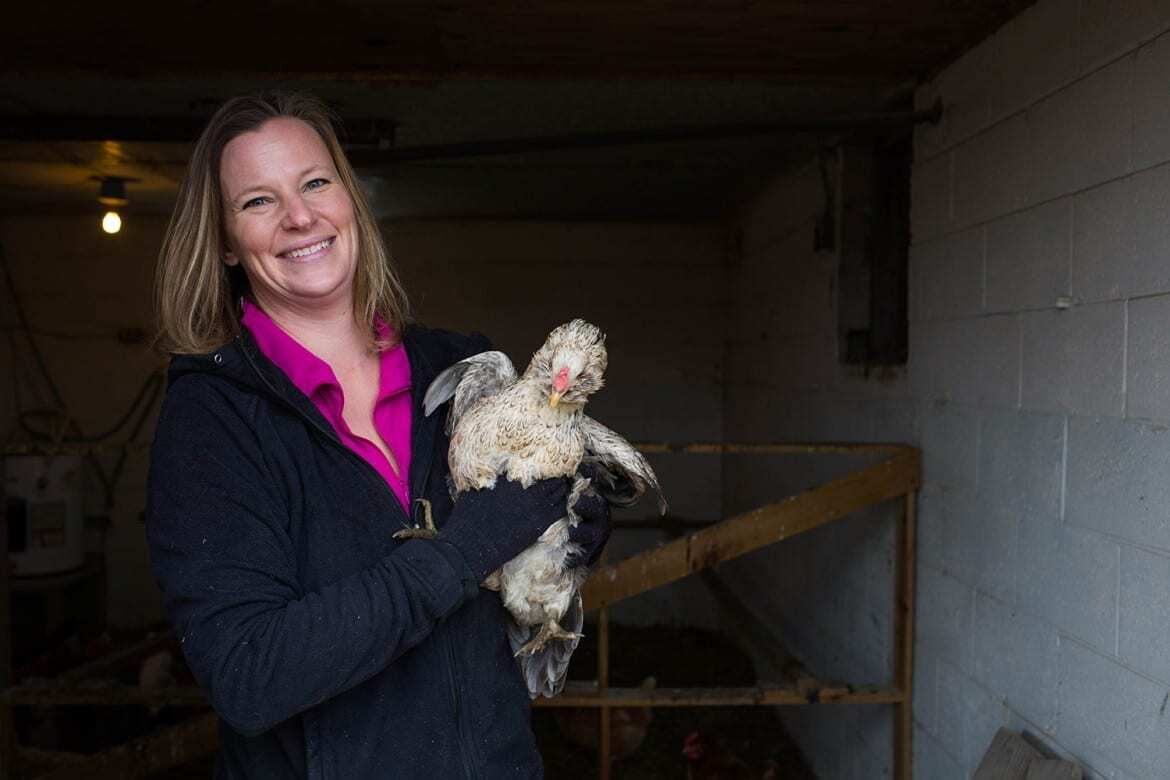
Veterans returning home from Iraq and Afghanistan often have a hard time transitioning back to their civilian lives and careers. They have higher rates of divorce, depression and suicide. And they’re more likely to be unemployed than both civilians and veterans of other wars. In recent years, thousands of veterans like Creech have showed an interest in farming as a way to find peace and purpose, and several nonprofit organizations and universities have launched programs to help them pursue careers in agriculture.
Farmers waiting, watching and weighing the options on Farm Bill ‘menu’
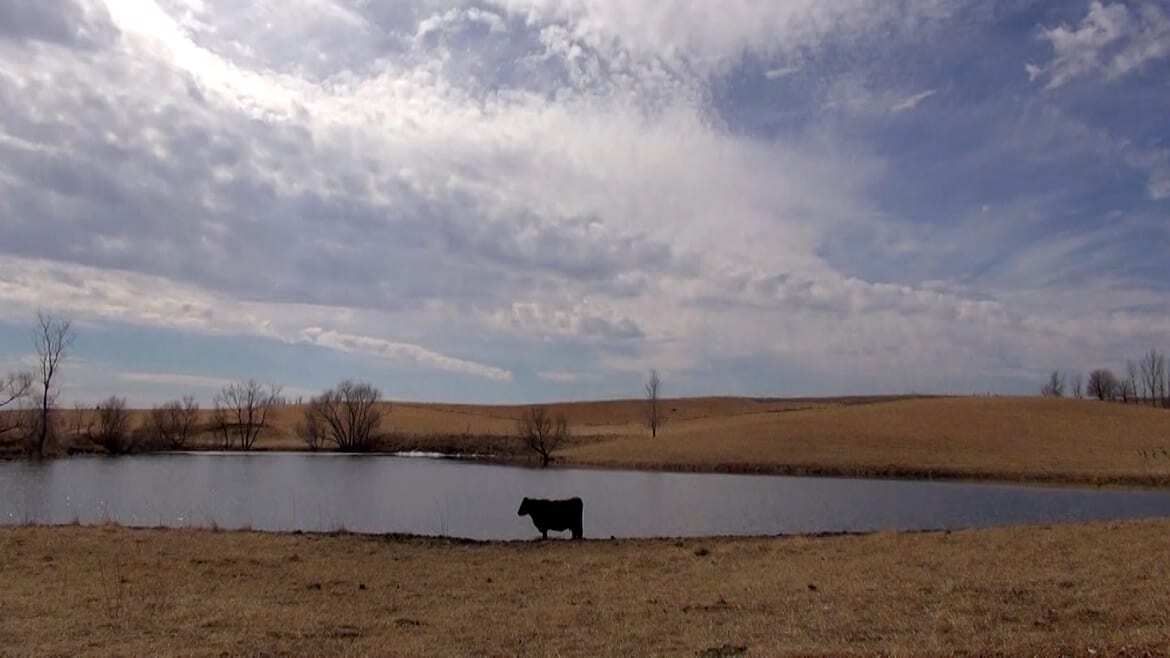
Across the Corn Belt, farmers are signing up for Farm Bill support programs and which ones they choose will impact the overall price tag for taxpayers. Projections for the cost of these commodity programs are blowing past the amounts originally budgeted just a year ago, when the Farm Bill was enacted, leaving the possibility that U.S….
The loophole behind Monsanto’s new product
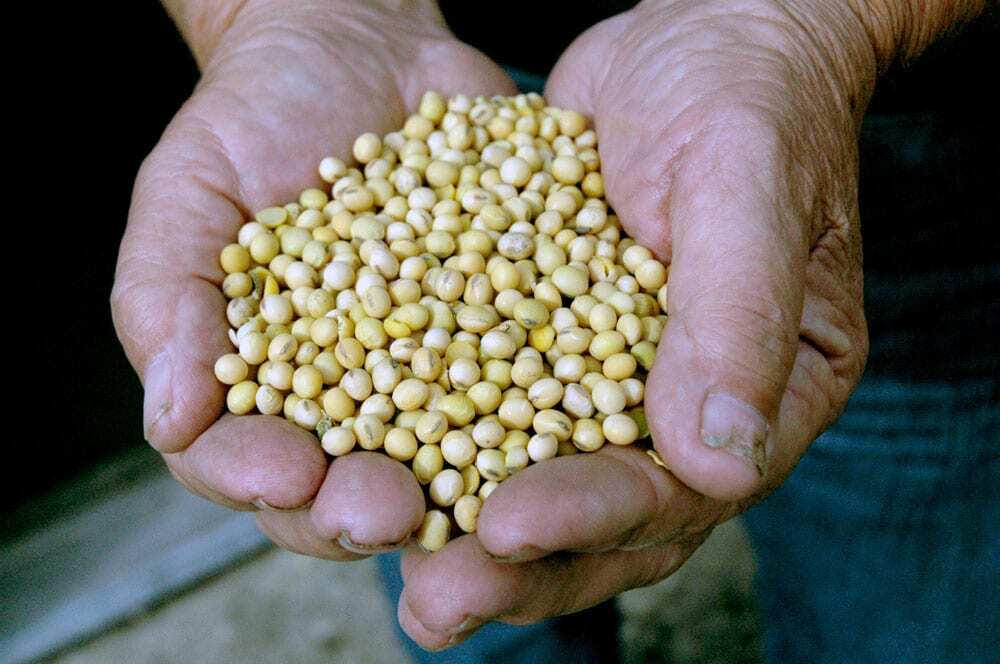
Monsanto’s reaction to superweeds? To supersize its Roundup Ready product line. An interesting story by our pals over at the Midwest Center for Investigative Reporting explains that Monsanto is getting ready to launch a new version of its popular genetically-modified seed line. This one is dubbed Roundup Ready Xtend, cotton and soybean seeds set to counter the so-called superweeds that have grown resistant to herbicides.
What the FAA’s new drone rules mean for farmers
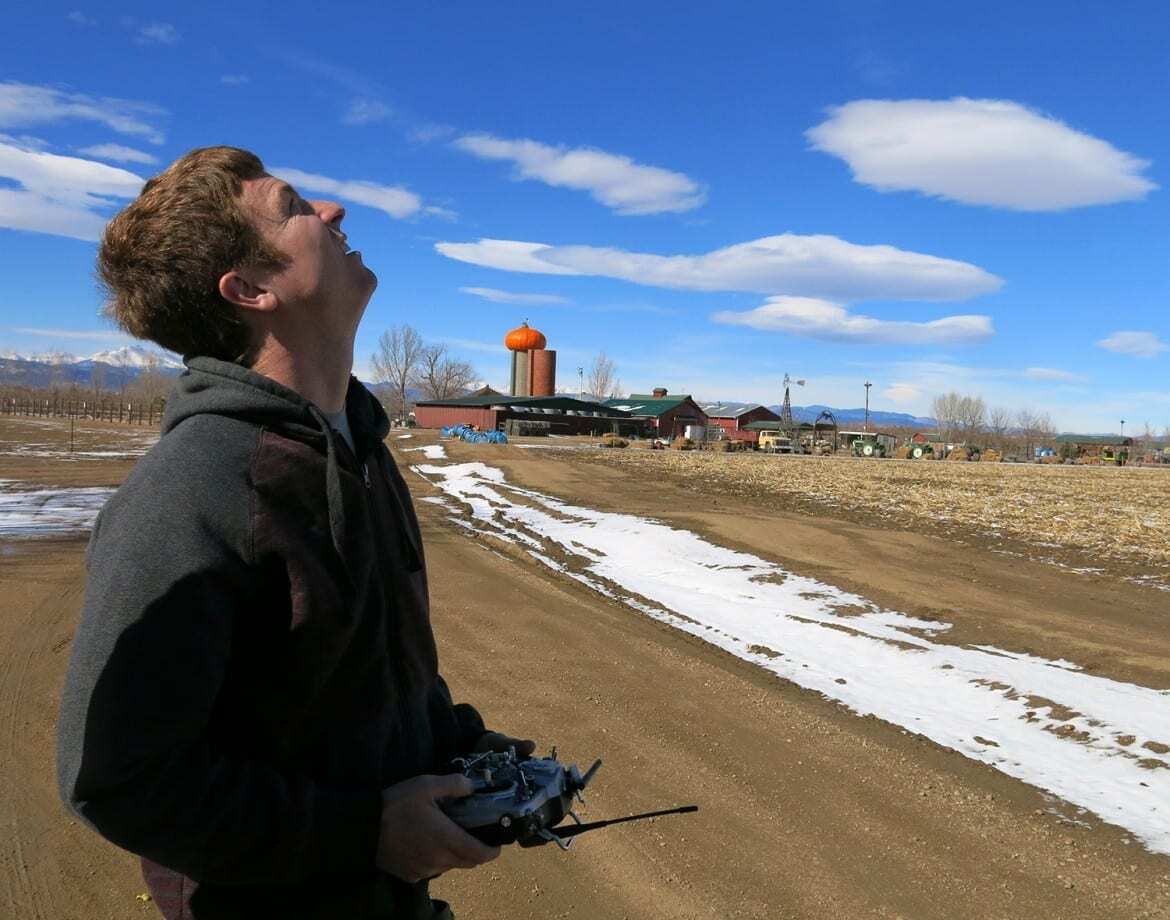
A highly anticipated batch of federal laws governing the use of drones could change the regulatory landscape and lead to an explosion in drone use by farmers. The Federal Aviation Administration (FAA) recently proposed rules for commercial drone use, including use in agriculture. The rules, however, still must undergo public comment and revision, a process expected to take months.
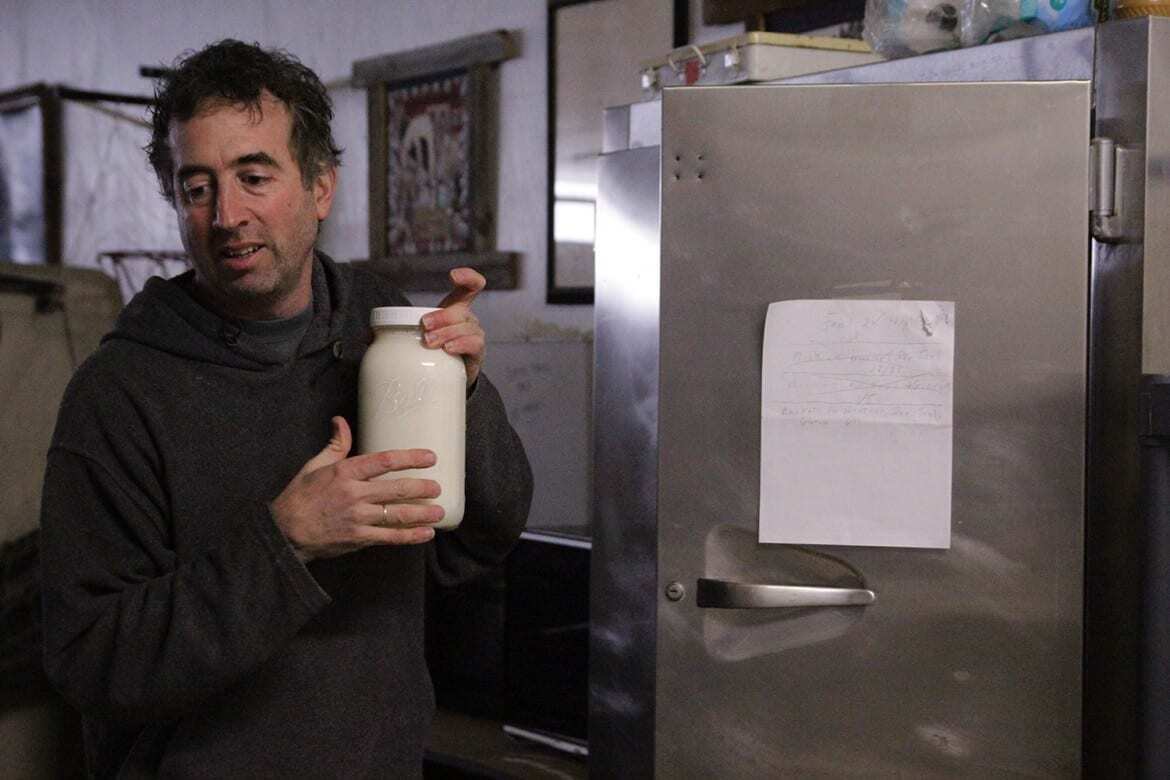
To limit sales, states propose legalizing raw milk
The federal government banned raw milk sales across state lines nearly three decades ago because it poses a threat to public health. The Centers for Disease Control, the American Academy of Pediatrics, and the American Medical Association all strongly advise people not to drink it. Individual states still control raw milk sales within their borders. And…
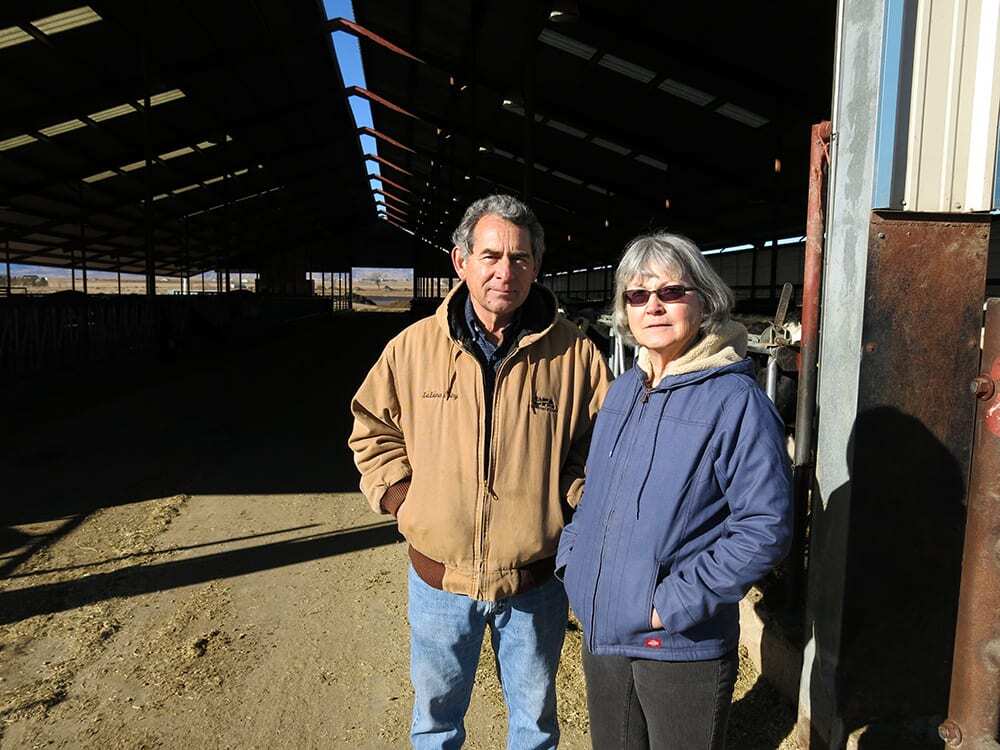
Without immigration fix, dairies struggle
America’s dairies rely on immigrant labor to milk cows and care for the herd. Many owners of the country’s largest dairies say that they’re unable to find employees. A comprehensive fix to the immigration system seems like a longshot in the new Congress, leaving some dairies struggling to keep up.

Is the local-food movement growing up?
After more than a decade of explosive growth in the local food economy, the most visible portion of food sales within that sector has seen a slowdown. A new report from the U.S. Department ofAgriculture shows the growth of sales of local food at farmers markets, farm stands and through CSA models has lost momentum. Even the rate of growth in the number of farmers markets nationwide has slowed in recent years, rising just 1.5 percent from 2013 to 2014, after several years of rapid growth. But that’s not necessarily bad news for farmers. In fact, it could mean the entire local food movement is growing up.
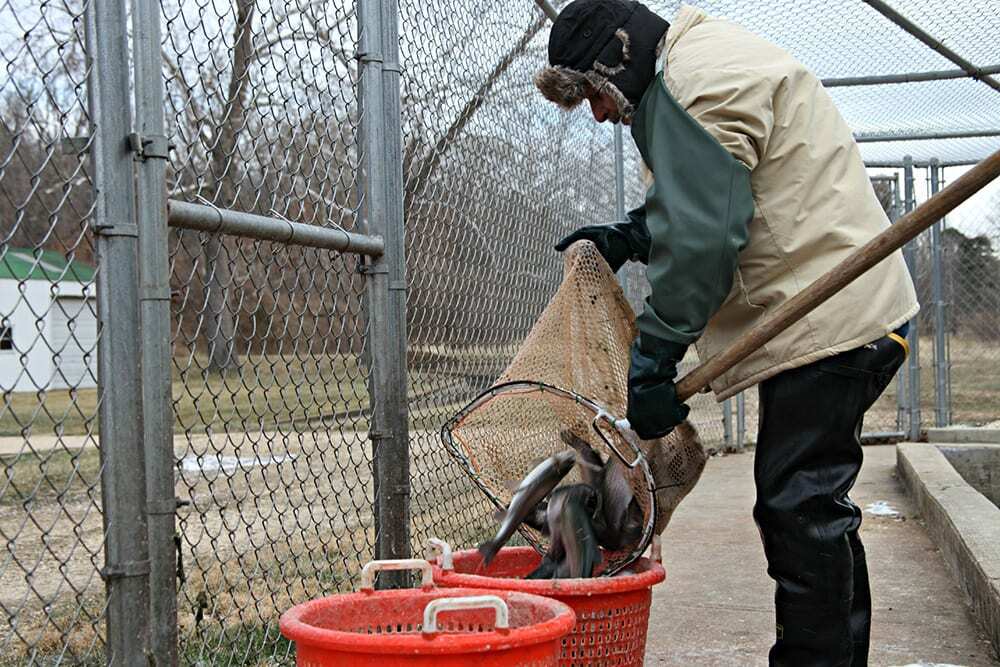
How ‘organic’ are organic fish?
When it comes to organic certification, there are strict guidelines for food producers to follow. For an organic steak, the cow it came from has to be raised on organic feed and the feed mix can’t be produced with pesticides, chemical fertilizers or genetic engineering. Now, the U.S. Department of Agriculture in considering a set of rules for organic farmed fish. Several consumer groups, though, say the recommended rules don’t go far enough to meet the strict standards of other organic foods.
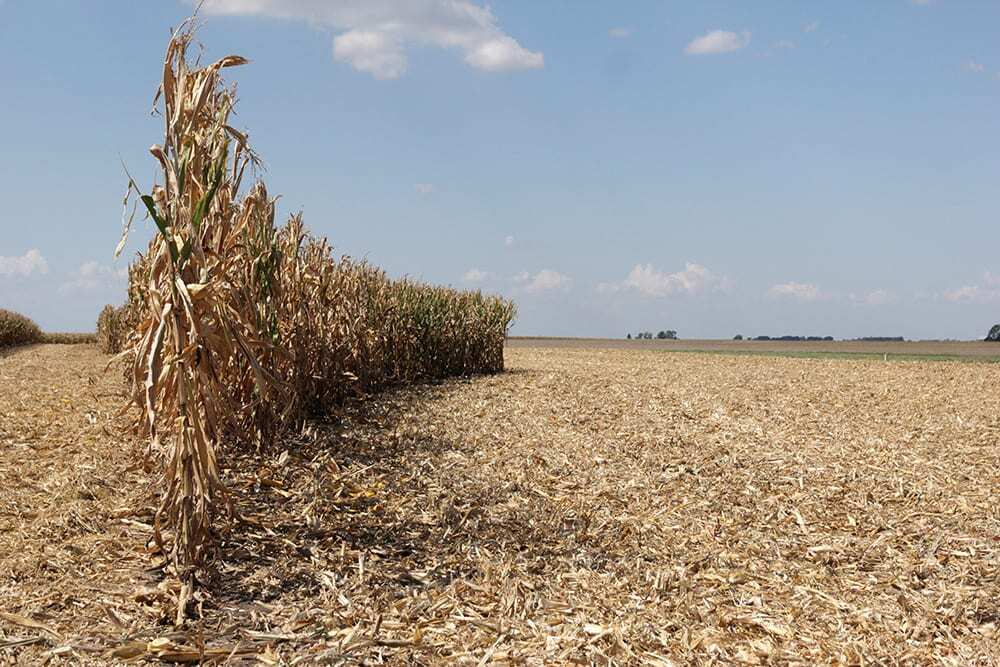
A deep breath – created by the Corn Belt?
Scientists have noticed a change in the atmosphere. Plants are taking in more carbon dioxide during the growing season and giving off more carbon in the fall and winter. Recent research shows the massive corn crop in the Corn Belt may be contributing to that deeper breath.
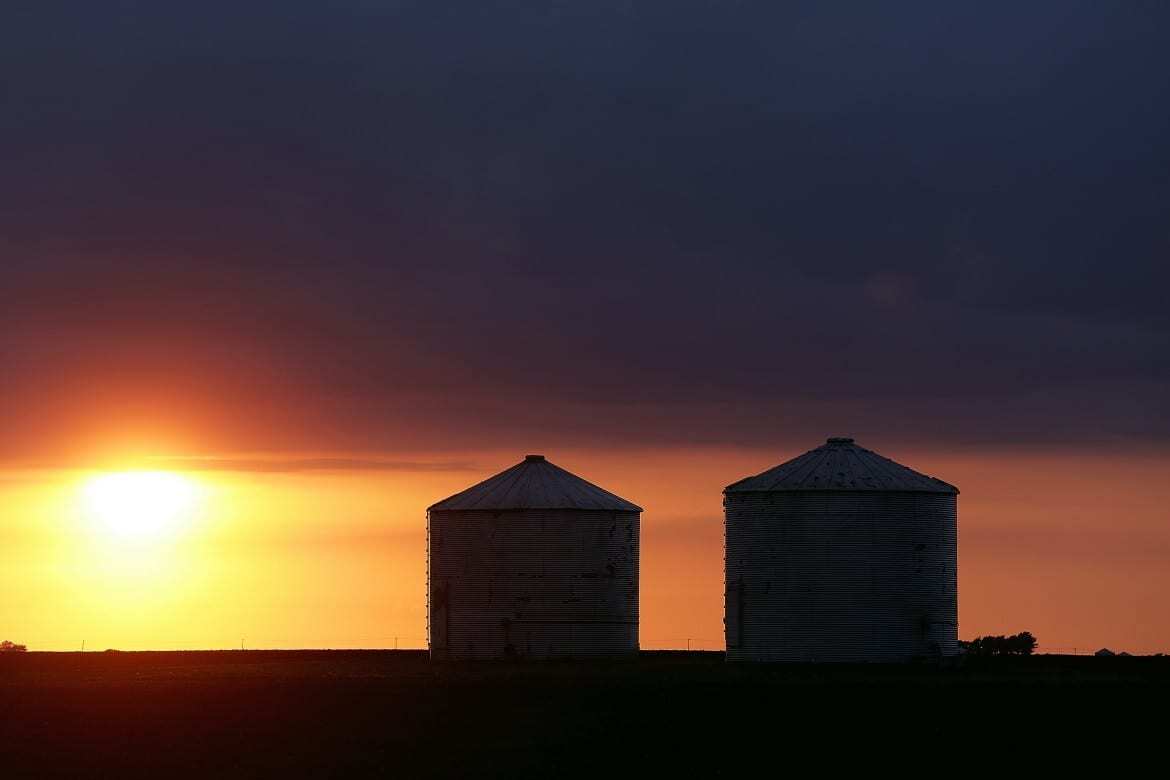
How the grain glut could hurt rural economies
American farmers grew more corn and soybeans in 2014 than ever before, according to the U.S. Department of Agriculture’s latest crop production report. The glut has pushed grain prices to a five-year low, forcing some farmers in Midwestern states to operate on much tighter profit margins than in recent history. Some will even sell their crop for less than it cost to grow.