
Sustainability

To Diversify The Landscape, Diversify Who Works It
Farmers in the U.S. like to point out that their products feed people all over the world. And while this is a diverse country, the people working on farms and elsewhere in agriculture often don’t reflect the nation’s demographics. Changing that is becoming a priority, in hopes new people will bring fresh ideas to meet…
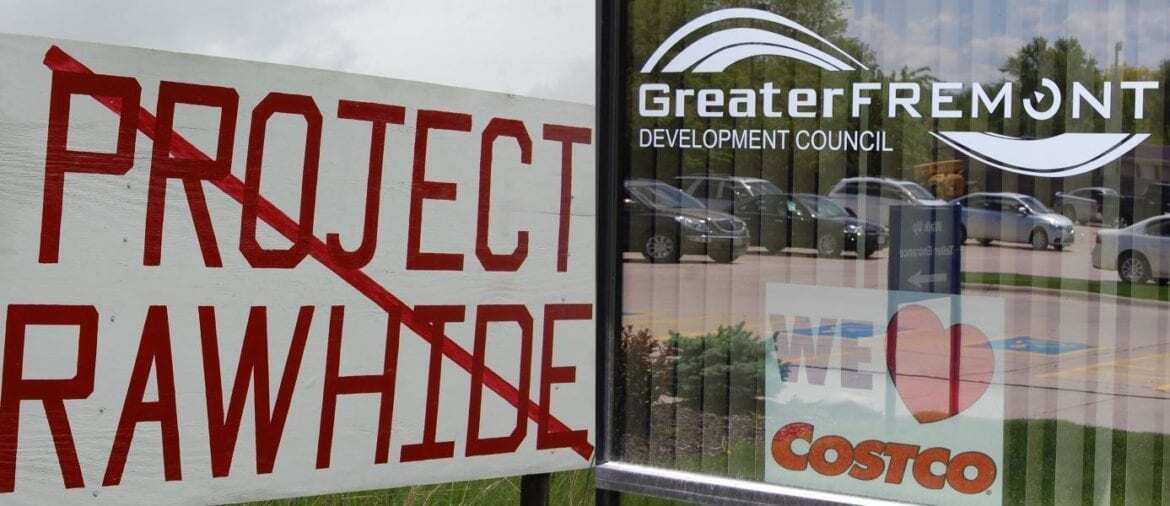
Growing Nebraska Poultry Industry Spurs Environmental Concerns
A proposal that would jumpstart the chicken business in Nebraska has some residents concerned about the potential impact on the environment and are trying to block or delay its construction. Costco, the warehouse retailer and grocery chain, plans to build a giant $300 million chicken slaughterhouse on the south side of the town of Fremont…
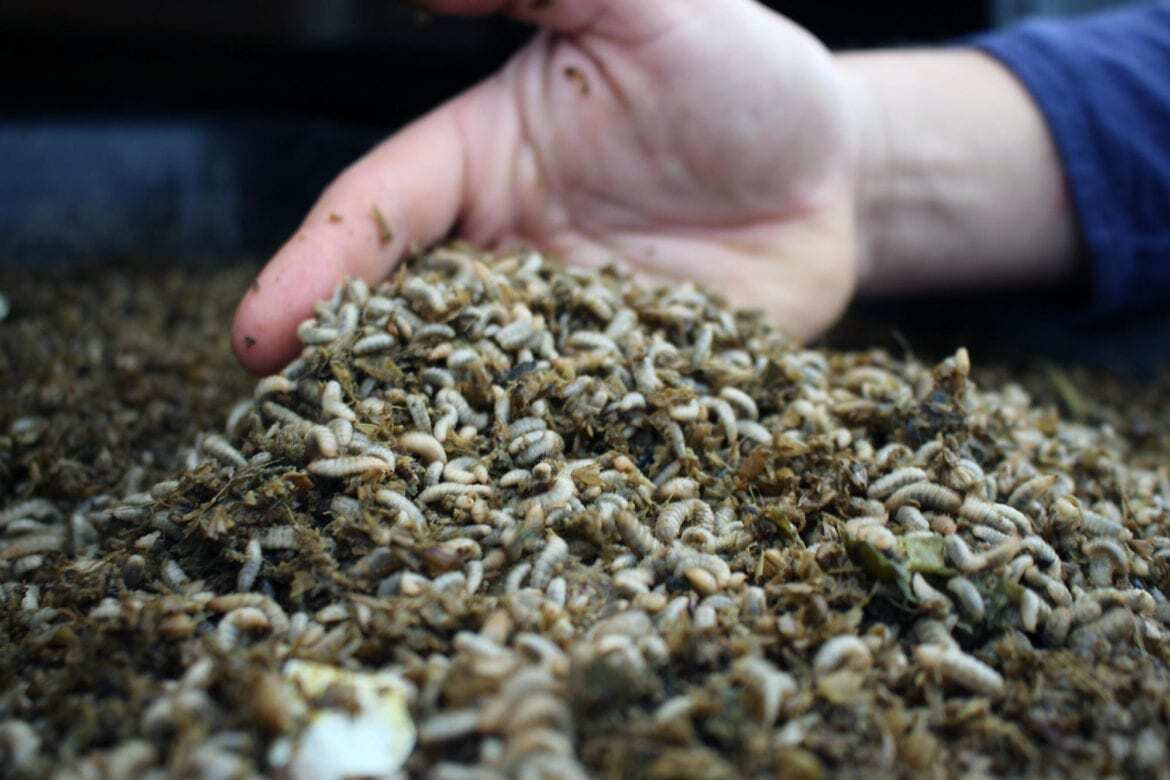
Colorado Startup Tries Cutting Food Waste With Garbage-Munching Bugs
Americans waste a staggering amount of food. Instead of letting it rot and wreck the environment, some entrepreneurs want to put it to work feeding insects, and see the potential to revolutionize how we feed some of the livestock that provide us our meat. Phil Taylor’s enthusiasm for insects is infectious. The University of Colorado…
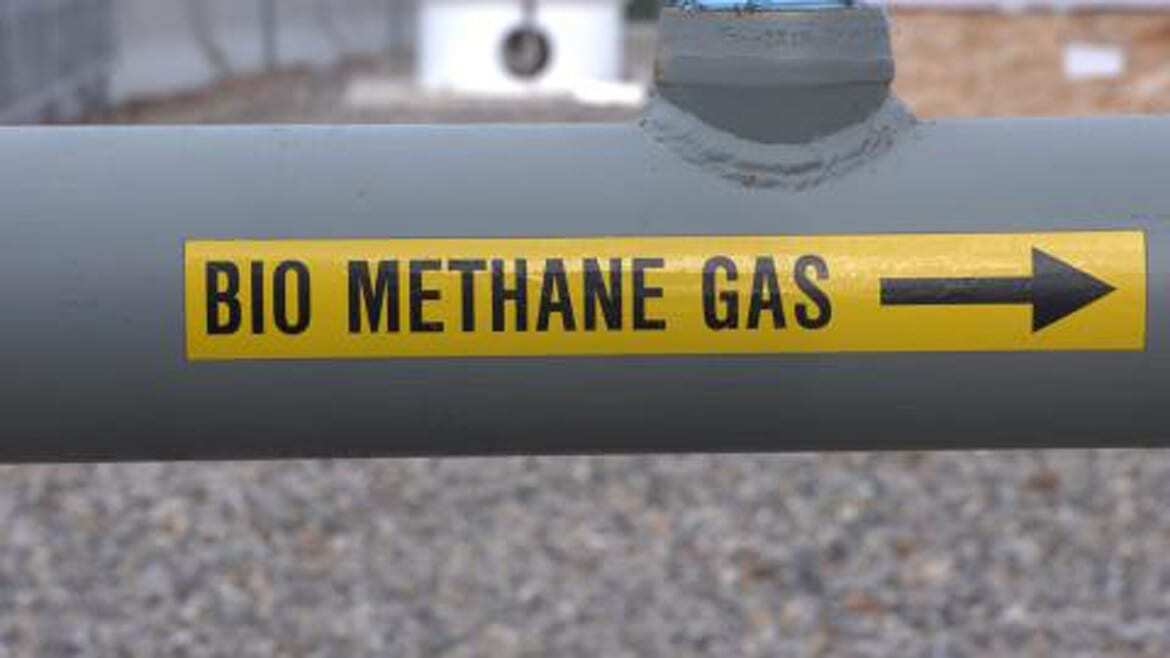
The Other Natural Gas: Making Energy From Waste
Every day, a facility on the outskirts of Grand Junction, Colorado takes in eight million gallons of what people have flushed down their toilets and washed down their sinks. The water coming out the other end of the Persigo Wastewater Treatment Plant is cleaner than the Colorado River it flows into. The organic solids strained from…
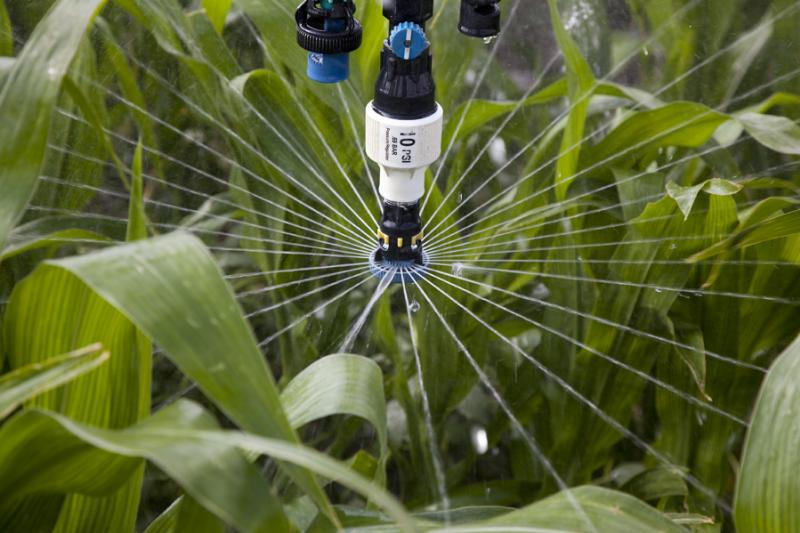
A roundup of water issues facing Kansans — now and in the future
Editor’s note: Throughout this week, Flatland has published a series of stories from our partner, the Kansas Health Initiative, exploring how people access water, the economics of water and the challenges of drinking it. To find these stories, freelance journalist Sarah Green interviewed more than 50 Kansans in person, over the phone and by email over the course of seven months. For additional reporting and images in…
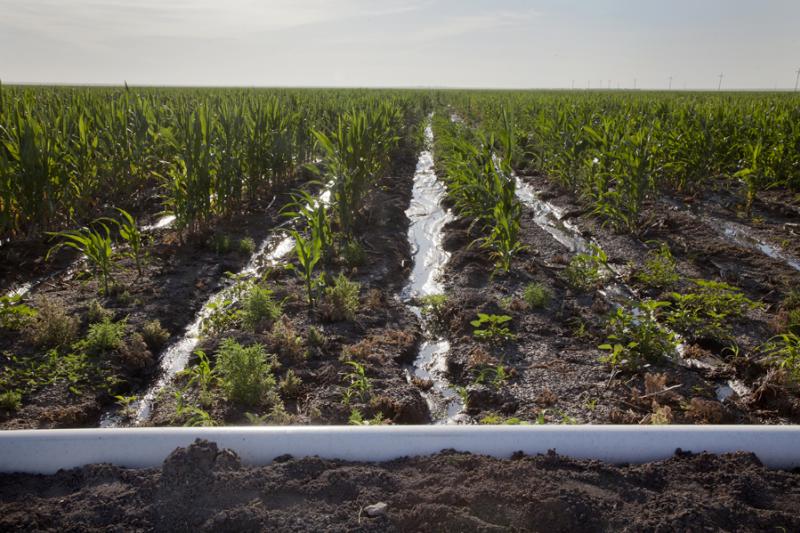
Plentiful access to water fuels prosperity in rural Republic County community
In mid-fall, trucks full of corn and soybeans rumble through the north-central Kansas town of Courtland on their way to the grain elevator at the south end of Main Street. While neighboring counties struggle to survive, the western half of Republic County, including Courtland, population 273, isn’t doing too bad. Technology and insurance companies support the…

Farm groups criticize ethanol policy changes at EPA hearing
Thursday was not the day to switch places with Chris Grundler. Grundler, the director of the Office of Transportation and Air Quality at the U.S. Environmental Protection Agency, was in charge of the EPA’s one in-person hearing about proposed changes to U.S. ethanol policy. More than 250 people signed up to speak at the hearing,…
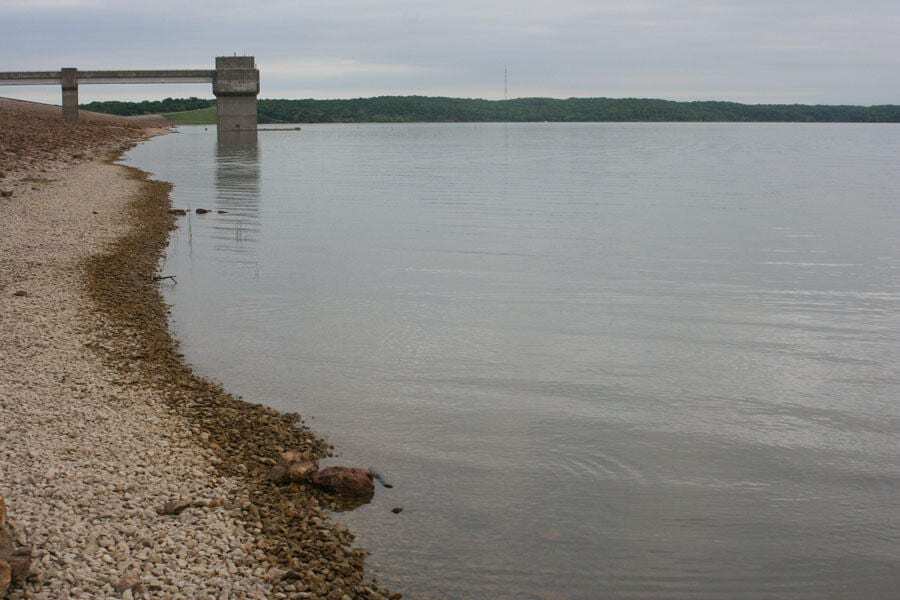
Kansas Water Talk Slows to a Trickle
Securing Kansas’ water supply — once a hot topic of the legislative session — has faded into the background in Topeka amid pounding rains and a grinding budget crisis. Rep. Tom Sloan, a Republican from Lawrence, led weeks of hearings on water issuesearlier in the session as chairman of the House Vision 2020 Committee. But, sitting in his office between largely unproductive recent House floor sessions, Sloan said the concerns raised during those hearings largely have been forgotten.
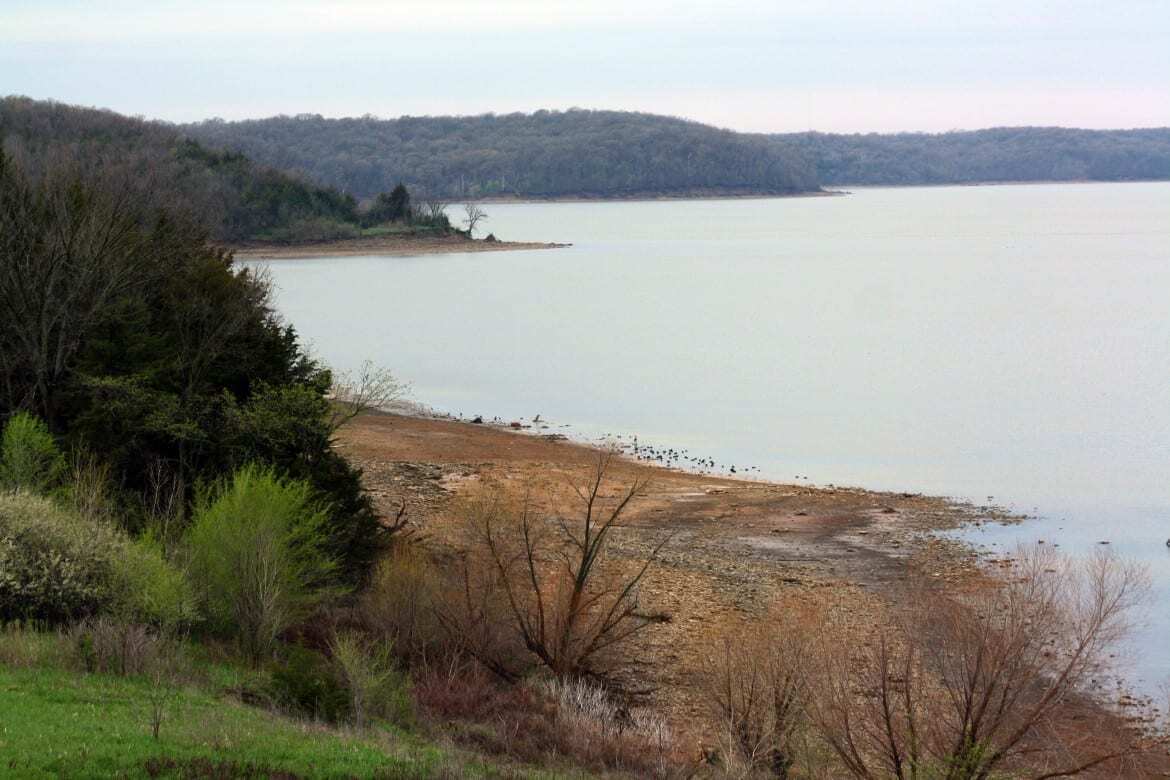
A water success story, in Kansas
There are also some who believe that the main water source for western Kansas, the Ogallala Aquifer, is past the point of no return when it comes to natural recharge. A plan to build a giant aqueduct to transport water from the Missouri River hundreds of miles has been floated, but it would involve tremendous expense and is not formally a part of the 50-year water plan.
Are burn pits a possible answer for the mysterious ailments reported by veterans?
Many veterans of the Iraq and Afghanistan conflicts believe their health was affected by exposure to the burn pits and other potential environmental hazards. But there is not enough data to determine whether that exposure caused or contributed to the health problems they are struggling with now that they are home.