
Sustainability
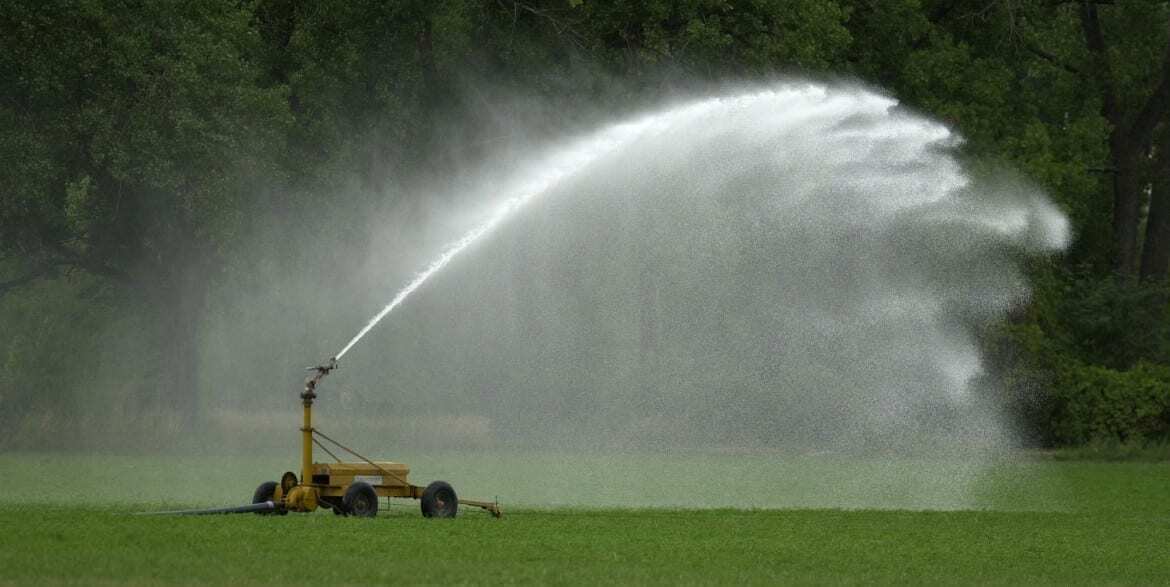
Is an aqueduct a practical answer to the water crisis in western Kansas?
A lot has changed in the three decades since the idea of building an aqueduct from the Missouri River to western Kansas was first studied and shelved. For one thing, the water shortages that were mere projections then are now imminent. That reality has prompted state officials to dust off the study and re-examine the aqueduct idea.
Western Kansas is heavily dependent on the Ogallala Aquifer. But since 1950, that ancient supply of underground water has been rapidly depleted by irrigation. That irrigation produces corn, which is fed to livestock to support the beef and, more recently, dairy industries, which are the foundation of the western Kansas economy. But water levels have dropped so low in parts of more than 30 counties that irrigation pumps can no longer be used there. That’s why rivers in western Kansas are little more than dry stream beds.
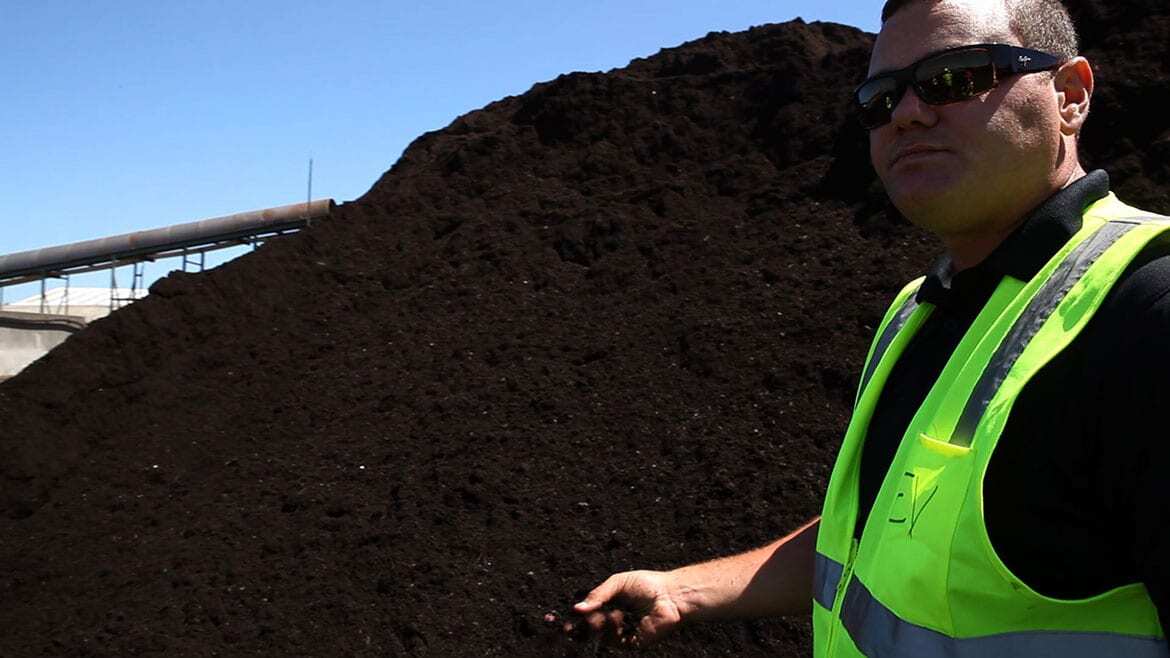
With curbside composting, food waste not a total loss
Wasting around 40 percent of all the food produced in the U.S. certainly has its drawbacks: It’s not feeding people in need, it’s expensive and it does a lot of environmental damage. But across the country, cities, towns and companies are finding food waste doesn’t have to be a total loss. In fact, it can…
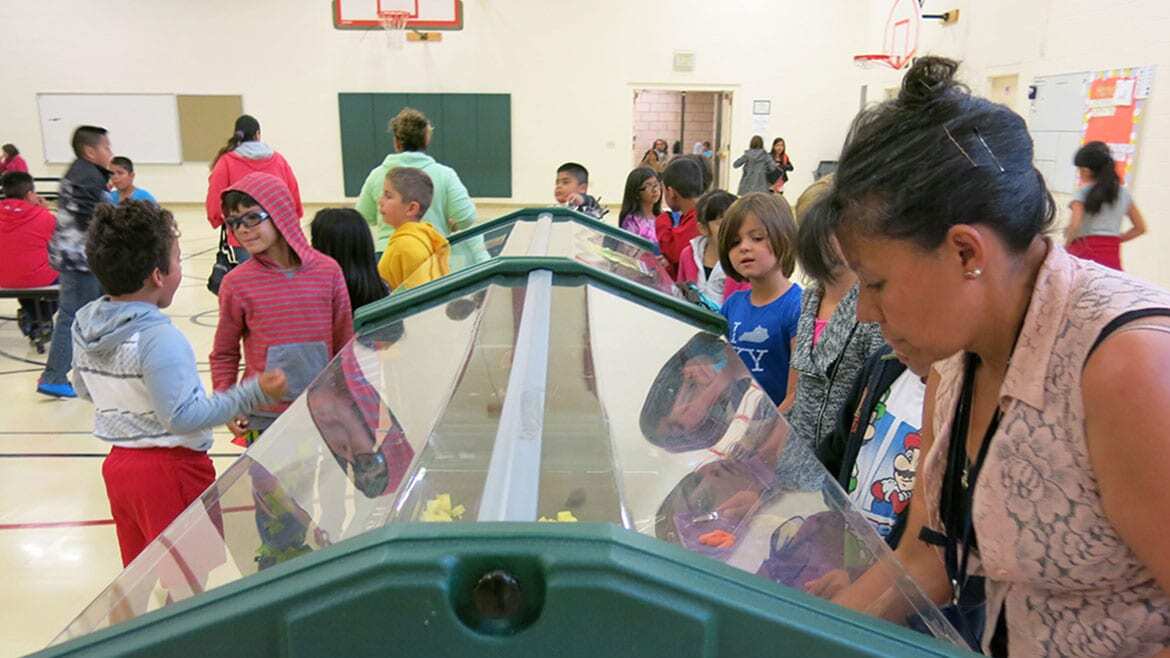
Choices can cut school food waste
Lunch time at Harris Bilingual Elementary School in Fort Collins, Colo., displays all the usual trappings of a public school cafeteria: Star Wars lunch boxes, light up tennis shoes, hard plastic trays and chocolate milk cartons with little cartoon cows. It’s pizza day, the most popular of the week, and kids line up at a…
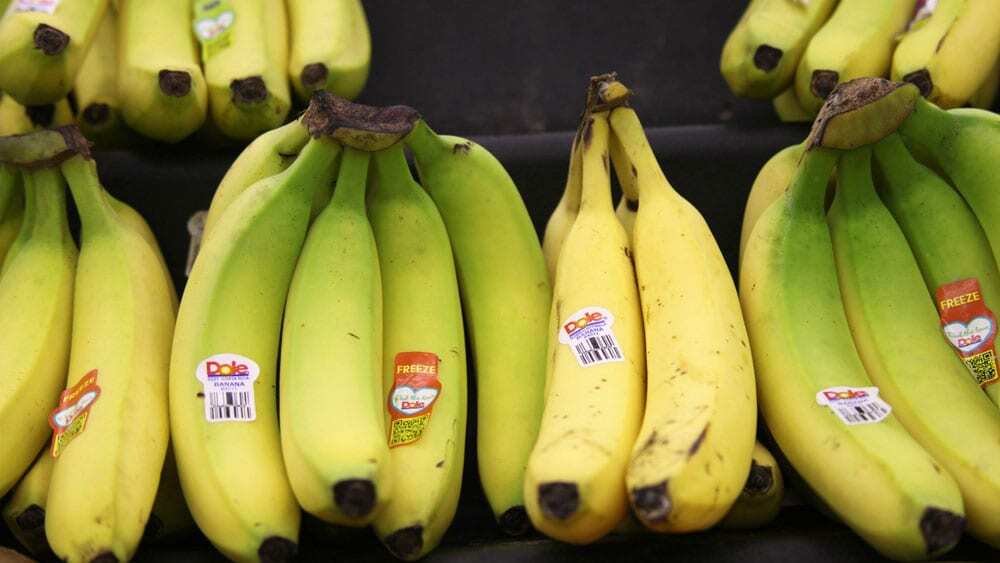
Grocery stores waste tons of food as they woo shoppers
Grocery stores and restaurants serve up more than 400 million pounds of food each year, but nearly a third of it never makes it to a stomach. With consumers demanding large displays of un-blemished, fresh produce or massive portion sizes, many grocery stores and restaurants end up tossing a mountain of perfectly edible food. Despite…
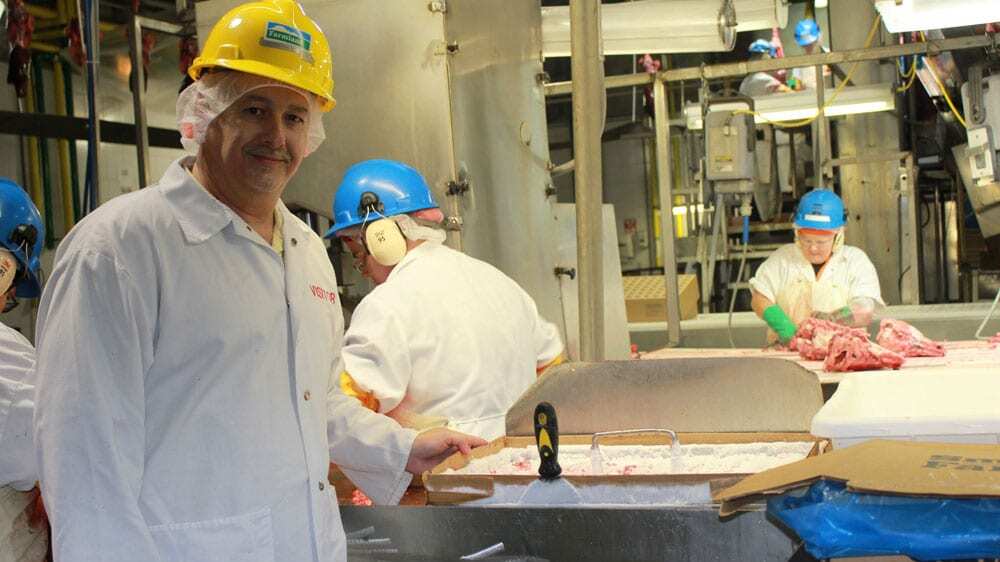
Manufacturers cut food waste to build bottom line
The long line of semi-trucks waiting to get in the gates of the Farmland Foods plant could simply wait around for a few hours to head back, fresh products on board. The trucks are loaded with hogs from several confinement operations near this factory in Milan, a small town in northeast Missouri. Within just 19…
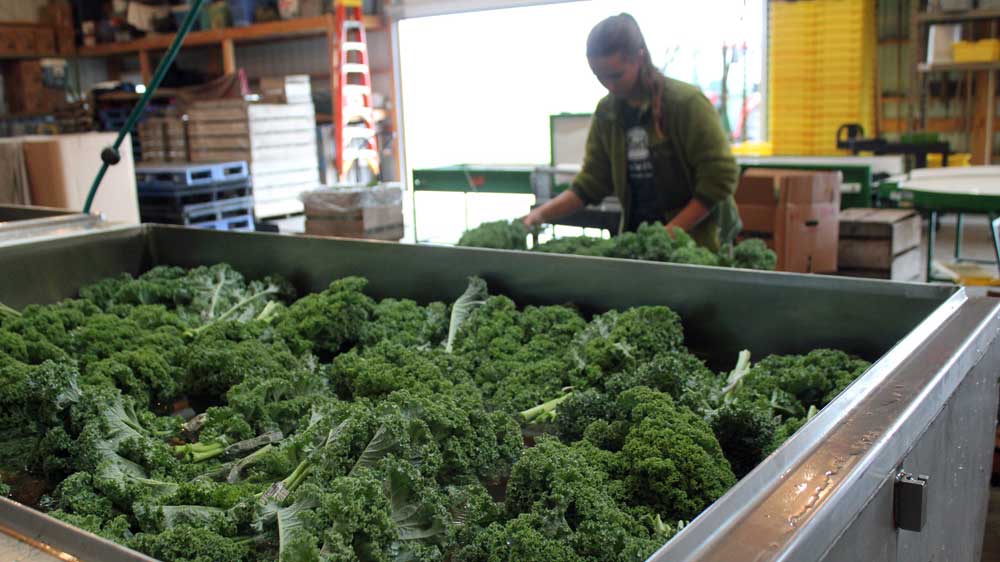
Technology, infrastructure cut down on food waste on the farm
On a wet, grey day in Grinnell, Iowa, the rain beats a rhythm on the metal roof of a packing shed at Grinnell Heritage Farm. Crew member Whitney Brewer picks big bunches of kale out of a washing tank, lets them drip on a drying table and then packs them into cardboard boxes. Like…
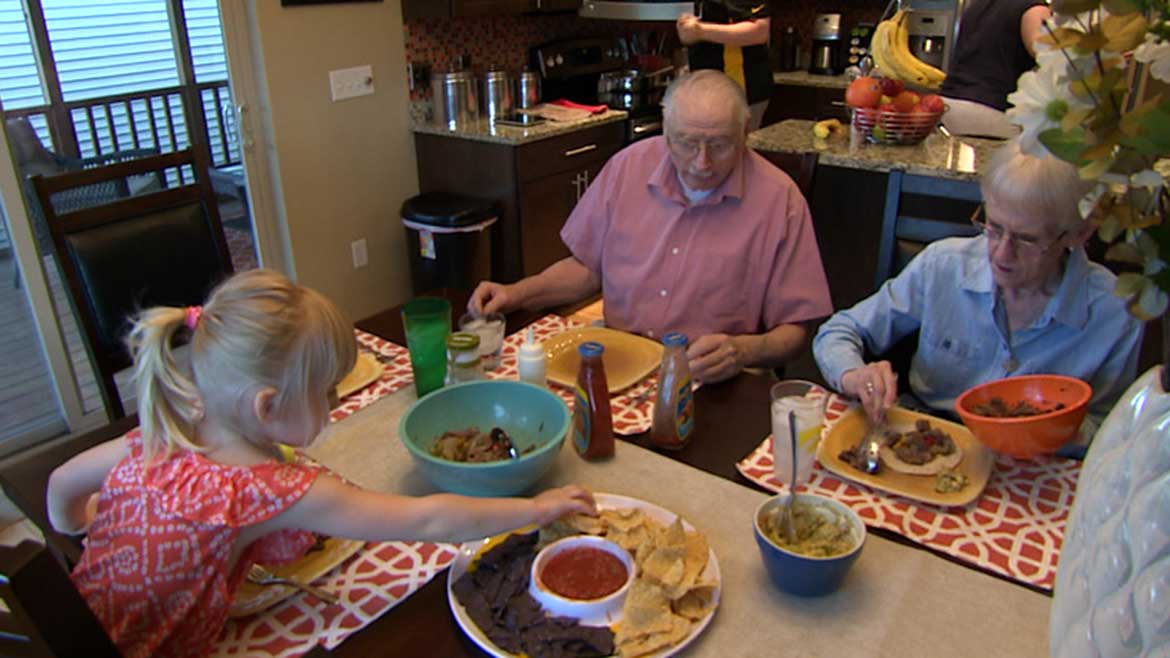
Food waste weighing down U.S. food system
It’s a hot summer day outside of Lincoln, Neb., and Jack Chappelle is knee-deep in trash. He’s wading in to rotting vegetables, half-eaten burgers and tater tots. Lots of tater tots. “You can get a lot of tater tots out of schools,” Chappelle says. “It doesn’t matter if it’s elementary, middle school or high school….
- « Previous
- 1
- …
- 12
- 13
- 14