
Rural Affairs
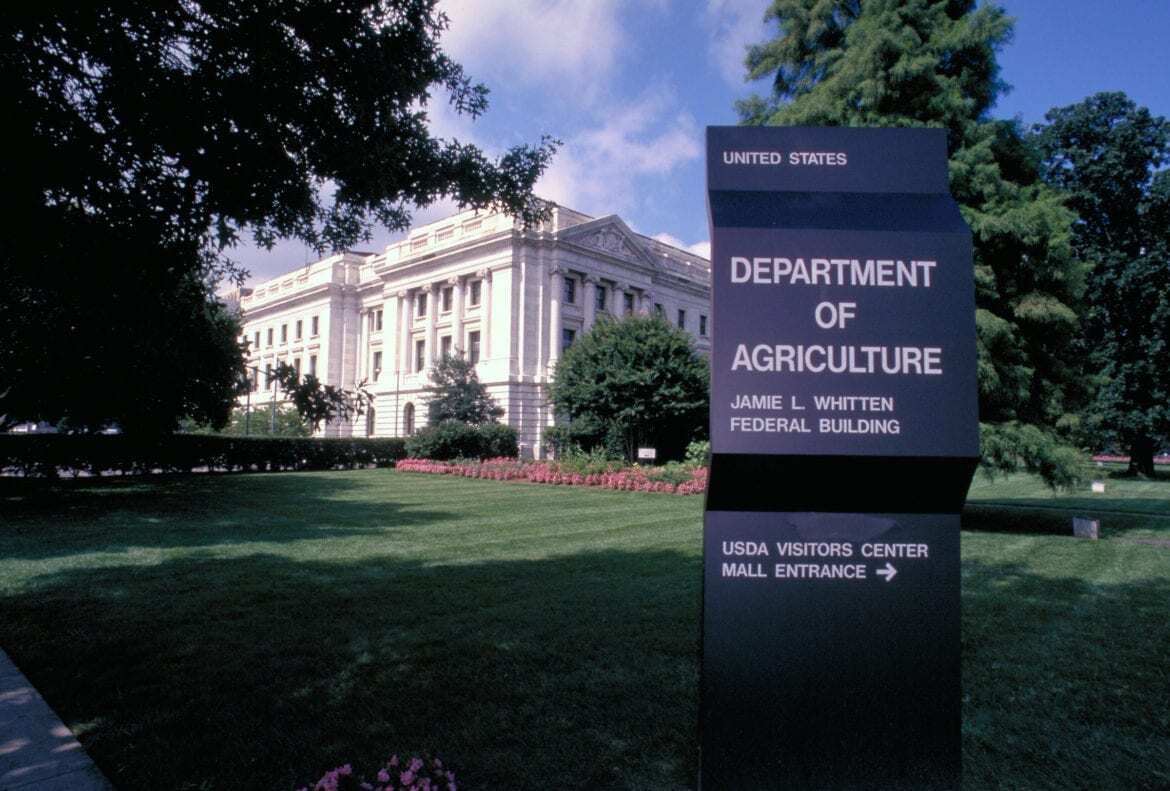
Rural Groups Push Against Proposed Cuts To USDA Spending
Farm and rural advocacy groups say cuts to the U.S. Department of Agriculture in President Donald Trump’s proposed budget would harm rural communities, at a time when many of them need an infusion of cash. In what’s being called a “skinny budget” because it sets an outline and contains scant details, Trump’s proposal calls for…
Study: Agriculture Sector Should Ramp Up Response To Climate Change
The agriculture sector needs to ramp up its response to climate change, especially in the Midwest, according to a new study published in the Proceedings of the National Academy of Sciences. Researchers at the University of Maryland used climate projections and historical trends in agricultural productivity to predict how changes in temperature and rainfall will…

Doctors Caught In Middle As Travel Ban Intersects With Rural Recruitment
Dr. Saeedeh Salmanzadeh became a U.S. citizen at a naturalization ceremony in October 2015. When the presiding official asked if any of the new citizens wanted to speak, she was one of the first to raise her hand. By then Salmanzadeh had spent 15 years in America, after leaving her home in Iran where she…
With Attorney Shortage, Rural Areas In Search Of Lawyers
Fewer young attorneys are choosing to set up shop in small towns and take over for retiring professionals. Just like the shortages of doctors, nurses, dentists, even farmers, many rural areas are seeing a shortage of young lawyers. “Ten counties in Nebraska have no lawyers at all,” says Lyle Koenig, an attorney from West Point,…
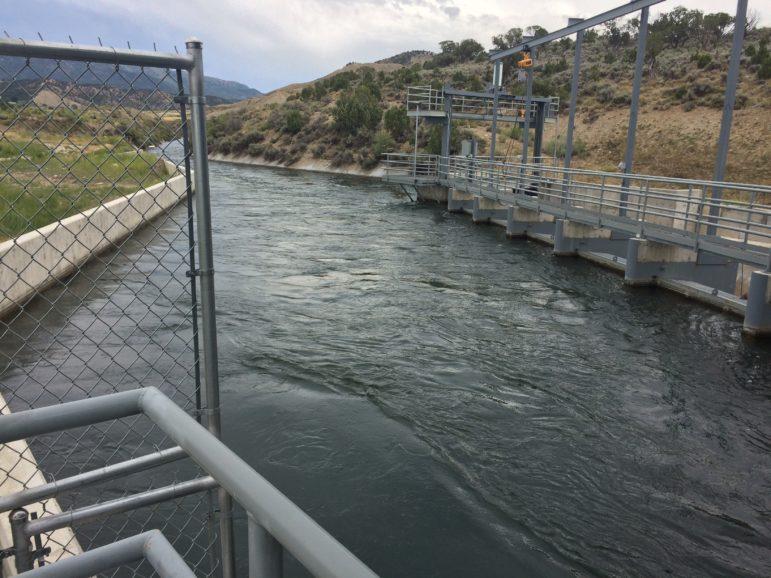
A Battle Over Bringing Local Renewables To Rural Electric Co-ops
In the 1930s, rural electric cooperatives brought electricity to the country’s most far-flung communities, transforming rural economies. In Western Colorado, one of these co-ops is again trying to spur economic development, partly by generating more of their electricity locally from renewable resources, like water in irrigation ditches and the sun. Local leaders say that’ll be…
Low Wheat Prices Could Hit Kansas Rural Economy Hard
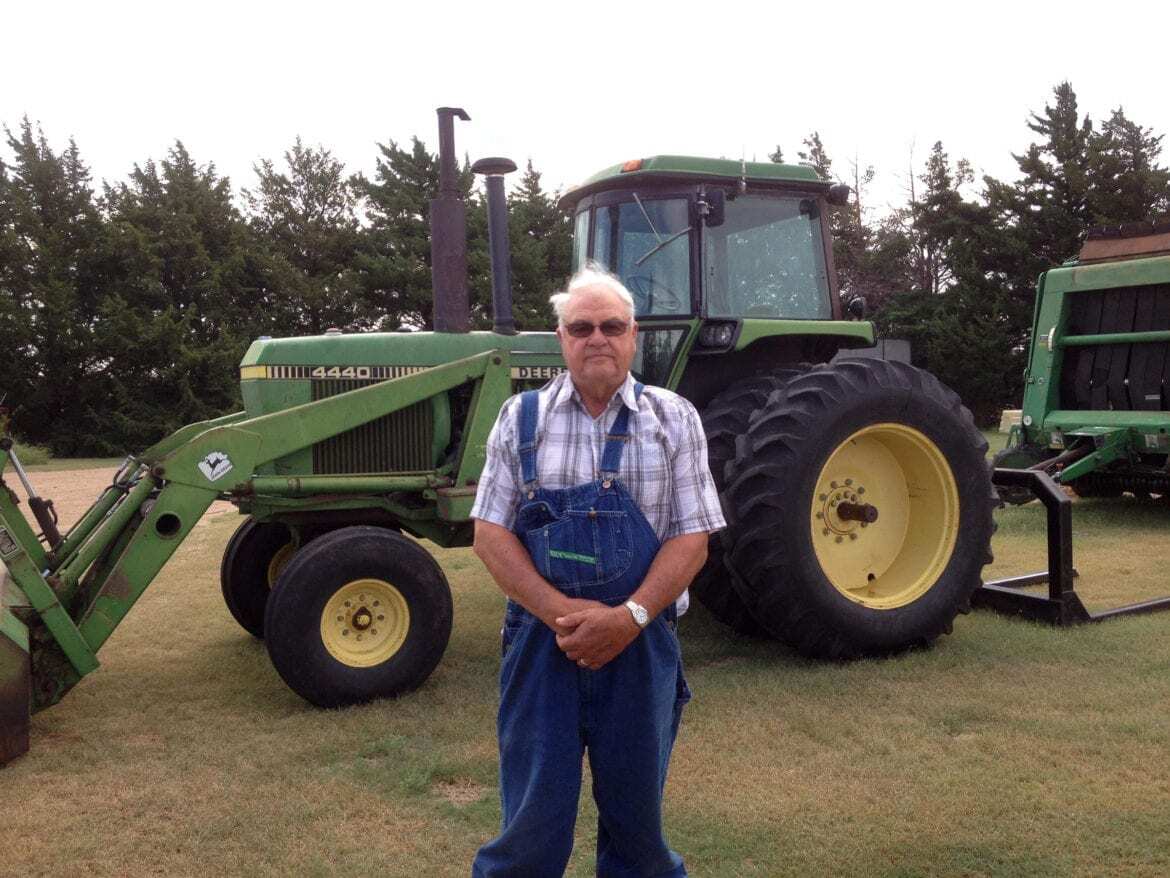
This year was a very good year for growing wheat, but that means it could be a very bad year for wheat farmers. There’s a glut on the global wheat market and prices for winter wheat – which is grown all up and down the Great Plains, from Texas to North Dakota– wheat prices this…

The Struggle for Security
In the small, rural city of Liberal, Kansas, a neighborhood of old trailer homes sits just off the main street. The small trailer at the end of the block, with faded yellow paint and creaky front steps, is the place 17-year-old Diego now calls home. Late at night, Diego sits on his bed, thumbing through…

A roundup of water issues facing Kansans — now and in the future
Editor’s note: Throughout this week, Flatland has published a series of stories from our partner, the Kansas Health Initiative, exploring how people access water, the economics of water and the challenges of drinking it. To find these stories, freelance journalist Sarah Green interviewed more than 50 Kansans in person, over the phone and by email over the course of seven months. For additional reporting and images in…
Plentiful access to water fuels prosperity in rural Republic County community
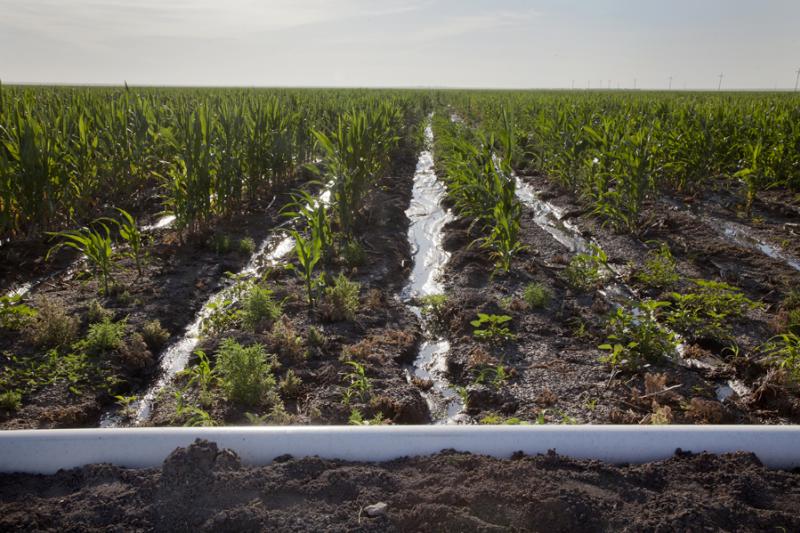
In mid-fall, trucks full of corn and soybeans rumble through the north-central Kansas town of Courtland on their way to the grain elevator at the south end of Main Street. While neighboring counties struggle to survive, the western half of Republic County, including Courtland, population 273, isn’t doing too bad. Technology and insurance companies support the…
Kansas Water Talk Slows to a Trickle
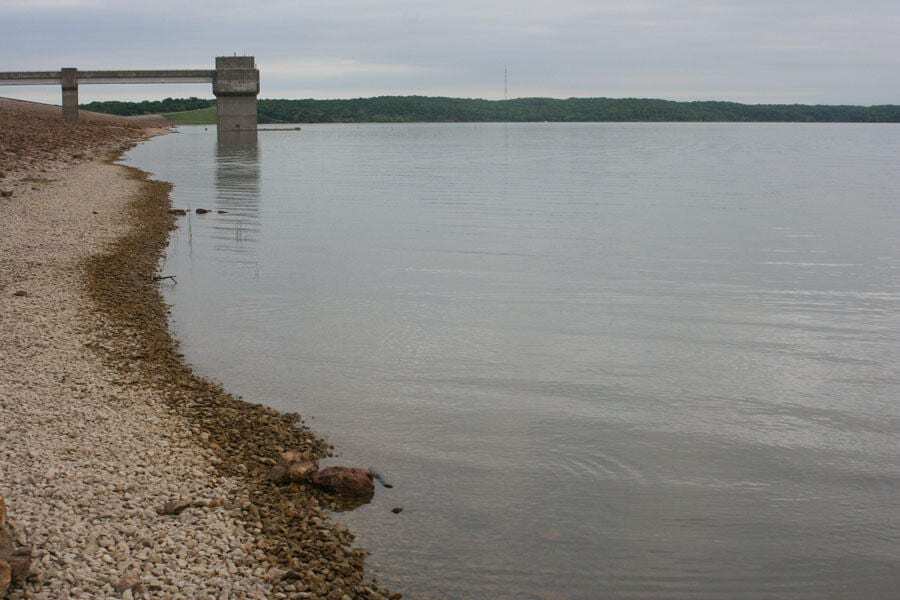
Securing Kansas’ water supply — once a hot topic of the legislative session — has faded into the background in Topeka amid pounding rains and a grinding budget crisis. Rep. Tom Sloan, a Republican from Lawrence, led weeks of hearings on water issuesearlier in the session as chairman of the House Vision 2020 Committee. But, sitting in his office between largely unproductive recent House floor sessions, Sloan said the concerns raised during those hearings largely have been forgotten.