
Getting By in KC
KCPT and the Hale Center for Journalism present “Getting By,” a series of stories and discussions examining the impact of inequality in Kansas City.
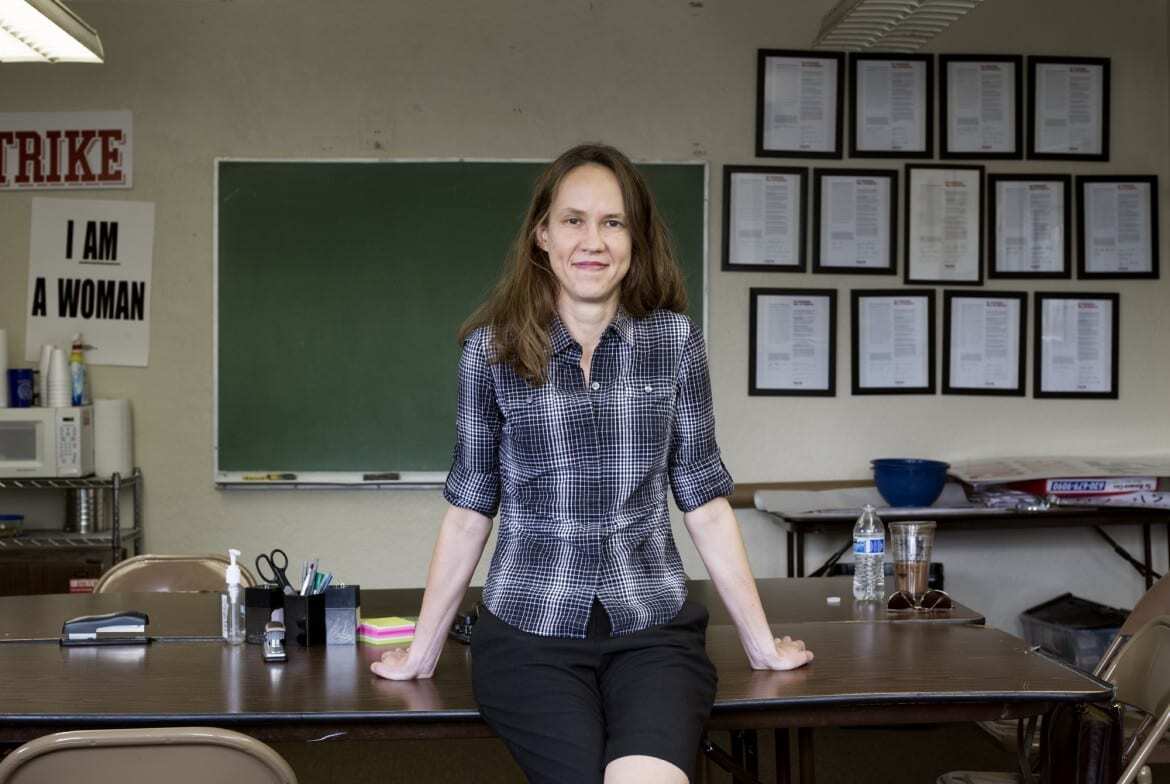
Us, getting by
As the debate over a better living wage for Kanas City residents continues to be an ongoing conversation, and with the KCMO city council addressing the issue in today’s council meeting, reporter Daniel Boothe and photographer Lara Shipley present portraits and voices from KC workers, as part of Flatland’s “Getting By” project exploring the impact of economic, educational and health disparities in KC.
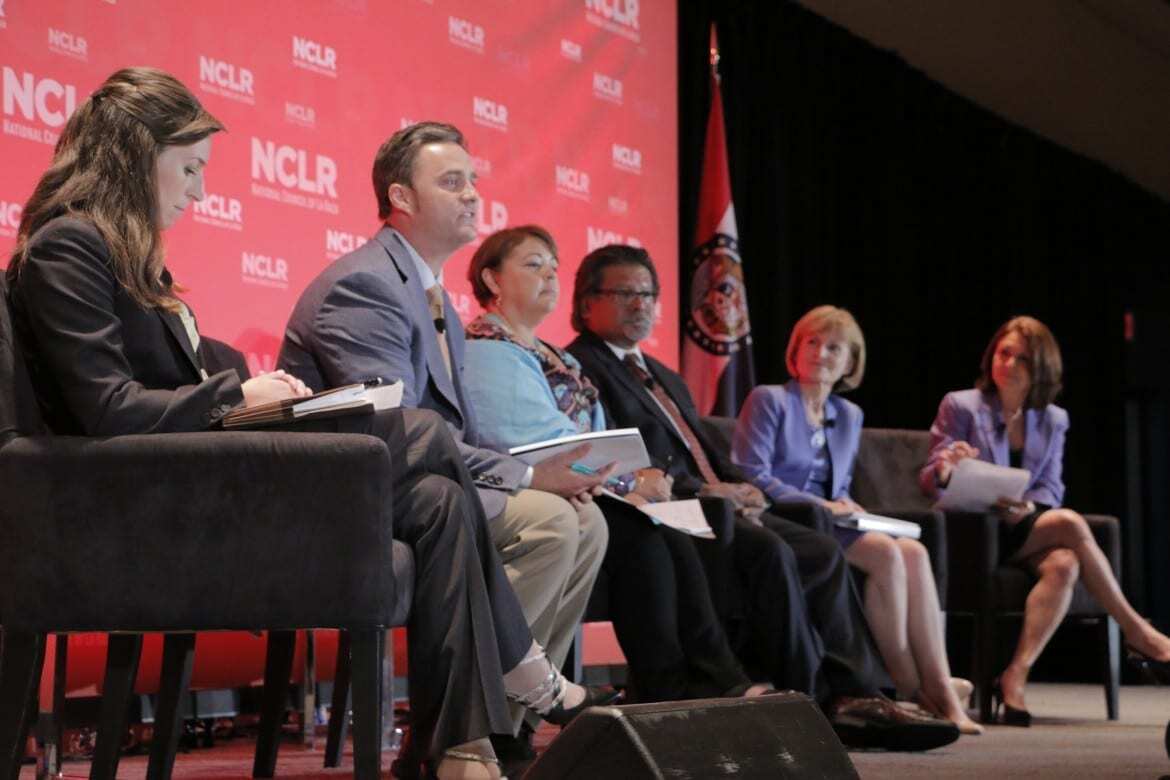
La Raza Panel: Zip Codes Key To Understanding Community Health
Something as simple as schoolyard gates can play a role in improving the health of low-income communities.
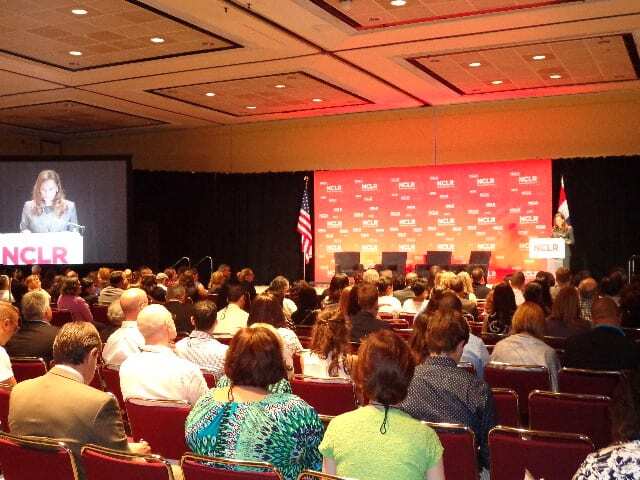
US Treasurer Rios calls for greater economic equality and opportunity
The poverty rate for Latinos is decreasing, but the continuing growth of income inequality is making economic advancement for Latinos difficult. That’s according to panelists speaking Sunday at the National Conference of La Raza (NCLR) in Kansas City. In a panel discussion titled “The Great Economic Divide, Why Inequality Matters,” the town hall meeting featured U.S. Treasurer Rosie Rios as keynote speaker.
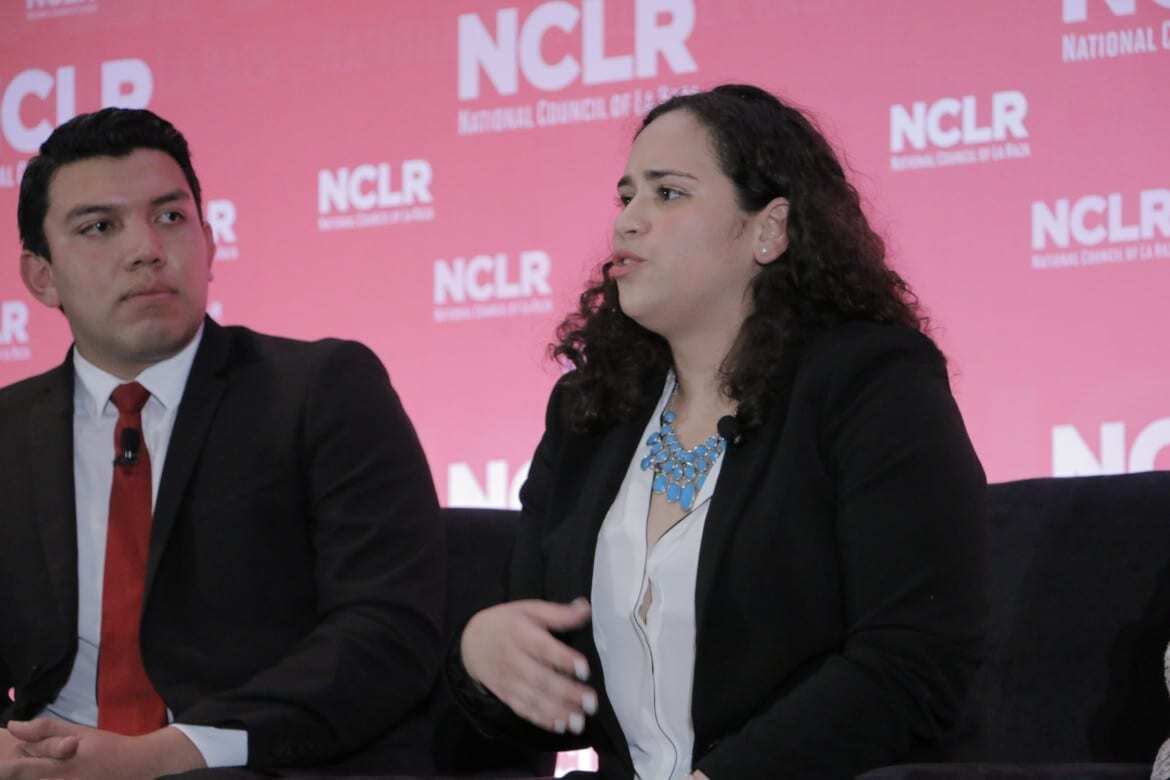
Young audience hears college advice at La Raza conference
Fernando Rojas and Emily Gonzalez are two young adults who know all about the trials and tribulations that Latinos face once they have overcome the first hurdle of getting into college, including navigating the financial aid system and overcoming parental anxieties.
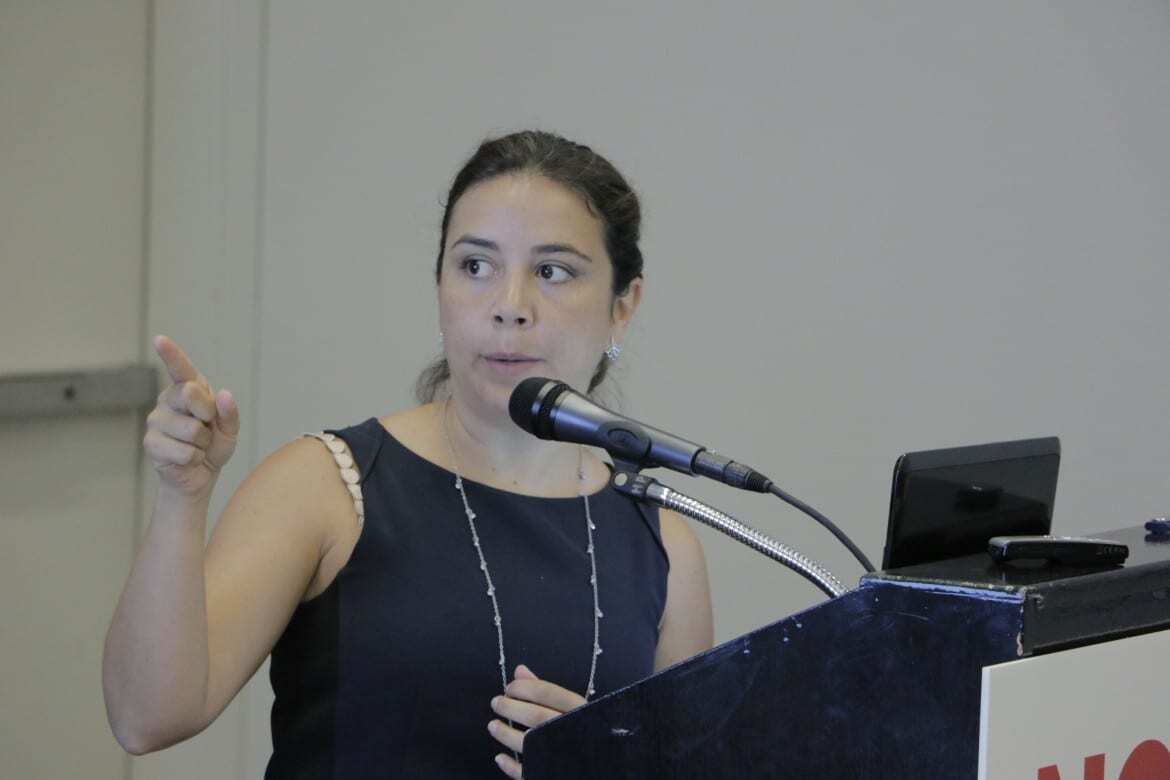
La Raza outlines strategies to expand Medicaid
Advocates for expanding Medicaid coverage to more low-income Americans must refine their strategies to win over lawmakers in states such as Missouri and Kansas, which have resisted efforts to loosen eligibility requirements.

Me, getting by
LaJua Manning is a single mom who is involved with Stand Up KC, a group that protests for higher pay for low wage workers. As a certified nursing assistant, LaJua works overnight to take care of bedridden patients. Yet, she still struggles to get by. Her $12 an hour salary keeps her constantly juggling expenses…
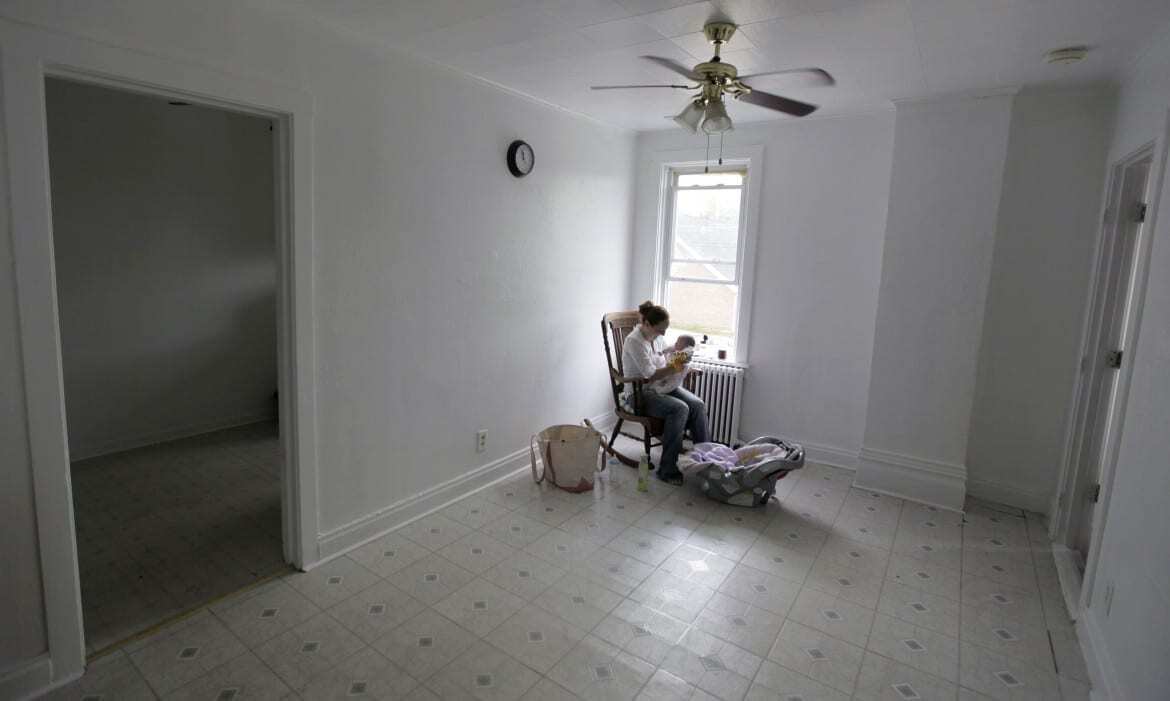
Low-wage workers and the child-care conundrum
On July 16, KCMO City Council members are expected to vote on the issue of whether or not to raise the city’s minimum wage, potentially up to $15 per hour by 2020. It’s a highly contentious issue with the business community threatening it would trigger layoffs, and fast-food workers and others rallying and fasting in support. One key issue that supporters say a raise in the minimum wage would would address is the high cost of child care for struggling families.
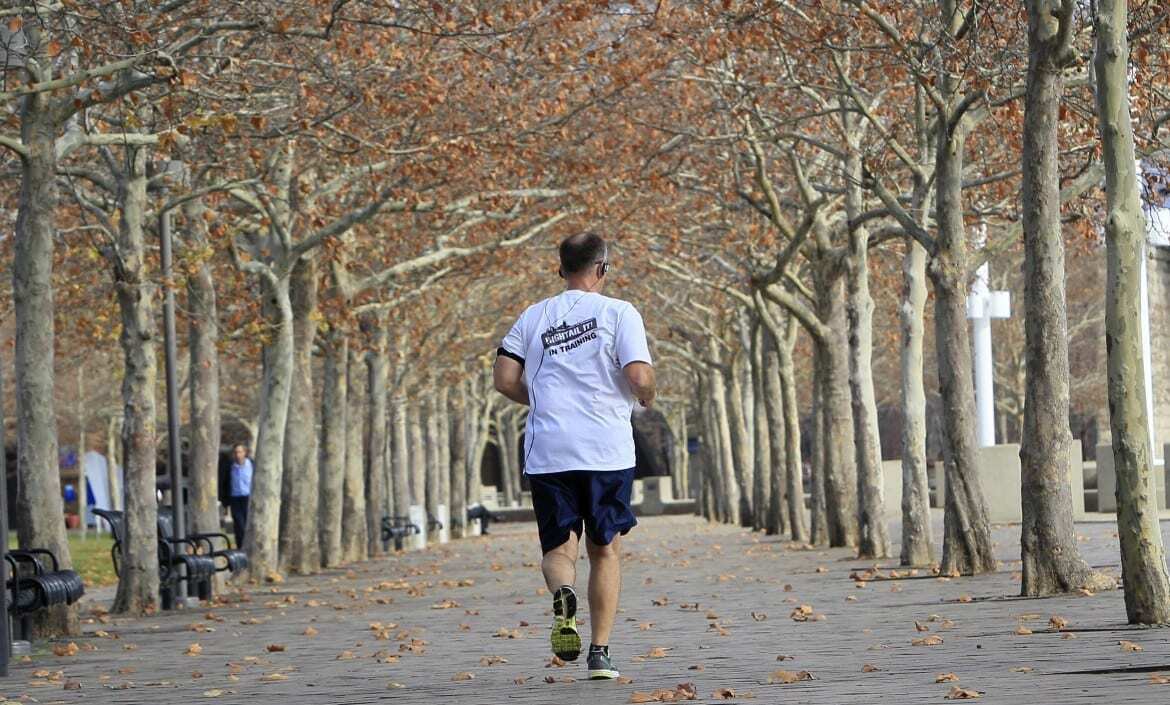
How your zip code affects your wellbeing
Place matters. Be it a street that divides the city or two neighboring counties, the place where one lives often strongly predicts income, educational opportunities and health outcomes. Income disparity is a geographic marker seen in this city and those across the nation. Mapping it out Click on the zip codes in this map, which…
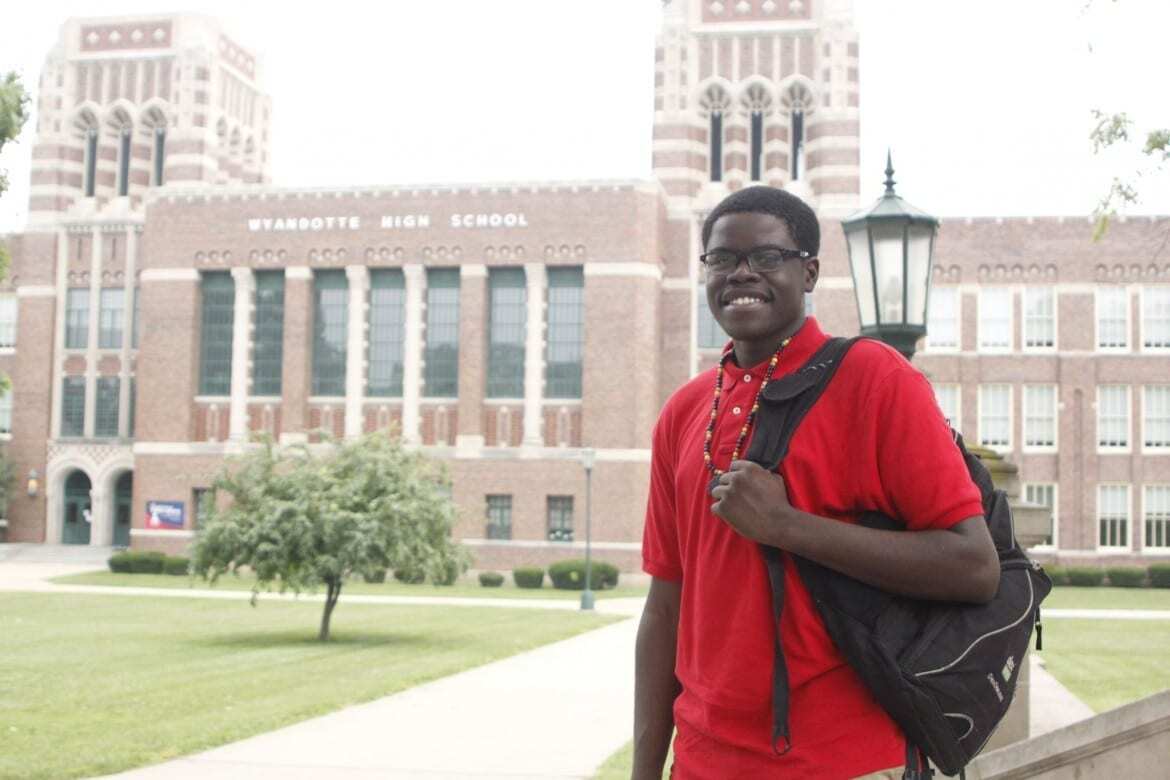
Mastering the uphill climb to college
Donte Walters thought he had cruise control set for his senior year at Wyandotte High School. He had earned A’s throughout high school, ranked in the top three of his class, participated in sports, and was accepted into the University of Kansas. But in spite of all this, his principal says she panicked during last year’s…
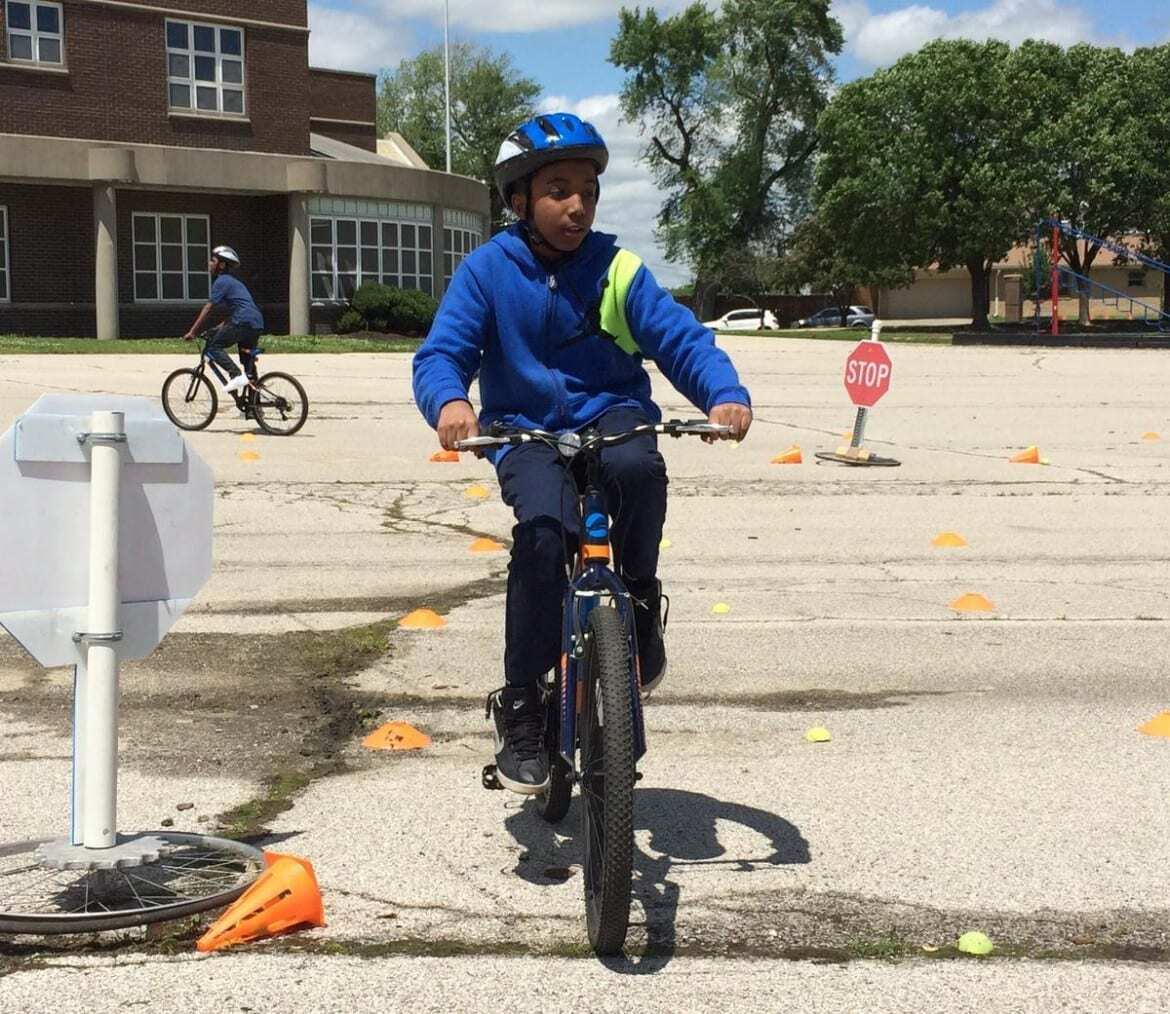
A program that aims to get KC kids on their bikes
On a warm afternoon at Garfield Elementary school in northeast Kansas City, a class of grade schoolers charges out into the schoolyard to spend an hour riding bikes. They’re getting training from members of the nonprofit group BikeWalkKC. The program was created three years ago to teach bicycle safety skills. But BikeWalkKC’s education program manager, Maggie Priesmeyer, says she and her fellow instructors found they would often be teaching children to ride for the first time.
- « Previous
- 1
- 2
- 3
- Next »