
Agriculture
Giving Away the (Wind) Farm
Mark Buck can see some of the 314 turbines in Kansas’ largest wind farm from his office window in Medicine Lodge, where he is superintendent of the Barber County North School District. The nearly $1 billion Flat Ridge project, built in two phases and owned in part by British Petroleum, spans 70,000 acres near the…
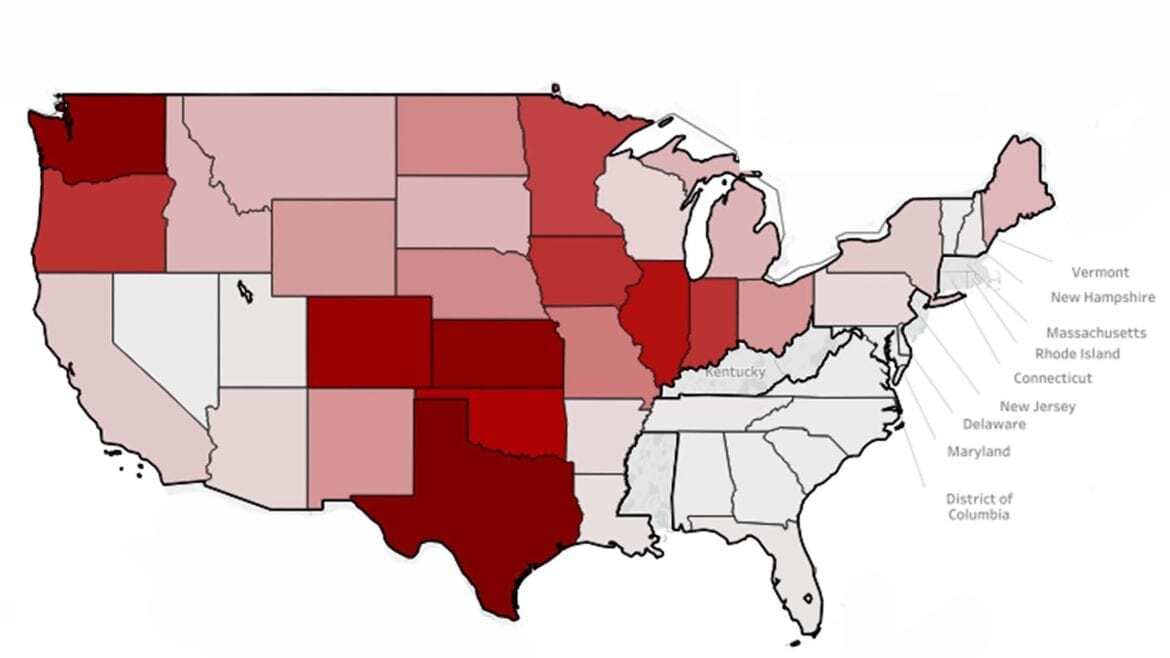
Federal Tax Credits Drive Foreign Wind Investment
Investment in U.S. wind energy production has increased tenfold over the past decade with the help of billions of dollars in federal tax help, with foreign companies making up much of the increase. Indeed, six foreign-owned wind energy companies have received at least $4.8 billion in federal tax credits between 2000 and 2015, according to…
Corn Belt Farmers Wary As Leadership In Washington Shifts
As President Donald Trump’s nominee for Secretary of Agriculture, former Georgia Gov. Sonny Perdue, goes in front of the Senate, it bucks a recent trend of Midwest leadership at the U.S. Department of Agriculture. And it is making many in the farm country of the Midwest and Great Plans a little leery. Coupled with the…
Some Kansas Farmers May Turn To Local Produce In Search Of Profit
Low crop prices have many Midwest wheat and corn farmers looking for ways to supplement their incomes. One possibility for conventional farmers: producing food for farmers markets. “Food is a multi-billion-dollar economy in Kansas,” says Missty Lechner of the American Heart Association, who works with local governments to encourage the development of local food systems….

Agriculture Secretary Lone Trump Cabinet Post Without A Nominee
And then there was Agriculture. Agriculture Secretary is the only post in President-elect Donald Trump’s Cabinet without a nominee, mystifying many in rural America and spurring worries that agriculture and rural issues will land near the end of the line among the new president’s priorities. USDA Secretary Tom Vilsack, who served for all 8 years…
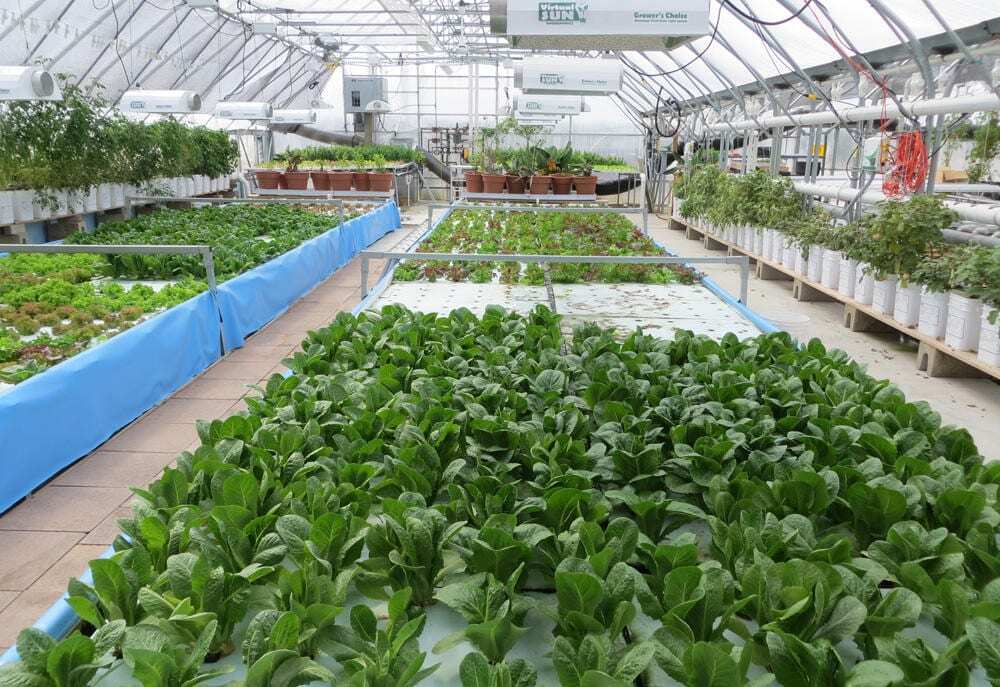
Should Organic Food Be Grown In Soil?
There is a battle going on in the organic industry over hydroponics, the technique of growing plants without soil. The debate gets at the very heart of what it means to be “organic” and may change the organic food available to grocery store shoppers. To be labeled as organic, fruits and vegetables are required to…
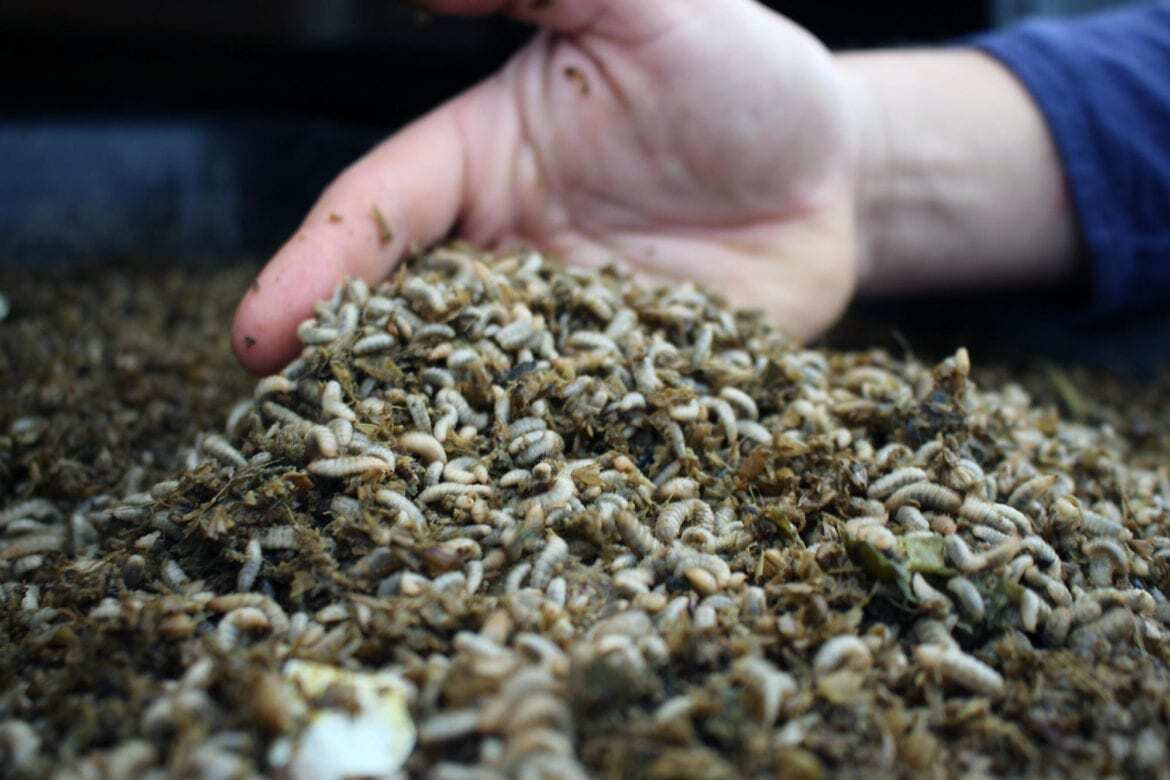
Colorado Startup Tries Cutting Food Waste With Garbage-Munching Bugs
Americans waste a staggering amount of food. Instead of letting it rot and wreck the environment, some entrepreneurs want to put it to work feeding insects, and see the potential to revolutionize how we feed some of the livestock that provide us our meat. Phil Taylor’s enthusiasm for insects is infectious. The University of Colorado…
5 Ways Drones Bring Food to Your Table
Unmanned machines may improve agricultural practices as the use of drones continues to evolve from hobby to military use and now to agriculture. Farmers have begun to use drones to inspect crops, detect diseases, and deliver chemicals. This technology is expected to increase crop yields and save growers time and money. The Association for Unmanned Vehicle…
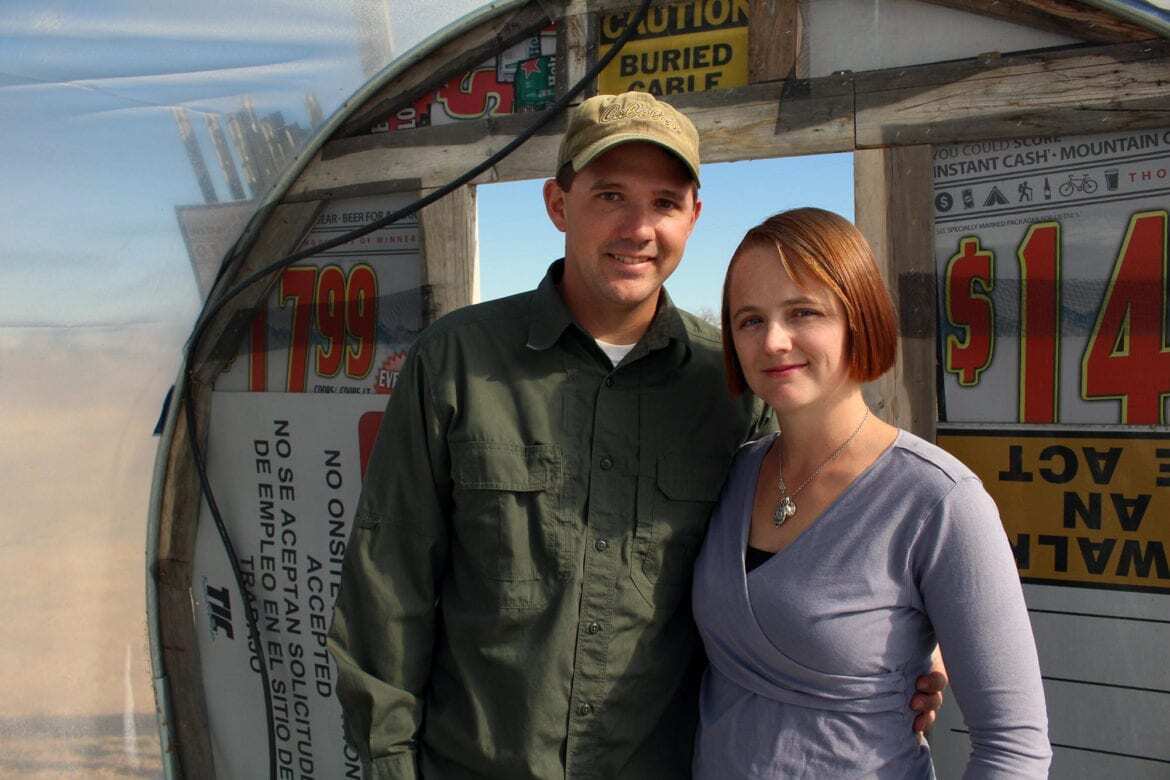
These Colorado Veterans Are Finding Peace On The Farm
Ben and Leticia Ward’s farm in Fountain, Colorado, just outside Colorado Springs, doesn’t look like an army base. But it’s not hard to uncover whiffs of military influence at Little Roman Farm. A stack of sturdy fiberglass bins next to a greenhouse seem benign, ready to be put to use as brooding bins for chickens…
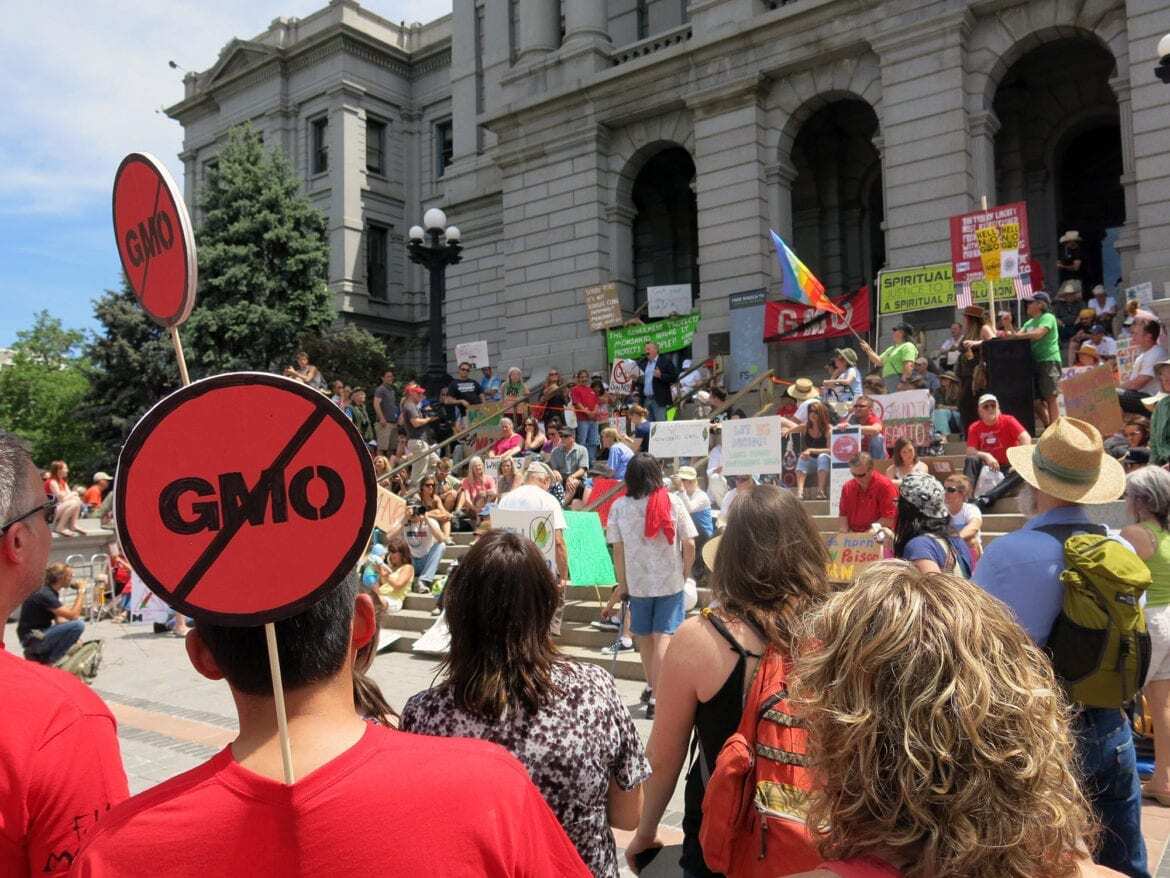
Why You Should Care About ‘Big Ag’ Companies Getting Bigger
Five of the six biggest companies that produce and sell seeds and chemicals to the world’s farmers are pursuing deals that could leave a market dominated by just three giant, global companies. They say getting bigger means bringing more sophisticated and innovative solutions to farmers faster, but opponents say consolidation has irreversible downsides. Dow and…