
Agriculture
Without immigration fix, dairies struggle
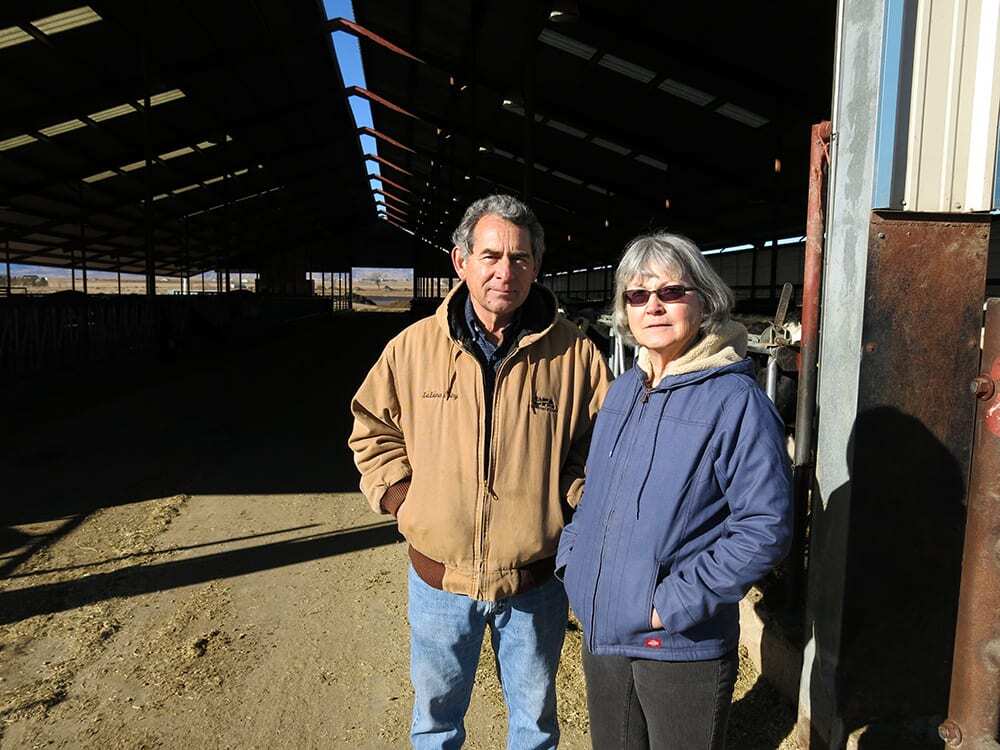
America’s dairies rely on immigrant labor to milk cows and care for the herd. Many owners of the country’s largest dairies say that they’re unable to find employees. A comprehensive fix to the immigration system seems like a longshot in the new Congress, leaving some dairies struggling to keep up.
Is the local-food movement growing up?
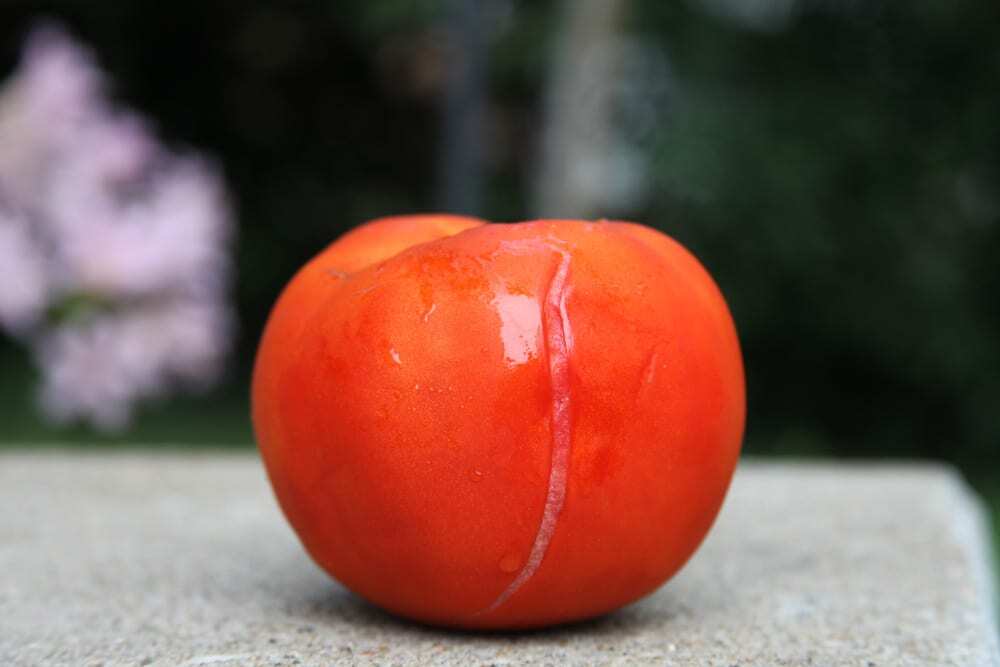
After more than a decade of explosive growth in the local food economy, the most visible portion of food sales within that sector has seen a slowdown. A new report from the U.S. Department ofAgriculture shows the growth of sales of local food at farmers markets, farm stands and through CSA models has lost momentum. Even the rate of growth in the number of farmers markets nationwide has slowed in recent years, rising just 1.5 percent from 2013 to 2014, after several years of rapid growth. But that’s not necessarily bad news for farmers. In fact, it could mean the entire local food movement is growing up.
How ‘organic’ are organic fish?
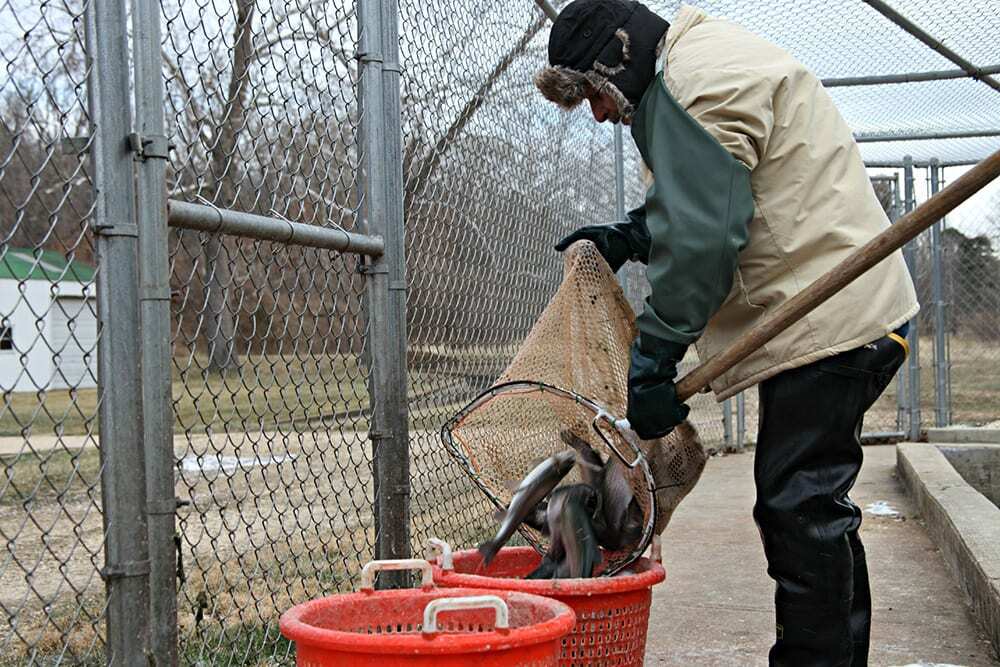
When it comes to organic certification, there are strict guidelines for food producers to follow. For an organic steak, the cow it came from has to be raised on organic feed and the feed mix can’t be produced with pesticides, chemical fertilizers or genetic engineering. Now, the U.S. Department of Agriculture in considering a set of rules for organic farmed fish. Several consumer groups, though, say the recommended rules don’t go far enough to meet the strict standards of other organic foods.
President Obama proposes boost in funding to fight superbugs
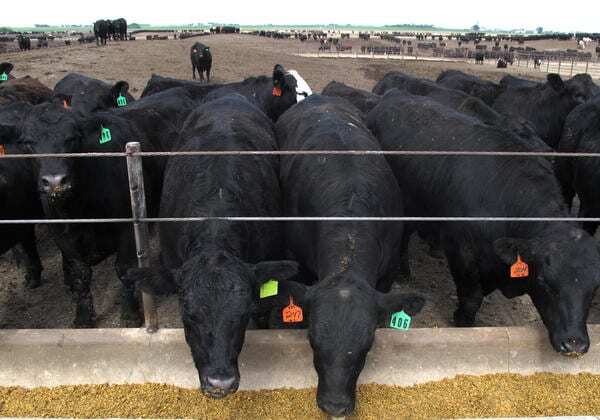
In the budget President Obama is sending to Congress he’s asking for more than $1 billion to combat antibiotic resistance, and some of that money would focus on animal agriculture. Antibiotic resistance can make common medications ineffective, meaning sick people don’t get better and doctors have fewer options to treat bacterial infections.
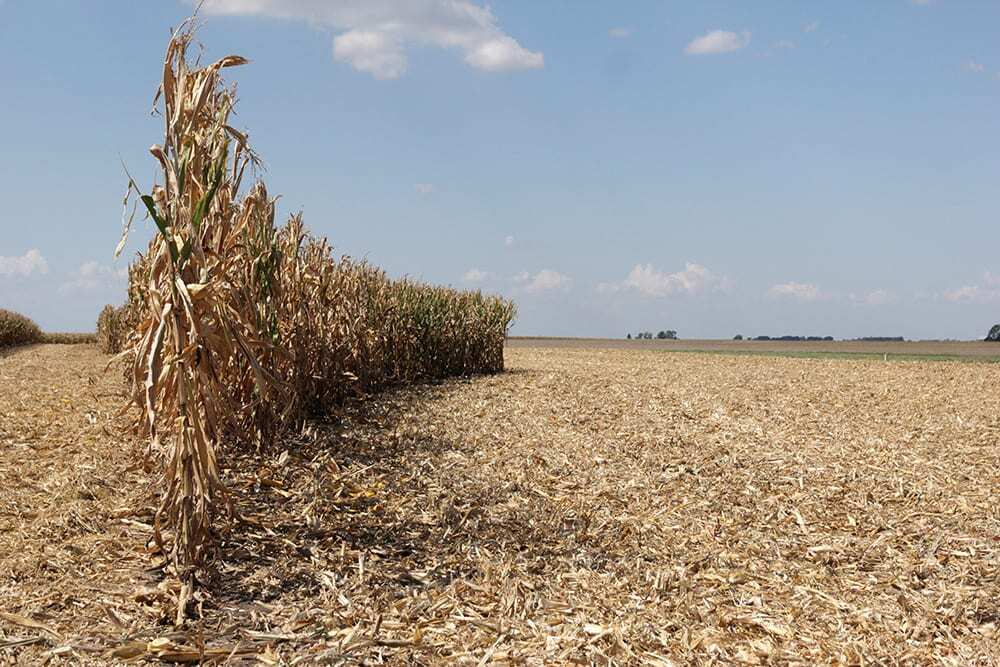
A deep breath – created by the Corn Belt?
Scientists have noticed a change in the atmosphere. Plants are taking in more carbon dioxide during the growing season and giving off more carbon in the fall and winter. Recent research shows the massive corn crop in the Corn Belt may be contributing to that deeper breath.
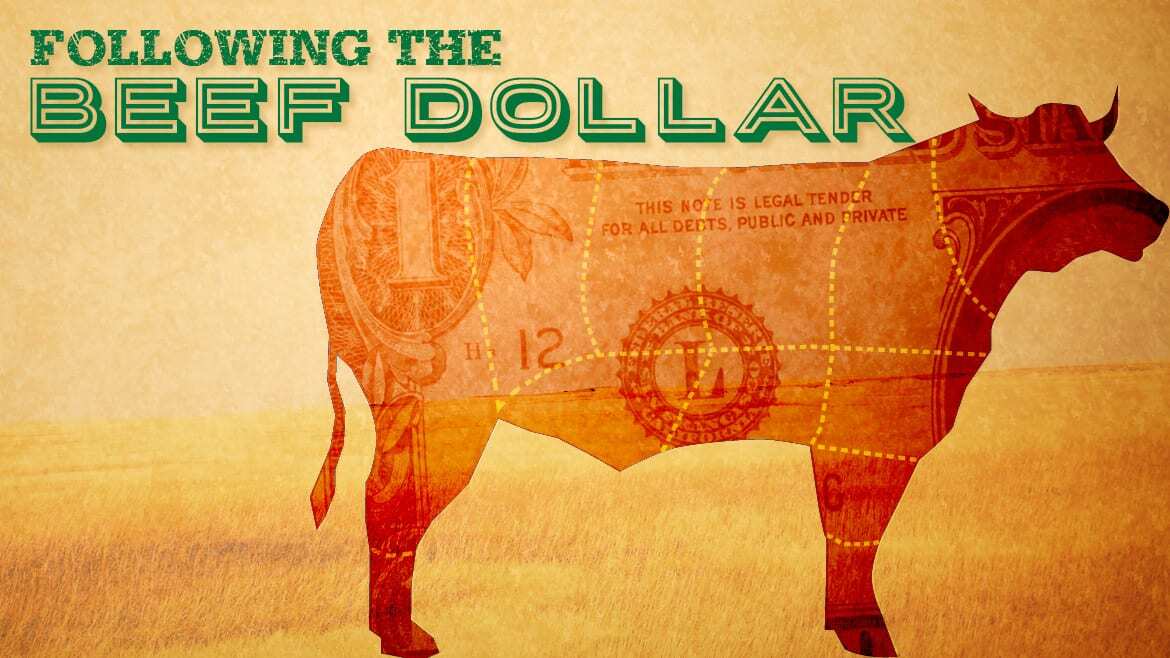
Following the Beef Dollar
On Sunday, KCPT’s Flatland, along with the Kansas City Star, published this Harvest Public Media story and video about the “checkoff cowboys” – ranchers and independent farmers who have a problem with the federal “beef checkoff” program that mandates that ranchers pay $1 for every head of cattle sold. Peggy Lowe and Mike McGraw reported…
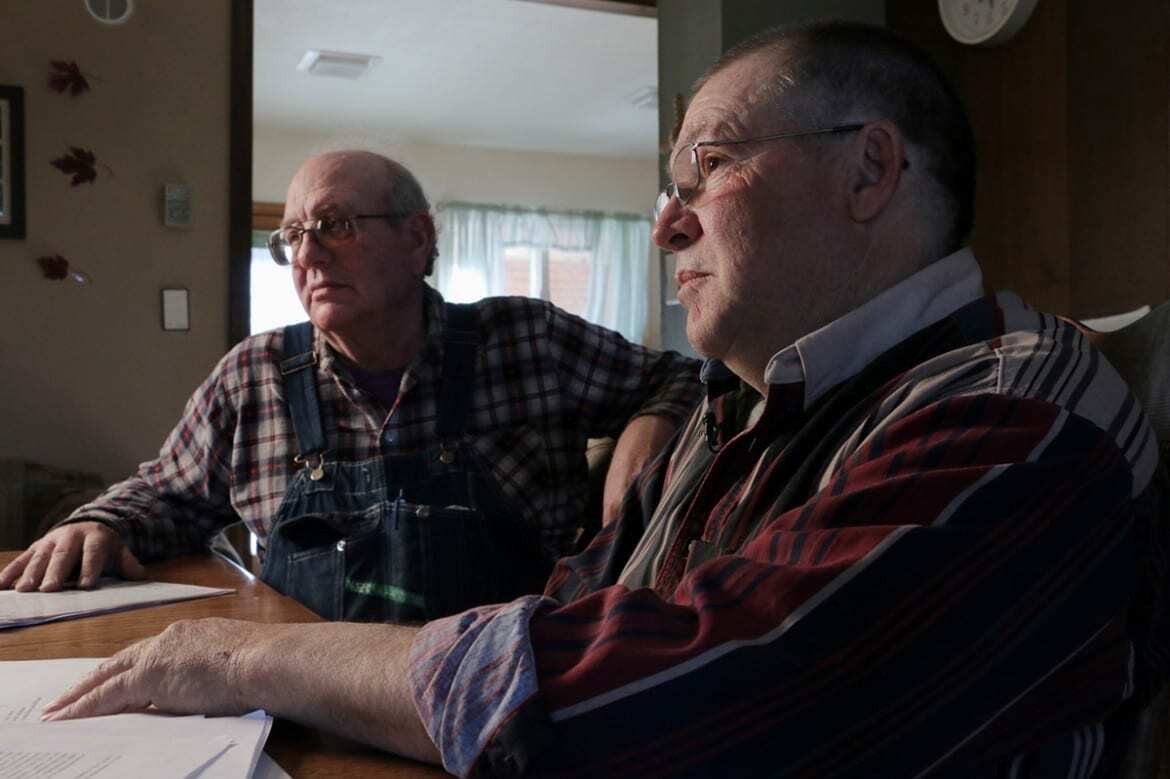
A beef over politics
NEMAHA COUNTY, Kan. – From their small farms set in the rolling hills of northeast Kansas, two ranchers are raising a few cattle, and a lot of Cain. David Pfrang and Jim Dobbins turned themselves into activists, launched a shadow corporation, got hauled into federal court and had to hire a lawyer. All over $1….
Food fights, FLOTUS and GMOs: The top food and field stories from 2014
Harvest Public Media was created four years ago to report on agriculture and food production in the geographic area where the majority of that takes place – the Midwest. This year, my third of counting the top ag stories of the year, I find that the issues taking center stage were set not here, but in the politics, policies and processes of Washington D.C., state legislatures or the ballot box.
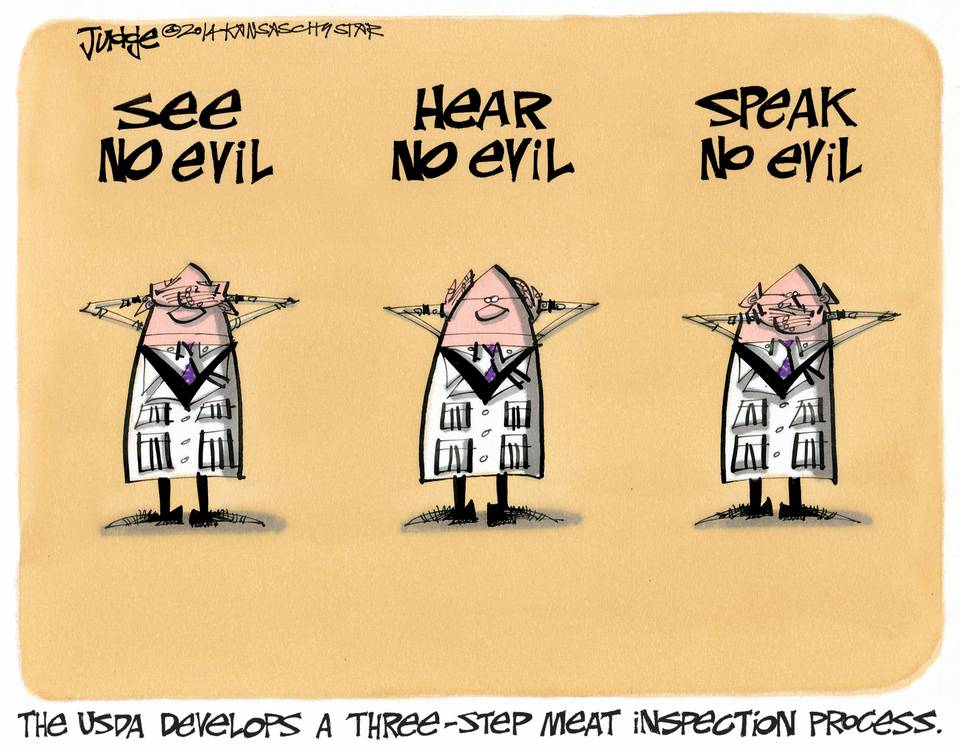
‘Chicken rule’ reaction
A Sept. 6 investigation of the USDA’s meat inspection division by the Hale Center for Journalism prompted a record number of hits on the station’s website, a political cartoon and editorial in The Kansas City Star and numerous comments and tweets. [View the story “Commentary on meat inspection story from the Hale Center for Journalism” on…
- « Previous
- 1
- …
- 11
- 12
- 13