
Agriculture
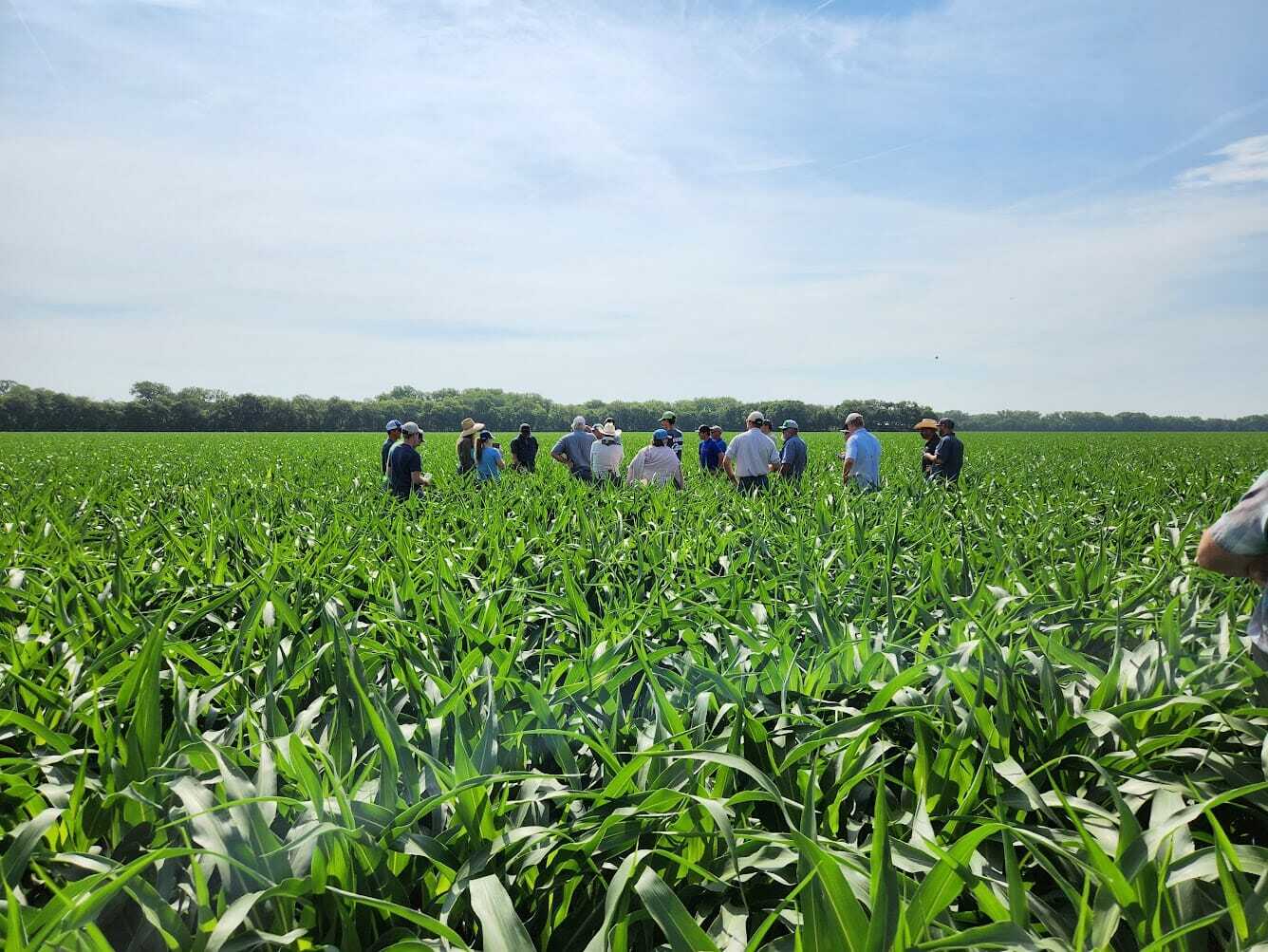
Making Connections for the Future of Farming
Farmer to farmer connections are vital for young producers seeking a future in agriculture. LandLink programs and farming networks help.
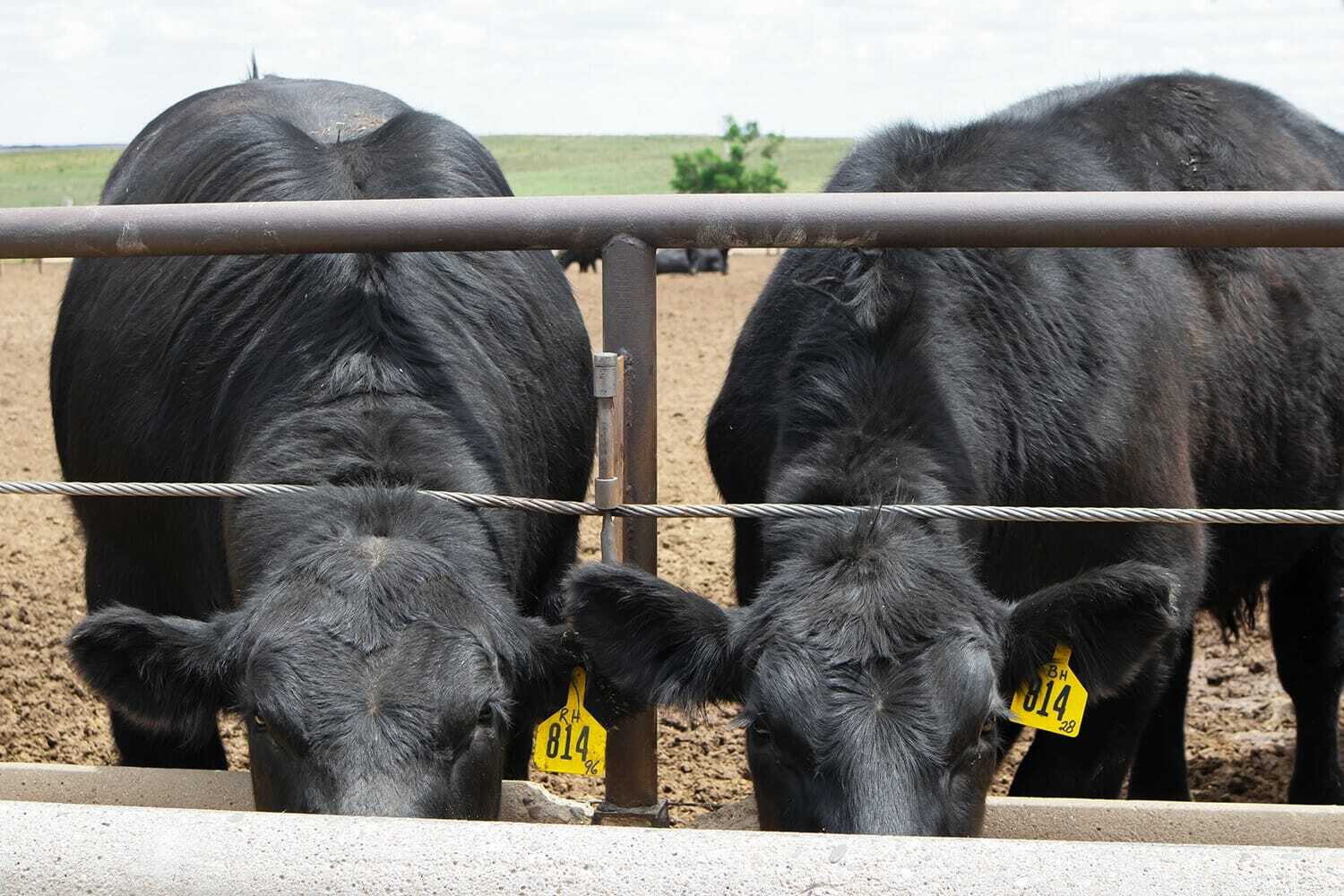
Who Regulates the Food We Eat?
There’s a fight brewing over who will regulate U.S. food — and who picks up the tab. Here’s what Kansas and Missouri producers think about the EATS Act.
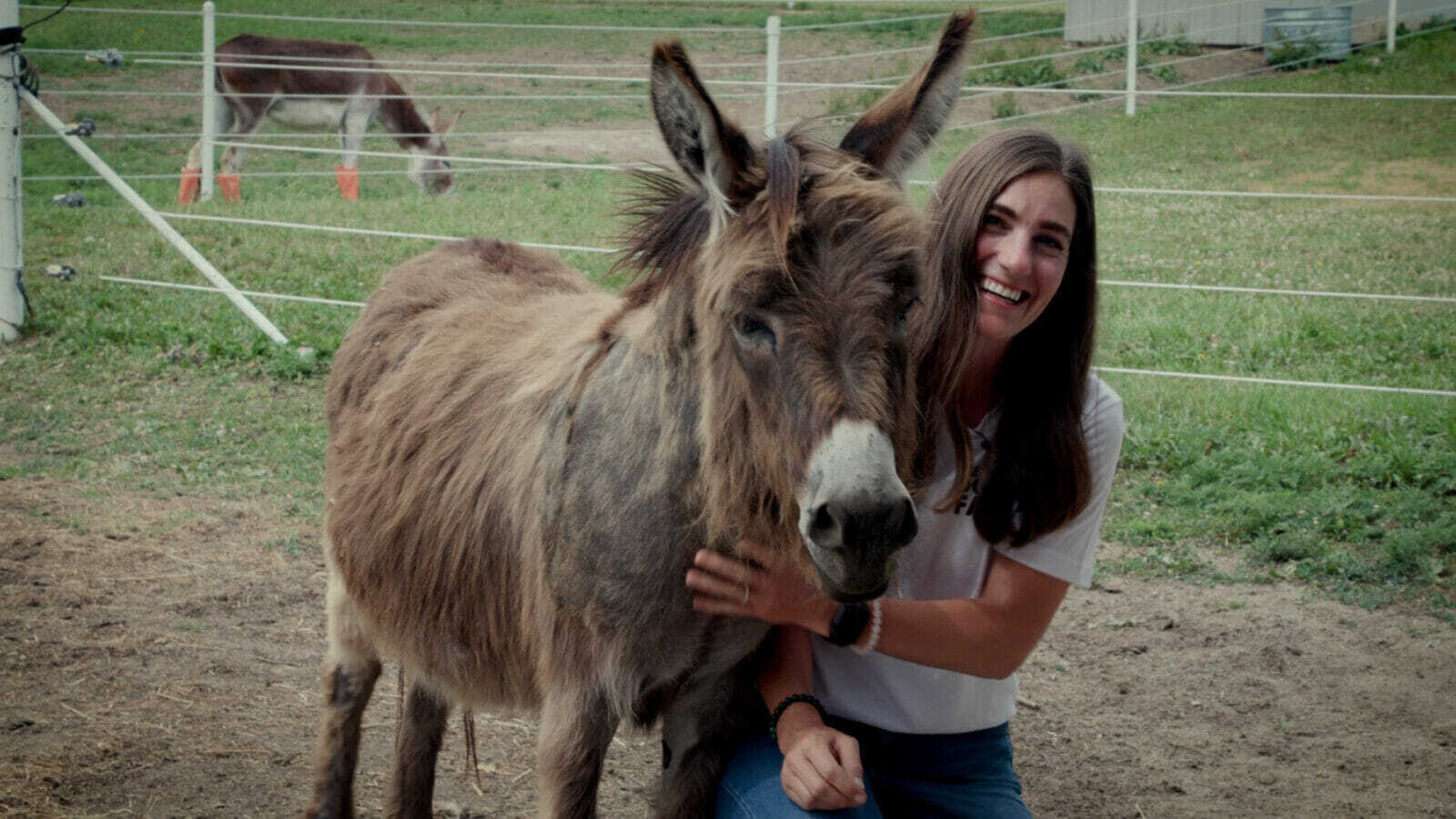
Drink Green Juice, Save a Donkey
Zen Donkey Farms is an organic juice company in the Kansas City area that uses proceeds to support a donkey rescue and animal-assisted therapy nonprofit.
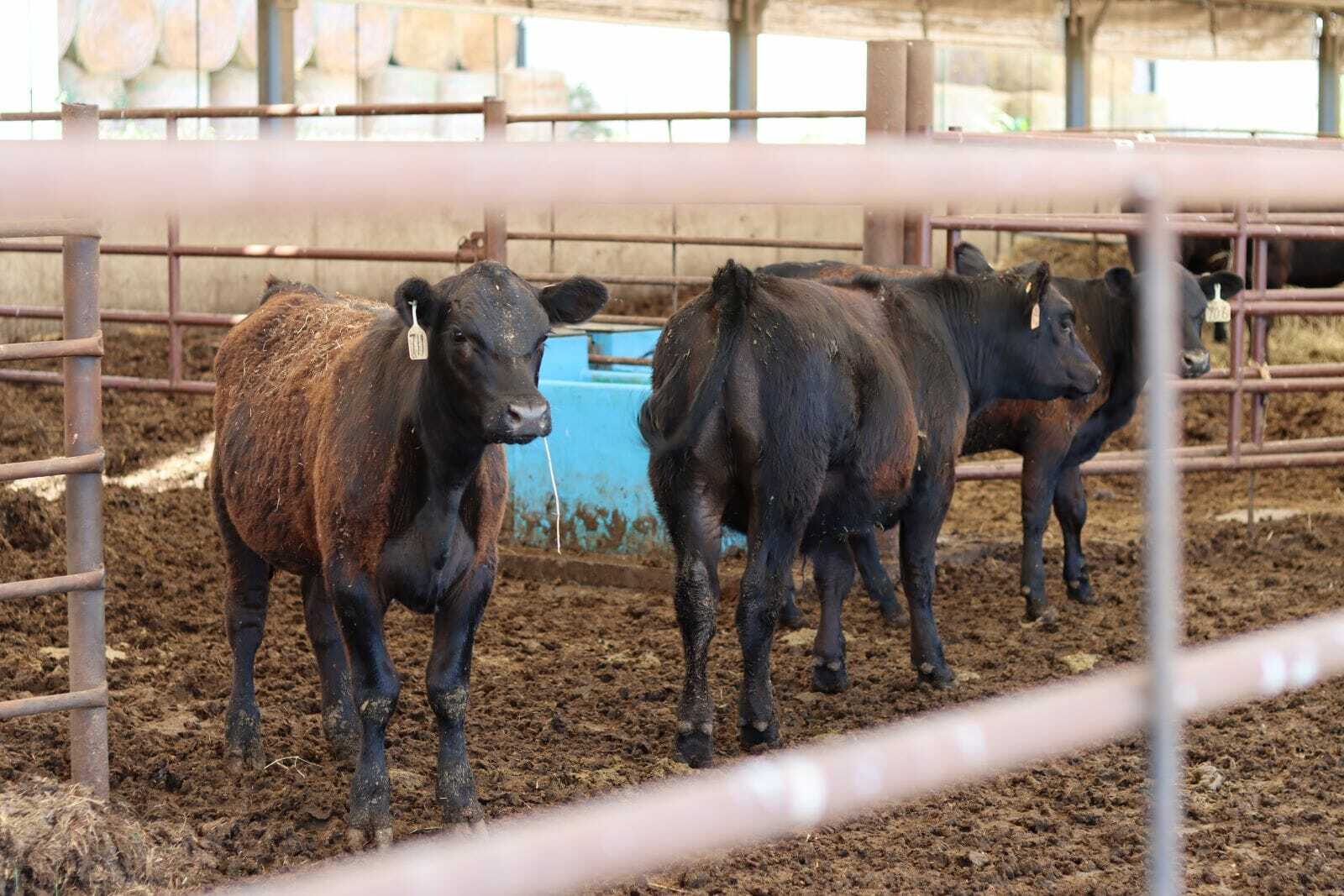
Missouri Cattle Producers Slash Herds Amid Worsening Drought
The worsening drought in Missouri is forcing livestock producers to sell off their cattle herds, decisions that will be felt at the supermarket cash register.
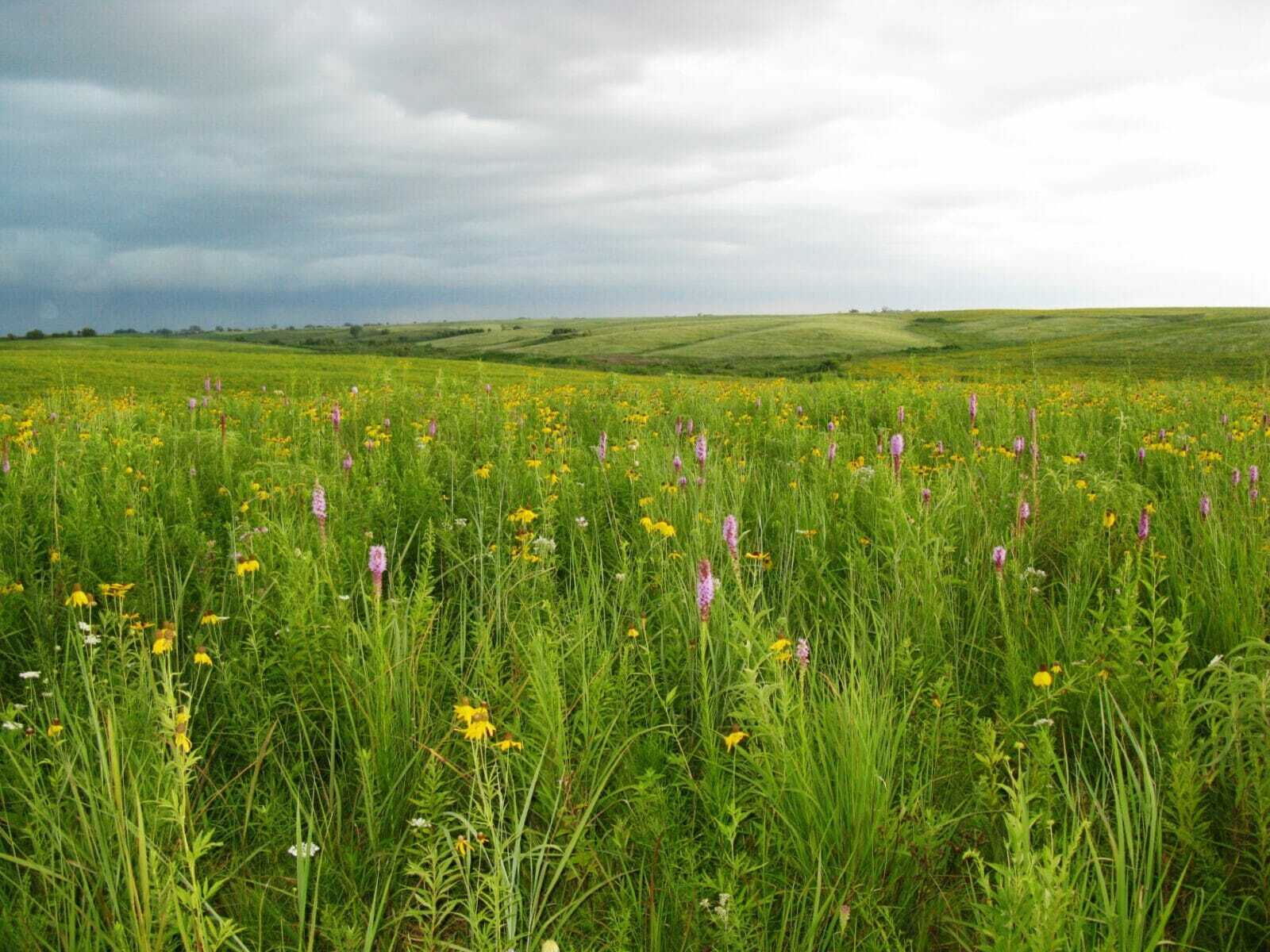
Missouri Farmers Embrace Practices to Protect Waterways
Missouri farmers are implementing sustainable practices that protect waterways and improve the sustainability of their operations.
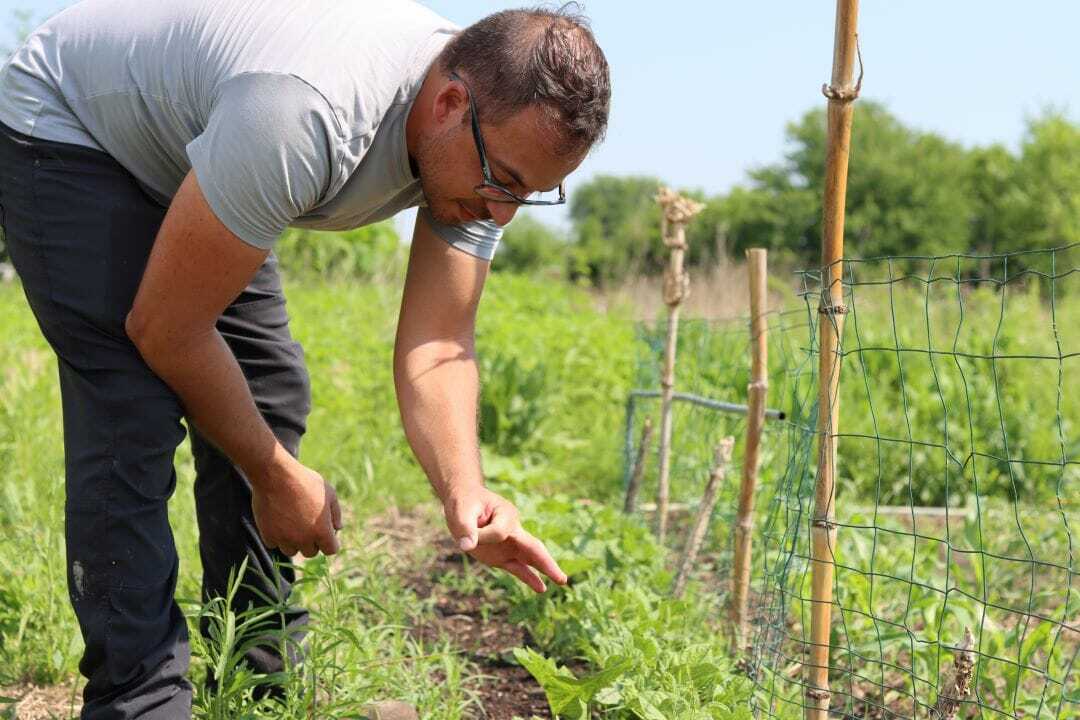
A Lawrence Farmer’s Innovative Approach to Food Security
LAWRENCE, Kansas — Pantaleon Florez III looks at food security as an issue to be solved. He asks those working in local food systems (and himself) what they would do if their community didn’t have a hunger issue. “That’s my new narrative: ‘What would you do if you didn’t have to do this work?’”…
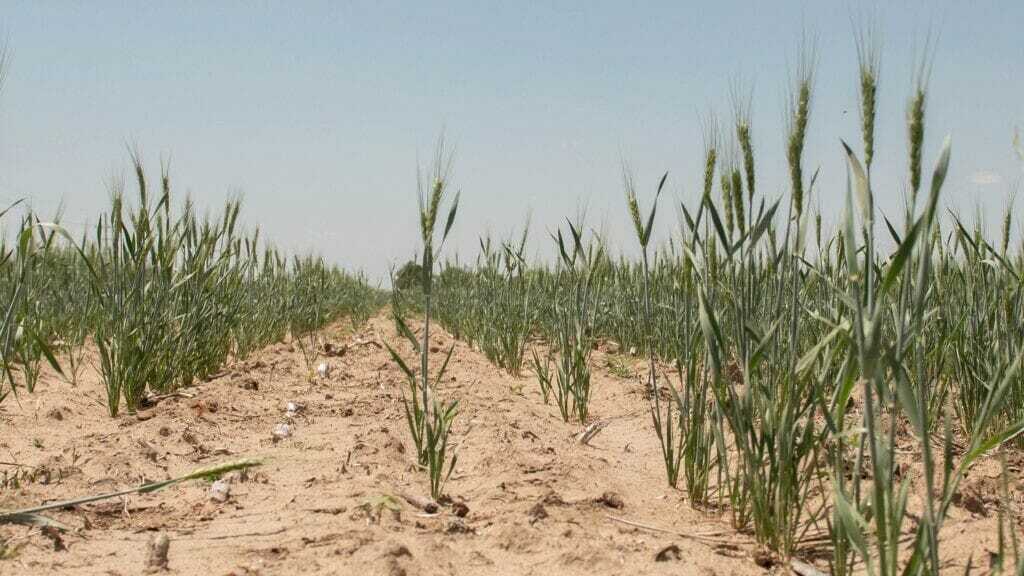
With Weeks Until Winter Wheat Harvest, Drought Plagues Kansas
While the drought has eased in much of the United States, it has gotten worse in Kansas, which expects the winter wheat harvest to decline 20%.
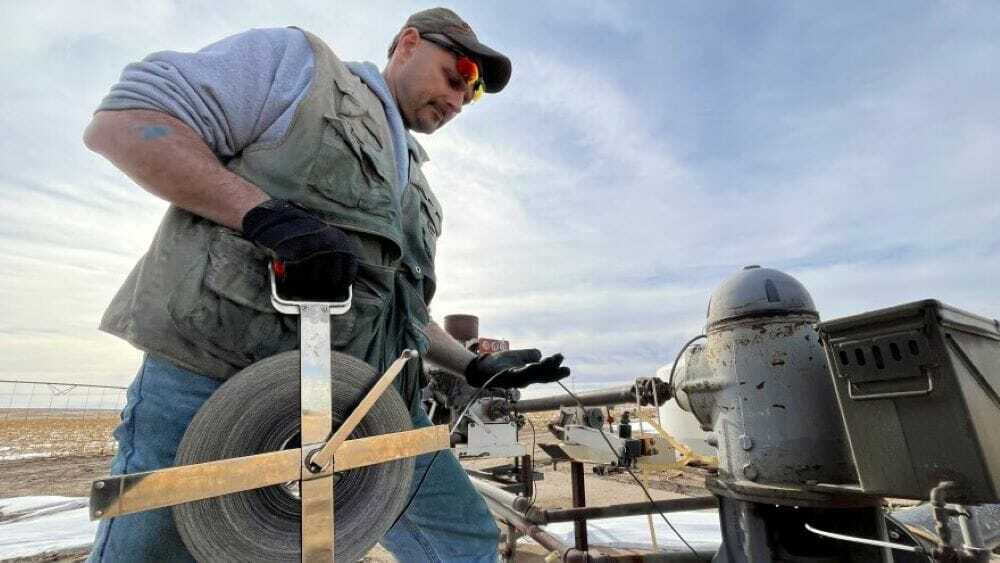
With the Ogallala Aquifer Drying Up, Kansas Ponders Limits to Irrigation
Water levels in the Ogallala Aquifer continue to plummet. But after decades of inaction, Kansas’ approach to water conservation might be shifting.
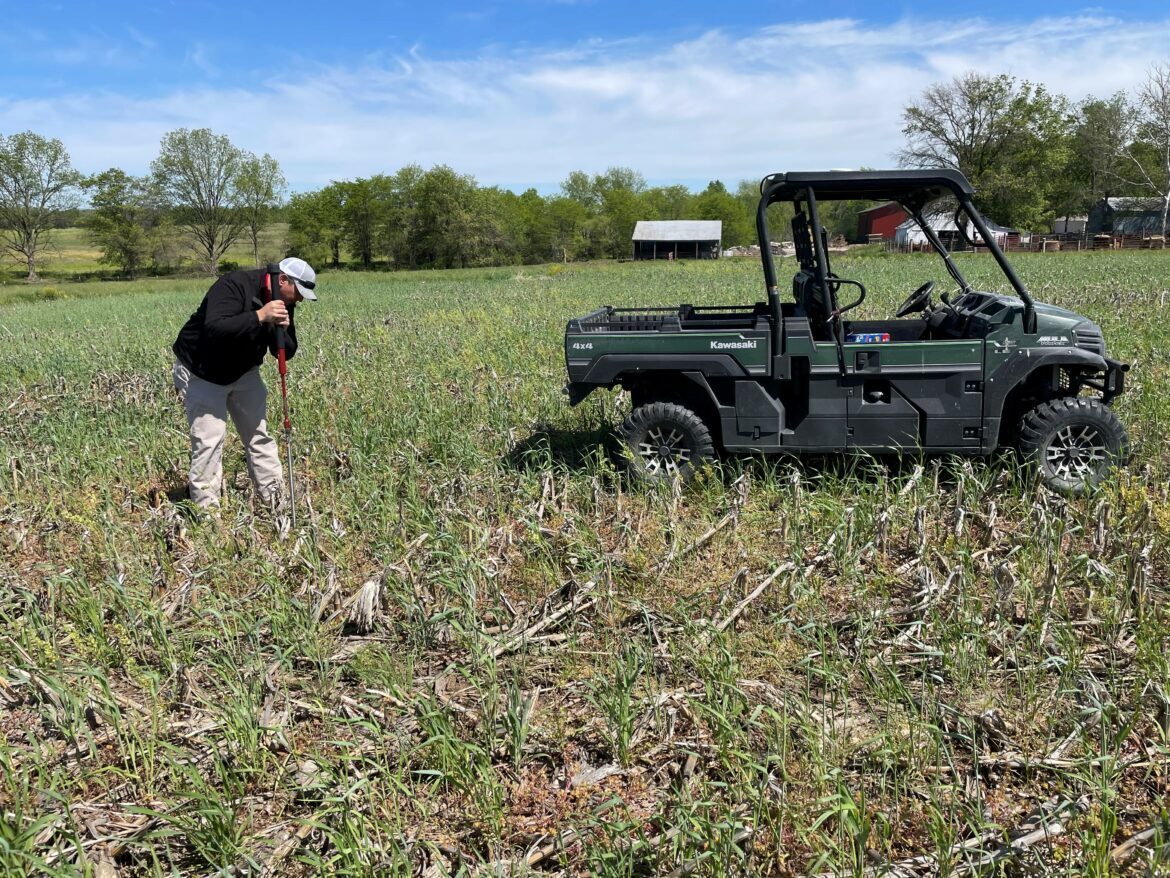
Missouri Farmers Add Carbon to Their List of Crops
More farmers are joining a program to sell the carbon sequestered on crop land.
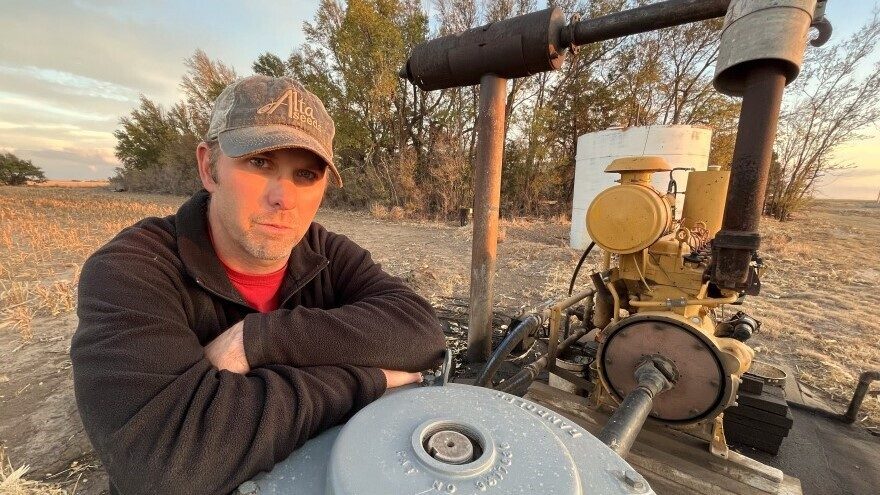
‘This is Do or Die’: Western Kansas Farmers Push to Save the Ogallala Aquifer Before it’s Too Late
After decades of irrigation, the aquifer that makes life possible in dry western Kansas is reaching a critical point. But a new plan could save more of what’s left.