
The Rise and Fall of a Boomtown
February 5, 2018 | Flatland, Steve Everly, Paul Wenske, David Hayes | 3 min read
The Kansas-Nebraska Act in 1854 made Kansas territory the center of the conflict over the future of slavery. The act’s “popular sovereignty” provision ditched the long-held Missouri Compromise, which had limited slavery’s reach. Instead, it placed the fate of slavery in the hands of Kansas voters.
Energized, pro-slavery forces put Kansas squarely in their sights as the first step in expanding slavery as far west as California. Missouri’s pro-slavery forces encouraged people to temporarily move to Kansas and vote for slavery. In fact, more than twice as many people voted for slavery in the Kansas territory’s first constitutional convention as there were registered voters.
[FLEX-CONTENT]
Appalled, abolitionist forces reacted by encouraging anti-slavery settlers to move to Kansas. One of the first Free State towns was Lawrence. But the Free Staters soon found they needed their own port on the Missouri River to bring in recruits and supplies. Steamboats at the time would stop only at pro-slavery towns, such as Kansas City, Missouri, and Leavenworth and Atchison, Kansas.
So the Free Staters negotiated a sale of land from the Wyandot Indians near a rocky point on the river that formed a natural levee.
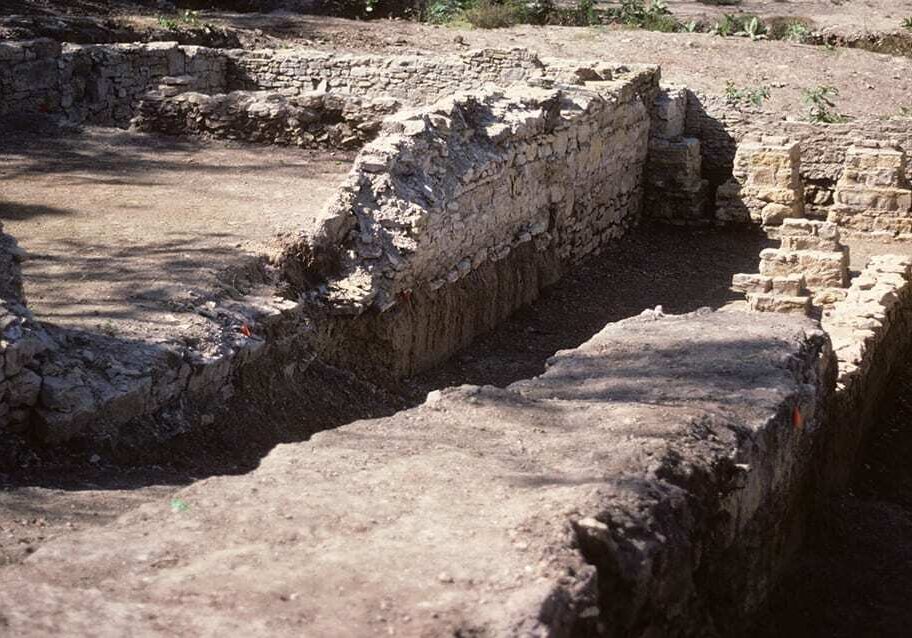
The Wyandots, who had been removed by the U.S. government to Kansas from their home in Ohio, joined with their Anglo-American neighbors to lay out the town, build buildings, start businesses, open hotels, launch a newspaper and open schools, including one of the first schools in the nation for black students.
The town became home to settlers from the Wyandot Nation, white Free Staters and entrepreneurs from the East Coast, and African-Americans seeking a home in free land.
At its peak, the port of Quindaro had two of its own steamships and operated a ferry across the river to Parkville, Missouri.
The port town was so successful between 1857 and 1858 that one account estimates nearly all of the merchandise for southern Kansas was unloaded there. Often as many as six steamboats were docked at the port at any one time. Seeing this success, other steamboat companies ended their sanctions against Quindaro.
Quindaro’s population boomed, attracting idealists such as Clarina Nichols, one of the first suffragettes in the west, who lobbied for the rights of women and African-Americans. She, as did others, would later record her memories of the town’s people defying the Fugitive Slave Law by helping to assist runaway slaves on the underground railroad.
The boom, however, was brief.
By 1861, the town’s population, which had grown to more than 1,200, had shrunk to fewer than 700. A national economic panic contributed to its demise, as did the advent of the Civil War. A delegation of soldiers quartered there systematically dismantled its buildings to provide fuel for heat.
In addition, as the Free State forces won out over the pro-slavery crowd, Quindaro’s role as a Free State port was no longer necessary. Atchison and Leavenworth, much larger towns, now received Free Staters with open arms.
But the town’s legacy didn’t end. A school for children of escaped slaves started by the Rev. Eben Blanchly was sold to the African Methodist Episcopal Church and moved up the bluff looking over the town ruins.
Renamed Western University, it was the first black college west of the Mississippi. It lasted until 1943, combining scholarship with training in the practical trades of the day. During its time, the school would become the centerpiece for the town, as it became largely an African-American community.
—Steve Everly, David Hayes and Paul Wenske are long-time Kansas City-area journalists
[FLEX-CONTENT]
Reading these stories is free, but telling them is not. Start your monthly gift now to support Flatland’s community-focused reporting.
Related Stories
Kansas City Helping Renters Avoid Eviction
On any given Thursday, a small hallway in the Jackson County Courthouse crowds with tenants, landlords, and attorneys arriving for their scheduled hearings and trials. The scene unfolds on Floor 7M, which is half the height of the building’s other levels, and is where Associate Circuit Judge Mary Weir recently worked through 55 eviction cases…
Catholic schism with local ties raises question about religious factionalism
Religious splits are as old as Adam and Eve, but does it really have to be that way?
Nick’s Picks | Costco, Homicides, Rain and More …
Is Missouri's congressional map saga over? It seems so, but who knows if there will be another twist or turn. That story and more ...