
Black History

Nick’s Picks | Phil, ICE, KCPD and More …
Today is my favorite holiday of the year…Happy Groundhog Day! Apparently, Punxsutawney Phil saw his shadow earlier this morning, predicting six more weeks of winter. But around here it’s going to feel almost tropical. After weeks of teeth-chattering cold and snow, the deep freeze is backing off. No single-digit temps on the horizon — and…
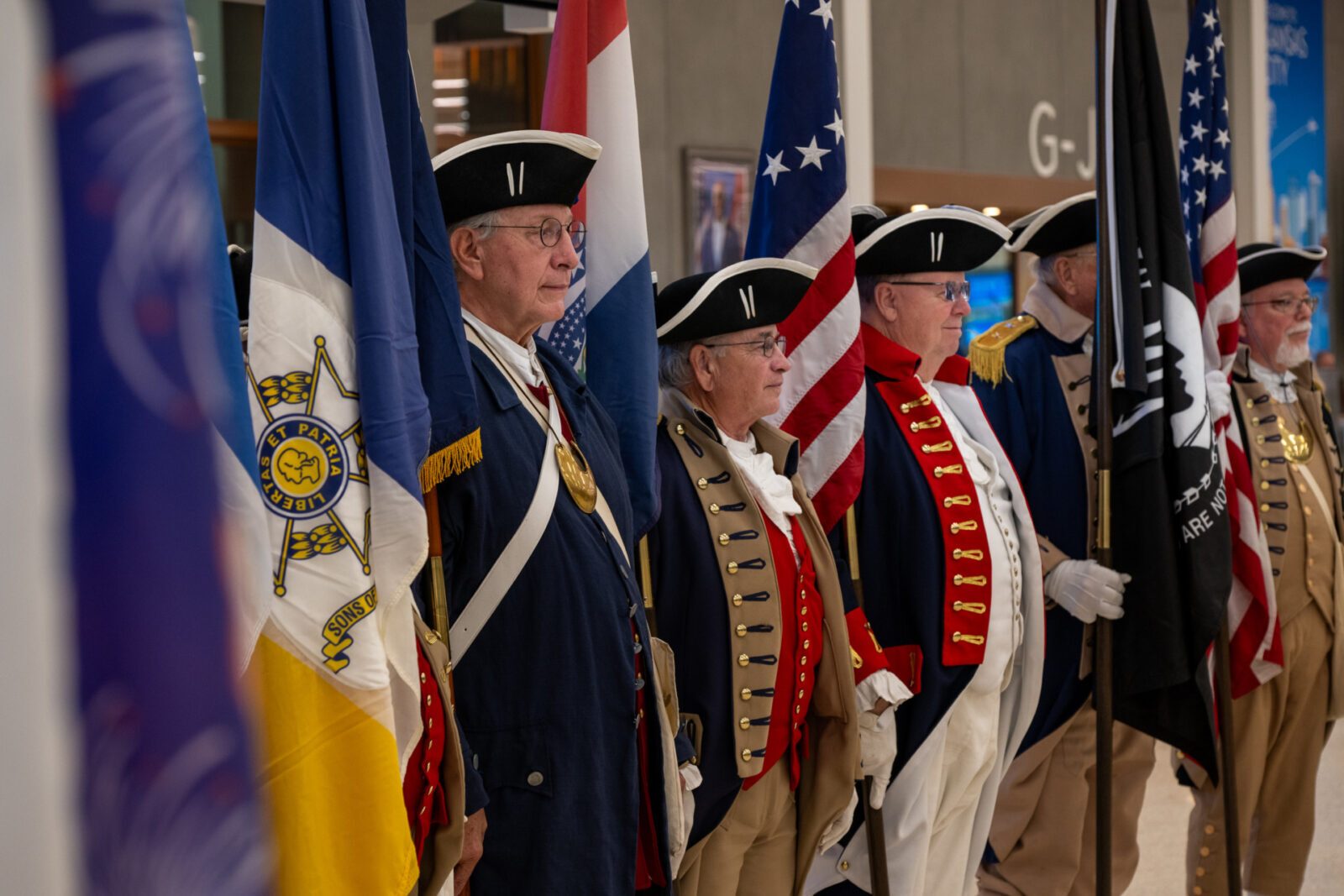
Flatland Explores Local American Revolution History in Light of Latest Burns Documentary
It was 10 p.m. on Veterans Day when the returning service members stepped onto the terrazzo floor between Baggage Carousels 5 and 6. The veterans, many from the Vietnam War era, were returning to Kansas City International on the return leg of their trip through Honor Flight, the nonprofit that takes veterans on free, day-long…
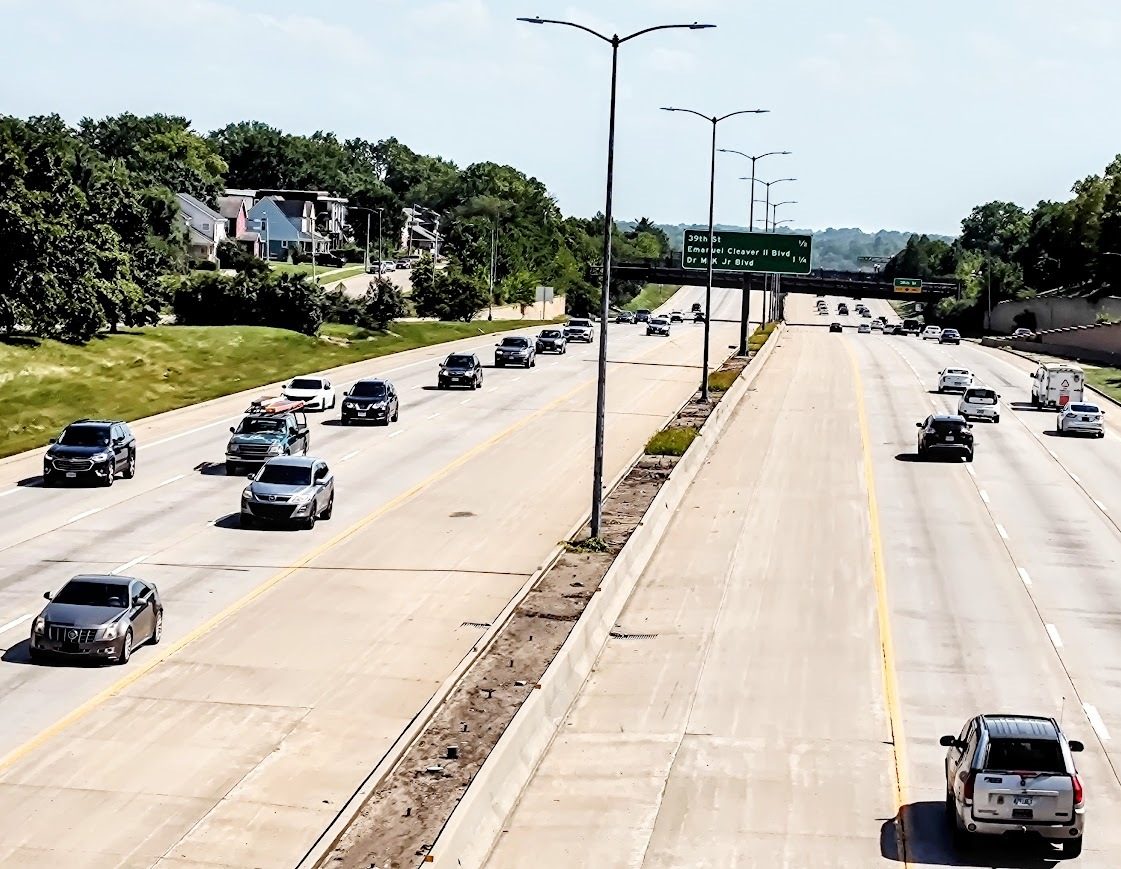
Many ‘Moving Parts’ Complicate Work of KC Reparations Panel
Kansas City’s history of racial division and injustice is painful and often appalling. But the city now has an opportunity through the Mayor’s Commission on Reparations to show other cities — and maybe the nation itself — how to begin repairing the vast damage inflicted on Black citizens by discriminatory, foolish, destructive, and indefensible past…
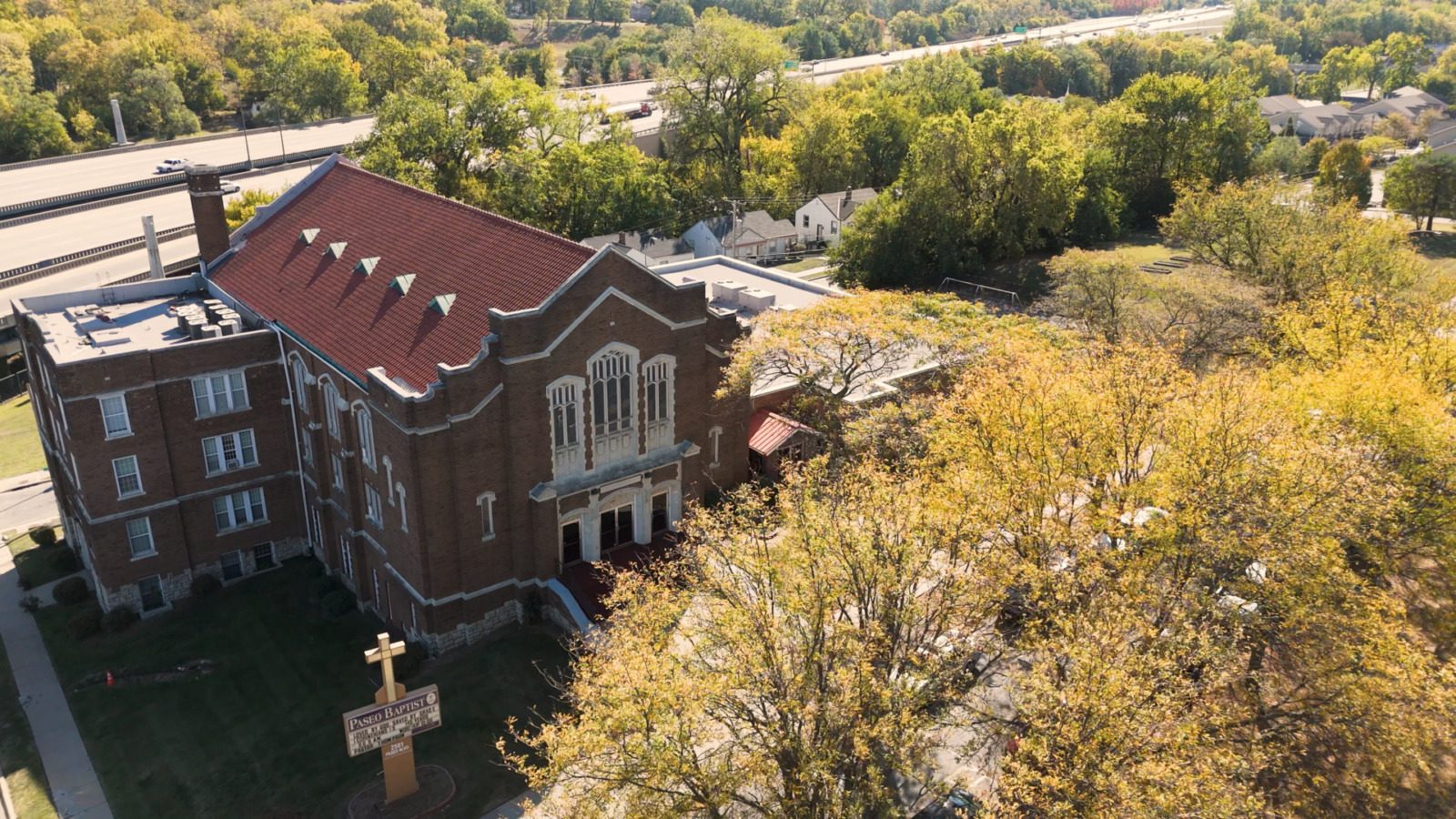
Kansas City Bears Racial Scars of Interstate System
Political power, civic influence, and blatant racism shaped the construction of the federal highway system crisscrossing the U.S. today. Kansas City was an extraordinarily adept player in the post-WW II effort. As a result, interstates slice and encircle the metropolitan area, U.S. 71 Highway runs along the east side of town, and many other connecting…
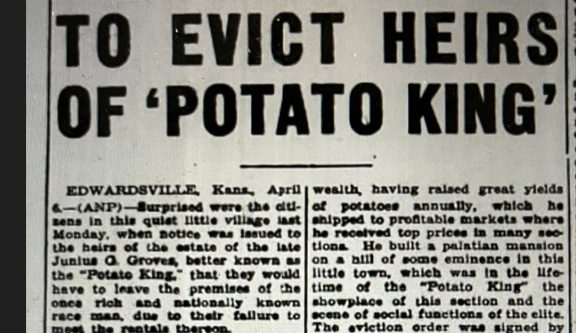
Cultivating History Pt. 3: Business Success Breeds Resentment
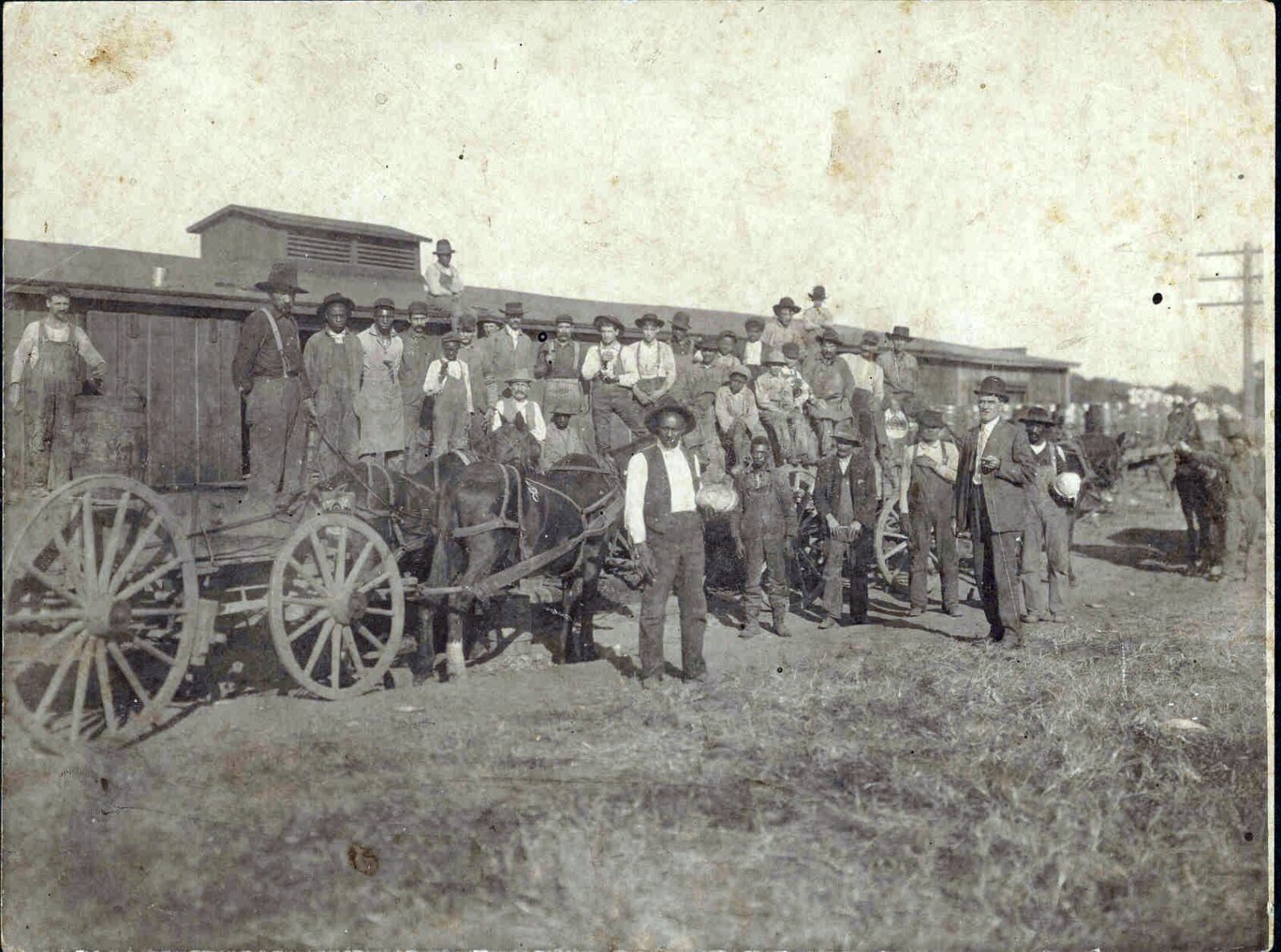
Junius Groves had built a potato empire by 1907, when educator Booker T. Washington showcased his success in his book, “The Negro in Business.” Groves then was shipping potatoes across North America while also importing what Washington called “fancy seed potatoes” from distant states. “He would get seed potatoes from Idaho and other places, and…
Cultivating History Pt. 2: ‘Potato King’ Thrives Amid Racism
While Kansas would prove friendly to potato growers like Junius Groves, it would not be quite the “free state” envisioned by Exodusters, the African Americans who, following the end of Reconstruction, considered their prospects more promising in the North. “It was about the same time when the Exodusters arrived in Kansas that the state Legislature…
Cultivating History Pt. 1: ‘Potato King’ Earning New Renown
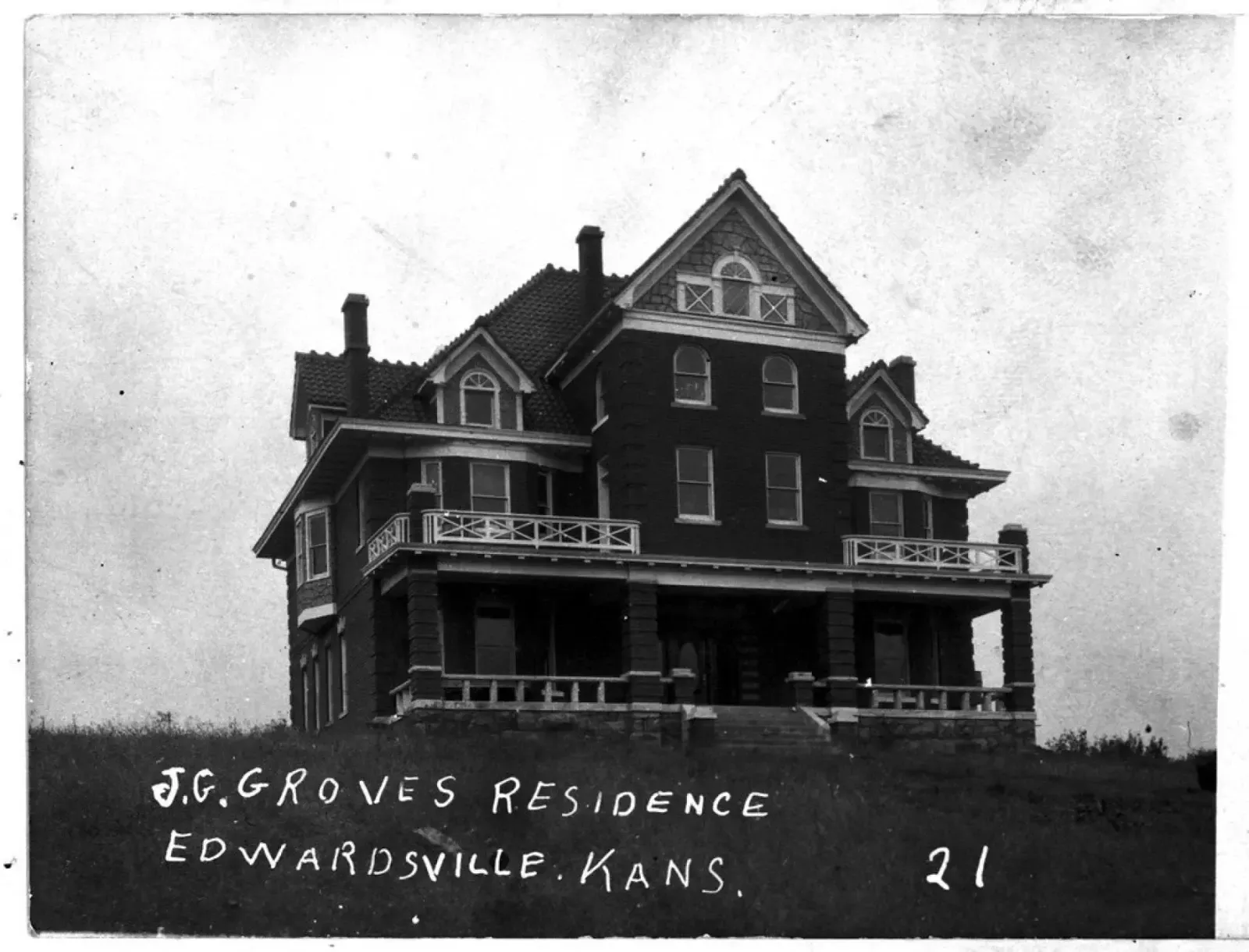
Junius G. Groves is having a moment. Community knowledge of the African American potato farmer, who died 100 years ago this August, is growing after largely having vanished from the collective memory of Kansas, where he arrived carrying 90 cents in 1879. A new documentary, “The Potato King,” directed by filmmaker Jacob Handy, premiers Thursday…
Black Archives of Mid-America Marks 50th Anniversary
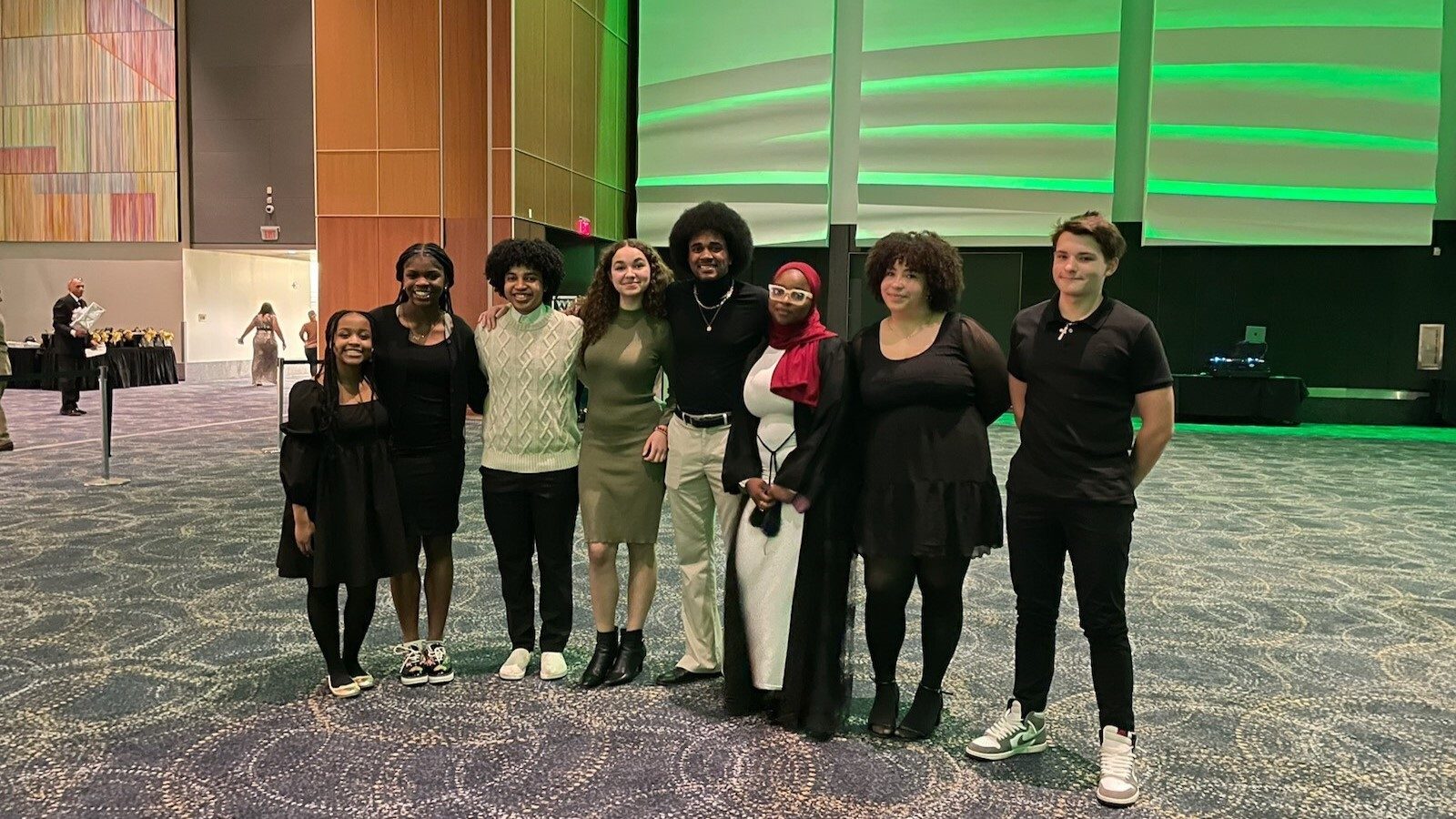
The Black Archives of Mid-America marked its 50th anniversary by emphasizing it role in preserving Black history in Kansas City.
For Black leaders in Kansas City, MLK Day is a Hectic — and Empowering — Day of Service
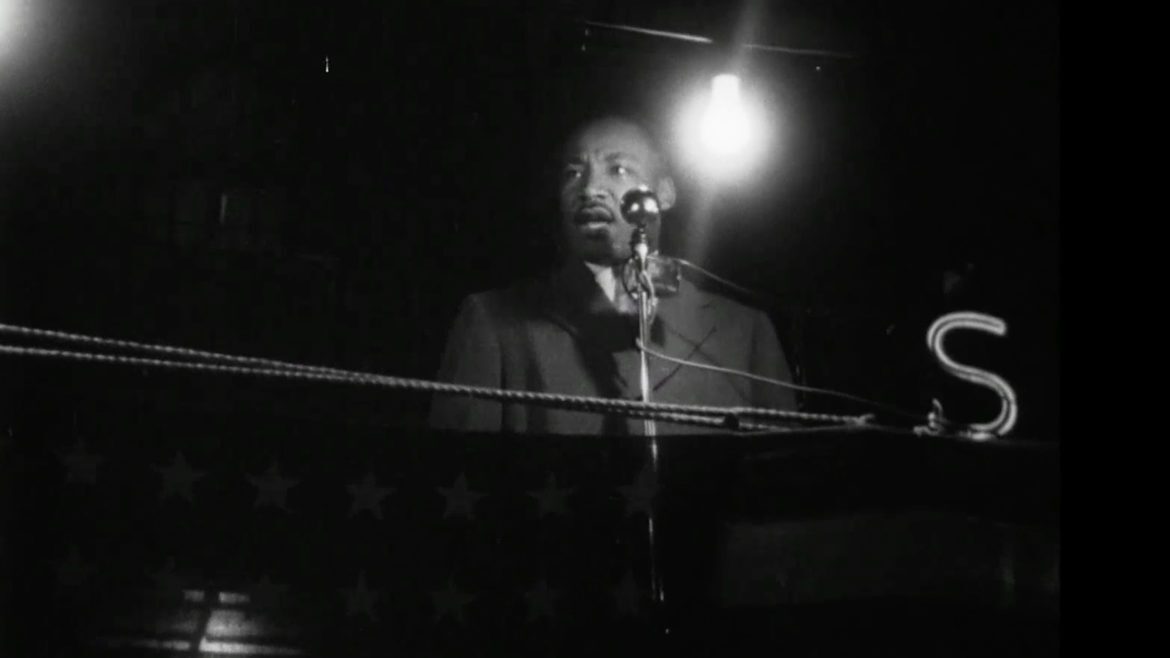
Martin Luther King Jr. Day is a day for leaders in Black communities to connect to something bigger and encourage better support for African Americans.
How to Convince White KC it’s Time for Black Reparations
Improving the lot of people of color in Kansas City also could improve the lot of all residents here — including white people, many of whom oppose reparations.