
Teaching Christian Theology in the World of Online Learning
Zoom classes broaden opportunities, raise fundamental questions
October 28, 2026 | Bill Tammeus | 7 min read
In 2005, I audited a one-semester Christian history course at Central Baptist Theological Seminary, then located in Kansas City, Kansas.
To get there, I had to drive and join 20 or more other students in the same classroom. No one could join by Zoom because Zoom didn’t yet exist.
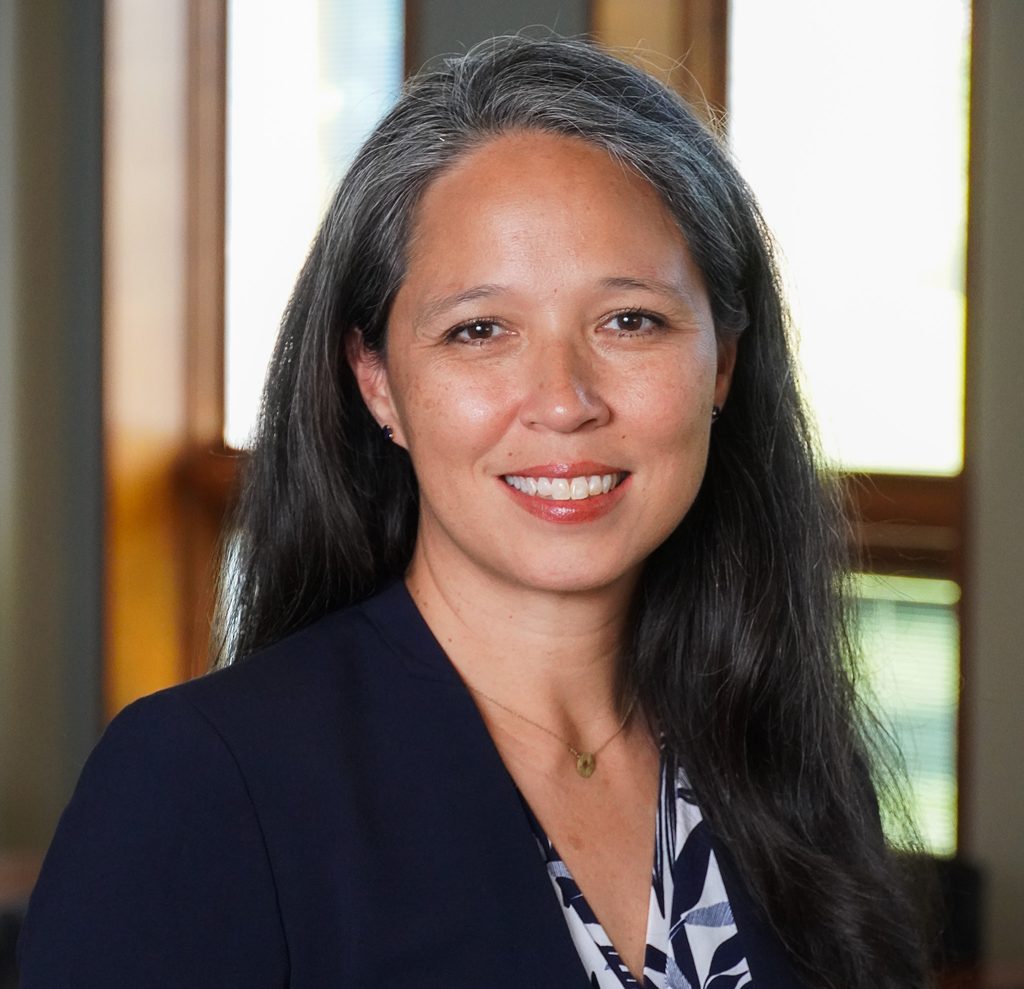
But in 2008, Central began “doing some sort of online/technologically assisted learning,” says Kathy Maxwell, Central’s vice president of academic affairs and dean of the faculty.
And today — not just at Central but at other seminaries in our area — most classes are offered online and have been for several years. Some faculty members even live elsewhere in the country (or overseas).
Leaders of these seminaries say the new system is working quite well, even though there are long-term questions not yet fully answered.
One of them has to do with the contrast between Christianity being an “embodied” faith tradition — beginning with the idea that God was embodied in Jesus of Nazareth and that human bodies are said to be temples of the Holy Spirit.
Despite that, pastoral students now are being taught via a disembodied, electronic means.
What, if anything, will pastors trained in that way be missing? It’s the sort of question theologians ask — and should.
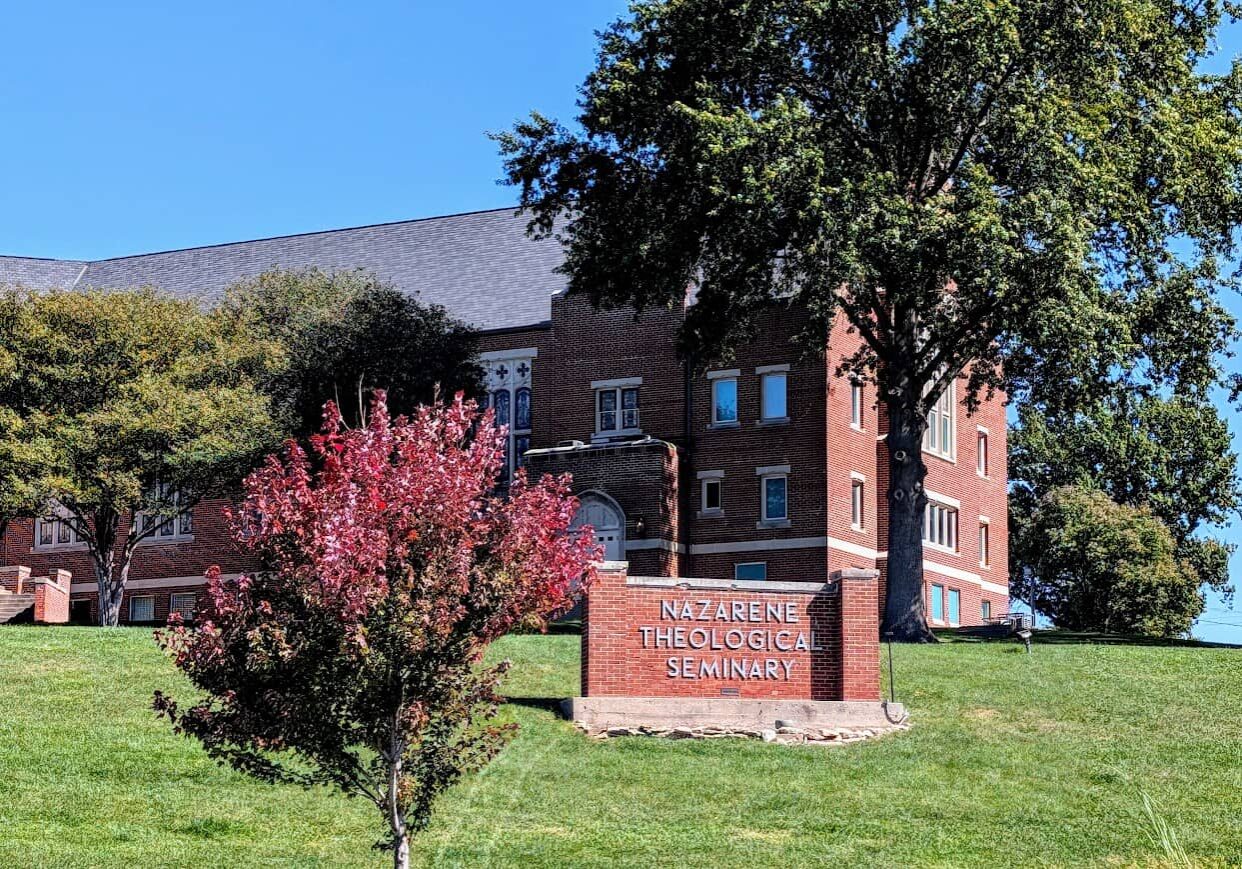
Jeren Rowell, president of Nazarene Theological Seminary in Kansas City, raises that question this way:
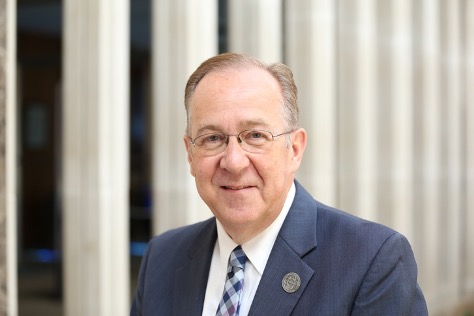
“For those of us who are my stage in life, coming near to retirement, we came into this (online teaching) by asking ‘How in the world do you have an embodied faith in these digitally mediated ways?’ And my thinking has really been challenged there. I’m still learning how rising generations think about connection, relationships and even embodiment. They are thinking about it and experiencing it in some qualitatively different ways than I’m accustomed to.
“I notice that the digital world impacts me, not always (or often) for good. I notice this in my grandchildren and worry about it. I notice it in our students, which is why we remain committed to as much embodied experience with them as we can get.”
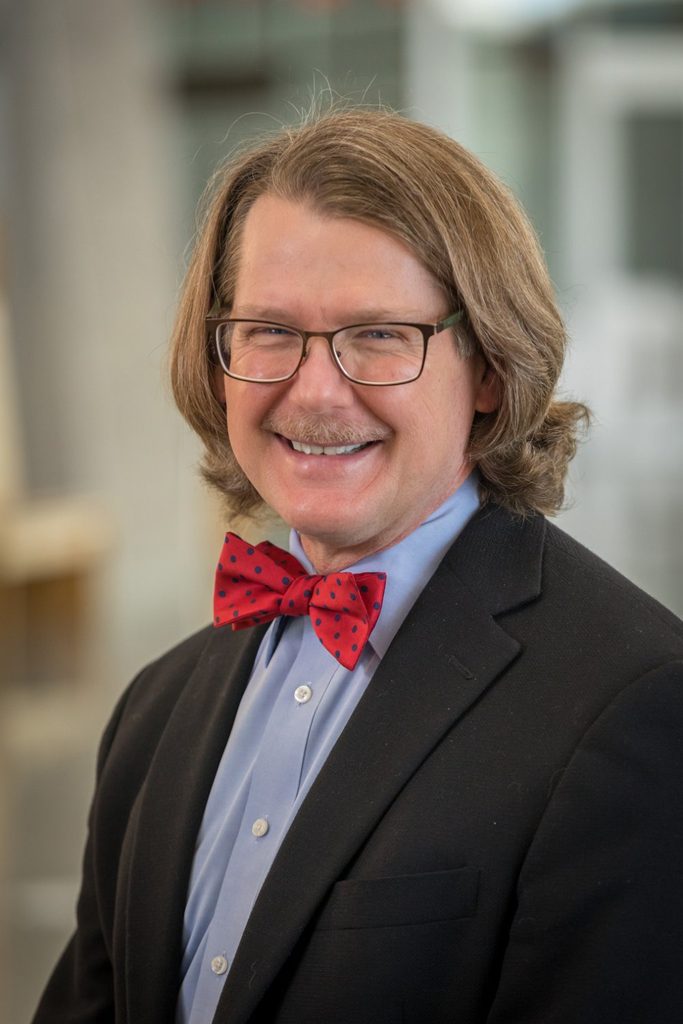
And Jay Simmons, president of St. Paul School of Theology in Overland Park, acknowledges the embodiment-related question this way: “The one thing we have struggled with is that the informal conversations that (used to) take place during a class break or before or after class really don’t exist anymore. So we’ve struggled with how to recreate that sense of community. That part we’re still working on.”
Religious scholars also have expressed concern about our increasingly disembodied culture.
In his new book, “Defying Tyrants: Following Jesus in a World of Christian Antichrists,” scholar Matthew D. Taylor writes that “Christians have been too detached from our bodies and this world. . .Believers in the incarnation should be among the most inspired careers for bodies because the freedom of all bodies is an incarnation project, an extension of the logic of God’s enfleshment.”
It’s no surprise that the outbreak of the COVID-19 pandemic in early 2020 was instrumental in the decision of area seminaries to move more completely to online learning.
Simmons says St. Paul “started moving online some years back, before COVID. We did so because students were expressing interest in taking classes through that mode and it opened up some recruiting opportunities for us to do that.”
But once COVID forced in-person learning to shut down, “what we have done is invest really heavily in the technology to facilitate online learning,” Simmons says. And yet he and other seminary officials say their seminaries have found ways to stay afloat financially despite new expenses for digital equipment.
For instance, Nazarene Seminary still has a 22-acre campus but, Rowell says, through partnerships with other groups that rent space on campus, “our campus is revenue positive.” The campus is home to two schools (Brookside Charter and Ewing Marion Kauffman). And three congregations meet on campus.
Online learning has opened enrollment to students who live nowhere close to campus.
“One of the things that we really saw as a benefit (of online) is that it allowed Central to offer education to students wherever they are,” says Maxwell. “Financially speaking, it’s difficult to pick up and move to another city for seminary. So this really has removed a lot of geographic barriers.”
One Central student who has benefitted from distance-learning is the Rev. Darron Story, 61, pastor of Westminster Presbyterian Church in Ottawa, Kansas, which is more than 40 miles away from campus.
Story is what Presbyterians call a “commissioned pastor,” which doesn’t require a master of divinity seminary degree, though Story is working toward a master of arts in ministry degree at Central with a focus on peace and justice.
He attends class online twice a week and isn’t required to be on campus, so he’s among the seminary students facing the questions about a seminary of an embodied faith teaching pastors who aren’t physically present in class.
“From time to time,” he says, “it would be awesome if we had the energy of being in a classroom because I do believe sometimes it inhibits people who are already introverted by being on Zoom. There’s an energy when you’re in a room full of people. That being said, if it weren’t for the ability to do this I probably never would have gone back to school and probably would not be a pastor.”
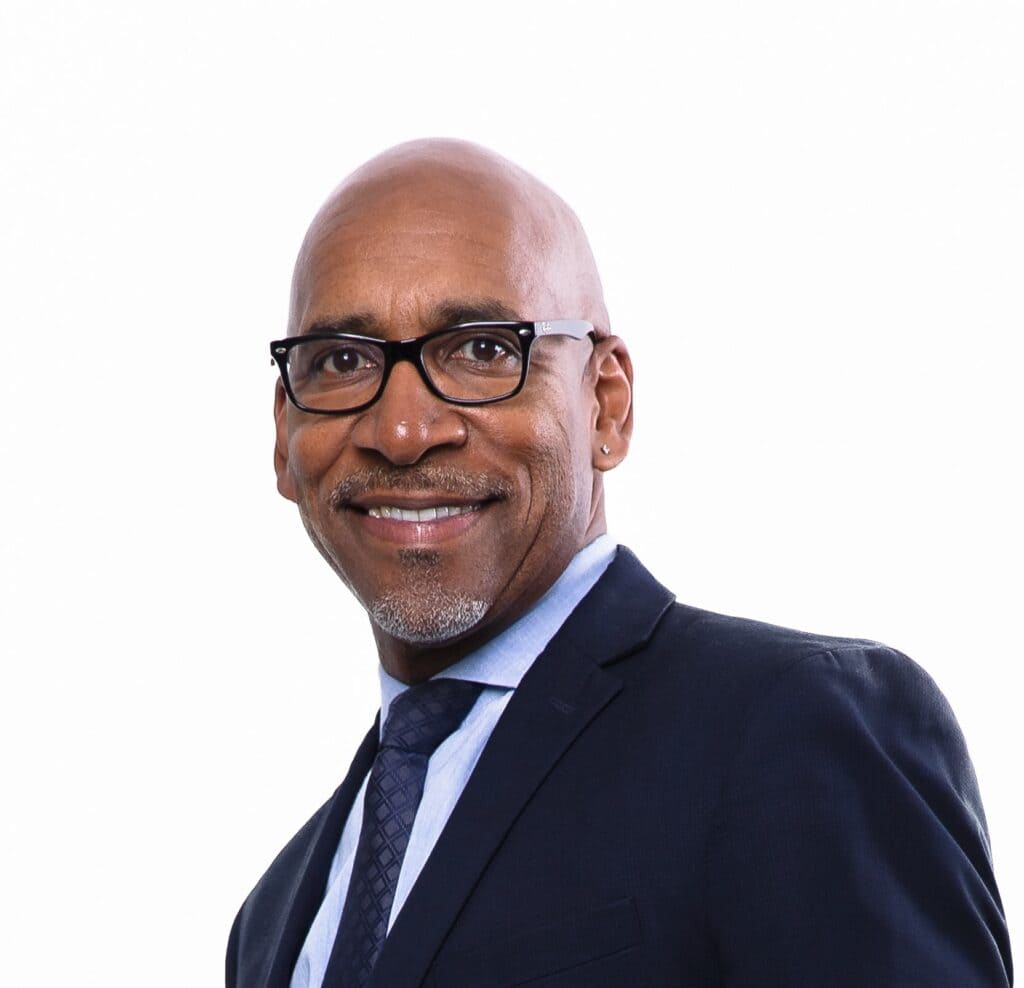
Online learning, Story says, has allowed people who have “been hearing a call” to ministry to respond and not say, “Well, I can’t do that. It’s impractical.”
Beyond that, Story says, “This way, I’m meeting people from all over the country and, frankly, all over the world.”
Maxwell of Central agrees that online learning “has made our world a lot smaller. But a big challenge is what does that connection look like and how does a seminary help facilitate connections that used to happen very naturally around the lunch table or in a classroom or in the hallway.”
Indeed, Central’s enrollment of 400 students includes people from Myanmar, Africa and elsewhere, making trained Christian clergy possible in places that otherwise might not have had any, or at least as many.
Still, when I asked Rowell at Nazarene what’s missing in online learning, he said this:
“I would say faculty connection camaraderie. In the old days faculty would gather in the faculty lounge between classes. And those were legendary. There’s no doubt it’s a different experience now.”
Which means that what seminaries must do now is find more ways to build closer student and faculty relationships even if they see each other in person only occasionally, if at all. But how this online system will affect the future of the embodied faith of Christianity here and abroad so far is unclear.
Bill Tammeus, an award-winning columnist formerly with The Kansas City Star, writes the “Faith Matters” blog (https://substack.com/@billtammeus429970) for The Star’s website. His latest book is Love, Loss and Endurance: A 9/11 Story of Resilience and Hope in an Age of Anxiety. Email him at wtammeus@gmail.com
Reading these stories is free, but telling them is not. Start your monthly gift now to support Flatland’s community-focused reporting.
Related Stories
Nick’s Picks | Rally, Debate, Data Center and More …
Election season is in full swing, with the U.S. Senate race in Kansas taking center stage, including President Donald Trump holding a rally in Wichita.
Kansas City Cooks as Site for National Anti-ICE Dinner Series
Celebrated chefs from throughout the metro collaborated for three nights on dinners that raised money for a local immigrant-rights nonprofit.
Nick’s Picks | Top Cop, Mission Mall, Lucas’ Travels and More …
Nick Haines also has the lowdown on information for the upcoming election, the arrival of fall and Kansas City's Day of the Dead celebration.