
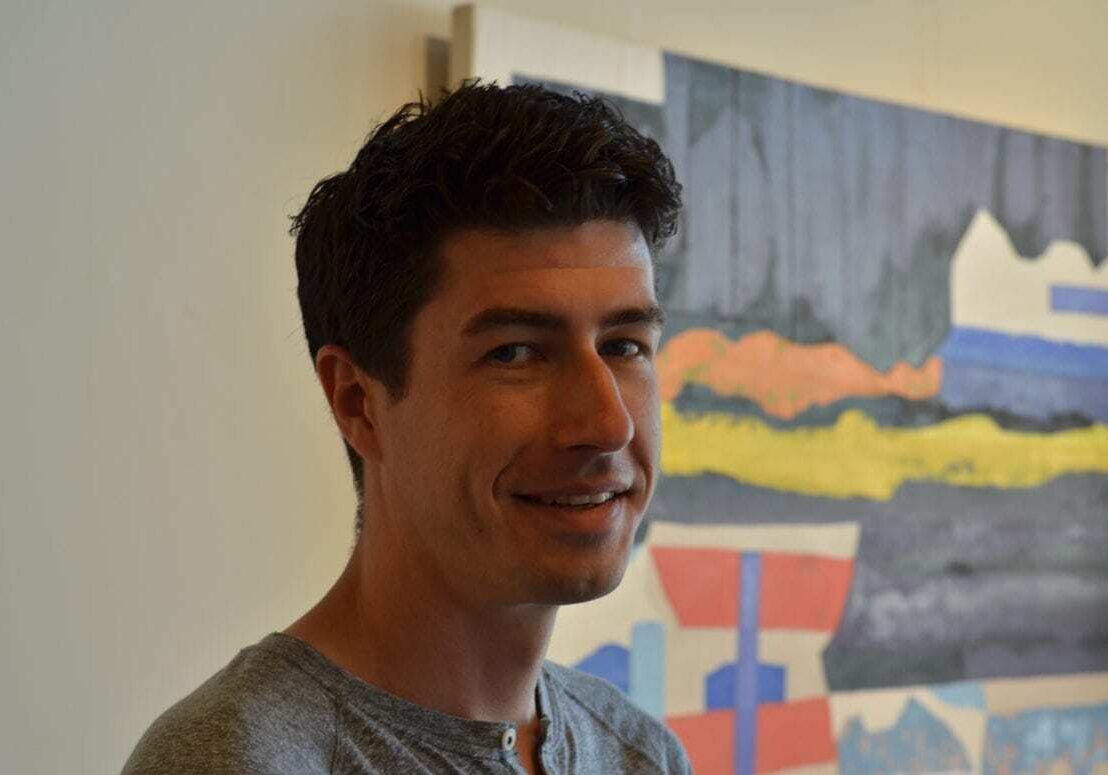
One Year In | Crema Moves to Shorter Name and Larger Team
August 3, 2016 | Austin Kuehl | 4 min read
“One Year In” is a five-part series that revisits entrepreneurs highlighted on Flatland within the past year. We check on the progress of once-fledgling startups, see how the local entrepreneurship environment is treating them, and get to better understand their long-term decision-making. All interviews have been edited for length and clarity.
Crema refers to the thin, tan layer of foam that forms at the top of a cup of espresso. It’s the first thing to emerge from an espresso machine — the product of the initial surge of pressure and heat that only floats to the top on account of its light weight. It is with the espresso through every step of the process and plays a major role in lending the drink its unique character.
Not coincidentally, this also describes Kansas City’s Crema, a business development company that carries digital innovations from their most nascent stages to execution and deployment.
[FLEX-CONTENT]
Working with lone inventors, startups and established companies, Crema — which also operated as Cremalab — has risen to prominence nationally by creating cross-platform applications, such as the organizational back end for 1 Million Cups, Machinery Link (a farm equipment rental platform) and HipHire (an application for linking part-time employees and employers).
Flatland caught up with George Brooks, Crema founder.
What has changed since you spoke to us for “90 Seconds on the Clock”?
“The team’s grown. I think that’s probably the biggest change. We’re now up to 19 full-time employees, 20 over the summer with an intern. Taking on bigger projects and trying to do bigger things. We’re very intentional to grow smart and a little bit slow; we never want to grow too fast. We’ve seen too many companies grow too fast and fail because of it, making the wrong decisions.”
Which of Crema’s many projects has taught you and the team the most?
“We worked with Synaptic Security in security management – a field that no one on staff had ever had any experience with. It allowed us to dive deep into that industry. With what we do here at Crema, we get the opportunity to jump in and learn so much about every industry because, basically, we build solutions for anyone who’s looking to solve a problem with digital technology.”
What’s been your best decision after seven years in the business?
“It exclusively comes down to people. One is finding a co-founder that I completely trust and that we are really good at identifying each other’s roles and moving forward. And then, expanding that a little bit, is really focusing on how to replace myself with a team that’s smarter than me.”
What is it like to be a small business in Kansas City, and what can the city do better?
“I think that’s one of the biggest challenges here is that we are a Midwestern town; we’re very likeable, and everybody likes to like each other, but I think what would really be nice is if we created incentives, some way to encourage people to takes risks and potentially start things that have large scalable opportunities, not just new things that feel good for the sake of building another project. The city as a whole needs to take some risks, invest financial resources, capital, try and build things we’ve never built before.”
Can Kansas City be competitive nationally [as a startup community]?
“Kansas City offers the opportunity for a cost of living that allows people to have a lifestyle that is, I think, at a higher quality of living while still being able to financially sustain possibly taking more risks. For example, if you live in San Francisco, if you live in Portland, if you live in New York, the cost of living there is so high that just to exist as an individual makes the risk you might take that much harder because every dollar counts that much more. … I do think we can compete.”
— Austin Kuehl is the Entrepreneurship Contributor for Flatland. To reach Austin email akuehl@kcpt.org.
Reading these stories is free, but telling them is not. Start your monthly gift now to support Flatland’s community-focused reporting.
Related Stories

Nick’s Picks | Counting, Courts, Attractions and More …
Topics include: Election Day drama continues, World War I Museum and Memorial celebrates 100 years, Steamboat Arabia leaves, and entertainment options.
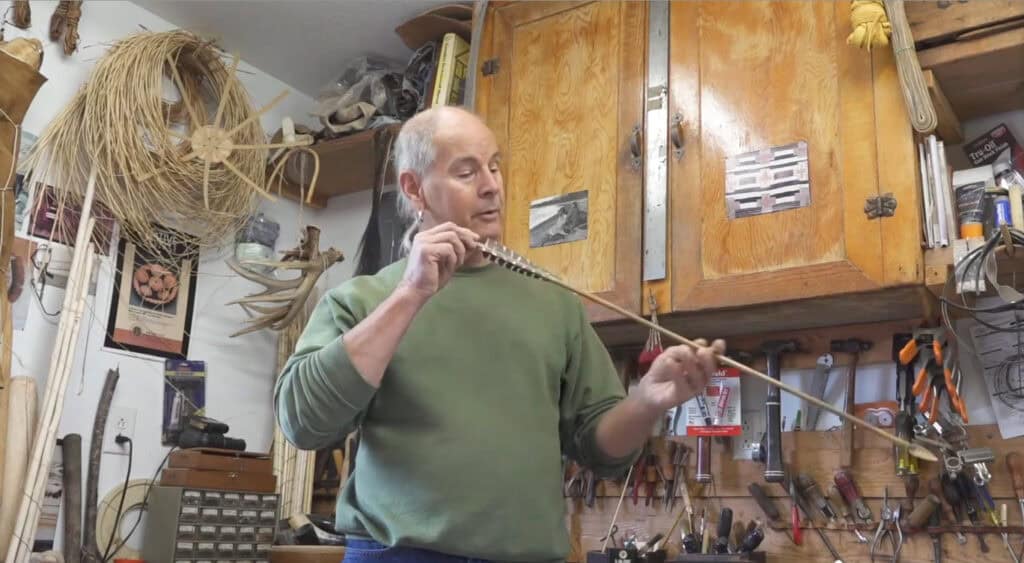
How One Wyandot Artist Hopes to Bring His Native Language Back From Extinction
“To speak the language, you're actually creating the language as you go,” Richard Zane Smith said. “We're trying to come up with a kind of standardized writing system, and even that has its challenges.”
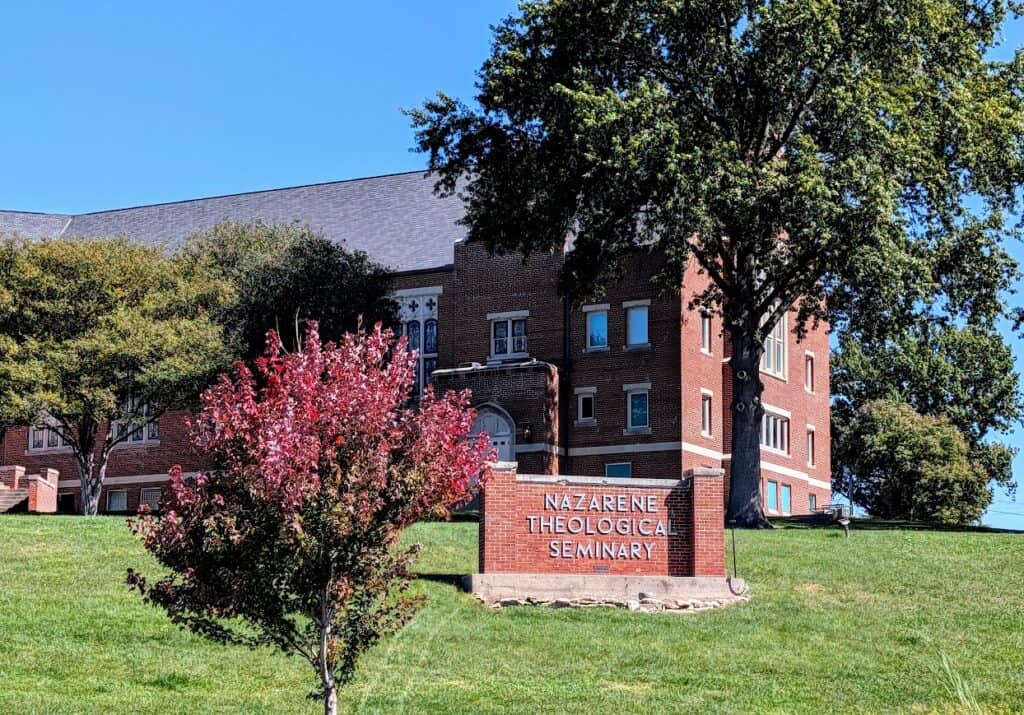
Teaching Christian Theology in the World of Online Learning
Christian educators in the Kansas City area are grappling with the fundamental questions raised by Zoom classes while welcoming students that could not attend otherwise.