
A sales tax reshaped KC’s East Side. Now voters to decide if it continues.
Supporters say renewal is a must to address a vast unmet need for development capital
July 28, 2026 | Anna Neumann | 11 min read
In 2017, a coalition of Black organizations in Kansas City bucked City Hall — and won.
The groups, including Freedom Inc., the Urban League of Greater Kansas City, and the Southern Christian Leadership Conference of Kansas City, pushed for a vote on a citywide ⅛-cent sales tax to raise capital for East Side economic development.
Despite objections by then-Mayor Sly James, among others, voters approved the Central City Economic Development (CCED) tax with a 52% margin, carried largely by voters south of the Missouri River.
Since its inception, the sales tax has provided nearly $100 million in development financing for dozens of projects. The tax came with a 10-year sunset, and voters Aug. 4 will decide whether to renew it for another decade.
With a shift in administration, the approval process seems to be moving quicker than in the early days; bureaucratic delays had left even some early supporters questioning whether they would support renewal.
Kansas City Councilwoman Melissa Patterson Hazley, who served on the initial CCED board, argued the tax has just scratched the surface of the need in its first decade.
“There is an incredible amount of work to do,” she said. “It’s akin to spitting on a fire — that’s why the renewal is so important.”
A tool for the East Side
The CCED tax supports projects in a district bounded by Ninth Street to the north, Gregory Boulevard to the south, Paseo Boulevard to the west, and Indiana Avenue to the east.
Supporters argue the tax is needed because the East Side has largely missed out on the development boom reshaping other parts of the city. The program is designed to provide gap financing to help developers build their “capital stack,” which usually includes other sources like loans and tax credits.
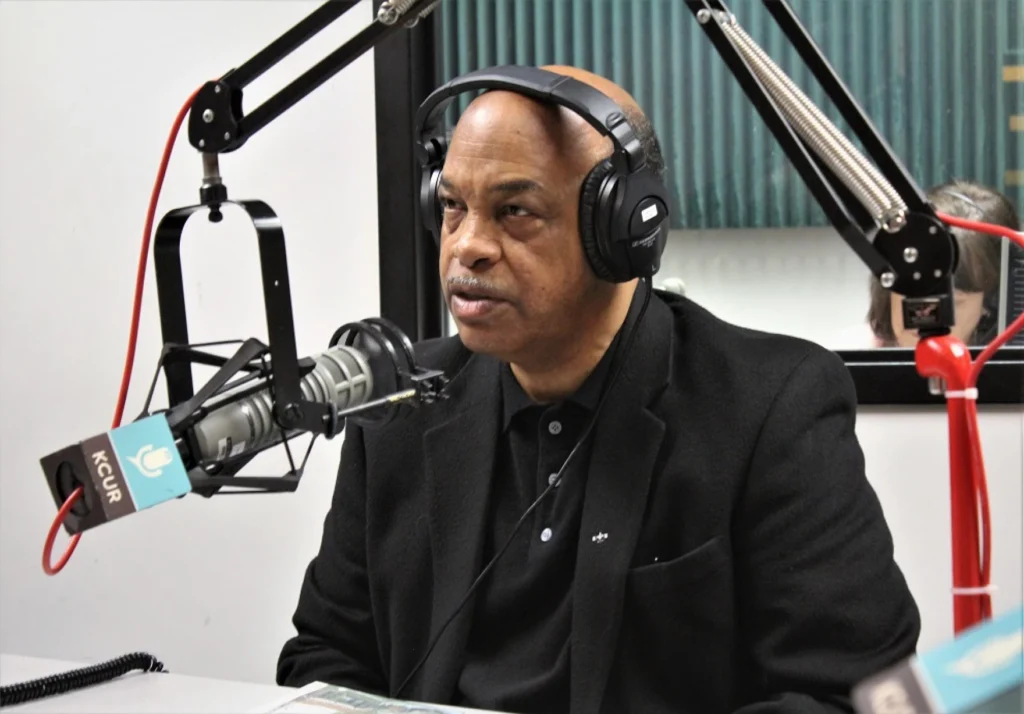
CCED board Treasurer Kenneth Bacchus was involved in shaping the program from the beginning. He described the model as drawing on what the city had already done downtown, where, for instance, public dollars would finance parking garages for private development.
“The East Side said, ‘We need a similar incentive to build over here,’” Bacchus said.
The money goes into a fund overseen by the CCED board, which consists of Chair Dan Cranshaw, Co-Chair Matthew Oates, Anthony Williams, Secretary Jon Otto and Bacchus.
According to Cranshaw, the board considers “shovel-ready” applications from developers for projects that may not be possible without public support. Board recommendations are subject to final approval by the city council.
What the investment has built
Through eight funding rounds, the CCED board has committed approximately $93.6 million to dozens of projects, according to data provided by CCED program administrator Sherise Kirkwood. Those awards have helped generate nearly $1 billion in total development, a roughly 11-to-1 leverage ratio of private dollars to every public grant dollar.
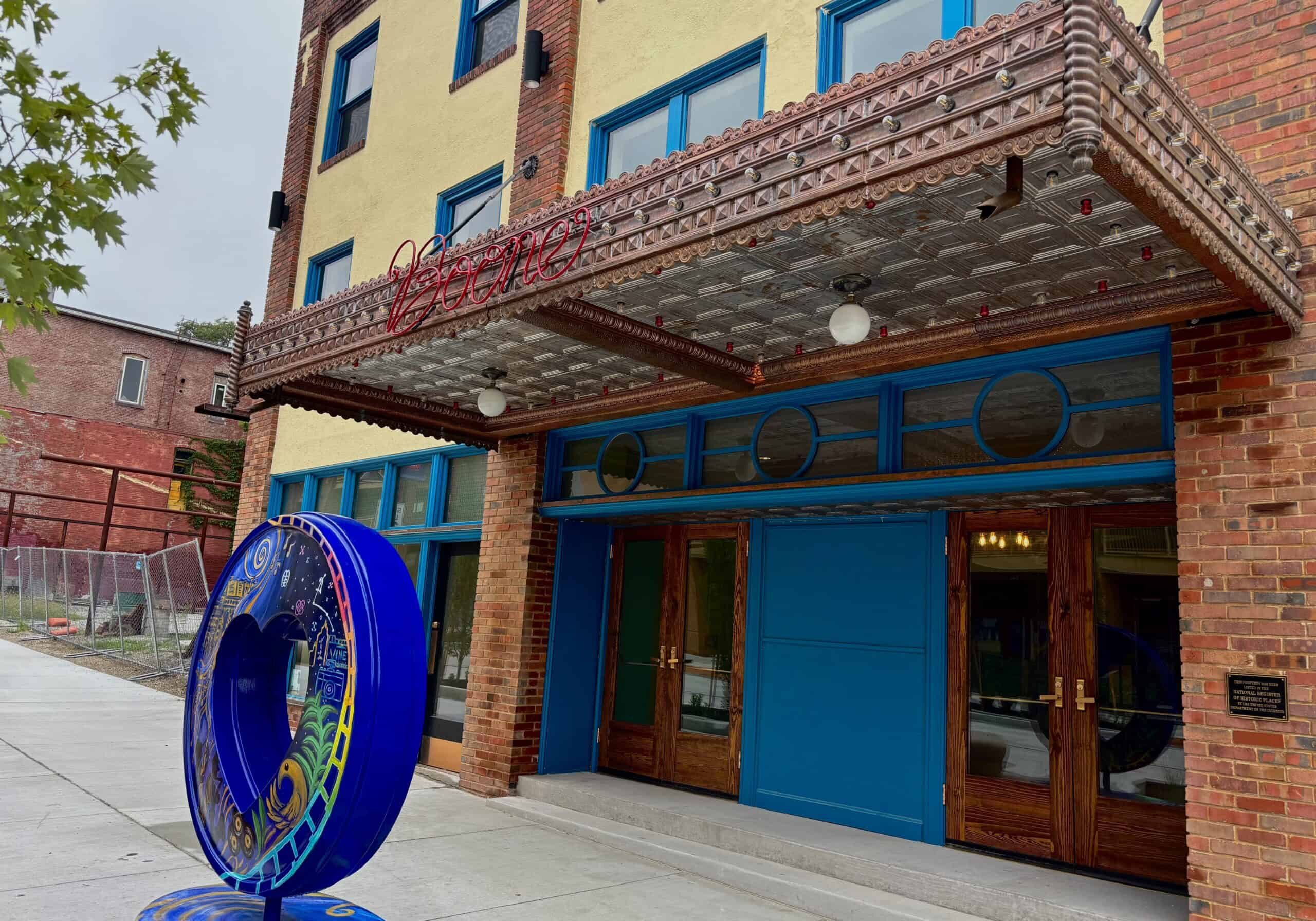
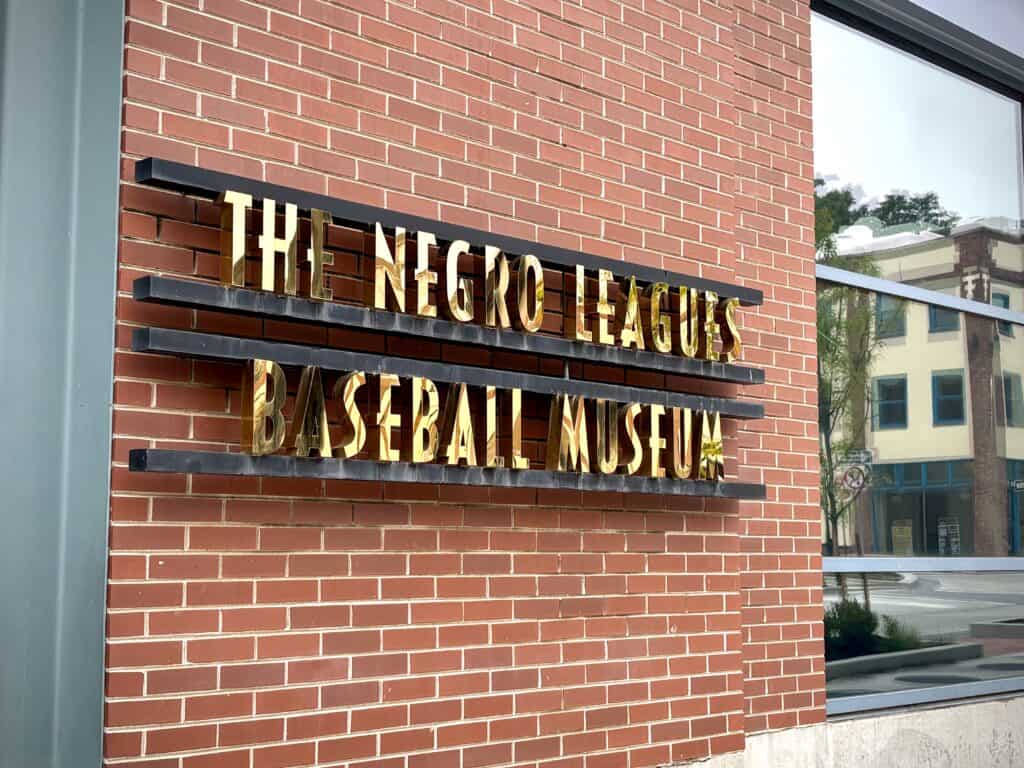
The portfolio spans housing, commercial development, cultural institutions and essential community services. Projects that have received CCED funding include the Negro Leagues Baseball Museum and Hotel, the Boone Theater rehabilitation, Jazz Hill Apartments, the KD Academy early learning facility, and One Nine Vine, a mixed-use development with 80 residential units and seven retail spaces.
Other recently approved projects include:
- $5 million for Phase 1 of the Parade Park Homes Redevelopment, which includes 480 units of mixed-income housing and 10,000 square feet of commercial space.
- $1.8 million for BT Washington Wheatley Townhomes to build 15 attainable townhomes designed to blend with the historic character of the neighborhood while promoting stability and ownership.
- $850,000 to 21 Vine Live + Work to develop five live/work townhomes that offer combined living and workspace for small business owners and workforce residents.
Nineteen projects have reached total completion, representing $29.3 million in CCED investment and generating more than $397 million in total development value.
Another 35 are actively moving forward, either under construction or under contract, representing approximately $46 million in CCED funding and more than $336 million in total investment. Five more remain in pre-development.
Kelvin Simmons, a developer with the Avenir Group and a former Kansas City councilman, has worked on multiple CCED-supported projects. He said the program has functioned exactly as intended.
“The investment that takes place with CCED leverages crucial investment by a significant number. Therefore, you’ve got more private dollars flowing into a community in desperate need of catalyst projects,” he said.
Patterson Hazley called CCED a “market corrector” to address past discrimination against minority developers within the traditional banking system.
The criticism and the response
In its early years, critics said it took too long to get investments out the door and that the board was spending too much money on consultants. Some projects stalled or took years to break ground after receiving awards.
One of the most outspoken critics was Gwendolyn Grant, president and CEO of the Urban League of Greater Kansas City. She was unavailable for comment for this story.
Simmons cited the COVID-19 pandemic as a significant disruption.
“When COVID came about, it affected the entire real estate market. It didn’t matter whether it was East Side, West Side…prices were skyrocketing. Materials were more expensive, labor was more expensive, delays were inevitable.”
He also said the early struggles of the CCED were no different from those of other economic development initiatives that took a while to run smoothly.
“They were not perfect in their inception. So you have to work through some of the kinks,” Simmons said.
Similarly, Patterson Hazley said economic development projects can take time to gel no matter where they are located.
“There are projects such as the lid over I-670 that’s not complete and not under construction, that have been in the works for a decade,” she said, referring to the proposed Roy Blunt Luminary Park that would sit atop the South Loop in downtown Kansas City. “The projects CCED bet on are not unlike other projects in the city.”
Cranshaw, who has served as board chair for about a year, points to the board’s own early decision-making as one lesson learned.
In a case involving the Lineage Connect Facility on 35th Street and Prospect Avenue — a project aimed at taking vacant property and turning it into a hub for technical work and community hiring — the board declined to provide the full amount requested in an effort to “spread the wealth” amongst more projects, according to Cranshaw.
The shortfall made it harder for the developer to secure the remaining financing needed to move forward — a reminder, Cranshaw said, of how critical CCED’s contribution is to the overall funding structure of a project.
Ultimately, the developer persevered, tightened up its proposal and returned to the board with an amended request, which was approved.
“It’s an example of how we are not looking at this as a one-time thing,” Cranshaw said. “We are looking at this as a commitment to the East Side and making sure that the developers who are coming in know what they’re doing and have worthwhile projects that are going to be transformative.”
The board has previously been criticized for spending too much money on consulting and administrative oversight. But Cranshaw argued that well-deployed administrative spending is actually what protects projects and taxpayers.
“It would be more concerning to think that we’ve got a board that has decided it is the smartest group of people in Kansas City and can do this all on their own,” he said. “I would hope that the folks of Kansas City are feeling a little more confident that their dollars are being well spent because of the very negligible consulting services we’ve engaged.”
The administrative shift
As of September, the CCED is housed within the Economic Development Corporation of Kansas City (EDCKC), a move city officials said was designed to strengthen oversight and bring more professional infrastructure to a growing program.
Before the shift, the program operated out of the city’s Housing and Community Development Department.
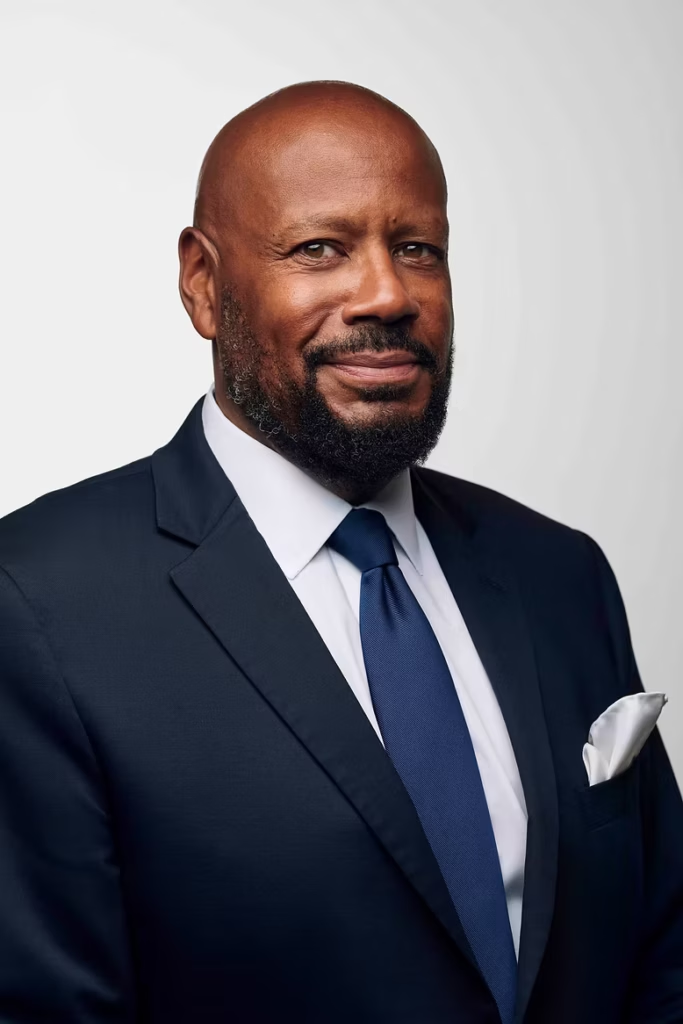
Cranshaw said moving to the EDCKC has integrated CCED’s work with the broader network of development entities operating across the city, creating opportunities for collaboration and consistency that didn’t previously exist.
Critically, he said, the shift has also given CCED a new way to advocate for its developers when they are hindered by city red tape.
“We’ve had developers make it clear that they weren’t able to move forward because the rules and regulations related to rehab of houses are so antiquated,” said Cranshaw.
Through its integration with EDCKC, the board has been able to elevate those concerns to the city and push for changes that make development more efficient, without compromising safety or energy standards.
The information provided by Kirkwood, the CCED administrator, said the transition has brought standardized reporting, improved contract administration and closer coordination with developers and city departments. Projects can now be monitored more effectively from the initial application to the final ribbon-cutting.
Bacchus said the decision to move under EDCKC was pragmatic.
“We agreed to go to EDCKC because we knew that was a place where economic development activities happened and it was the best opportunity for us to be successful.”
Central to how the program runs under EDCKC is Kirkwood, whom Cranshaw described as a linchpin of the operation. Kirkwood hosts application workshops to guide prospective developers through the process, while still holding applicants to a standard of readiness.
“We want to make it [the application] as accessible as possible,” said Cranshaw. “Now, having said that, the expectation is that you know what you’re doing, that you’ve got some experience in development and are willing to engage with how the city operates.”
There are aspirations to embed CCED more deeply into the community.
Bacchus envisions a physical space, ideally on Prospect Avenue, where developers and residents can walk in, consult maps, and receive guidance from people who understand the complexities of economic development.
“A place where a convenience store owner who wants to turn his building into a coffee shop can sit down with an architect and an attorney and figure out how to make it happen,” Bacchus said.
If the tax is renewed, Patterson Hazley would like to see more master planning — targeted investment in specific neighborhoods, shaped by what communities want.
“We react to people’s dreams,” she said. “They bring us a project, and we react to it. But it is still developer-driven — it needs to make sense for their company.”
Cranshaw sees the program’s continued evolution as essential to that vision, and points to the recent hiring of CCED Executive Director Jeremy Davis as a sign of that commitment.
“We owe it to the citizens of Kansas City to strive for excellence,” he said. “And you need more staff to do that.”
What a renewal would mean
Northland Kansas City Councilman Wes Rogers hasn’t encountered much resistance to the renewal among his constituents. He pointed to the Northland Regional Chamber of Commerce’s endorsement of the tax as a meaningful signal.
“The Northland Chamber is not going to support an inefficient program,” he said. “So to me, their endorsement means that the tax is doing what it’s supposed to do.”
Rogers, who recently announced his 2027 mayoral campaign, believes investment in the urban core ultimately benefits all of Kansas City.
“A vibrant urban core is great for everyone who lives in our city,” Rogers said.
However, another Northland councilman, Nathan Willett, was the sole dissenter in the city council’s 12-1 decision in May to place the CCED renewal on the ballot. Willett could not be reached for comment.
Cranshaw framed the renewal in terms of what it means for the city as a whole, not just the East Side.
“This is about expanding and sustaining prosperity,” he said. “It’s not just an East Side phenomenon. This is ensuring that everybody in Kansas City is benefiting from the economic success of the city.”
Anna Neumann is a freelance reporter for Flatland KC, originally from Cedar Rapids, Iowa.
Reading these stories is free, but telling them is not. Start your monthly gift now to support Flatland’s community-focused reporting.
Related Stories

Nick’s Picks | Rally, Debate, Data Center and More …
Election season is in full swing, with the U.S. Senate race in Kansas taking center stage, including President Donald Trump holding a rally in Wichita.
Kansas City Cooks as Site for National Anti-ICE Dinner Series
Celebrated chefs from throughout the metro collaborated for three nights on dinners that raised money for a local immigrant-rights nonprofit.
Nick’s Picks | Top Cop, Mission Mall, Lucas’ Travels and More …
Nick Haines also has the lowdown on information for the upcoming election, the arrival of fall and Kansas City's Day of the Dead celebration.