

Our City. Our Schools. Our Future.
In the Kansas City region, the story of education has many chapters. In this series, we’ll ponder questions like, What does the classroom of the future look like? How will we protect our students in the school of the future? and How will we measure success? We hear an expert say, “There are big questions — huge questions.” Together, hopefully, we can start to craft some answers.
Season 2: The School of the Future
With the launch of season two of our Take Note project, Flatland picks up the story again.
Using a “school of the future” lens, we ask students, school leaders and parents what school should look like 10, 20 or 50 years from now, and what that means for future generations of students.

Money Issues Hamper Progress In Some School Districts
What’s the best way to ensure that future generations get the best education possible? For many people, the answer is simple: money. More specifically, these proponents argue that additional funding must go toward attracting and retaining quality teachers — arguably…
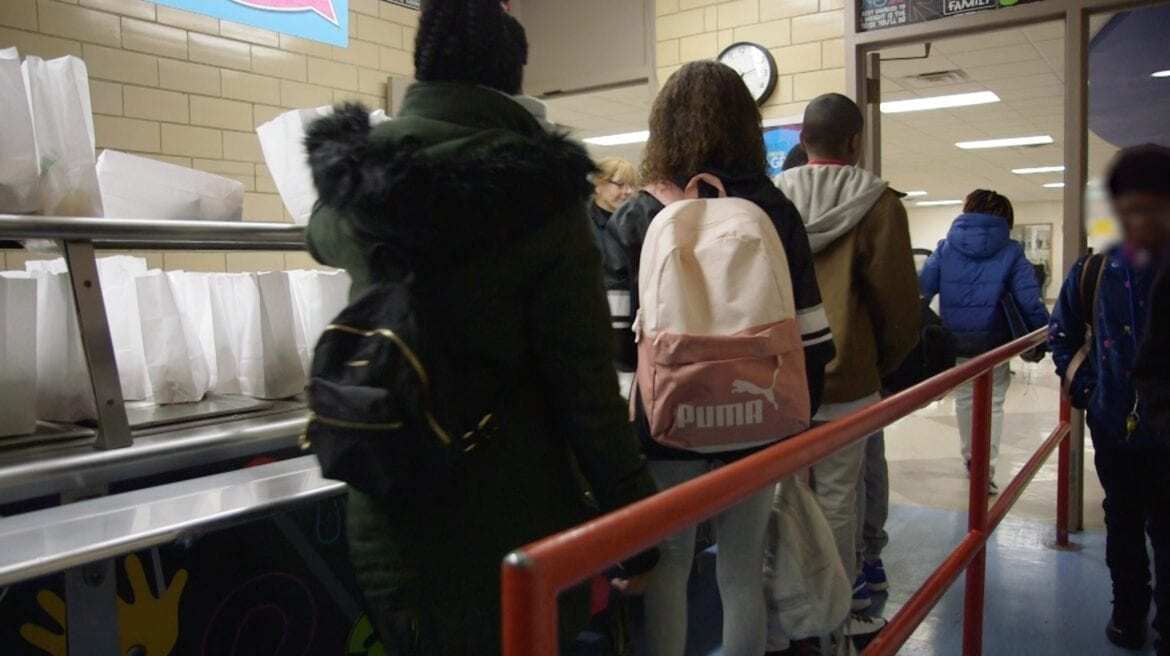
There Is A Way To Boost Achievement of Low-Income Students
The economic divide is a big driver of educational inequality around the country and here in the Kansas City area. But does that have to be a given? The hope is that the school of the future can narrow the…
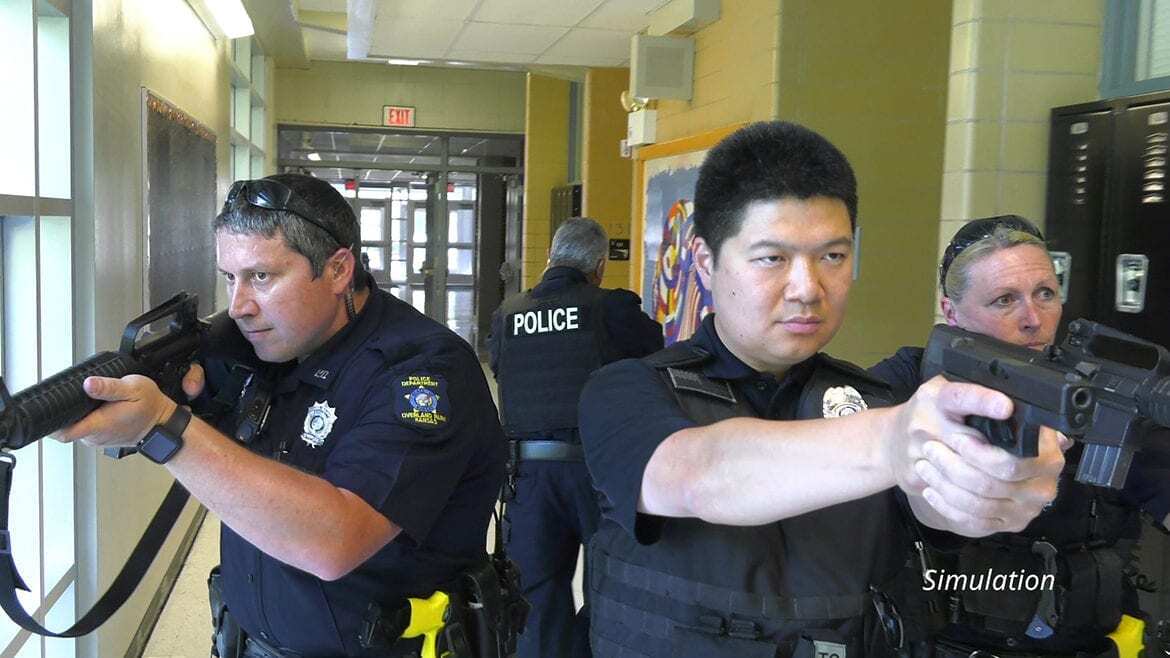
School Shootings Pit Safety Vs. Pedagogy
In the aftermath of World War II, amidst Cold War tensions with the Soviets, U.S. students practiced “duck and cover” drills to prepare for nuclear attack. Fast forward more than half a century, and one of the most common safety…
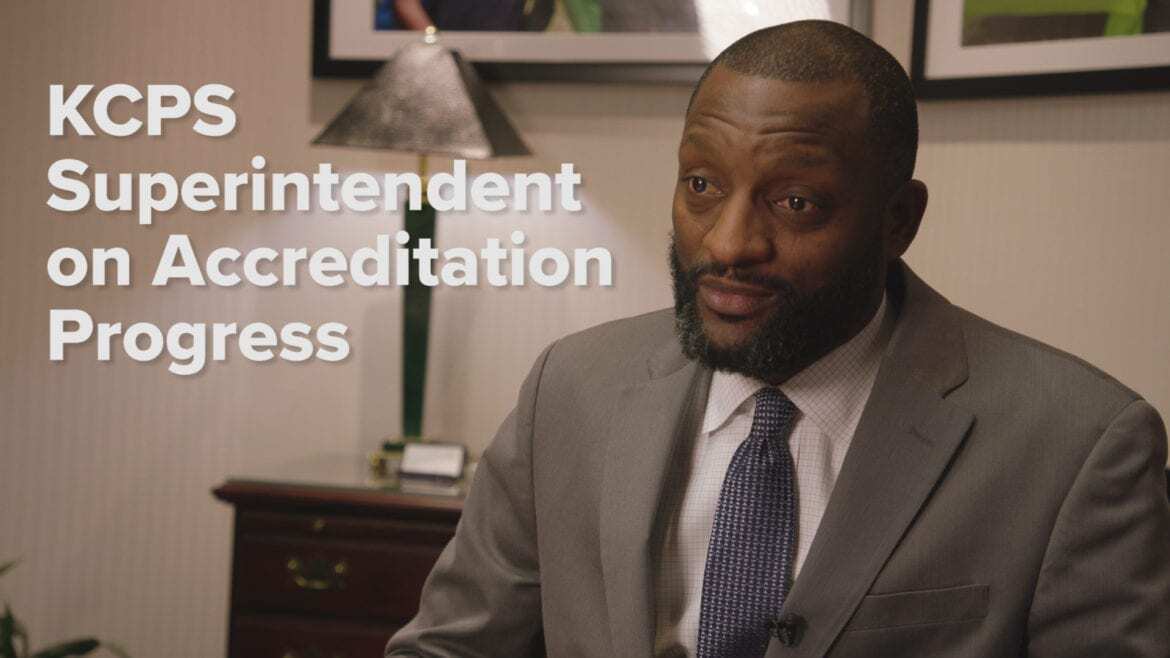
Kansas City Public Schools Takes Big Step Toward Full Accreditation
The Kansas City Public Schools district is one of just a handful throughout Missouri that is not fully accredited by the state, but that could change based upon annual performance results released today by the Missouri Department of Elementary and…

The Death of Cursive
Heather Kincaid remembers learning to write cursive at Raymore Elementary School back in the ‘90s. The curlicue method of shorthand excited her — it was something grownups could do. Through the repetitive classroom exercises, complete with wide-ruled paper resembling newsprint…
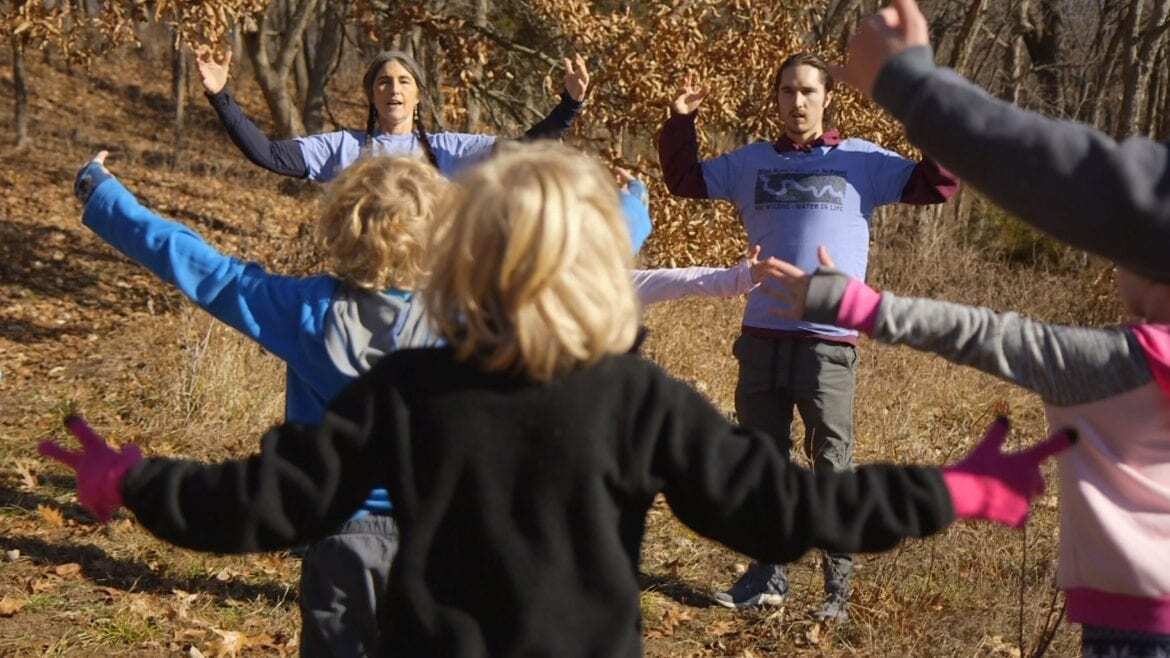
Fueling the Body and Mind in the School of the Future
A healthy diet. Regular exercise. Unplugging from technology. Sound familiar? Those are all things that adults know they should do. The same goes for kids, but just like grownups, they can fall short — sometimes through no fault of their…
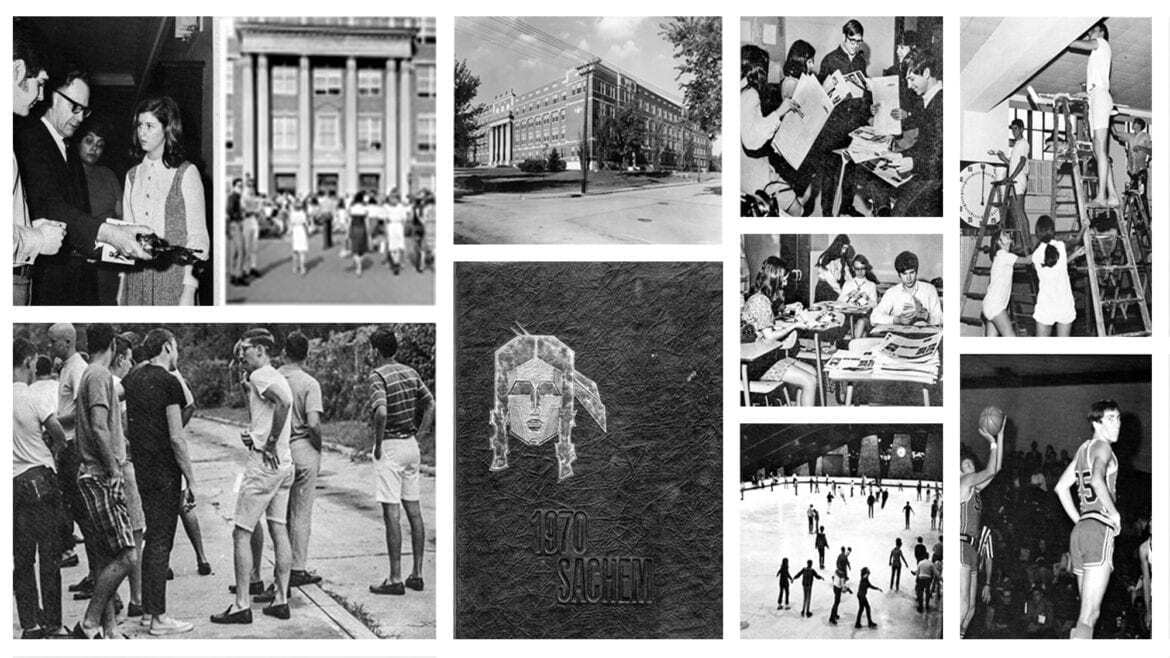
Southwest High was Once a Premier School. What Happened?
It boasts notable graduates, including acclaimed rapper Tech N9ne, the wealthy founders of H&R Block and celebrated journalist Calvin Trillin. Now Southwest High School is in decay and part of a heated debate about the future of public education in…
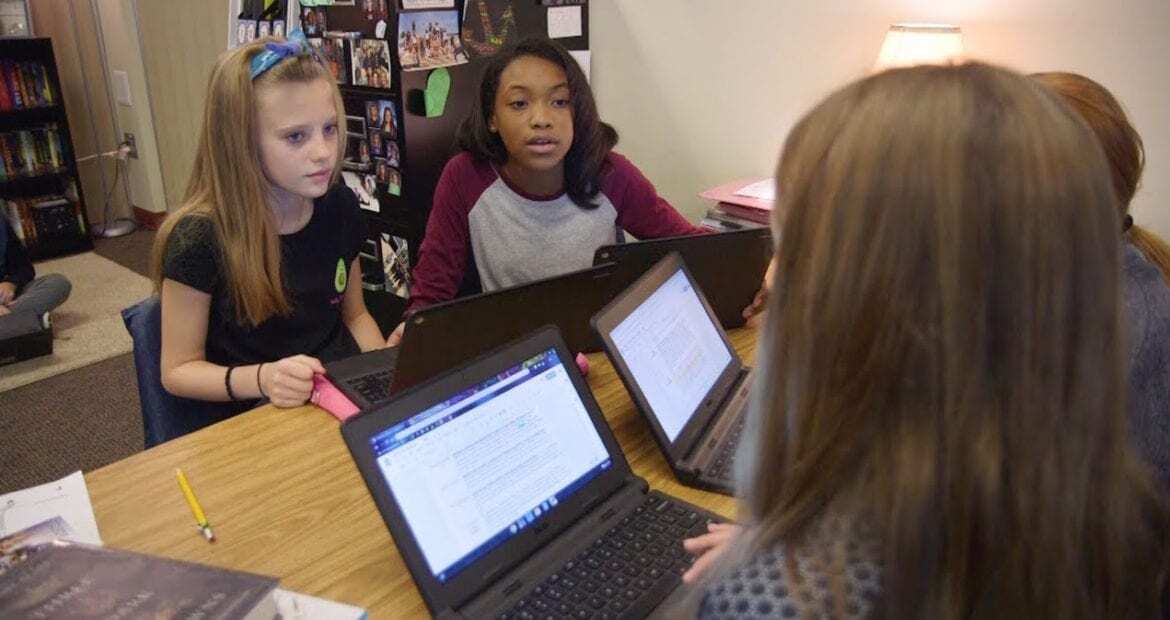
A Digital Downside: Cyberbullying
In the old days, the mean kid at school would rough up people on the playground or shove them out of the way at the water fountain. But the advent of technology has brought with it the person who harasses…
Grading the Soft Skills
It’s the time-honored question from students: when are we going to use this in real life? But as we have seen in this season of Take Note, schools are increasingly focused on the “soft” skills that are relevant for the…
Are School Buildings Obsolete?
A “school without walls” is typically a euphuism for a building that substitutes collaborative learning for the standard approach of stationing teachers in front of a classroom full of students. But the internet age has brought us to a point…
Season 1: The Way We Are
An in-depth look at education in the Kansas City metropolitan area, where we are, how we got here and where we need to go.
In the Kansas City region, the story of education has many chapters. Take Note uncovers where we are succeeding, asks how we can improve, and reports with an eye toward the future. From programs and policies that are shaping education across the nation to how they affect us here at home, we are committed to our city, our schools and our future. Together, we’ll tell the stories that matter, the stories that make an impact.
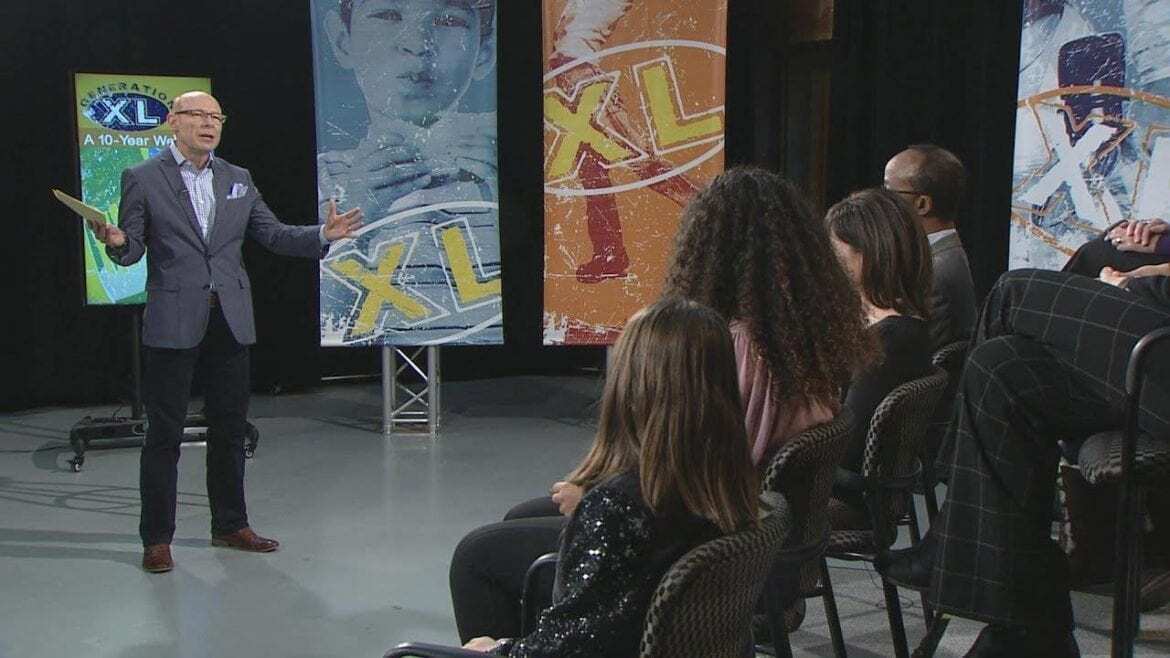
Generation XL: A 10-Year Weigh-In
Ten years after an in depth examination of the issues relating to childhood obesity, KCPT checks in to see what progress has been made to address the issues that cause obesity. Week in Review Host Nick Haines discusses where we…
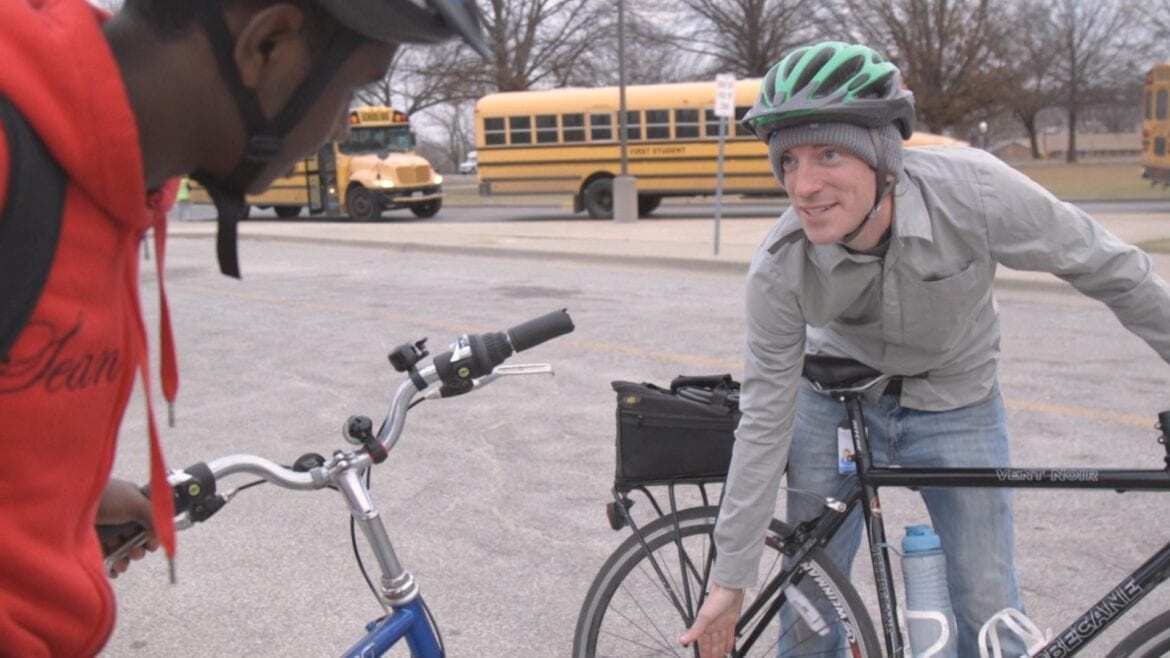
“E” Is For Exercise
A decade ago, Kansas City Public Television aired a 10-part series, Generation XL, which examined “the obstacles and challenges facing schools in their battle against sedentary lifestyles and bad eating habits among children.” Through Take Note, we are checking in…
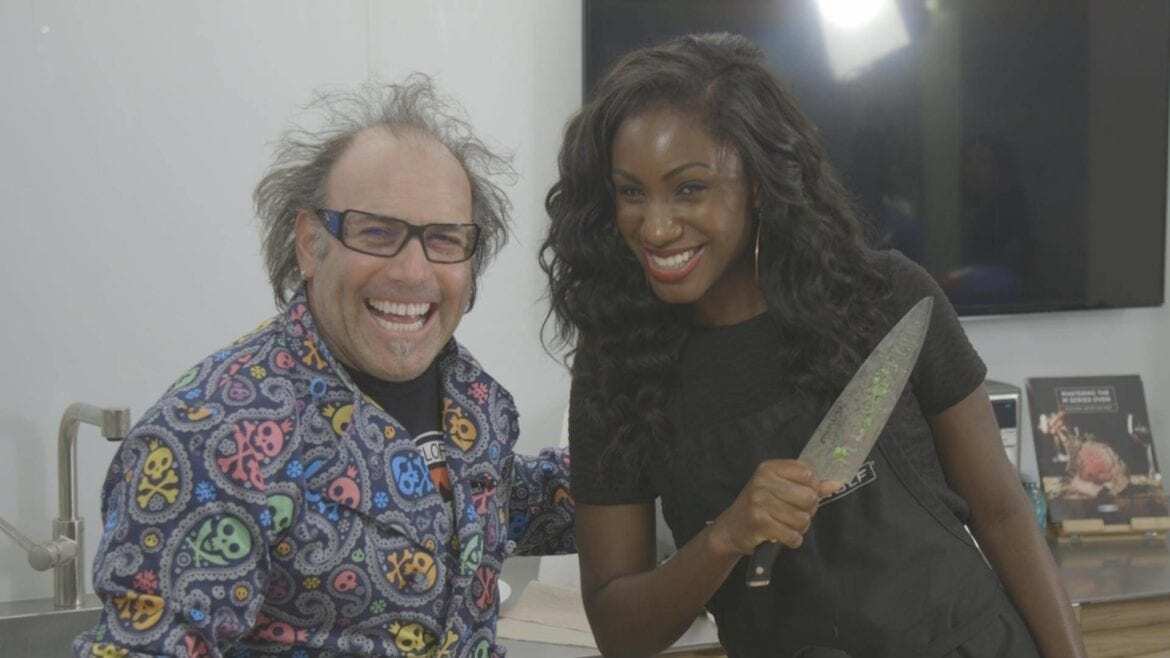
Say Cheese!
A decade ago, Kansas City Public Television aired a 10-part series, Generation XL, which examined “the obstacles and challenges facing schools in their battle against sedentary lifestyles and bad eating habits among children.” Through Take Note, we are checking in…
Tipping The Scale
Like every dieter, the Kansas City region has made its share of resolutions. We would, collectively, move more and consume less. We would cut down on barbecue and stock up on vegetables. Most significantly, we would halt the alarming increase…
Just This
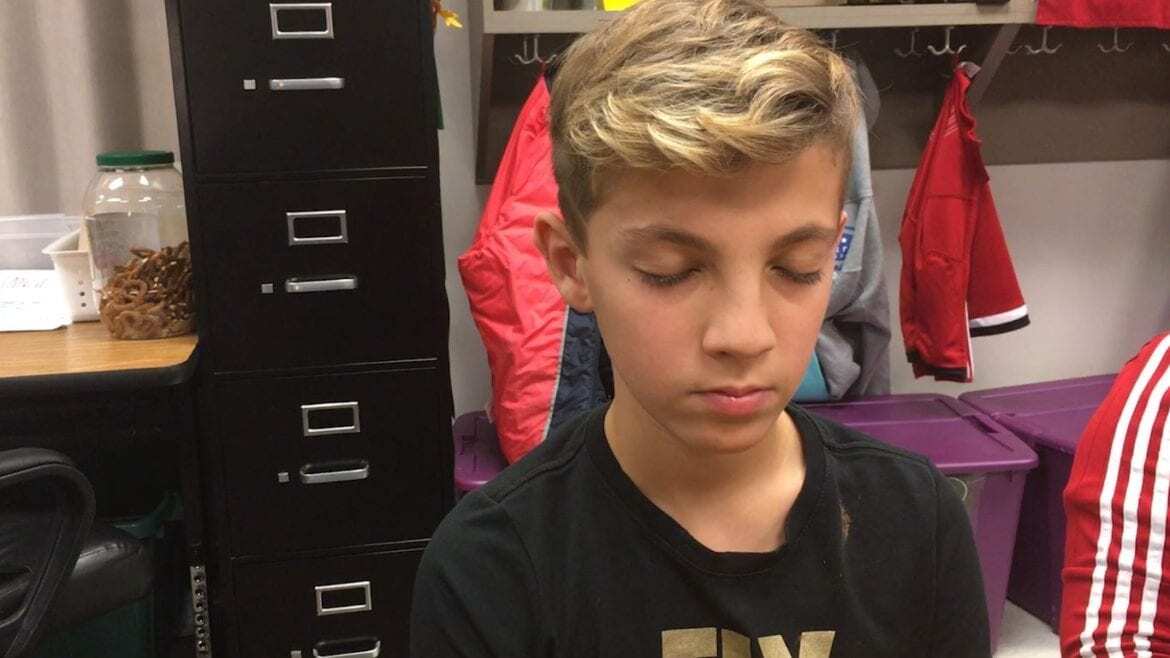
Kansas City Public Schools District Superintendent Mark Bedell has embraced a three-pronged approach to reduce suspensions and counteract ineffective discipline measures. It involves the implementation of restorative justice, the use of meditation, and a focus on growing the district’s mentorship…

Week In Review: School Choice in Missouri
Across Missouri, there’s swirling speculation that Gov. Eric Greitens and the State Board of Education plan to oust education commissioner Margie Vandeven and make a bigger push for the expansion of charter schools. Watch KCPT Week in Review host Nick…
How Kansas City Schools Are Using a Restorative Justice Approach to Discipline
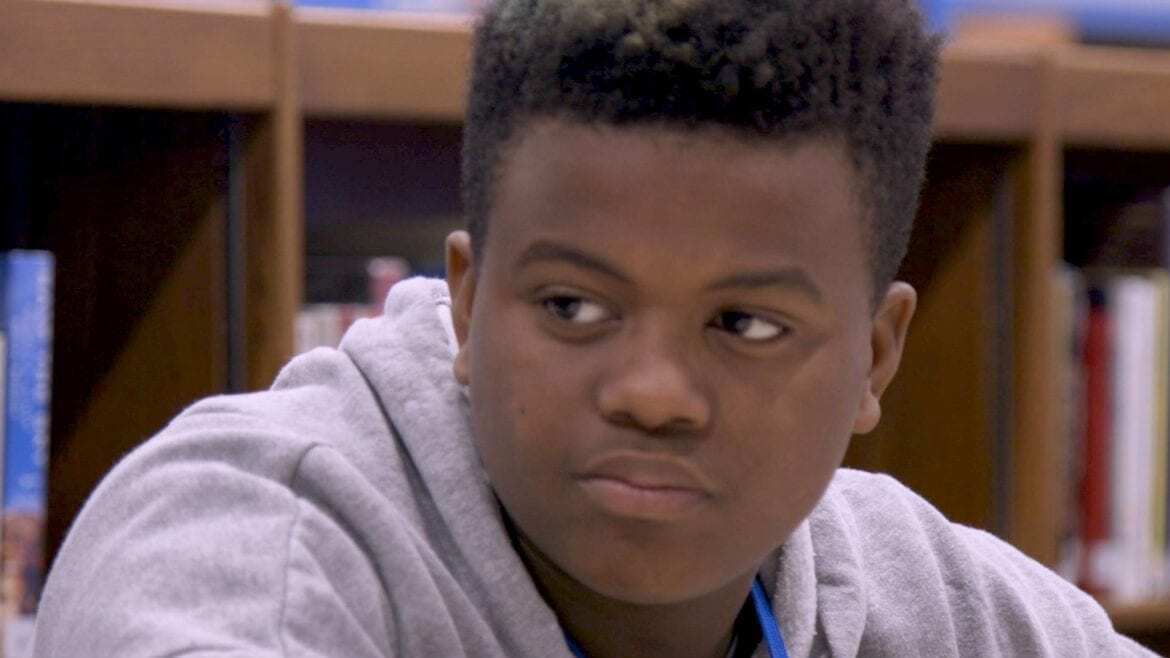
Kansas City Public Schools Superintendent Mark Bedell is approaching discipline reform with a three-part plan focused on restorative justice, meditation and mentorship. As Take Note begins its examination of the plan, we explore the components of restorative justice and its…
Too Much of a Good Thing?
Choice can be a double-edged sword when complexity is the opposite side of opportunity. Indeed, some education advocates in Kansas City argue that it’s hard for some families to navigate a school landscape that offers more than 30 elementary options…
Creating Change from Tragedy
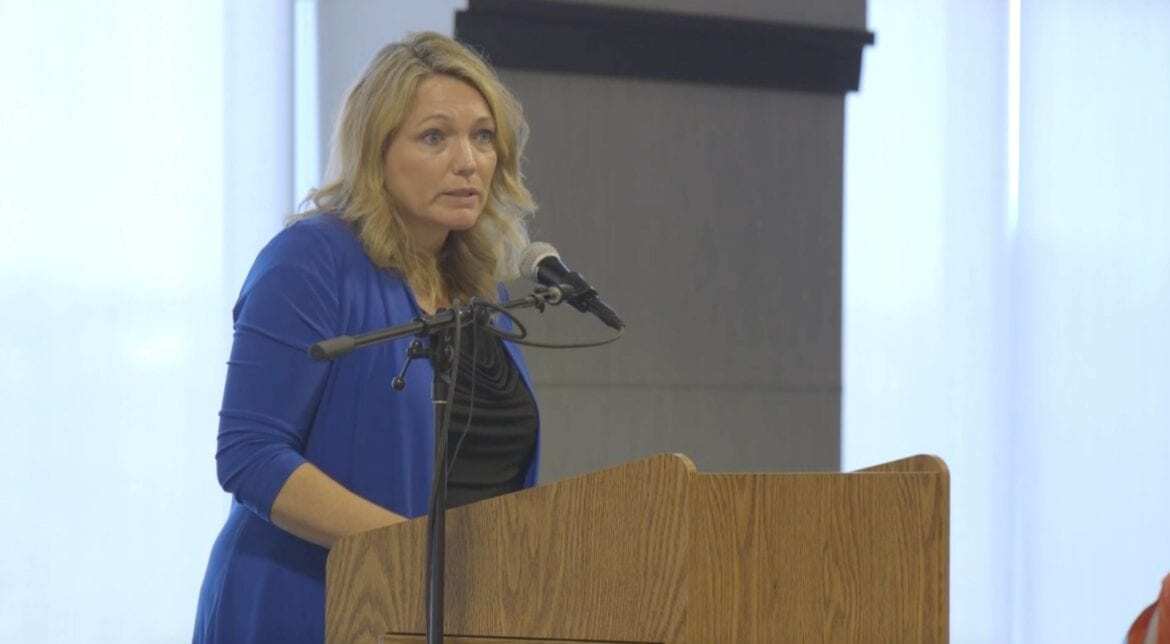
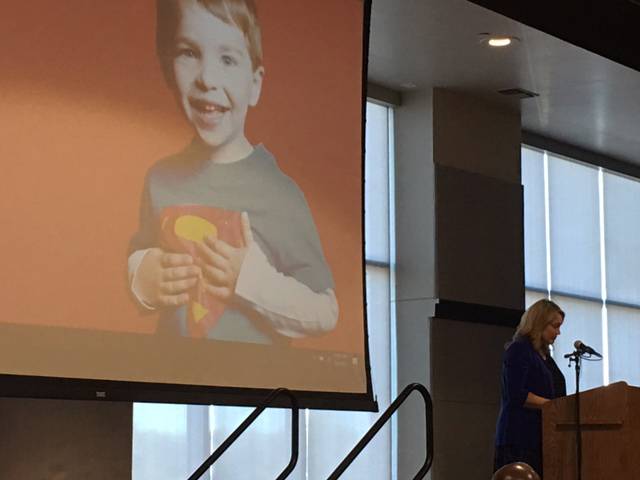
Nicole Hockley’s son, Dylan, was one of 20 first graders killed at Sandy Hook Elementary in 2012. After the tragedy, she and other Sandy Hook parents founded Sandy Hook Promise to lobby for background checks. That was part of what…
Learning from Sandy Hook
Part of Nicole Hockley is frozen in a world before Dec. 14, 2012, when her 6-year-old son Dylan would pretend he was a butterfly. “He’s my beautiful baby boy with captivating eyes and infectious giggle and warm deep cuddles. He…
Presenting Sponsor

Community Sponsor