
Water
Downstream
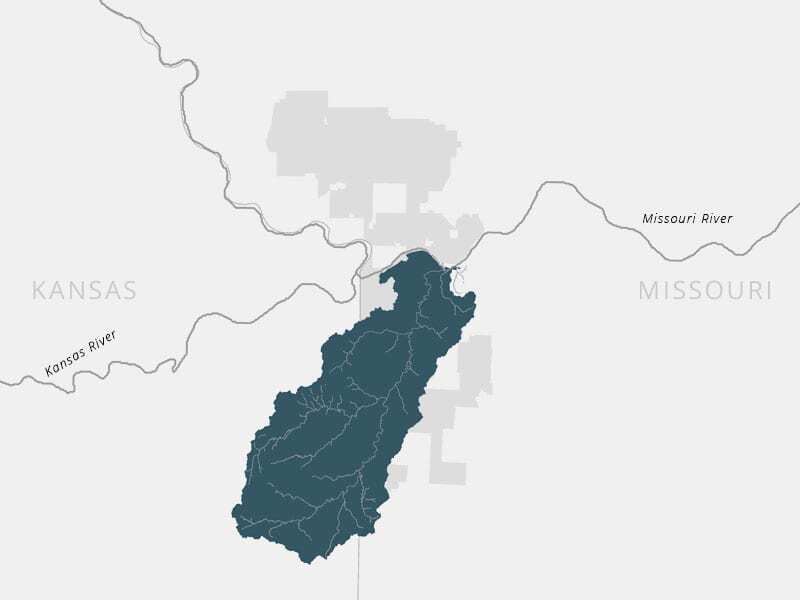
Downstream As Kansas City Grows, Rivers Become Increasingly Urbanized By: Jesse Howe Kansas City is served by multiple watersheds, the Blue River being the largest. (184,998 Acres) The watershed runs through four counties before it reaches the Missouri River. 54 percent of the watershed is in Kansas 46 percent is in Missouri Approximately 63 percent of…
Water Rates and Rivers
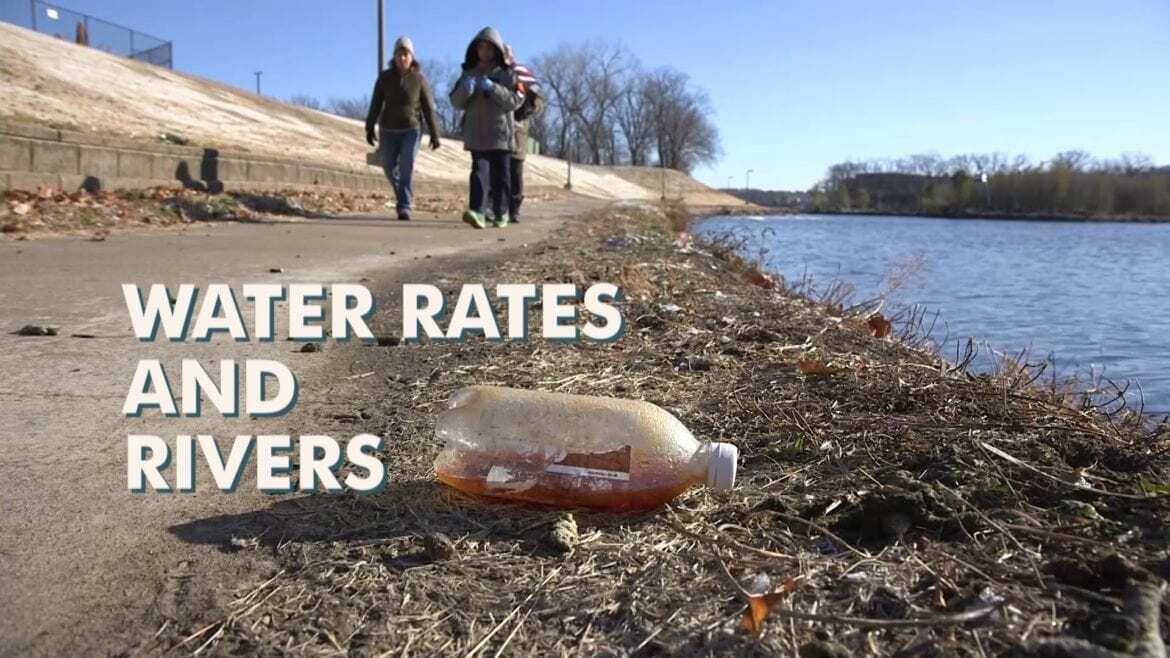
Water Rates and Rivers explores the reasons behind the steep climb in Kansas City water rates and asks “Was this inevitable and is it fair?” The hike in prices is largely explained by a federal mandate requiring KCMO to upgrade its sewage system and to reduce pollution of the Blue River watershed. But to what…
Testing the Water in Our Watershed
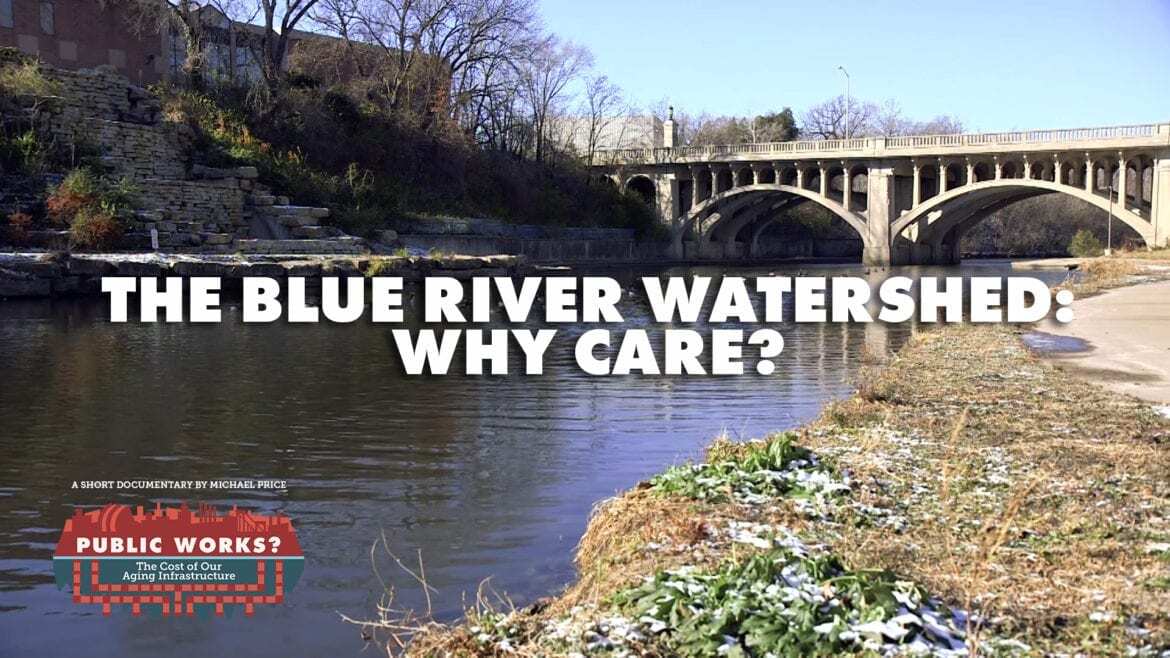
From road salt to pet waste to runoff when it rains, the Blue River and its tributaries have been polluted over time. So much so that in 2010 the EPA gave Kansas City 25 years to reduce the amount of raw sewage dumped into the watershed. Lynn Youngblood, executive director of the Blue River Watershed Association,…
Our Watershed | A History of Brush Creek
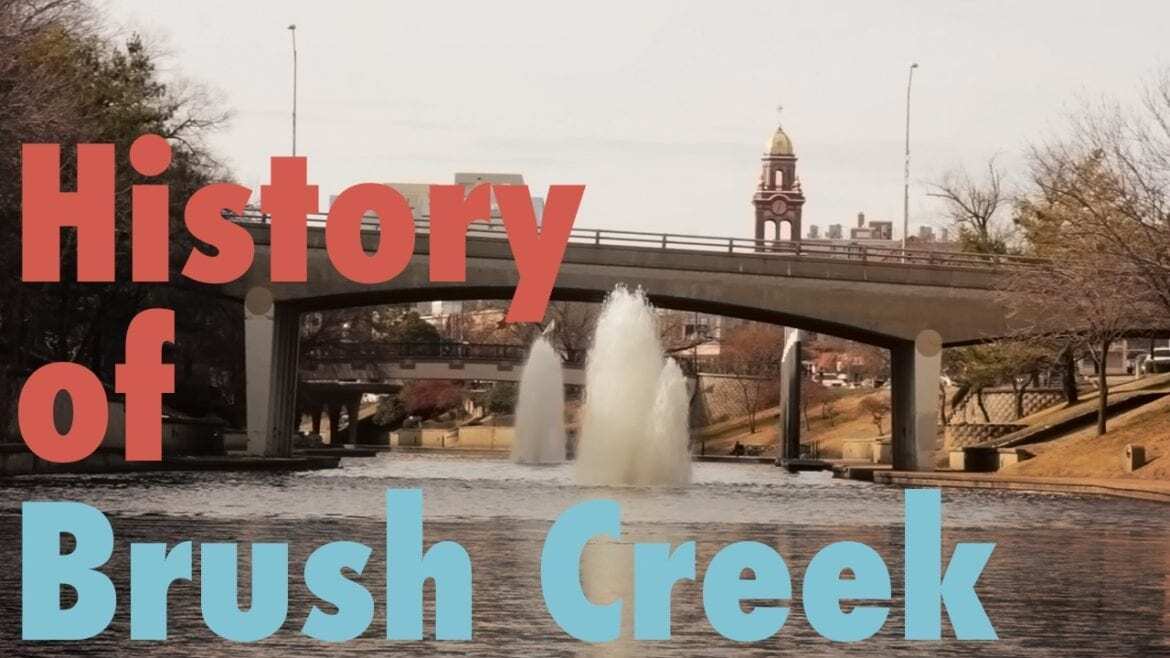
From questions of quality — think Flint, Michigan — to questions of access — think the Dakota Access Pipeline — understanding our finite resource of water starts at home. Our story starts with Brush Creek, a landmark in the heart of Kansas City named for the brush that once grew on its sides. Brush Creek,…
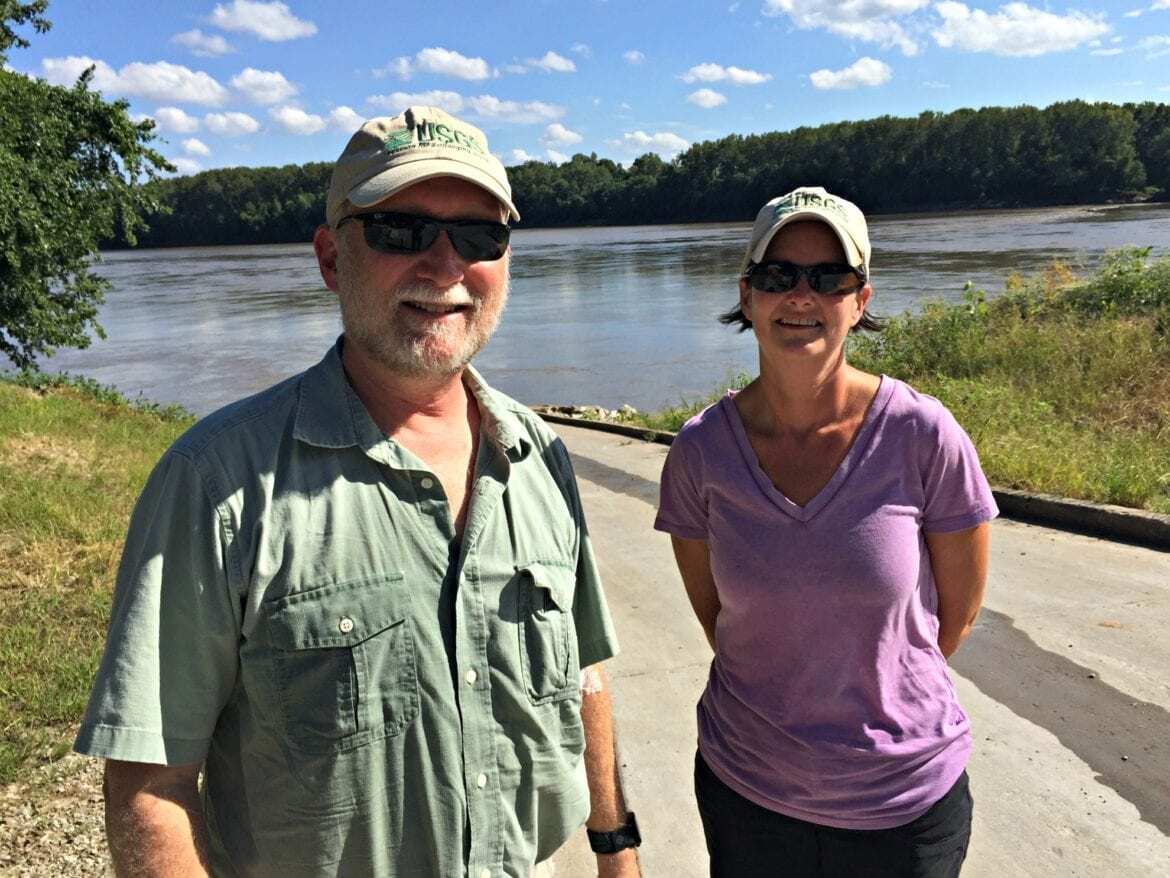
Watching Our Water | Researching New Ways Farmers Can Fight Gulf’s ‘Dead Zone’
Farming in the fertile Midwest is tied to an environmental disaster in the Gulf of Mexico. But scientists are studying new ways to lessen the Midwest’s environmental impact and improve water quality. The National Oceanic and Atmospheric Administration (NOAA) forecasts the so-called “dead zone,” an area of sea without enough oxygen to support most marine…
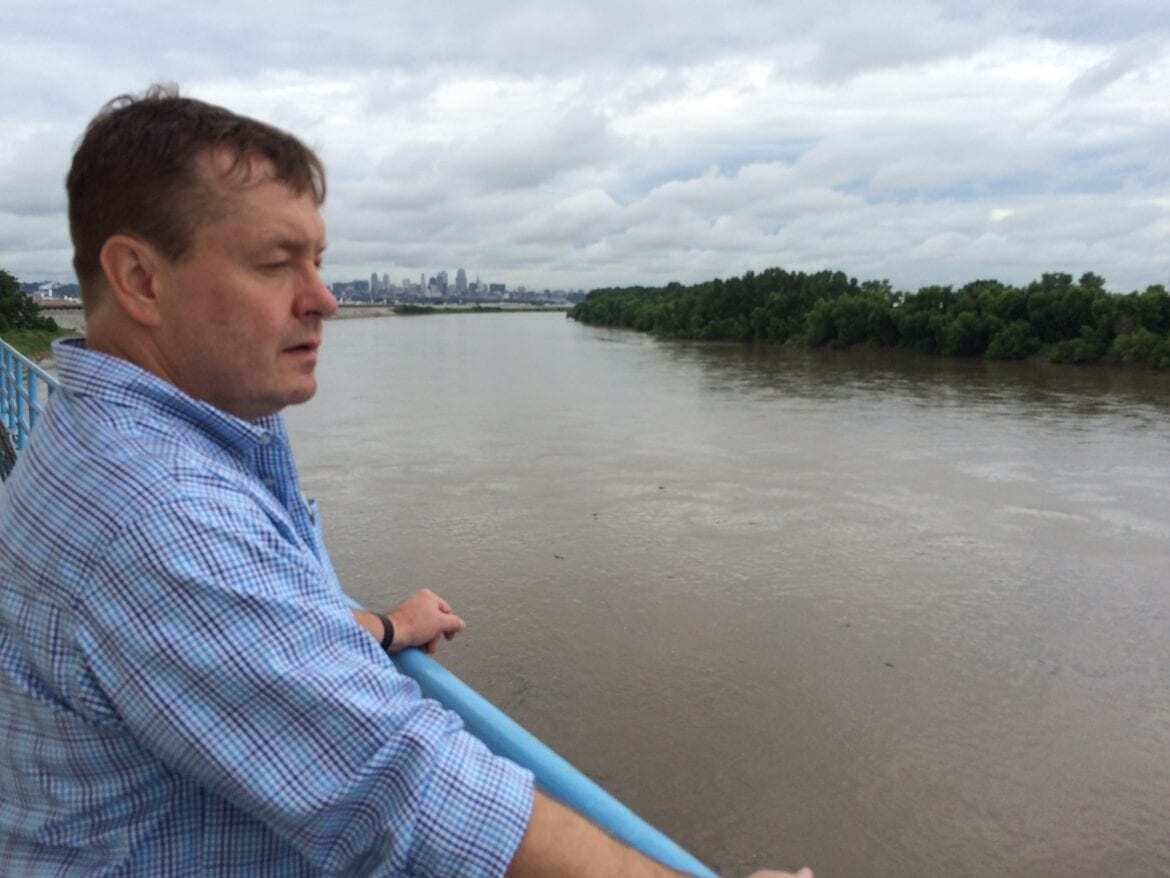
Watching Our Water | Cities Cope with Polluted Ag Runoff, Create Their Own Pollution, Too
Standing on a platform above the eastern bank of the Missouri River at the Kansas City, Missouri, Water Services’ intake plant is like being on the deck of a large ship. Electric turbines create a vibration along the blue railing, where David Greene, laboratory manager for Kansas City Water Services, looks out across the river….
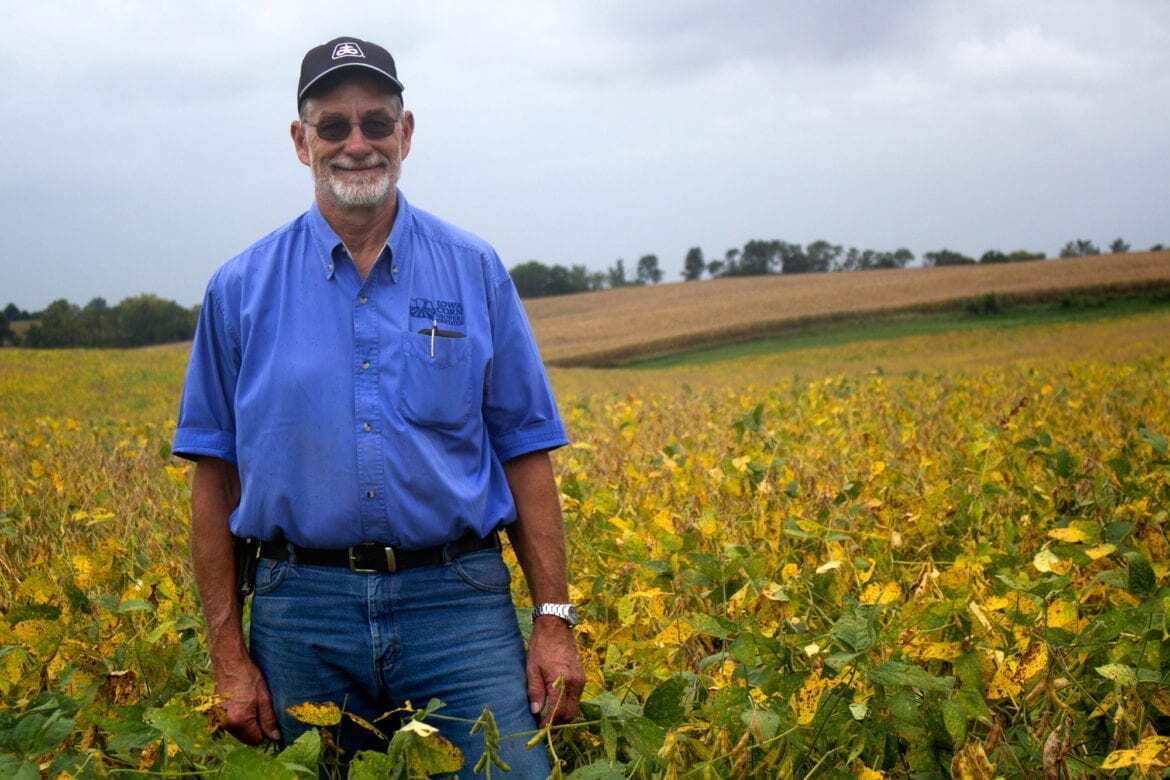
Watching Our Water | Farmers Dabble in Voluntary Measures to Stop Harmful Runoff
On a gray day, just as the rain begins to fall, Roger Zylstra stops his red GMC Sierra pick-up truck on the side of the road and hops down into a ditch in Jasper County, Iowa. It takes two such stops before he unearths amid the tall weeds and grasses what he’s looking for. “Here…
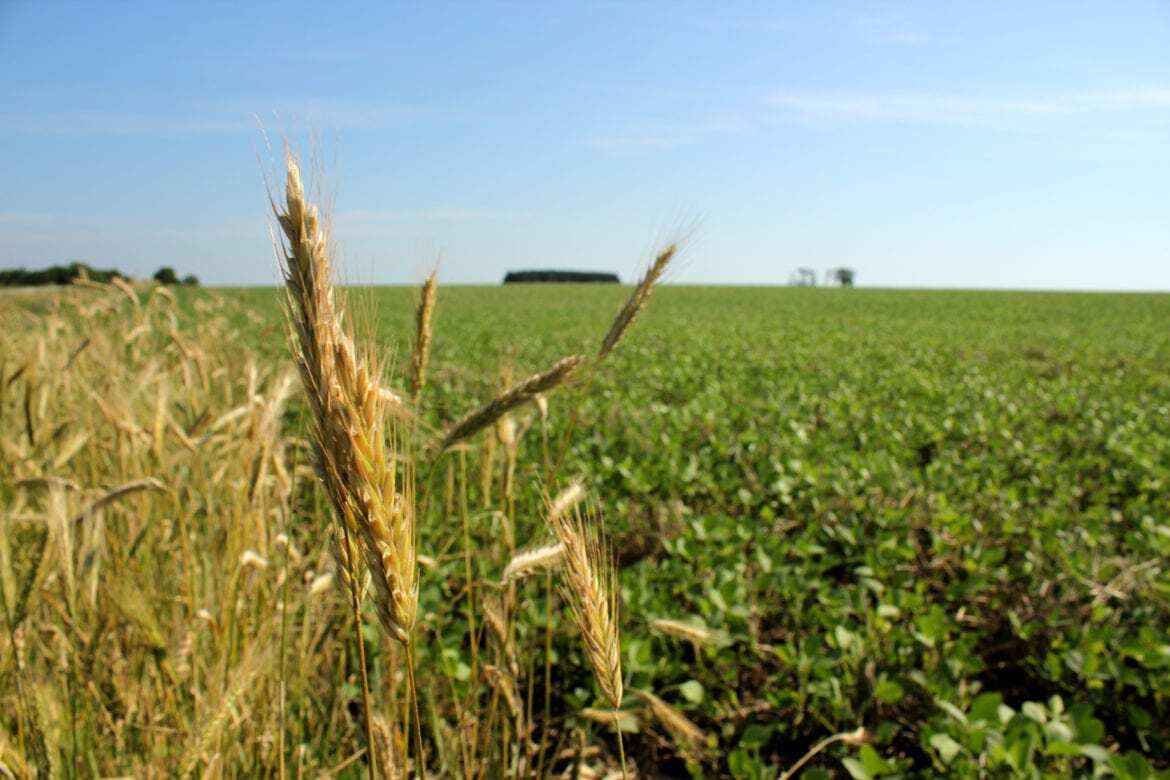
Watching Our Water | Farmers Feel Pressure to Fight Agriculture Water Pollution
Living in the Platte River Valley in central Nebraska means understanding that the water in your well may contain high levels of nitrates and may not be safe to drink. “When our first son was born in 1980, we actually put a distiller in for our drinking water here in the house,” says Ken Seim,…
Watching Our Water | How Are Nitrates Ending Up In Drinking Water Supplies?
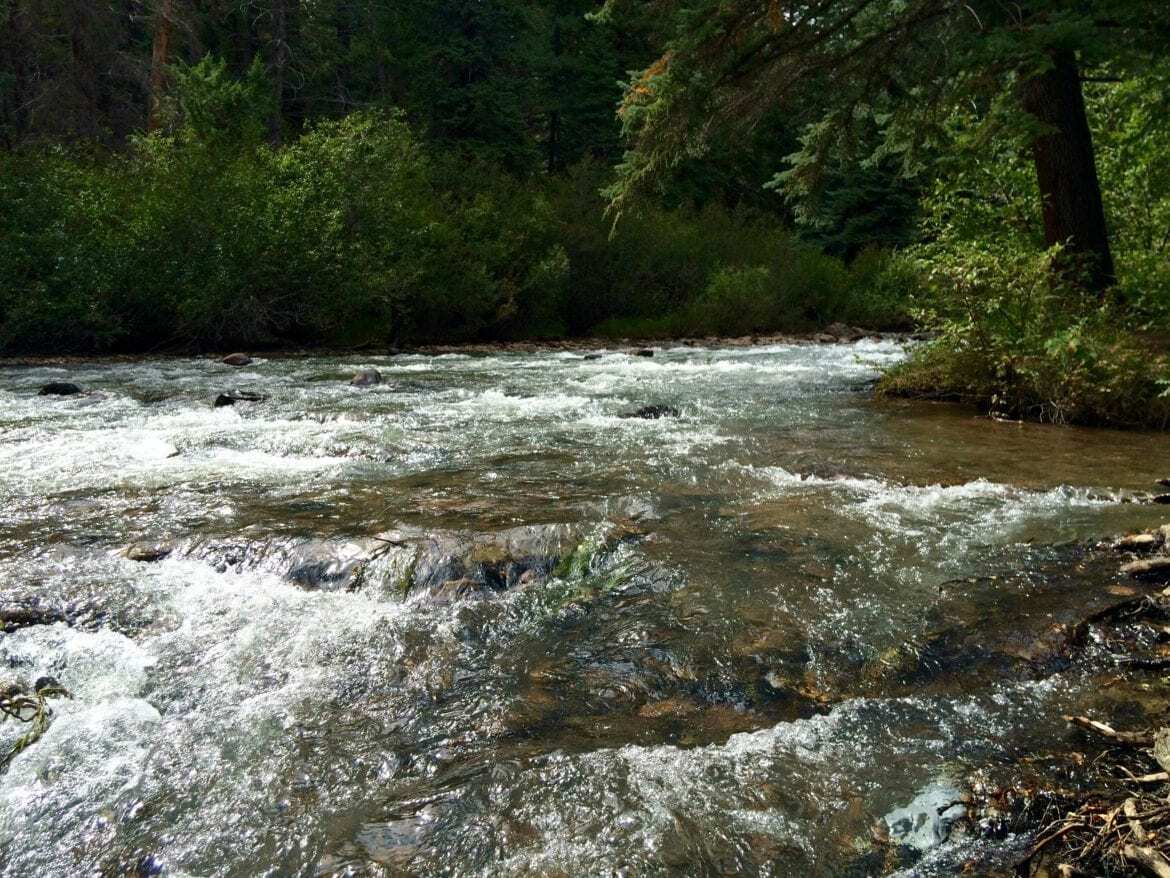
Contaminated drinking water isn’t just a problem for Flint, Michigan. Many towns and cities across the Midwest and Great Plains face pollution seeping into their water supplies. A big part of the problem: farming and ranching. Farmers spread nitrogen- and phosphorous-based fertilizers on their fields to help their crops grow. Excess nutrients, though, can leach…
Watching Our Water | A Special Report
Watching Our Water is a five-part series in partnership with Harvest Public Media. Follow the entire series on Flatland through Friday, Sept. 23, and look for the half hour documentary that evening at 8 p.m. on KCPT. How does pristine water running off of snowpack high in the Rocky Mountains end up as a floating chemical…
- « Previous
- 1
- 2
- 3
- 4
- Next »