
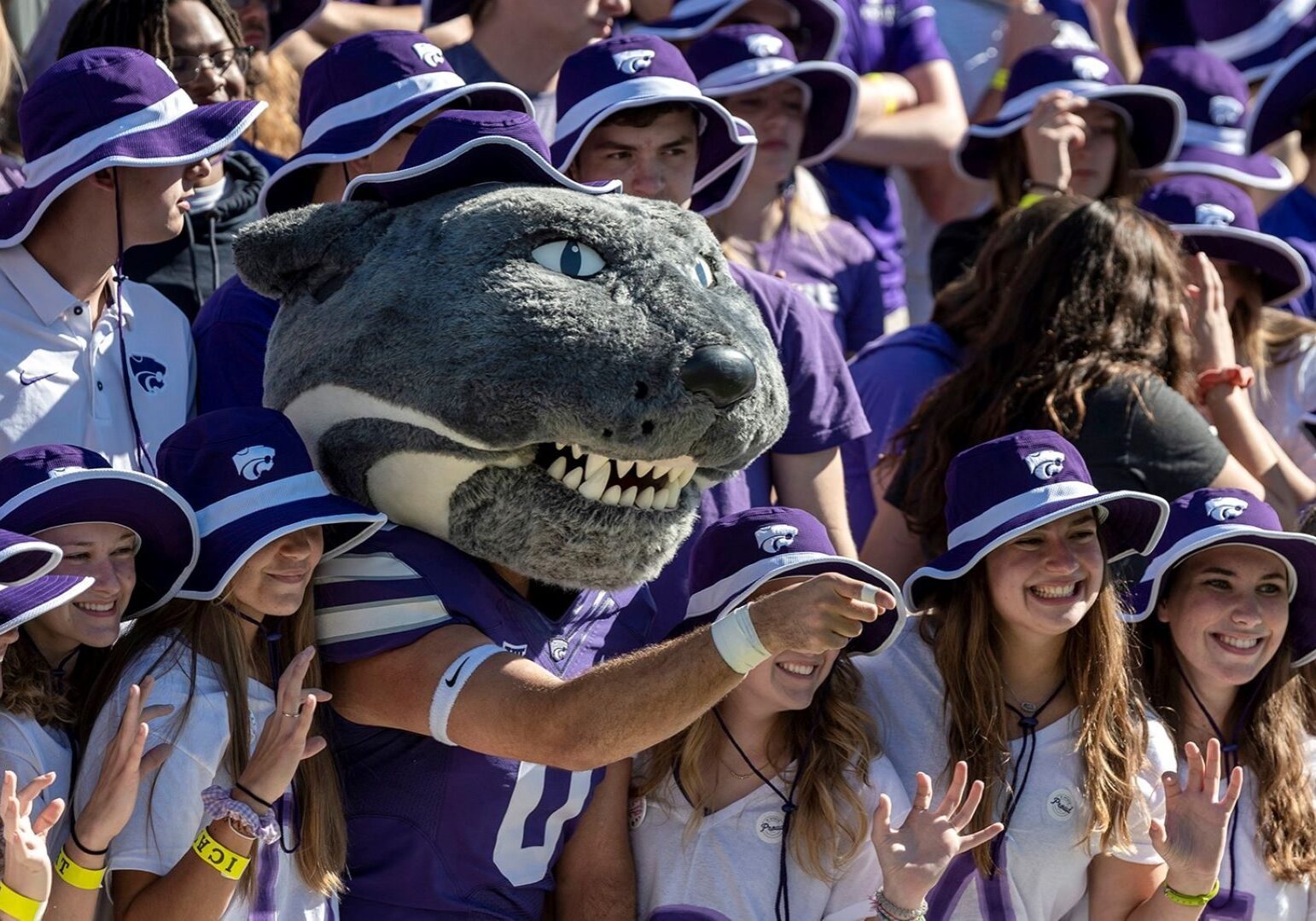
Kansas College Towns Await Potentially ‘Disastrous’ Verdict on Big 12 Fall Sports
August 12, 2020 | Noah Taborda, KCUR 89.3 | 4 min read
TOPEKA, Kan. — Business leaders and owners in Kansas’ biggest college towns are bracing for an announcement on the status of fall sports for the Big 12 conference — a decision which could further damage already weakened local economies.
The Big 12 board of directors, along with key administrators from each of the 10 member schools, met Tuesday evening over the phone to discuss plans for sports, including football and issued no public statement following its conclusion. They were joined by athletic directors and medical experts to determine if there is a safe way to progress with the upcoming seasons.
“We appreciate our fans being patient as we work through all of the various details and scenarios of playing sports this fall. These are unprecedented times with extreme fluidity, and we are making every effort to be as expeditious and cautious as we can,” said Kansas State University Athletic Director Gene Taylor. “We hope to be in a position very soon to convey those to our fans.”
The Big Ten and Pac-12 conferences canceled fall sports earlier Tuesday and will look into options to play during the spring. The SEC and ACC conferences released statements Tuesday evening standing by their decisions to play this fall. Eyes nationwide are on the Big 12 now, whose decision could force the remaining conferences to follow suit.
The biggest impact in Kansas, however, may be felt in the local economies of Manhattan and Lawrence, where restaurants, lodging and retailers stand to lose significant revenue if Kansas State Wildcats and Kansas Jayhawks football games are canceled.
“There will be a very negative impact on local business, both from spending by visitors traveling to college towns, who often stay overnight and by residents who spend more than they often would on game day,” said Ted Bolema, executive director of the Institute for Economic Growth at Wichita State State University.
No football also means no televised games broadcasting images of the area. The loss of game day camera crews could impact exposure and cause longer-lasting issues for tourism. Bolema estimated losses easily in the millions for both Kansas Big 12 college towns.
Local Revenue Loss
Despite having a noteworthy basketball team that occupies much of the headlines, Lawrence business still sees the biggest bump from college football game day weekends.

Direct visitor sales for the 2019 full football season in Lawrence is estimated at nearly $18.5 million and total sales of over $27 million, said Michael Davidson, executive director for Explore Lawrence, the city’s convention and visitors bureau.
“That weekend’s events are felt by every industry segment in our community, directly or indirectly,” Davidson said. “Restaurants run out of food. Hotels are booked. It would certainly be difficult to make up for that.”
Davidson added that a fall without football would require significant modifications by businesses in their day-to-day affairs to reduce costs. He pinpointed lodging, restaurants and retail among the most at-risk businesses.
Those industries are vulnerable in Manhattan, as well, where the average spend per person per game day is approximately $300 to the local economy.
“You’re going to need lodging, then maybe you tailgate before the game and head over to Aggieville to grab a drink to celebrate after the game,” said Karen Hibbard, director of the Manhattan convention and visitors bureau. “This decision could ripple and linger for some time.”
Every sector of the Manhattan local economy is likely to feel some effect of any cancellation, Hibbard said. Without visitors on game day, the onus may fall on the Manhattan community to support these businesses.
“Our businesses are doing their best to create a safe environment, but they are going to struggle if this decision goes unfavorably, and they are going to need to make up that money somewhere,” Hibbard said. “I’d just remind everyone to support the local economy in any way they can.”
Noah Taborda reports for the Kansas Reflector, a nonprofit news operation covering Kansas state government and politics.
Reading these stories is free, but telling them is not. Start your monthly gift now to support Flatland’s community-focused reporting.
Related Stories
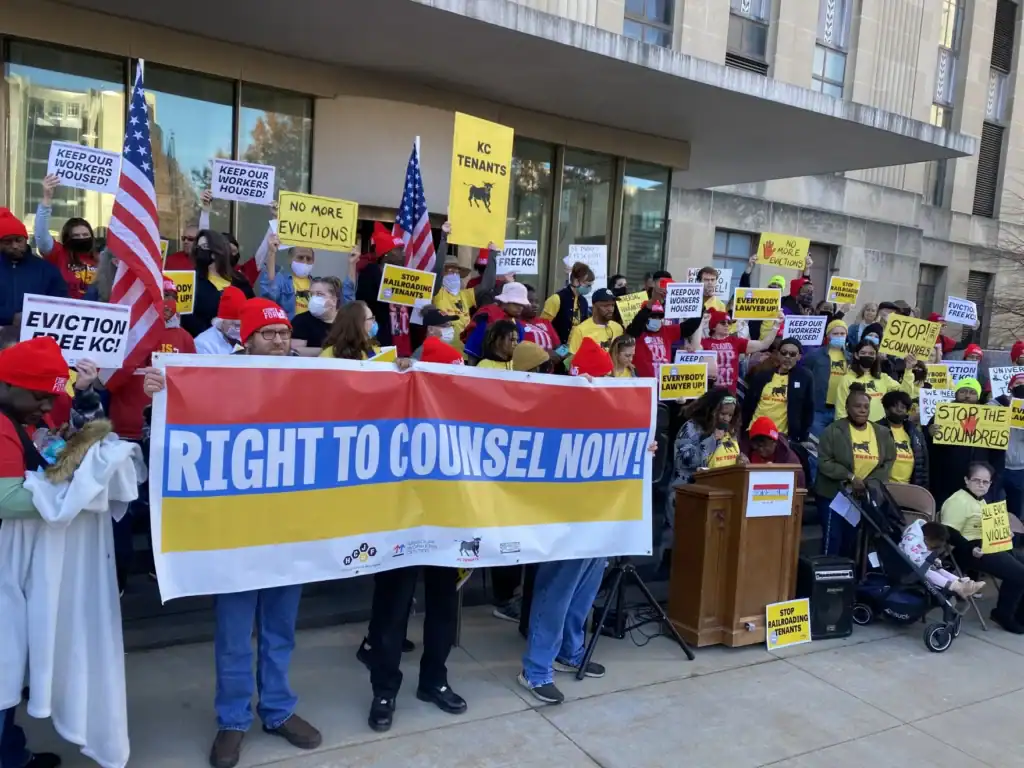
Kansas City Helping Renters Avoid Eviction
On any given Thursday, a small hallway in the Jackson County Courthouse crowds with tenants, landlords, and attorneys arriving for their scheduled hearings and trials. The scene unfolds on Floor 7M, which is half the height of the building’s other levels, and is where Associate Circuit Judge Mary Weir recently worked through 55 eviction cases…
Nick’s Picks | Costco, Homicides, Rain and More …
Is Missouri's congressional map saga over? It seems so, but who knows if there will be another twist or turn. That story and more ...

Nick’s Picks | Obama Visits KC, Debates and Fall’s Arrival
Obama in KC With Election Day just six weeks away, some of the nation’s top political names are now rolling through Kansas City. Last week, Vice President JD Vance was in town. This week, it’s Barack Obama. The former president takes the stage Saturday at the Overland Park Convention Center for a leadership event hosted…