
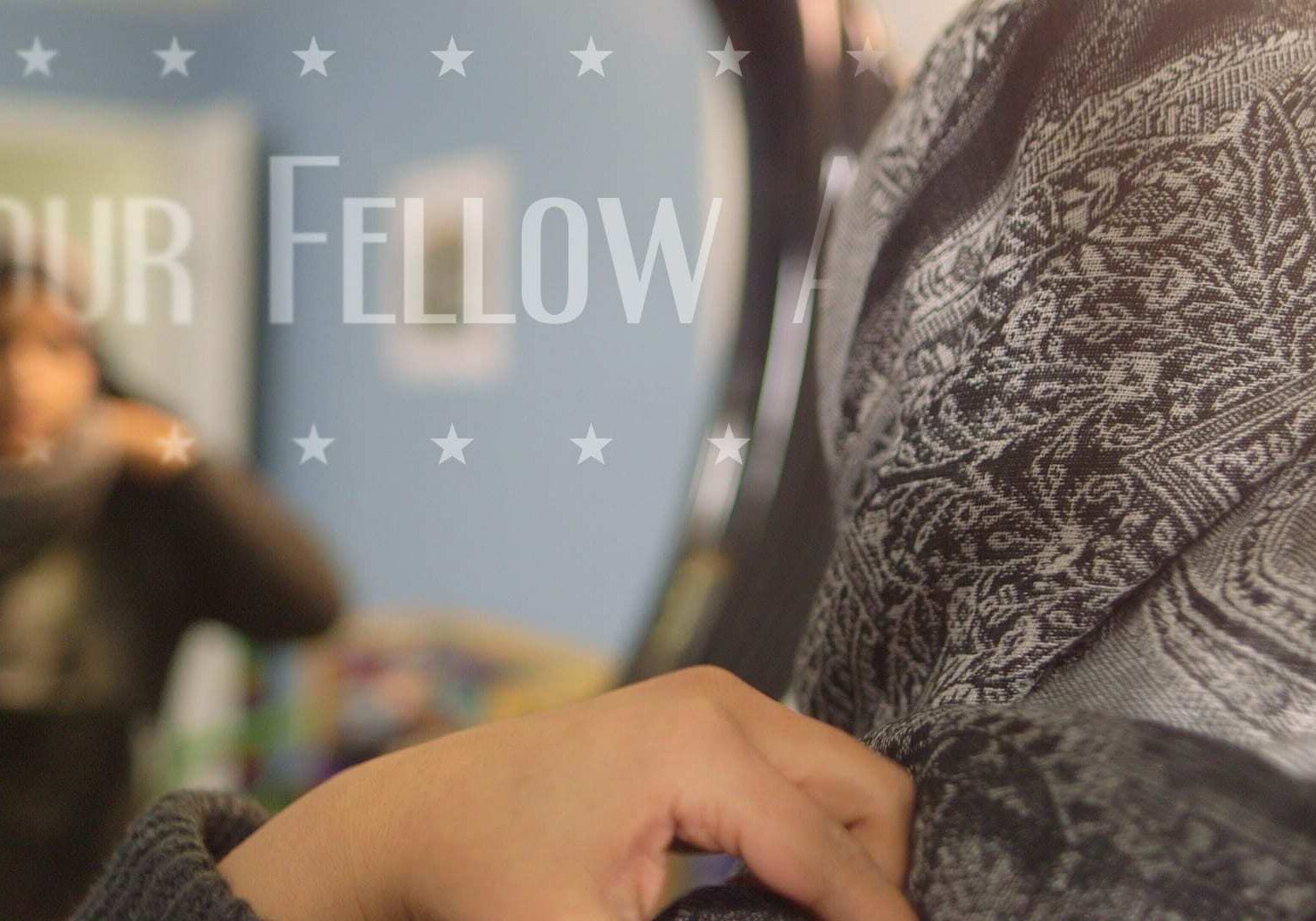
Hidden Beauty: The Malek Family, Part 3
March 12, 2015 | Christopher Cook, Nathaniel Bozarth | 2 min read
Altaf and Shaheen Malek immigrated to the United States in 2007 from Gujarat, India. They came at the insistence of Altaf’s sister, who sponsored their immigration. Altaf, then the owner of a well-established electronics shop, and Shaheen, a pharmacist, did not jump at the opportunity to leave their well-established life. After discussing it heavily, and seeking feedback from others in their community, they decided to leave everything behind and start over in the United States for the sake of their children, Tanzeem (then 11) and Ayan (then 7).
The family first moved to North Carolina, living near Altaf’s sister who did what she could to help them acclimate to their new country. In 2008, they moved to the Kansas City area and slowly felt more and more at ease in their new environment, though they often feel like outsiders. Atlaf’s parents, Mohammed and Zubeda Malek immigrated in the late 90’s and now live in the Kansas City metro area as well.
“We are just submitting to the will of our God and that’s why we follow him and dress the way we dress.” – Shaheen Malek
In February of 2015, the Your Fellow Americans team spent the afternoon with this Indian-American family, joining them around the dinner table and on trips back and forth to their local mosque. The Malek’s shared with us their thoughts on race, immigration, and the American Dream.
In this video, the Malek women discuss why they chose to wear headscarves, or hijabs, to cover their head and hair and how it serves their God.
—
KCPT’s Hale Center for Journalism presents Your Fellow Americans, a documentary web series exploring race, immigration and the American Dream. In this pilot season, join multiple generations from six different families as they discuss their American experience around the dinner table. Watch episodes, go behind the scenes and join the conversation at kcpt.org/yourfellowamericans.
Reading these stories is free, but telling them is not. Start your monthly gift now to support Flatland’s community-focused reporting.
Related Stories

Nick’s Picks | Fan Fest, Streetcar, Liquor and More …
World Cup Begins The wait is finally over. The first ball of the 2026 World Cup will be kicked Thursday, ushering in 5 ½ weeks of competition across the United States, Canada and Mexico. It’s also opening day for Kansas City’s FIFA Fan Fest at the National World War I Museum and Memorial—our first real…
Nick’s Picks | March Madness, Jail Opens, St. Paddy’s & More
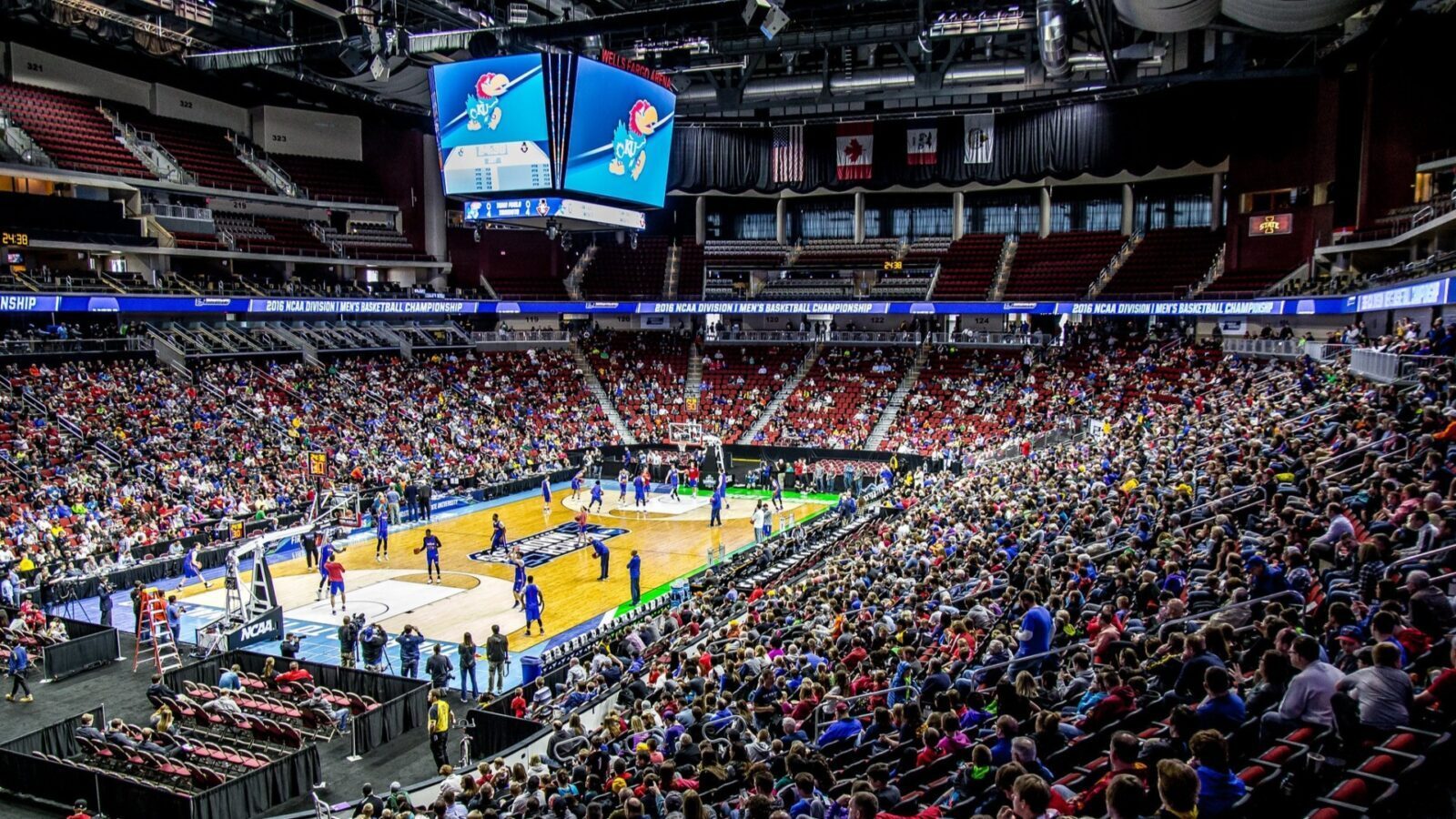
The Madness Begins ‘Tis the season for buzzer beaters, broken brackets and according to HR experts, plummeting productivity. Welcome to March Madness! The NCAA Men’s and Women’s Basketball Championships tip off this week. KU and Mizzou play their first games late Friday night in the men’s tournament. Missouri State is the only local team to…
New Johnson County Sculpture Memorializes ‘Trail of Death’
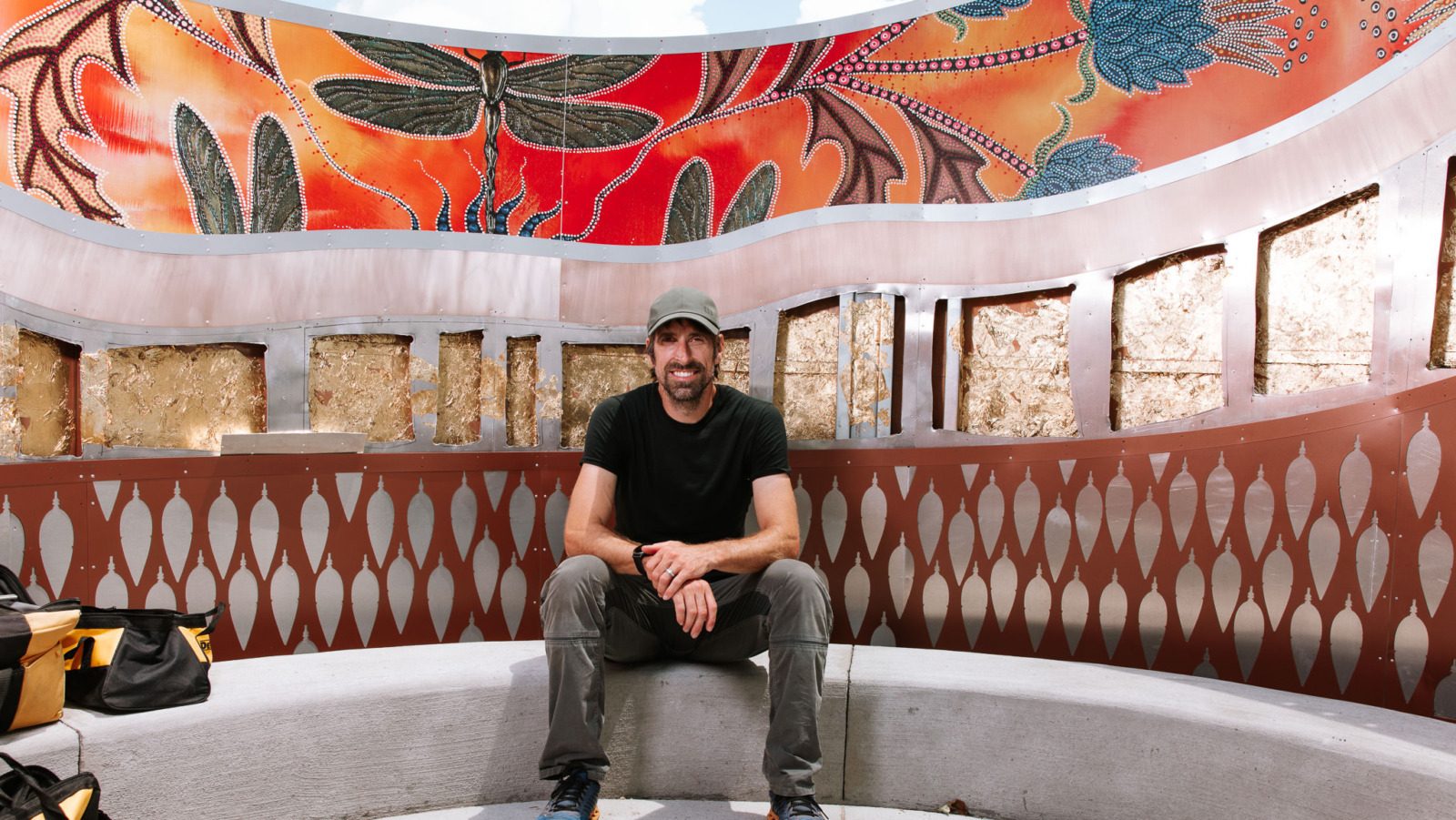
It’s common for Aaron Squadroni to interact with people interested in his art. But usually it’s completed work in a gallery, not an unfinished piece near a lake. Squadroni, along with Leah Yellowbird, created Fire Keepers Circle, a new public artwork commemorating the Potawatomi Trail of Death. The piece is in Heritage Park in Olathe….