
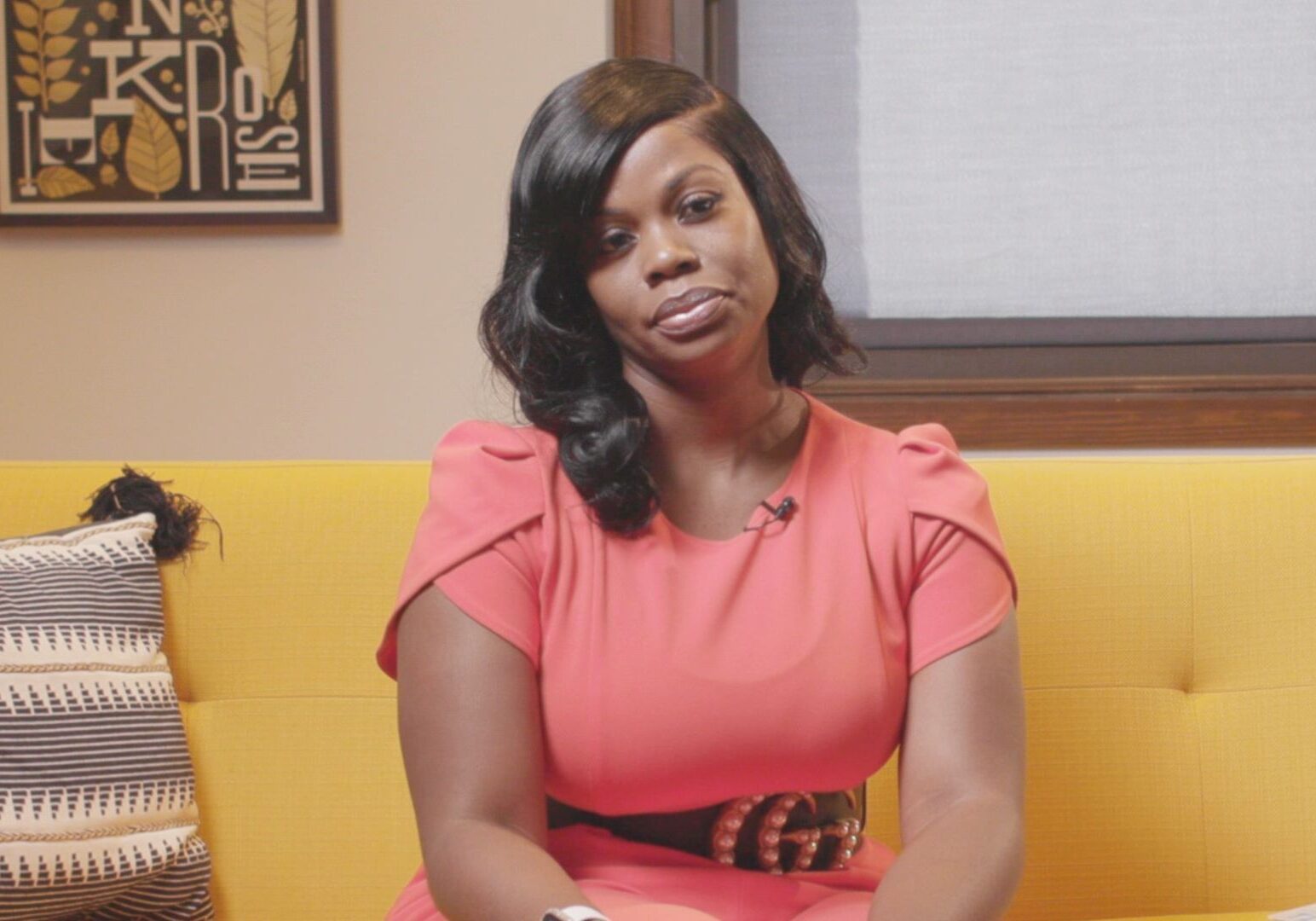
A Dream Come True: Candance Wesson Helps Women Succeed After Prison
November 7, 2022 | Joe Robertson, John G. McGrath | 4 min read
Candance Wesson was falling, lost like all the incarcerated women around her, when she sprung awake in the dark of her prison bed.
She’d gone to sleep, troubled again by the suffocating fear that she and her fellow inmates had little to hope for beyond the razor wire after being branded as felons.
Out of a dream, as if from God, she had a vision.
She saw herself leading a program back at home in Kansas City that would help incarcerated women – many of them mothers like herself – re-enter society with resources, contacts, housing support, wellness and hope.
She saw what would become The HelpKC.
Changemakers: Candance Wesson
“Please, Lord,” she prayed, “let me remember this in the morning.”
It was October 2012. She was far from home, serving a 20-month sentence in a federal prison in Waseca, Minnesota, as one of three defendants who pleaded guilty to presenting false tax claims – a first-time, non-violent offender from a family that had no other prison experience.
“I didn’t want to be labeled a felon,” Wesson said.
She kept a grip on her vision, remembering who she was – an entrepreneur, an achiever and a mother – even as her time in prison and then at a halfway house in Kansas City seemed bent on breaking her spirit.
The halfway house offered no support or programming, but dispatched its residents daily with orders to “get a job” under the constant threat of being sent back to prison if they failed. She became more aware of the lack of help for formerly incarcerated women as her job search met rejection after rejection.
“I stopped counting after 23,” she said. “McDonald’s wouldn’t even hire me.”
Finally, another halfway house resident connected her with a relative who owned a property management company. Wesson got a job cleaning buildings. And before long she was managing properties. Now, at last, she could pursue her vision.
She peddled her idea urgently, fresh with the experience of seeing the plight of other women in the halfway house – many of whom could not read or write a letter or even properly fill out a job application – and no one was helping them.
A meeting with Troy Schulte, then the city manager of Kansas City, Missouri, helped her get her first grant and launch her dream in June 2016. But the struggle for funding would continue.
“It is extremely difficult to operate a program such as this on a shoestring budget,” she said. “Women have a unique set of needs that have to be fulfilled, and when they look to me for help and I can’t fulfill that need, that’s heartbreaking.”
Since its inception, The HelpKC has helped more than 250 women get back on their feet with feminine hygiene products, gas cards, bus passes, employment skills, life skills and other social services referrals.
The organization has helped families celebrate Christmas every year by adopting the families of formerly incarcerated women, helping the women and their children enjoy the holiday.
“People don’t realize that women’s incarceration is different than men’s,” Wesson said. “Because women most of the time are the caregivers of children and they must reconnect the family.”
Wesson’s vision is growing. One of the stiffest obstacles she has met is finding affordable housing. She’s watched too many of them drift away from home or move into crowded, stressful living situations.
The HelpKC is working on providing a living facility for women in transition. Wesson aims to provide a haven that will help even more with her program’s mission of delivering healthier outcomes, relief from mental stress, opportunity and hope.
“We’re going to be the solution to our own problem,” she said.
Joe Robertson is a writer for the Local Investment Commission (LINC).
Reading these stories is free, but telling them is not. Start your monthly gift now to support Flatland’s community-focused reporting.

Related Stories
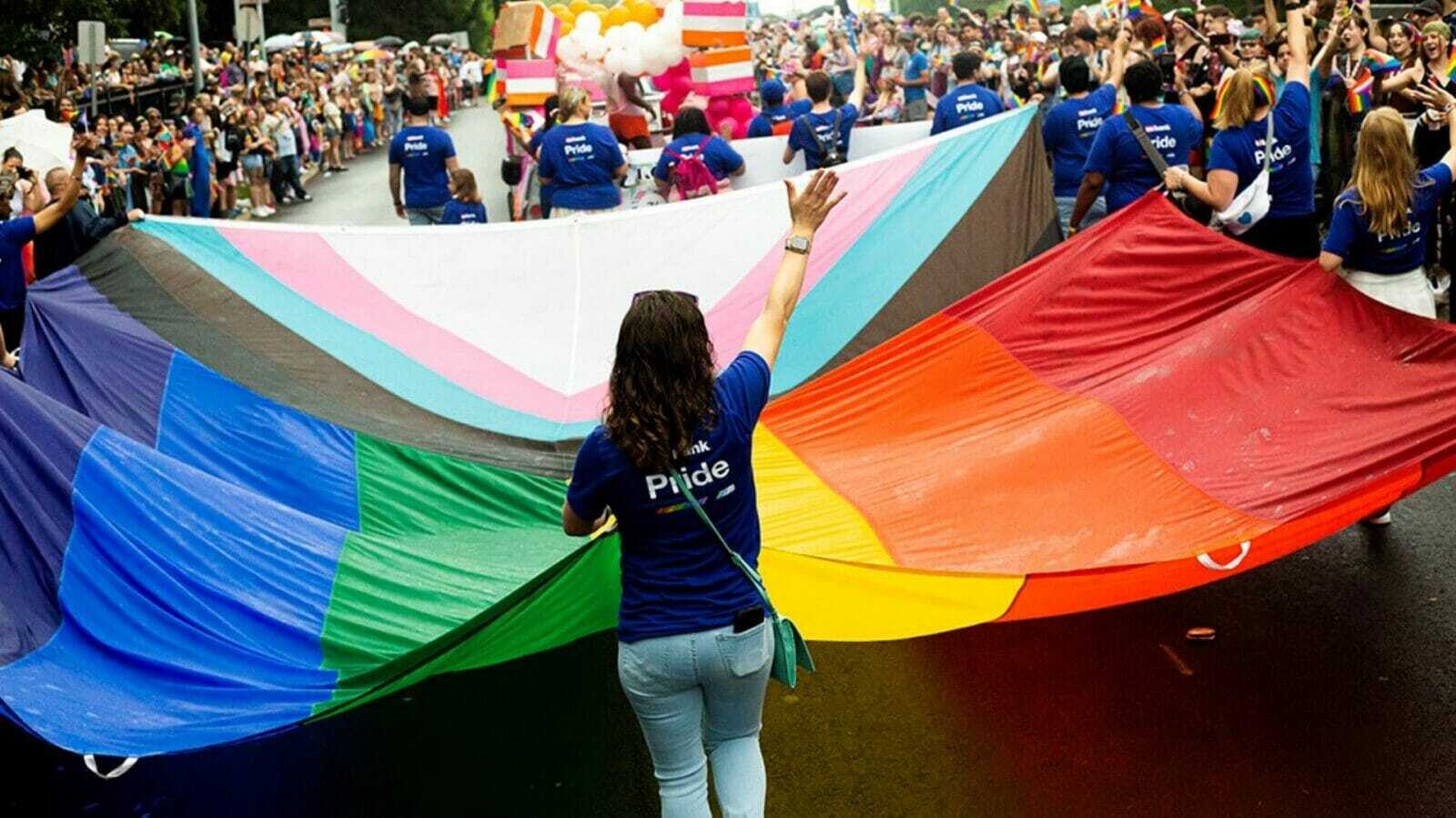
Kansas City Pride Parade 2023
The Kansas City Pride Parade is one of the nation's largest. Flatland was there on Saturday to document this year's huge turnout in video.
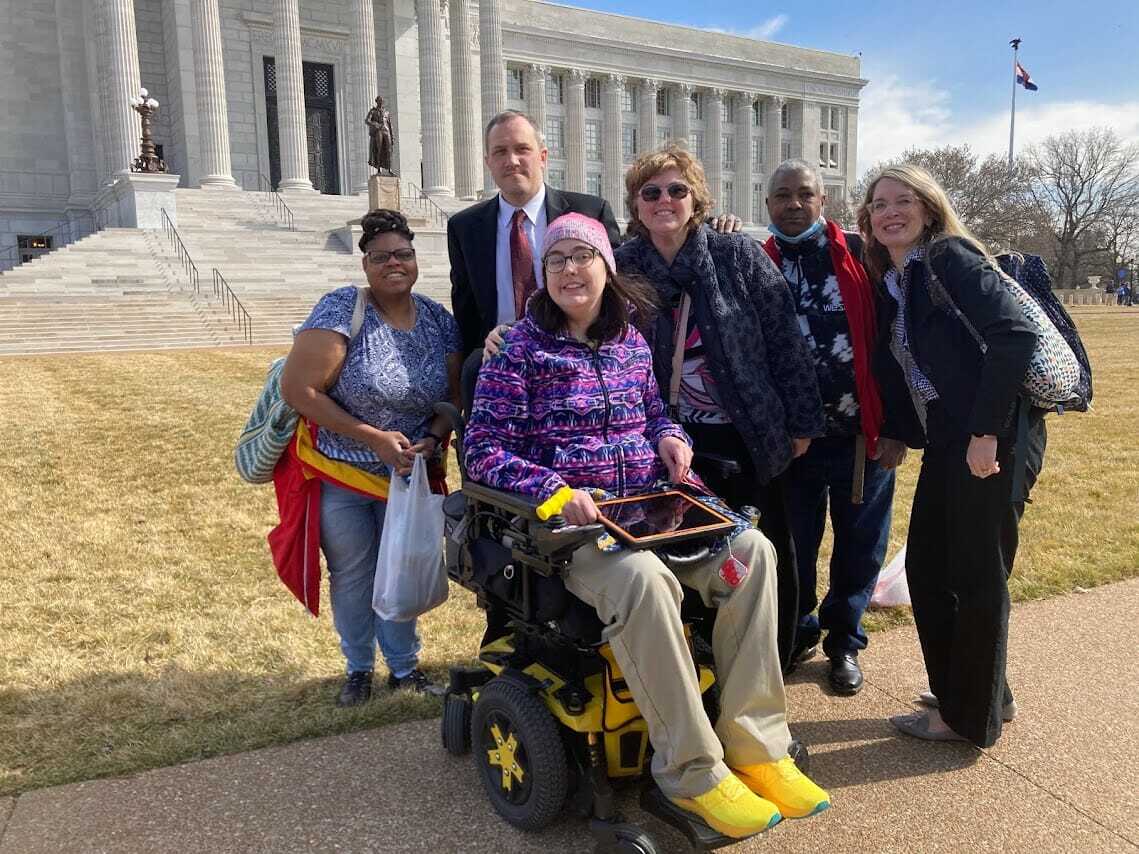
Young Adults with Disabilities Want Independence. Guardianship Is a Hurdle.
Students with disabilities are too often faced with hurdles when entering young adulthood. One lesser-known issue: the school-to-guardianship pipeline.
Gay Priest Shepherds Nontraditional ‘Catholic’ Church
Fr. Taylor W. Tracy is married. To a man. And he is leading a nontraditional "Catholic" church on Kansas City's West Side that is exceptionally ecumenical.