
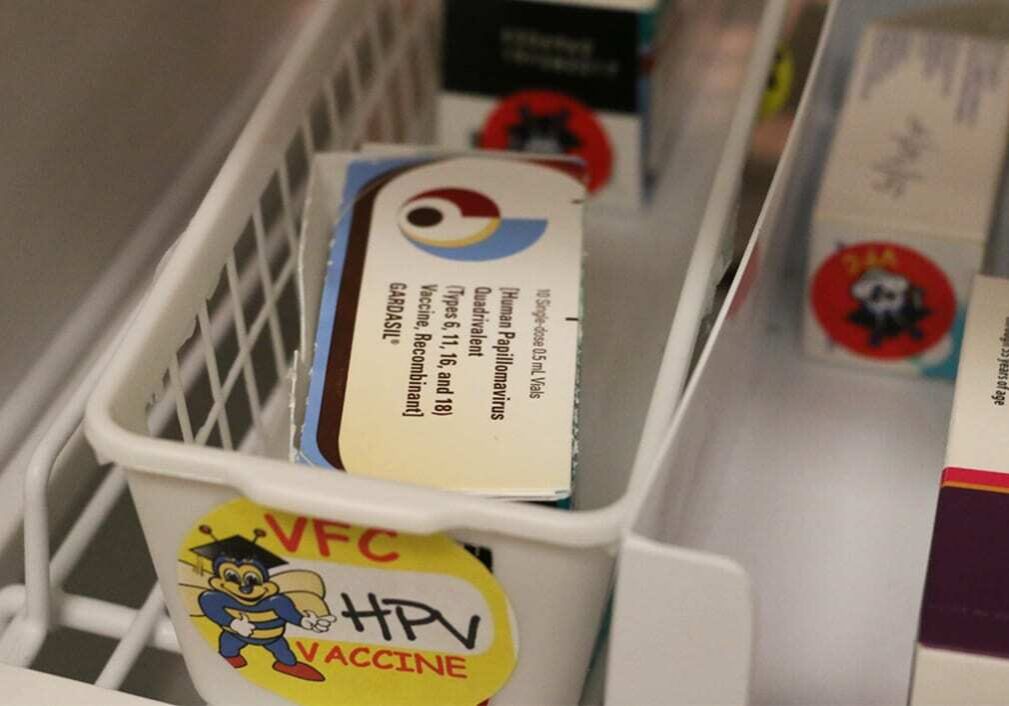
Human papillomavirus (HPV) is the most common of all sexually transmitted infections, with more than 100 different types. It causes almost all cases of cervical cancer, and to a lesser extent is to blame for several other cancers, including mouth and throat.
A three-dose vaccine significantly reduces the chances of contracting an HPV-related cancer, especially when it’s given to adolescent boys and girls before they become sexually active.
But because some parents worry that the HPV vaccination will give their kids the green light to have sex, public health professionals are focusing less on how the virus is transmitted and more on the cancer-prevention aspect of the vaccine.
A Wednesday afternoon panel discussion in Kansas City, sponsored by the Mid America Immunization Coalition, highlighted many of the efforts underway to boost HPV vaccination rates in Missouri and Kansas, both of which lag behind the nation as a whole when it comes to fully vaccinating adolescent males and females.
According survey data the Centers for Disease Control and Prevention published in July, only about a quarter of adolescent females in Kansas and Missouri had completed the full regimen. The national average was 40 percent, although that was still well below the rate sought by public health advocates.
There are dollars flowing into Missouri and Kansas to help increase HPV vaccination rates, said Regina Weir, an official with the immunization coalition. She said the community must think beyond grant cycles.
“As we all know, with funding, it will last for 15 months, two years, and then it’s gone, and then we are kind of back to where we were,” Weir said. “That was one of the reasons for bringing everybody together and sharing all of what we are doing right now, and stressing the important piece of where are we going from here.”
One positive indicator, reported by Stephanie Lambert-Barth of the Kansas HPV Vaccination Project: She said that orders for HPV vaccines through a federal program that helps low-income families get vaccinations increased 15 percent last year in Kansas, whereas orders nationally increased by less than 1 percent.
Other initiatives underway:
- A two-day meeting scheduled for later this month in Kansas City, convened by the Jackson County Health Department through a $35,000 grant it received late last year to help boost HPV vaccination rates. Project coordinator Carol Roberson said the meeting will bring together about 25 representatives from different organizations to help develop an action plan.
- Efforts by the Kansas City Infectious Diseases Community Coalition Board, a partnership that includes academic researchers, patients, parents, and health care providers. One idea is to catch high school students on their way to college when they no longer need parental permission for the vaccine, said coalition member Andrea Bradley-Ewing of Children’s Mercy Hospital. “A late vaccination is better than no vaccination at all,” she said.
- An HPV vaccination summit the Missouri Department of Health and Senior Services hopes to convene this summer.
— Mike Sherry is a member of the Heartland Health Monitor team, a reporting collaboration among KCUR, KCPT, KHI News Service and Kansas Public Radio.
Reading these stories is free, but telling them is not. Start your monthly gift now to support Flatland’s community-focused reporting.

Related Stories

Nick’s Picks | Messi, Jail, Buses, and More …
World Cup Team(s) Arrive It’s starting to feel real. The first World Cup team has landed in Kansas City. Defending champions Argentina touched down at KCI airport on Sunday and will begin practicing today at Sporting KC’s training facility in Wyandotte County. Much of the attention, of course, is focused on Lionel Messi. The soccer…

World Cup ‘Statement Piece’ Evokes Best Version of Kansas City
Before I moved to Kansas City almost 56 years ago, I had been here only once — for a brief visit to the Kansas City Press Club when I was attending the University of Missouri School of Journalism. But because of that visit and the fact that I grew up in the Midwest (Woodstock, Illinois,…

KU Center Helps Women Gain Foothold After Incarceration
A flier from her probation officer was the turning point for Jodi Whitt, who had spent more than two decades in and out of the criminal justice system. The piece of paper introduced Whitt to the Technology Education Program offered by the University of Kansas’ Center for Digital Inclusion. Since 2019, Whitt has risen through…