
Cancer in KC

KU Cancer Center Makes Bid To Join Elite Club
Four years ago, former Kansas Gov. Kathleen Sebelius returned home as U.S. secretary of Health and Human Services with a prize the University of Kansas Cancer Center had been seeking for years: certification as a nationally recognized center through the National Cancer Institute (NCI). But amid the hoopla, KU Cancer Center Director Dr. Roy Jensen…

Combating Cancer with a Vaccine
Human papillomavirus (HPV) is the most common of all sexually transmitted infections, with more than 100 different types. It causes almost all cases of cervical cancer, and to a lesser extent is to blame for several other cancers, including mouth and throat. A three-dose vaccine significantly reduces the chances of contracting an HPV-related cancer, especially…
New Grant Helping Jackson County Encourage HPV Vaccinations
The funding is from the National Association of County and City Health Officials.

The science behind farm herbicides and cancer
Farmers count on chemical herbicides to keep their fields weed-free. But an international panel of scientists who studied two of the most heavily used farm chemicals to determine whether they could cause cancer, said exposure to weed-killing chemicals could come at a cost. In the last few months, scientists brought together by the International Agency for Research on Cancer, or IARC, considered glyphosate and 2,4-D.

KC Panel: Virus Associated With Cervical Cancer Also Endangers Men
Discussions about the dangers of the human papillomavirus (HPV) tend to focus on the risks it poses for cervical cancer. But as physicians and one local survivor emphasized in a discussion after the screening of a documentary shown Wednesday in Kansas City, HPV is not only a danger to women.
The Fight Against Cervical Cancer is Winnable. So Why Is Kansas Losing?
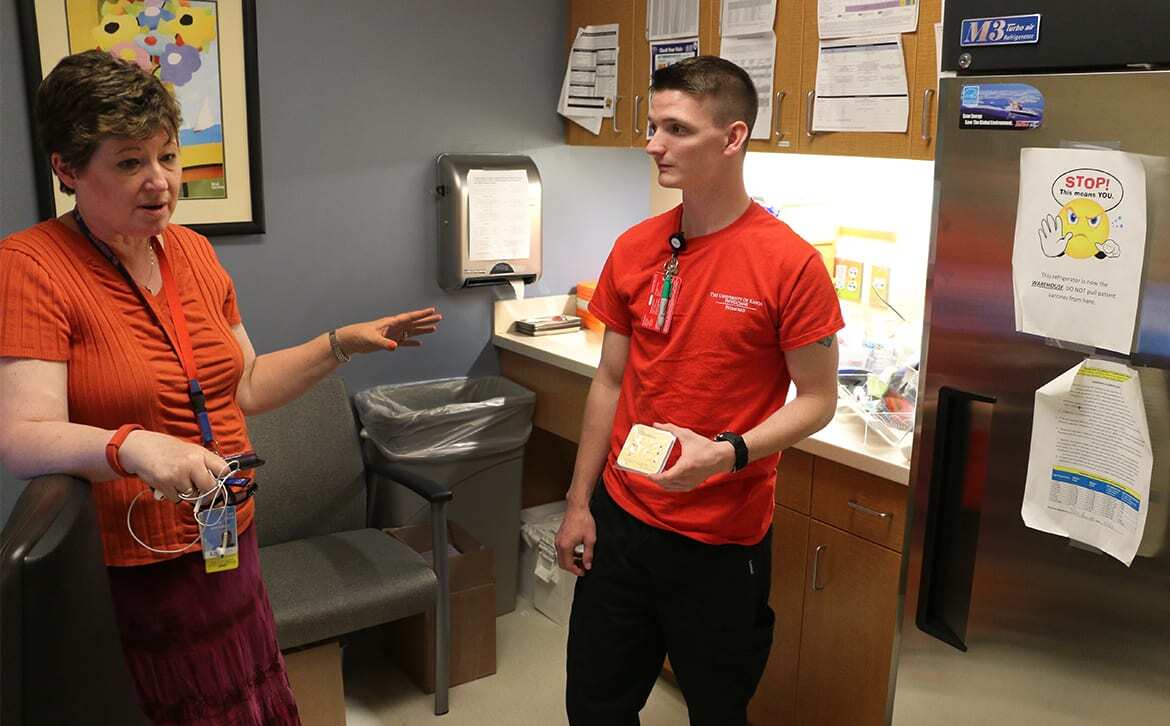
If all it took were a few shots to virtually eliminate the chances of contracting one type of cancer, you’d think at-risk people would be lining up for treatment in droves. There is, in fact, a three-dose regimen that experts say essentially prevents cervical cancer, which is newly diagnosed in more than 12,000 American women…

A compass for cancer: how one patient navigator makes a difference
When Consuelo Ross was diagnosed with breast cancer, she hid in a dark room for three days. She had lost her husband to a motorcycle accident two years before, and she was the mother of two young children. A breast cancer diagnosis — the same disease that had killed her mother years before — felt…

Putting A Price Tag On The Chase For Cancer-Fighting Excellence
Over a span of a dozen years, the University of Kansas Cancer Center estimates that philanthropists, taxpayers and other funders will plow about $1.3 billion into its effort to become one of the nation’s most elite cancer-fighting institutions.
How canine cancer patients help sick people
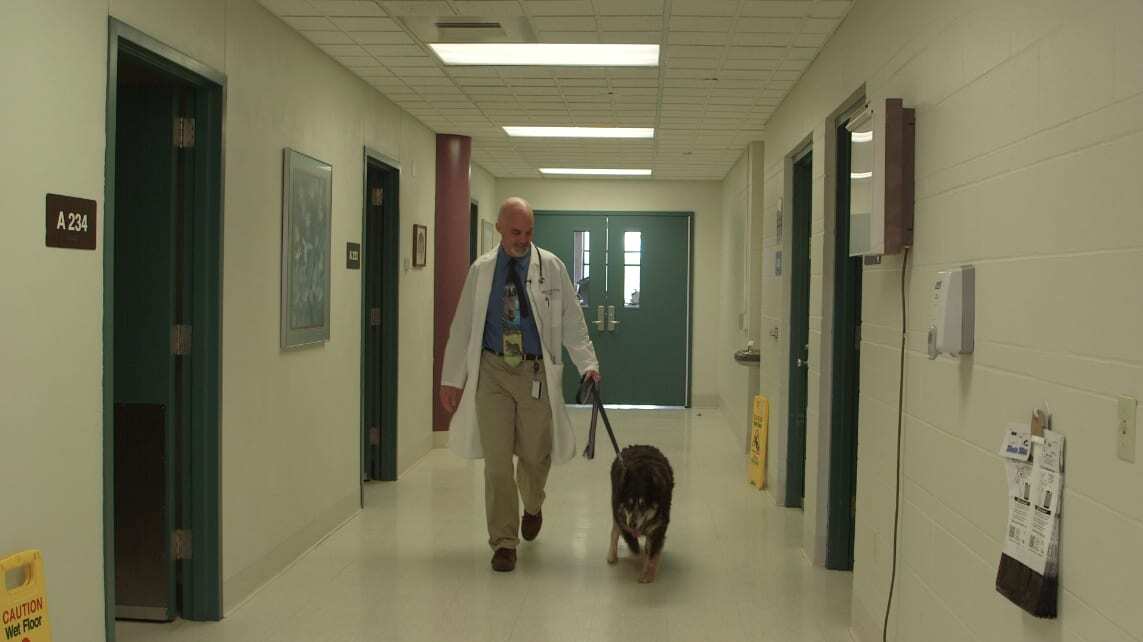
If you have cancer and your dog has cancer, it turns out you may be treated with the exact same drugs. An innovative initiative at the University of Missouri combines traditional cancer research and care with veterinary medicine. This benefits our canine friends and, ultimately, human cancer patients. Dr. Carolyn Henry, a veterinary oncologist at…
Bringing cancer treatments to rural Kansas
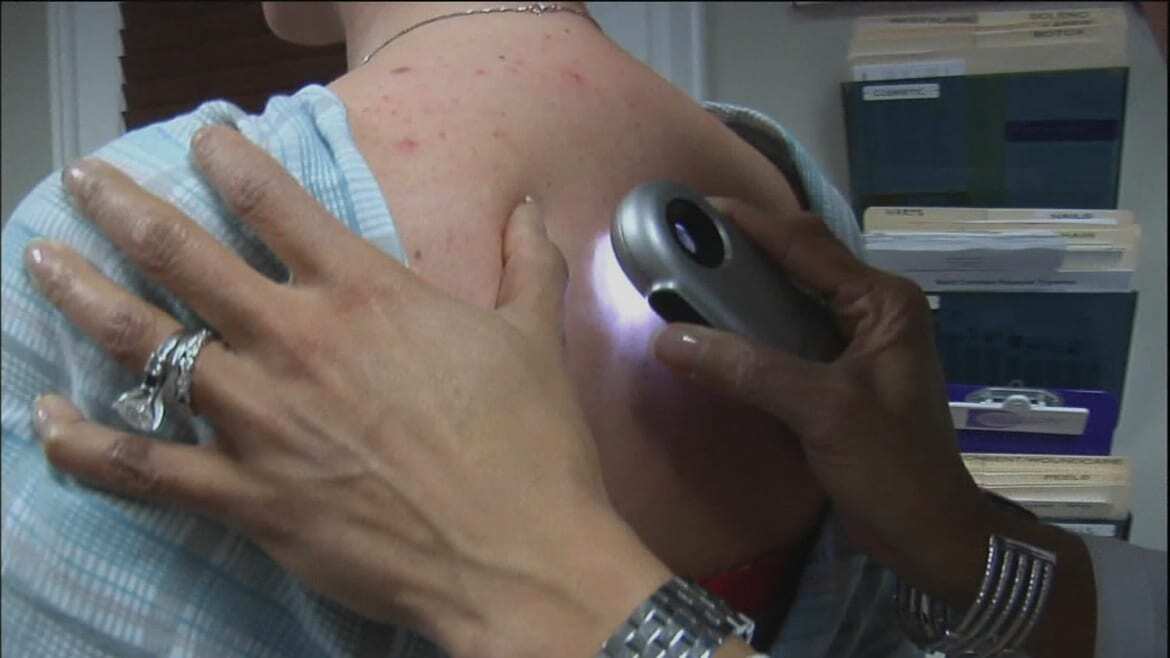
A cancer diagnosis is often the beginning of a life-or-death struggle. Patients want to go into that fight armed with the most powerful weapons available. In many cases, that involves treatments still in their experimental stages that are only available through clinical trials, which are typically found at academic medical centers. But the University of Kansas Cancer Center has created a partnership to bring those options closer to home for rural Kansans.