

City Survey Reveals Rising Worries About Affordable Housing
January 8, 2019 | Kevin Collison | 4 min read
By Kevin Collison
The number of Kansas City residents concerned about the availability of affordable housing rose slightly last year, according to new city data, with the greater downtown area reporting the greatest increase.
The analysis prepared by KCStat revealed that citywide, 55 percent of the respondents to the latest Resident Survey conducted last spring were satisfied with the availability of affordable housing, down from 57 percent the previous year.
When broken down by Council Districts, the largest satisfaction decline was in the Fourth District which includes greater downtown.
The number of Fourth District residents satisfied with the availability of affordable housing dropped from 65 percent to 58 percent in the latest survey. Almost two-thirds of the district residents are renters, according to the Census.
The city housing survey is conducted twice yearly and is based on voluntary responses returned from residents selected randomly.
It doesn’t define what is considered affordable, letting respondents decide for themselves.

Residents of the Fourth City Council District, which includes greater downtown, reported the greatest increase in dissatisfaction with available affordable housing. (Graph by KCStat)
While that affordability standard is subjective, the survey results add another perspective to a topic that’s of growing concern in Kansas City as housing costs, particularly rents, begin to edge closer to levels seen in other major cities.
“We’re at the point were we can do something to increase the number of units of affordable housing,” said Jennifer Tidwell, the former regional manager for the U.S. Department of Housing and Urban Development who is now a section manager for the city housing department.
“A lot of cities waited until it was too late, to the point people couldn’t afford housing in places like Seattle and Chicago. We’re at the point we can do something.”
The new KCStat surveys found that respondents with higher incomes were less likely to be concerned about the availability of affordable housing although that number has risen as well.
About 72 percent of those earning $100,000 or more were satisfied, down from 78 percent in the previous survey.
People earning less reported no change in attitude in the latest affordability survey, but the dissatisfaction was more pervasive.

Respondents with the least income were the most dissatisfied with the availability of affordable housing. (Graph from KCStat)
Forty-nine percent of those earning $30,000 to $59,000 were dissatisfied with available affordable housing, the same as before. For those earning below $30,000, 40 percent were unhappy with the availability, also unchanged.
Tidwell said a different, more objective city housing survey regarding affordability, showed even greater distress among lower-income people when it came to housing costs.
That survey asked people about their income and how much they spent on mortgage/rent and utilities. The national norm considers households spending more than 30 percent of their income on rent or mortgage as being burdened.
In Kansas City overall, the survey found that households earning less than $20,000 were spending 50 percent of their income on rent/mortgage and utilities. Households earning $20,000- to $30,000 were spending 40 percent of their incomes on those costs.
On the other end of the income spectrum, households earning $60,000- to $100,000 spent 17 percent of their income on rent/mortgage and utilities.

Renters reported the greatest unhappiness with the availability of affordable housing. (Graph by KCStat)
The KCStat housing report stated a Multi-Family Preservation Task Force is currently working to help identify the existing affordable housing stock in the city.
The city also plans to lobby the state to restore its low-income housing tax credit program, an important tool in developing more affordable housing.
On a related matter, the city has scheduled an additional community meeting to discuss housing policy. It will be Monday, Jan. 14 from 6:15-7:30 p.m. at the Gregg-Klice Community Center, 1600 John ‘Buck’ O’Neil Way near the 18th and Vine Jazz District.
It will be the sixth citywide community meeting hosted by Third District Councilman Quinton Lucas, chairman of the Council housing committee. The regular Third District community meeting precedes the housing meeting from 6-6:15 p.m.
“We (city leaders) pledged to have several meetings across the City to allow the community to see the work produced by staff and provide their comments. We want to hear your thoughts,” Lucas said in a statement. “These meetings are a follow-up to that pledge.”
Reading these stories is free, but telling them is not. Start your monthly gift now to support Flatland’s community-focused reporting.

Related Stories

Nick’s Picks | Top Cop, Mission Mall, Lucas’ Travels and More …
Nick Haines also has the lowdown on information for the upcoming election, the arrival of fall and Kansas City's Day of the Dead celebration.

Nick’s Picks | I-70, Tax Break, School Petition, and More …
An Interstate 70 closure, a tax rebate for Jackson County property owners, a school closure petition, and more ...
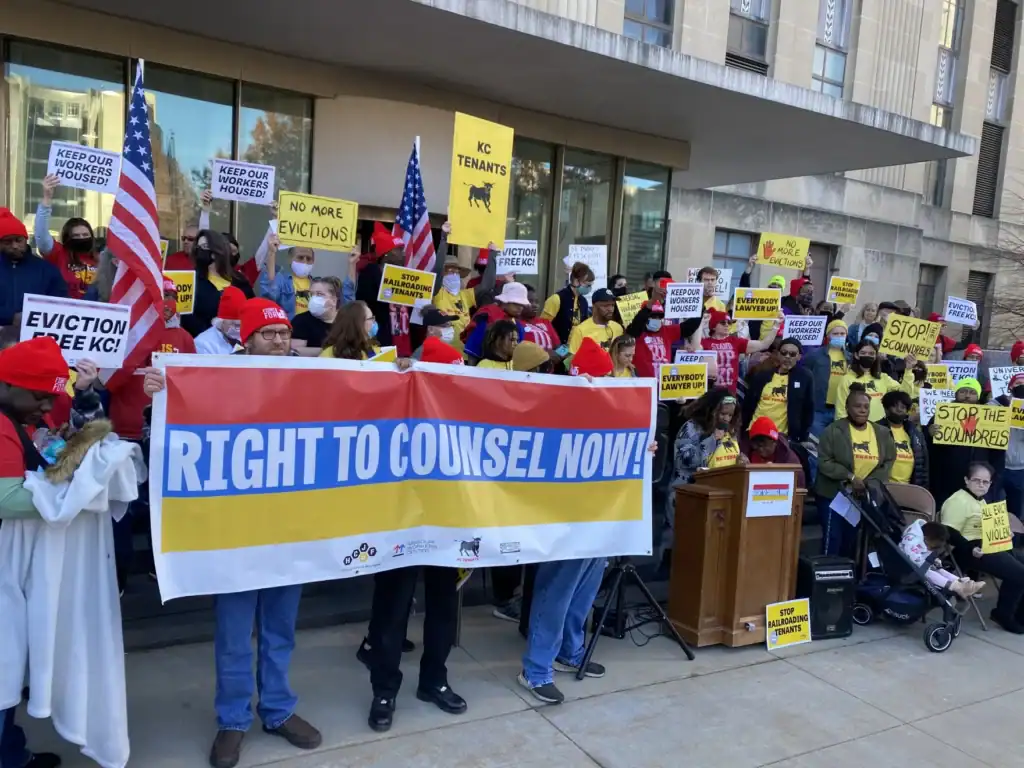
Kansas City Helping Renters Avoid Eviction
On any given Thursday, a small hallway in the Jackson County Courthouse crowds with tenants, landlords, and attorneys arriving for their scheduled hearings and trials. The scene unfolds on Floor 7M, which is half the height of the building’s other levels, and is where Associate Circuit Judge Mary Weir recently worked through 55 eviction cases…