

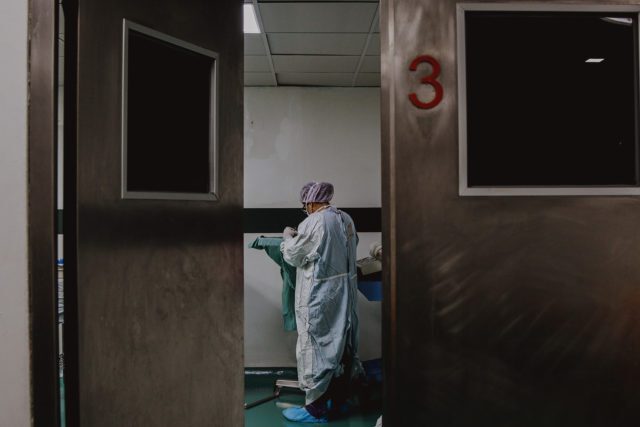
This month on Flatland we’re hearing from healthcare professionals about the toll recurring Covid-19 surges are taking on our healthcare system. While our most recent surge of Omicron was often described as mild, the number of hospitalizations still packed beds and spread an already exhausted workforce thin. We’ll discuss how our response to the pandemic can be made more sustainable and what support healthcare providers need.
Companion Article
-
Standards of health care are often complex. When a crisis like the pandemic happens, the model is disrupted. Here’s a guide that explains the process.
Reading these stories is free, but telling them is not. Start your monthly gift now to support Flatland’s community-focused reporting.

Related Stories

Caregivers in KC: Planning for the Future
Becoming a caregiver is a responsibility that can sometimes arise unexpectedly. After the birth of a child with a disability, or the health decline of a parent or spouse, caregiving often comes with important financial considerations. Health care and supply costs for caregivers can add up quickly, and your income may be reduced as you…
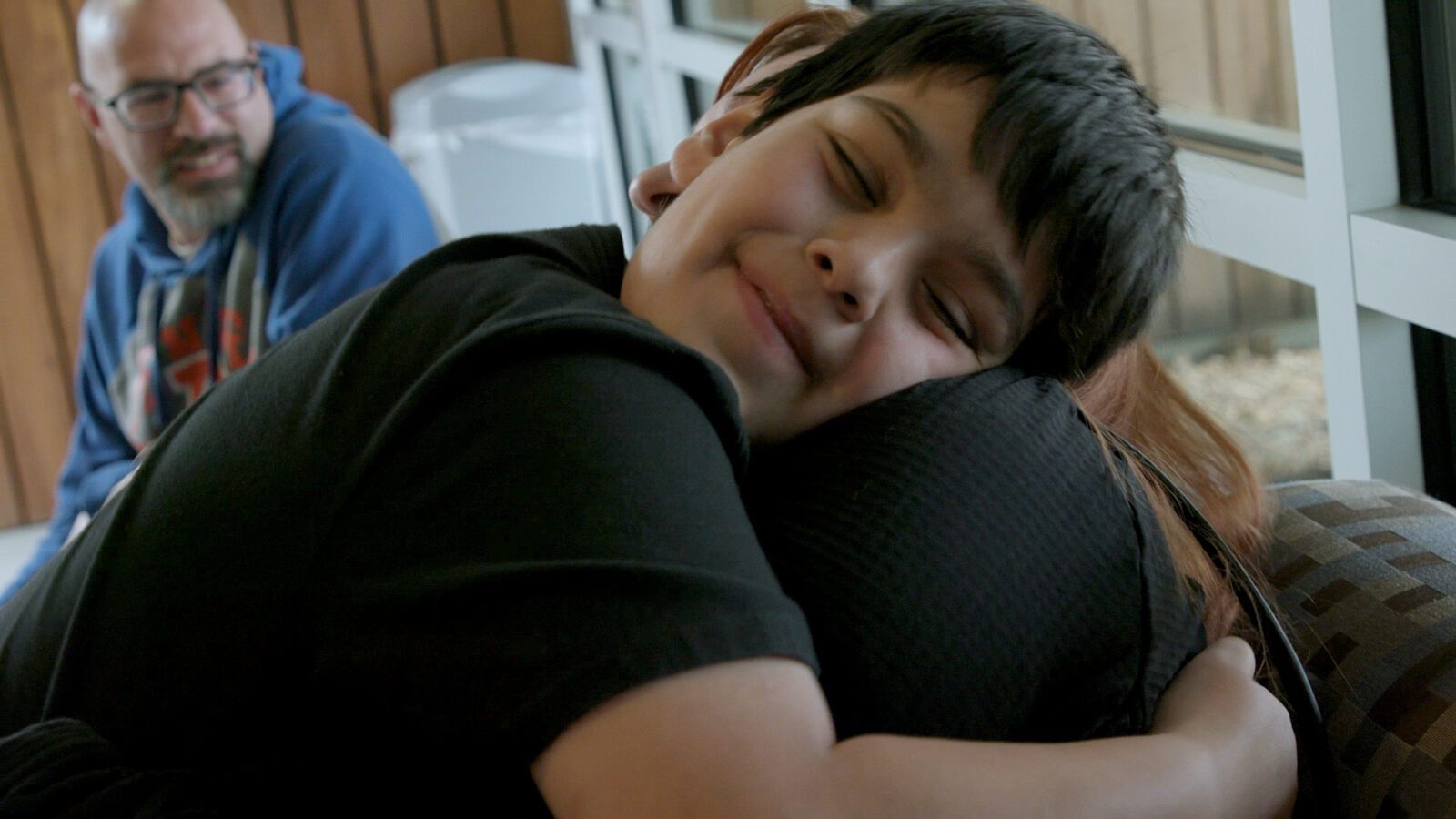
Caregivers in KC: Asen’s Story
Born with a disability at birth, and with no one left to help, Asen’s family turns to Lakemary Center in Paola, Kansas. Lakemary provides educational, mental, behavioral health, and social services to children and adults with intellectual/developmental disabilities. We follow Asen’s approach in the classroom and interactions with his teachers and coaches, giving him the tools…
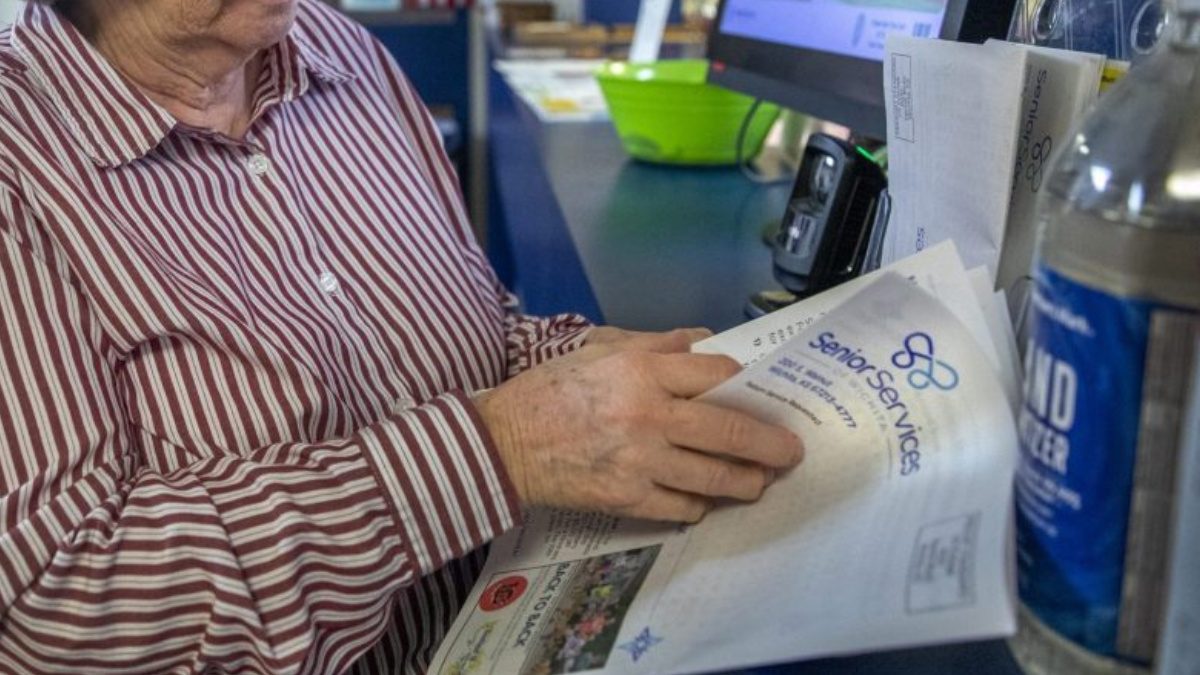
One elder abuse investigator has 70 cases. Kansas doesn’t say how swamped other caseworkers are
Stacy Crow made sure to check the outdoor cameras at Shirley Crow’s house in Wichita every now and again. Stacy lived five hours away from her 85-year-old mother-in-law, and the video check-ins were necessary because Shirley had Alzheimer’s disease and needed regular medication. “We did like to just see her out on her porch drinking…