
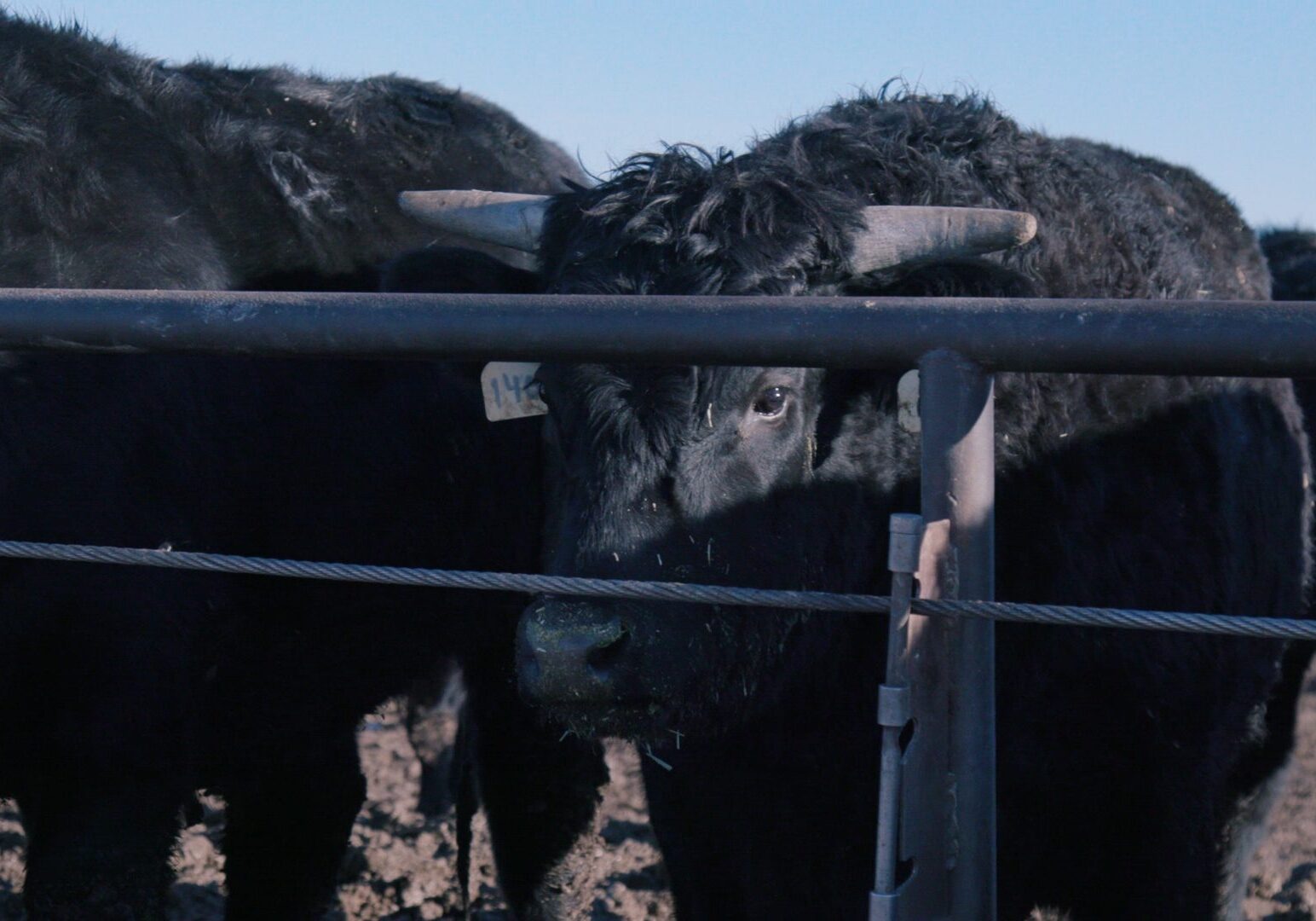
Mike Callicrate and his son Teegan are hardworking ranchers. But they aren’t typical.
Almost 30 years ago, they bucked an industrial food production model focused on maximizing output. Instead, they focused on raising healthy cattle without the use of growth hormones or drugs and selling the meat directly to local consumers.
If producers expect to live off the land, they must find a place to sell their products, said Teegan Callicrate, Mike’s son who oversees the Callicrate Cattle Co. ranch, feedlot and slaughter operation in Saint Francis, Kansas.
“Ideally, they should be sold locally and go back to people in the communities that they come from,” Teegan Callicrate said. “That’s what I think this design can do for many communities across the world.”
Flatland on YouTube
The Callicrate family’s integrated approach of raising, processing and selling meat directly to consumers proved to be durable during the COVID-19 pandemic. When meat aisles at most grocery stores were empty due to supply chain disruptions, Mike Callicrate said his operation never “missed a lick.”
Besides creating a more resilient local food chain, Callicrate’s approach is more environmentally sustainable.
In his travels between Colorado Springs, Colorado, where the Ranch Foods Direct processing and retail operation is headquartered, and the ranch in Saint Francis, Mike Callicrate sees dry riverbeds and large-scale farming practices that turn his stomach.
His operation strives to give back to the soil and not pump excess water from the ever-shrinking Ogallala Aquifer.
“When you consider that all wealth comes from the soil, let’s put together models that build soil rather than deplete soil,” he said.
That means rotational grazing for cattle and feeding them grains that are locally grown without chemicals or genetically modified seeds. The company also composts all its slaughter waste and turns the bones into biochar that goes back into the soil.
It’s all part of an effort to rethink the food chain in ways that make it more resilient and sustainable.
“And I think it’s these kinds of models that do that,” Mike Callicrate said.
To learn more, watch the first episode in a new Flatland series focusing on the food chain, “Harvesting Change,” part of a PBS climate change programming initiative.

Cami Koons covers rural affairs for Kansas City PBS in cooperation with Report for America. The work of our Report for America corps members is made possible, in part, through the generous support of the Ewing Marion Kauffman Foundation.
Reading these stories is free, but telling them is not. Start your monthly gift now to support Flatland’s community-focused reporting.
Related Stories

Nick’s Picks | Rally, Debate, Data Center and More …
Election season is in full swing, with the U.S. Senate race in Kansas taking center stage, including President Donald Trump holding a rally in Wichita.
Kansas City Cooks as Site for National Anti-ICE Dinner Series
Celebrated chefs from throughout the metro collaborated for three nights on dinners that raised money for a local immigrant-rights nonprofit.
Nick’s Picks | Top Cop, Mission Mall, Lucas’ Travels and More …
Nick Haines also has the lowdown on information for the upcoming election, the arrival of fall and Kansas City's Day of the Dead celebration.