
In Kansas City, we’re told the economic impact of the arts totals a quarter of a billion dollars. This four-part video series, Artconomy, evaluates what that number means: Where does that figure come from, and what’s counted in it?
In Episode 2, we’re about the performer… and the patron. See if you’re surprised by how much a resident spends each year on the arts, and by what part of that spending isn’t captured in the arts economy figure. Also hear from a local nonprofit working to aid artists in the business side of things, and from an artist who sees his business model as purely grassroots.
[FLEX-CONTENT]
Watch the video series on flatlandkc.local, and as a 30-minute film at 7:30 p.m. on Thursday, Nov. 16 on KCPT. Follow the entire series at #Artconomy.
[FLEX-CONTENT]
Reading these stories is free, but telling them is not. Start your monthly gift now to support Flatland’s community-focused reporting.
Related Stories
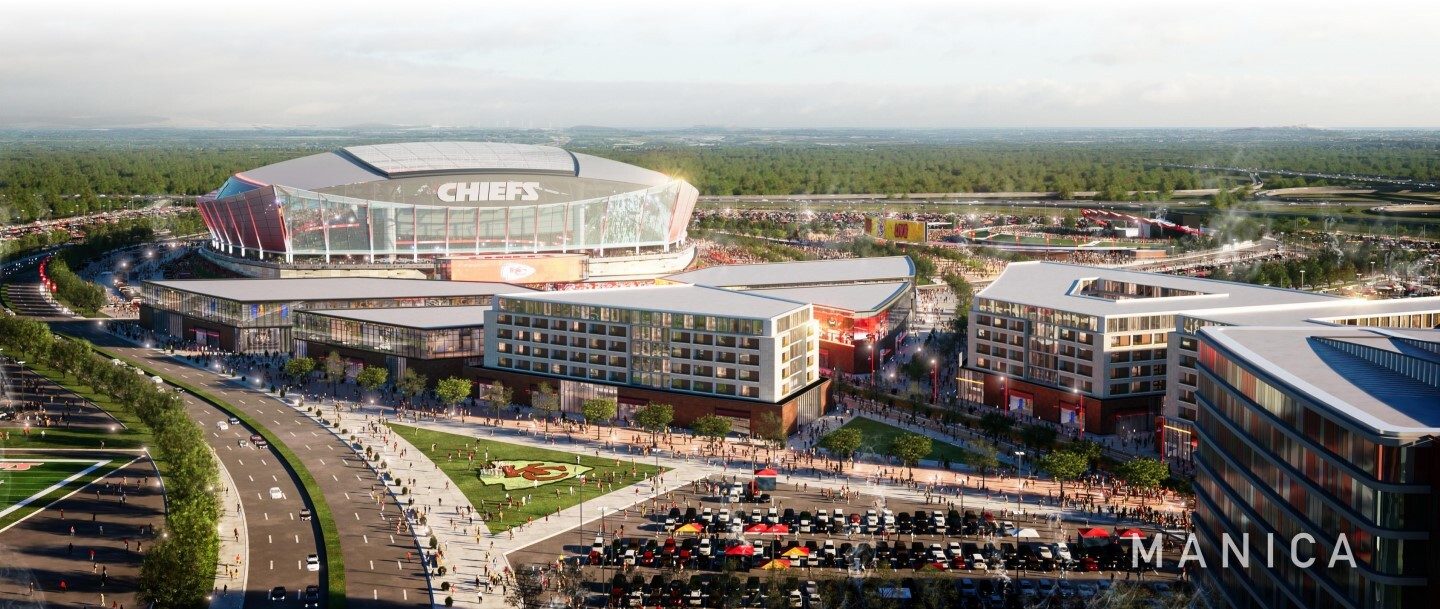
Kansas Bill Offers Bonding to Cover 75% of Cost to Build Chiefs, Royals Stadiums
Kansas lawmakers will gather Monday to consider legislation that could finance up to 75% of the cost of new stadiums for the Kansas City Chiefs and Royals.
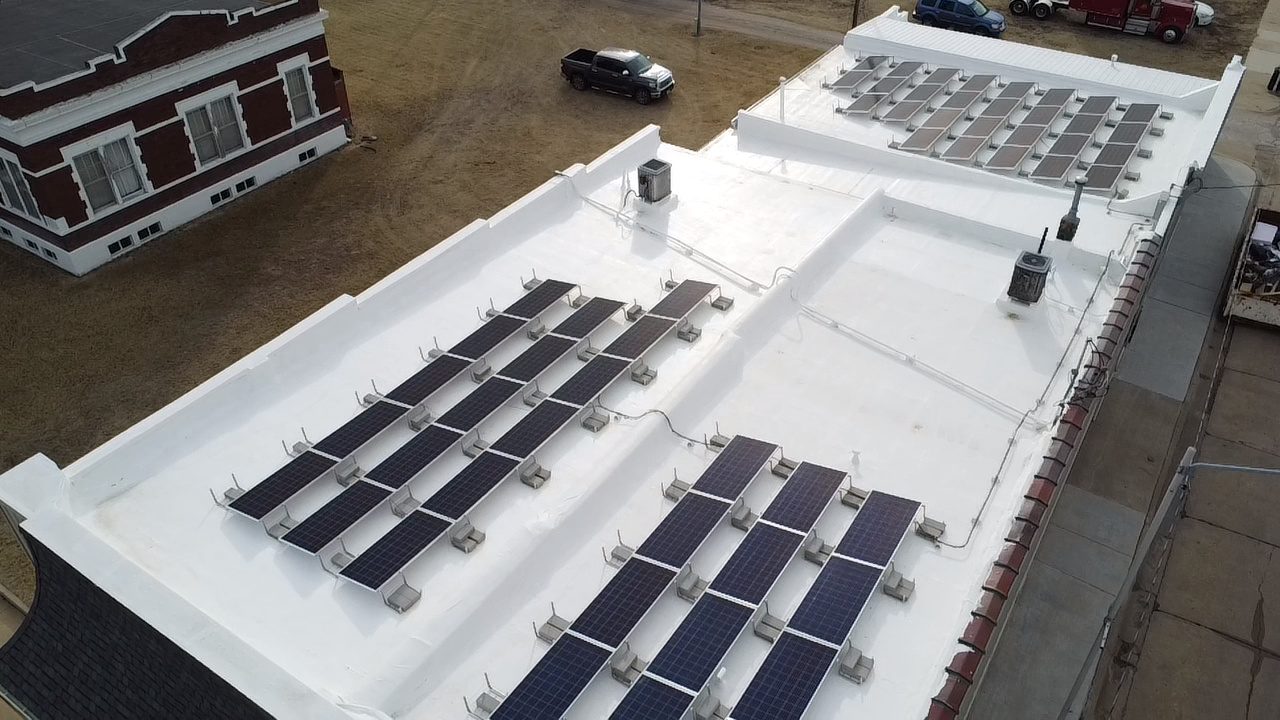
Energy Efficiency Program Helps Rural Businesses Keep the Lights On
The Rural Energy for America Program is providing crucial funding for rural development projects looking to enhance energy efficiency and sustainability.
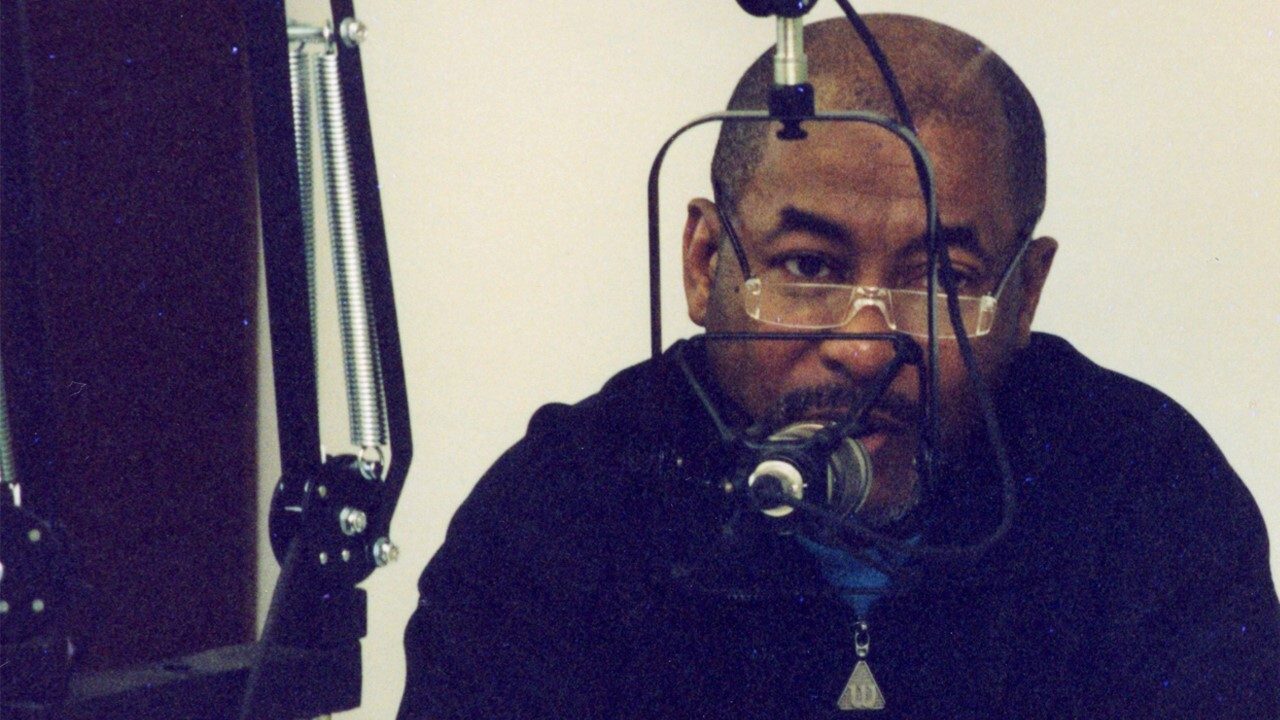
Passing the Baton | Carl Boyd on ‘Generation Rap’
Urban educator Carl Boyd has spent most of his life connecting with young people, most notably through the long-running radio program "Generation Rap."