

curiousKC | Vote on 3 Big Questions About Mental Health
April 5, 2021 | Vicky Diaz-Camacho | 1 min read
Throughout the COVID-19 pandemic, more focus has been placed on the mental health implications of social isolation, grief and the anxieties of getting sick.
Flatland reporters and producers even produced a series of stories called “The Hidden Pandemic,” delving into the complexities of how COVID-19 disrupted life as we knew it and the pressure it has placed on frontline workers.
Now, we have decided to continue that conversation and put your questions about mental health front and center during the month of April. The question readers select will be answered in May, during Mental Health Awareness Month.
But the conversation and our coverage doesn’t end there.
You can still contribute to our mental health reporting (scroll down a bit after you vote) by adding more questions to the queue. Our team is dedicated to answering the questions you care most about. We encourage you to share this with friends, family members, therapists and researchers.
Vote
Ask
Reading these stories is free, but telling them is not. Start your monthly gift now to support Flatland’s community-focused reporting.

Related Stories

Nick’s Picks | Messi, Jail, Buses, and More …
World Cup Team(s) Arrive It’s starting to feel real. The first World Cup team has landed in Kansas City. Defending champions Argentina touched down at KCI airport on Sunday and will begin practicing today at Sporting KC’s training facility in Wyandotte County. Much of the attention, of course, is focused on Lionel Messi. The soccer…
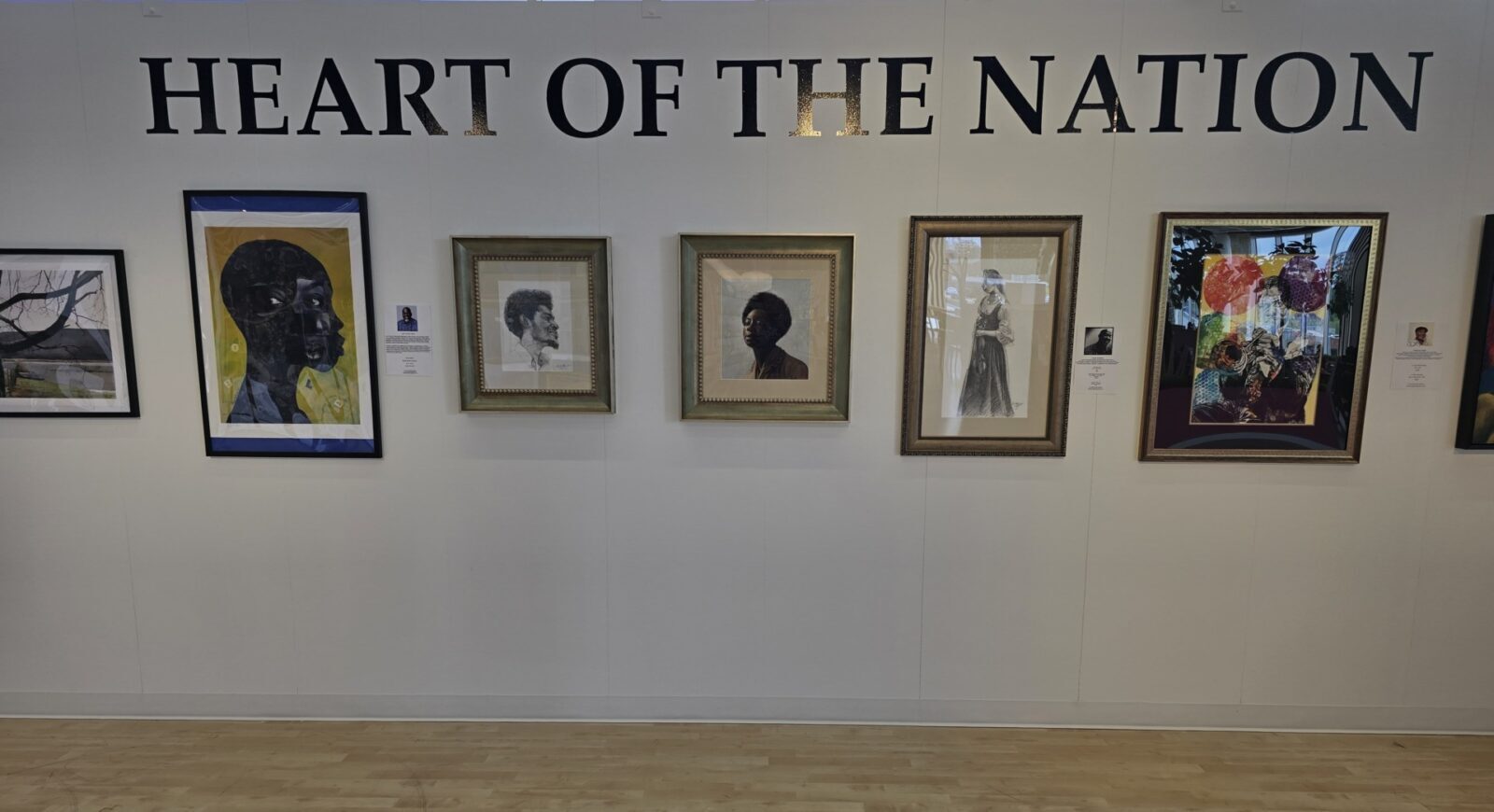
World Cup ‘Statement Piece’ Evokes Best Version of Kansas City
Before I moved to Kansas City almost 56 years ago, I had been here only once — for a brief visit to the Kansas City Press Club when I was attending the University of Missouri School of Journalism. But because of that visit and the fact that I grew up in the Midwest (Woodstock, Illinois,…
KU Center Helps Women Gain Foothold After Incarceration
A flier from her probation officer was the turning point for Jodi Whitt, who had spent more than two decades in and out of the criminal justice system. The piece of paper introduced Whitt to the Technology Education Program offered by the University of Kansas’ Center for Digital Inclusion. Since 2019, Whitt has risen through…