
curiousKC | Have a Question About Legalizing Marijuana? Let Us Know.
August 8, 2022 | Cami Koons | 2 min read
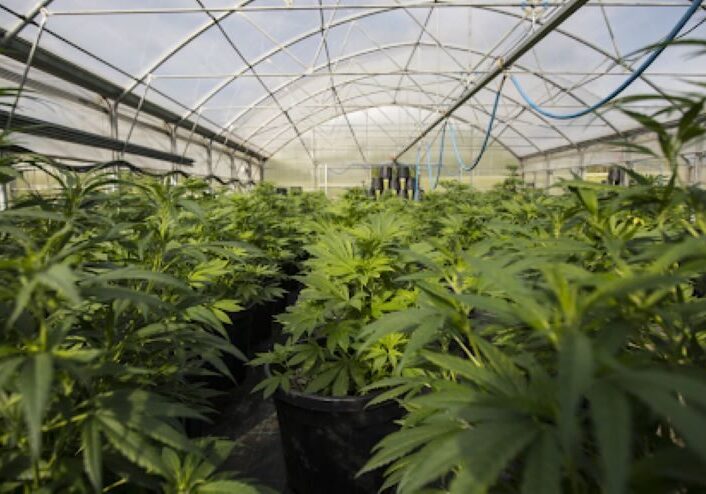
A recent survey found that 62% of Missourians support the legalization of recreational marijuana. The Show Me State could be close to a recreational program, but different opinions on how to achieve that goal could delay the process.
Some want to legalize marijuana in the state constitution through a ballot referendum. The Legal Missouri 2022 ballot initiative gained significant traction this year, at one point garnering almost 400,000 signatures. But unofficial signature counts say the initiative is short of the number of signatures it needs to be on the Nov. 8 ballot, according to the Missouri Independent.
Others say legalization should go through the traditional legislative process. The Cannabis Freedom Act (House Bill 2704) made significant progress through the state House of Representatives this year and advocates say it has backing from both Republican and Democrat legislators.
There were 18,897 marijuana seizures in 2021 across the state, according to the Missouri Criminal Justice Information Services. More than 90% of drug-related violations were for possession or consumption.
Supporters agree that an expungement program for folks with marijuana-related charges is a must, though they differ on the best way to implement it.
Nationally, Black folks are almost four times more likely than white folks to be arrested for marijuana-related crimes, according to the American Civil Liberties Union (ACLU).
Advocates for legalization say equity programs need to be built into the industry so the populations that have been historically affected the most have the chance to benefit from legalization. But equity programs in other states such as Illinois, have failed and those with the biggest pockets end up benefiting.
Who gets the green? Who gets left behind? And what does the future of marijuana look like in Missouri?
Flatland is getting into all of that and more this month, and we welcome your questions.
Follow our reporting on the topic in August and tune in for Flatland on Kansas City PBS Thursday, Aug. 25, at 7 p.m.
What questions do you have about marijuana in Missouri?
Ask your question:
Related content:
Cami Koons covers rural affairs for Kansas City PBS in cooperation with Report for America. The work of our Report for America corps members is made possible, in part, through the generous support of the Ewing Marion Kauffman Foundation.
Reading these stories is free, but telling them is not. Start your monthly gift now to support Flatland’s community-focused reporting.

Related Stories
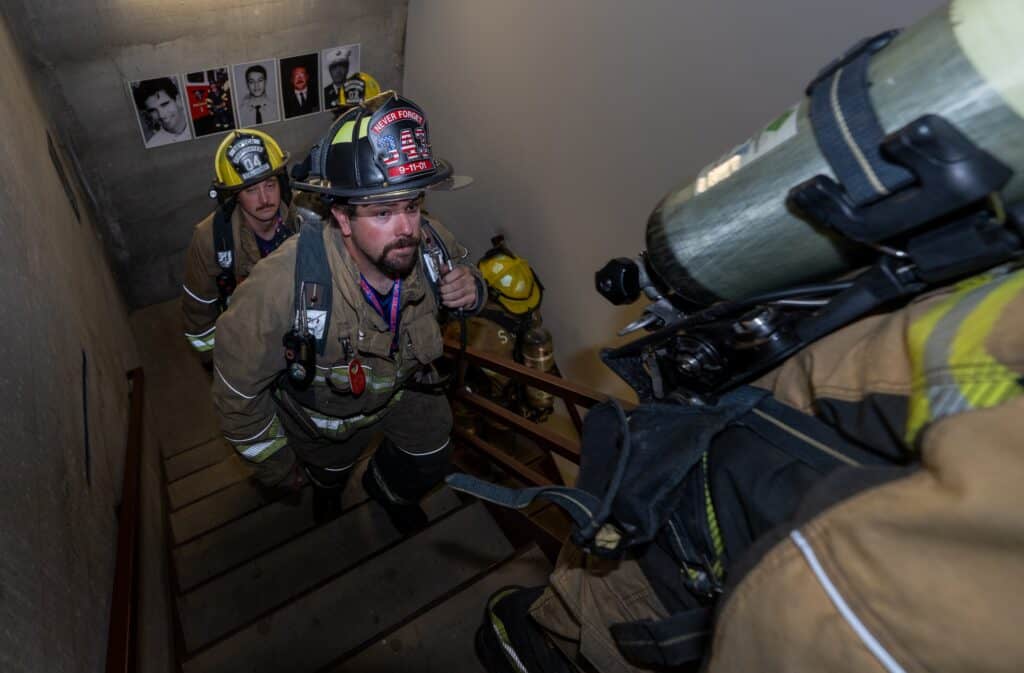
The Fight Against Forgetting 9/11
Schools, nonprofits, and firefighters work to ensure Kansas Citians remember the victims of the Sept. 11, 2001, terrorist attacks as the nation marks the 25th anniversary of the tragedy.
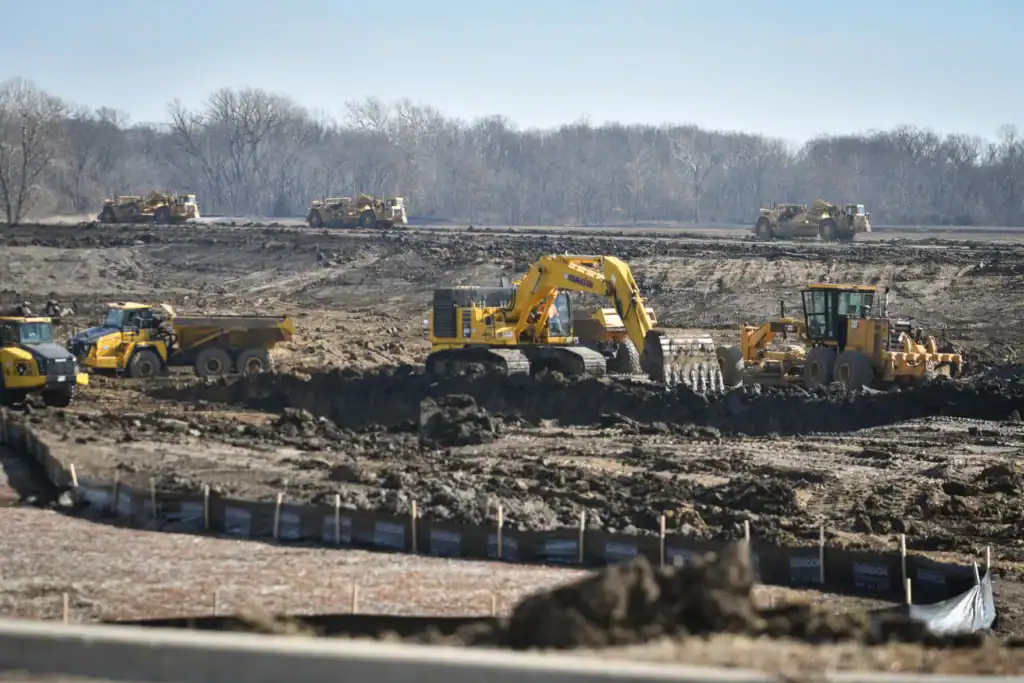
United in Opposition: The Bipartisan Response to Data Centers
From Independence, Missouri, to Osawatomie, Kansas, data centers are angering residents and spurring bipartisan opposition.
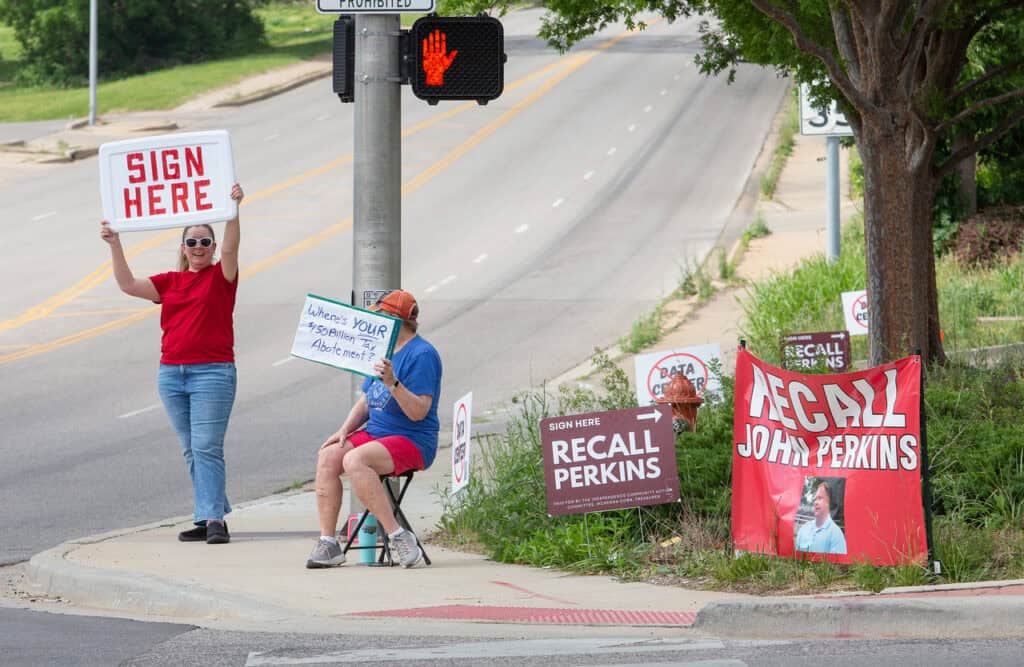
Nick’s Picks | Map, Recall, Trial and More …
The Missouri Supreme Court takes up a question about a local congressional district, an Independence councilman fights to keep his seat, and a long-delayed murder trial is set to get underway.