
Environment
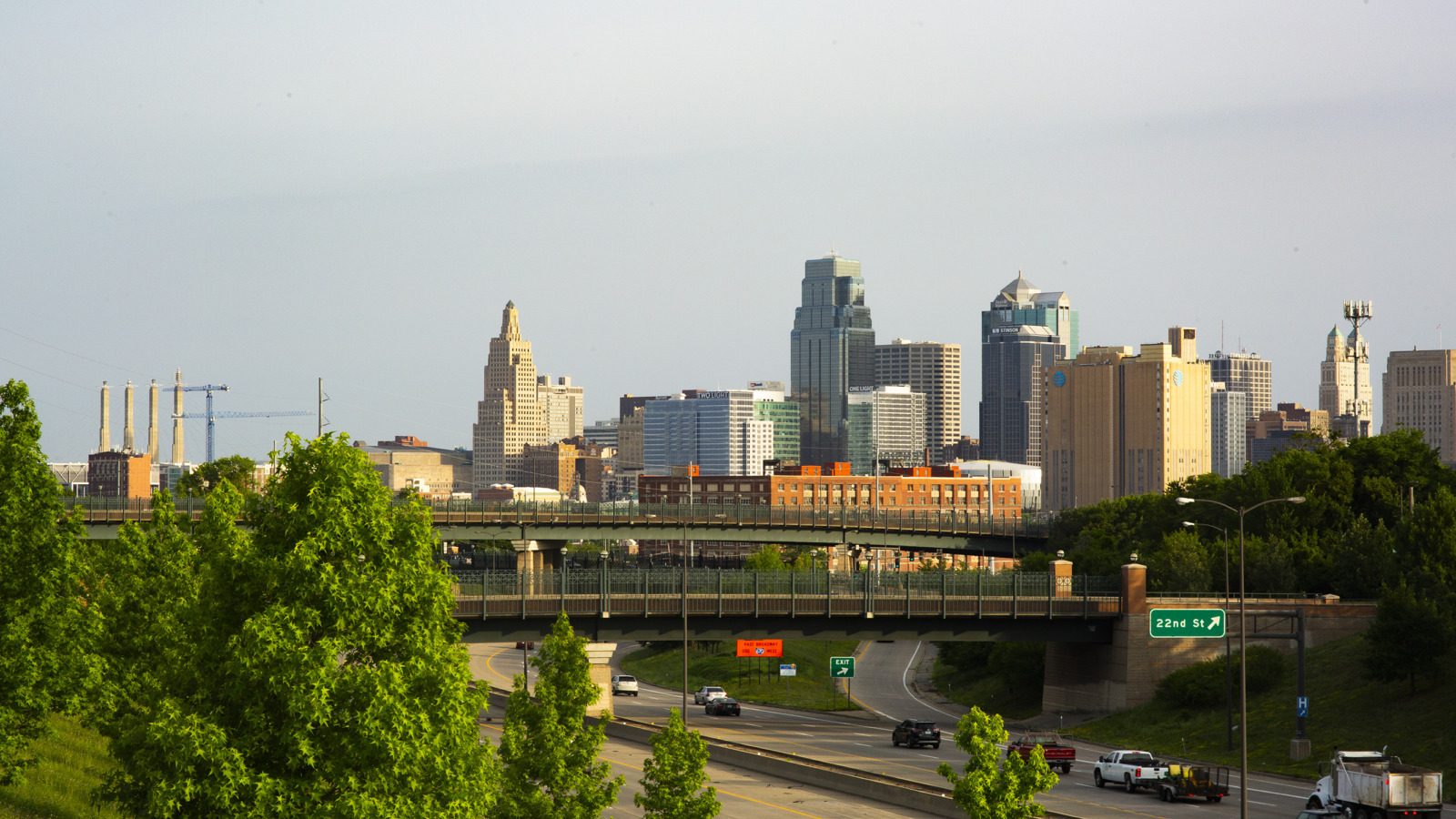
Kansas City Faces Fight as Feds Ponder Sustainability Grants
The Kansas City area faces stiff competition as it seeks nearly $200 million in federal sustainability grants to fund projects to address climate change.
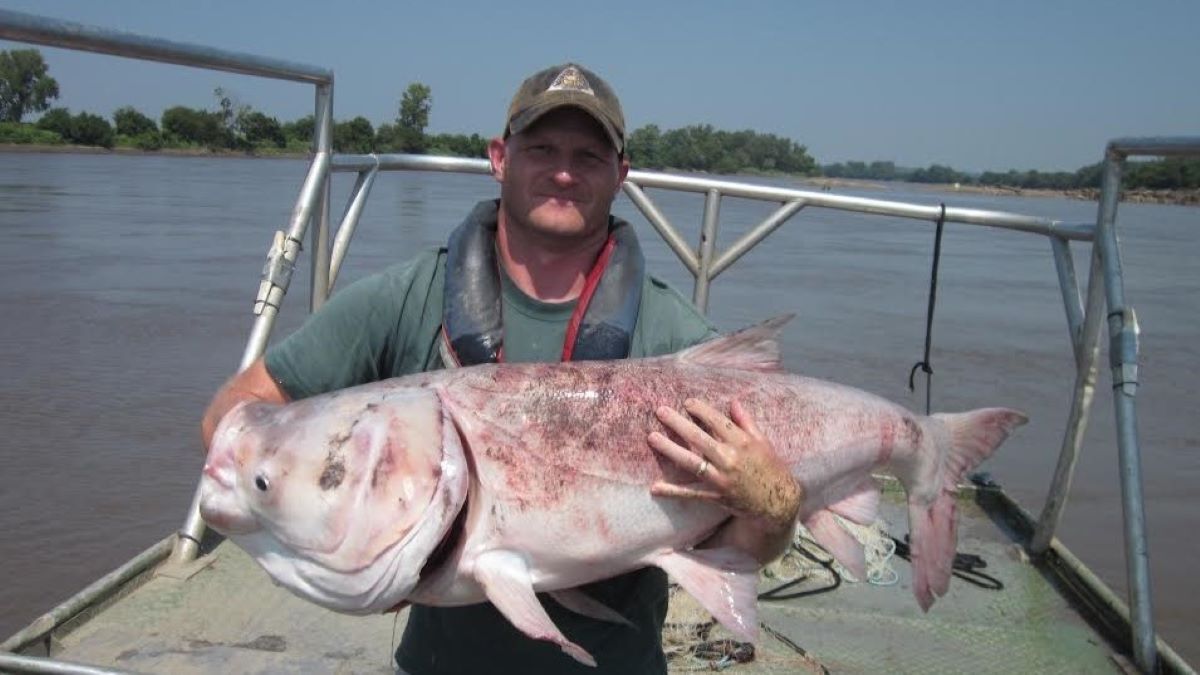
Missouri Angler Lands Monster Invasive Carp, Buries It
George Chance recently caught what may be a world-record invasive carp. Rather than mount the 97-pound giant, he buried it in his garden as fertilizer.
Kansas City Area Seeks Unprecedented Sustainability Grants
The Kansas City area is pursuing nearly $200 million in federal grants to support sustainability efforts across the metro area.
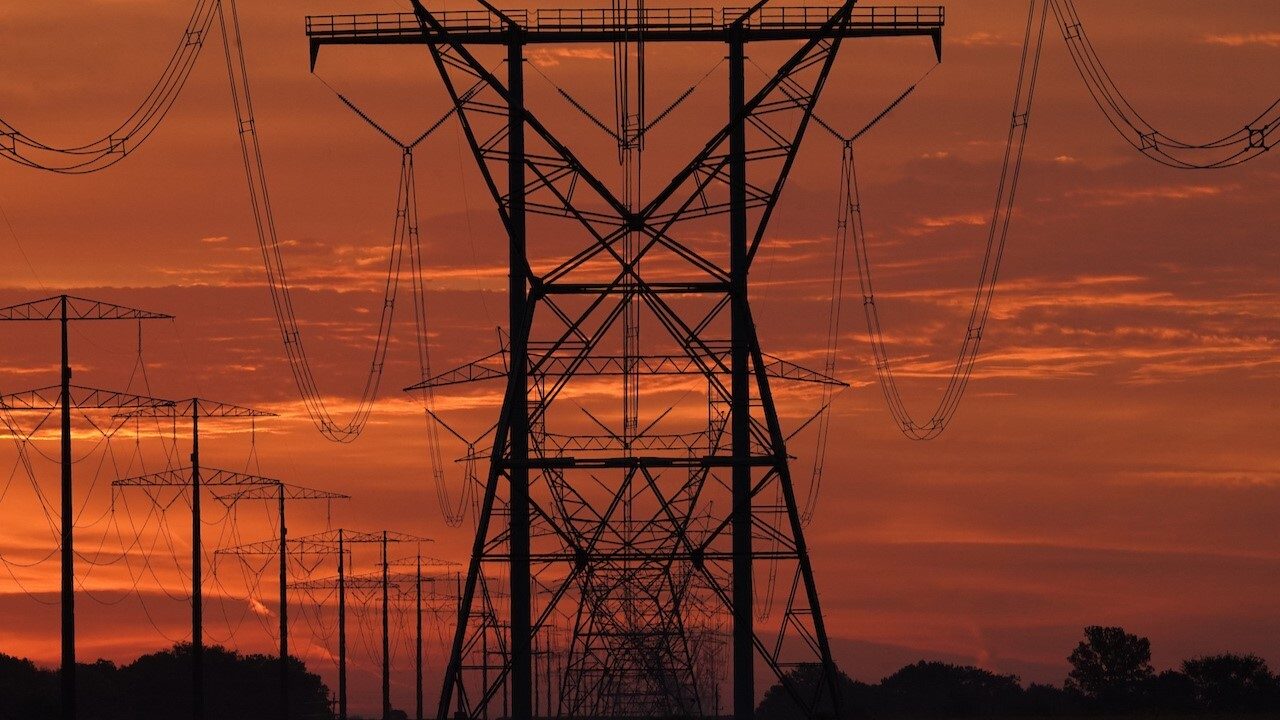
Allowing More Juice to Flow Through Power Lines Could Hasten Clean Energy
America’s power lines can’t handle all the energy promised by thousands of proposed solar, wind and battery energy projects. Technology can ease the gridlock.
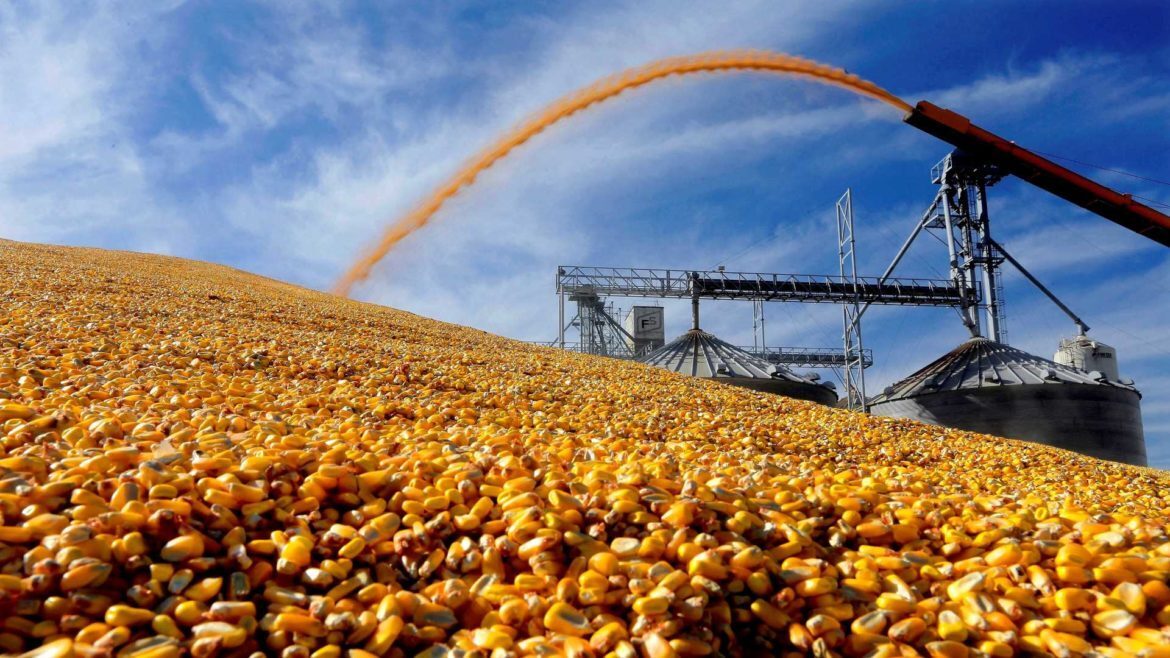
Ethanol Plants Want to Bury CO2 in Kansas to Cut Carbon Footprints
Two companies in Kansas want to pump carbon dioxide emissions deep underground to combat climate change. But environmental groups and landowners are opposed.
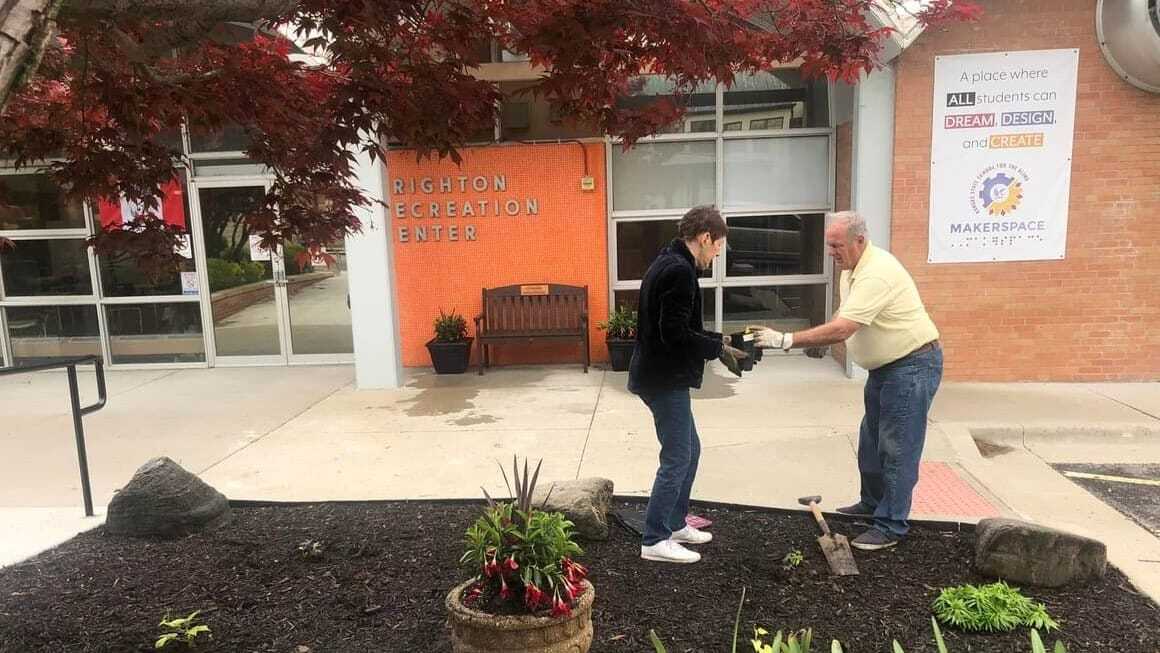
Recycling Program Turns Plastic into Park Benches
Several cities in the Kansas City area have gotten park benches made out of recycled plastic bags, thanks to a program supported by Trex Co. Inc.
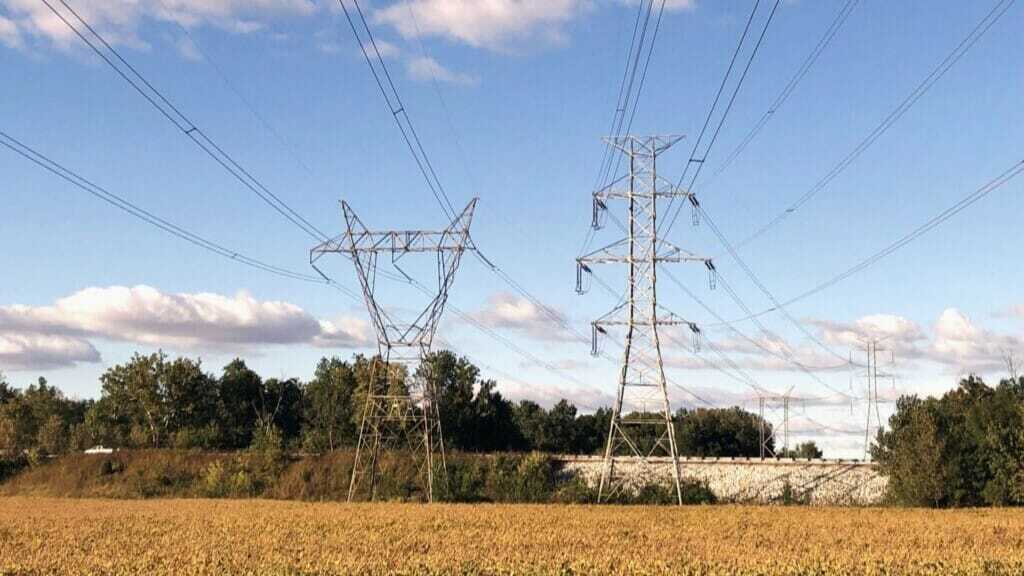
Grain Belt Express Wins Final Approval in Missouri
Regulators have given final approval to the owners of the Grain Belt Express transmission line to drop off thousands of megawatts of clean energy in Missouri.
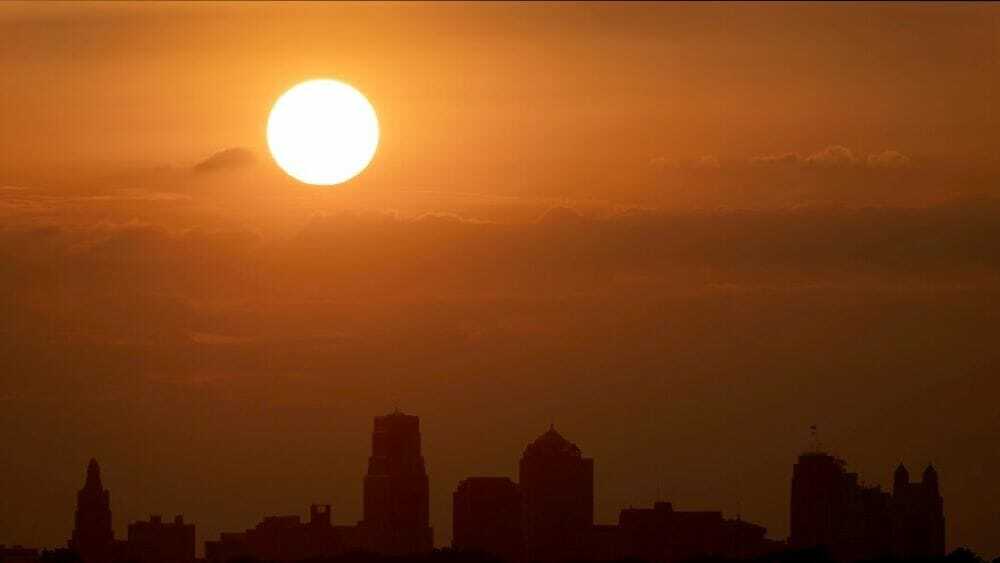
Heat Islands Make Dangerous Temperatures Even Worse for Some
Some people will feel much warmer temperatures during the heat wave. These heat islands are driving up energy costs and causing public health concerns.
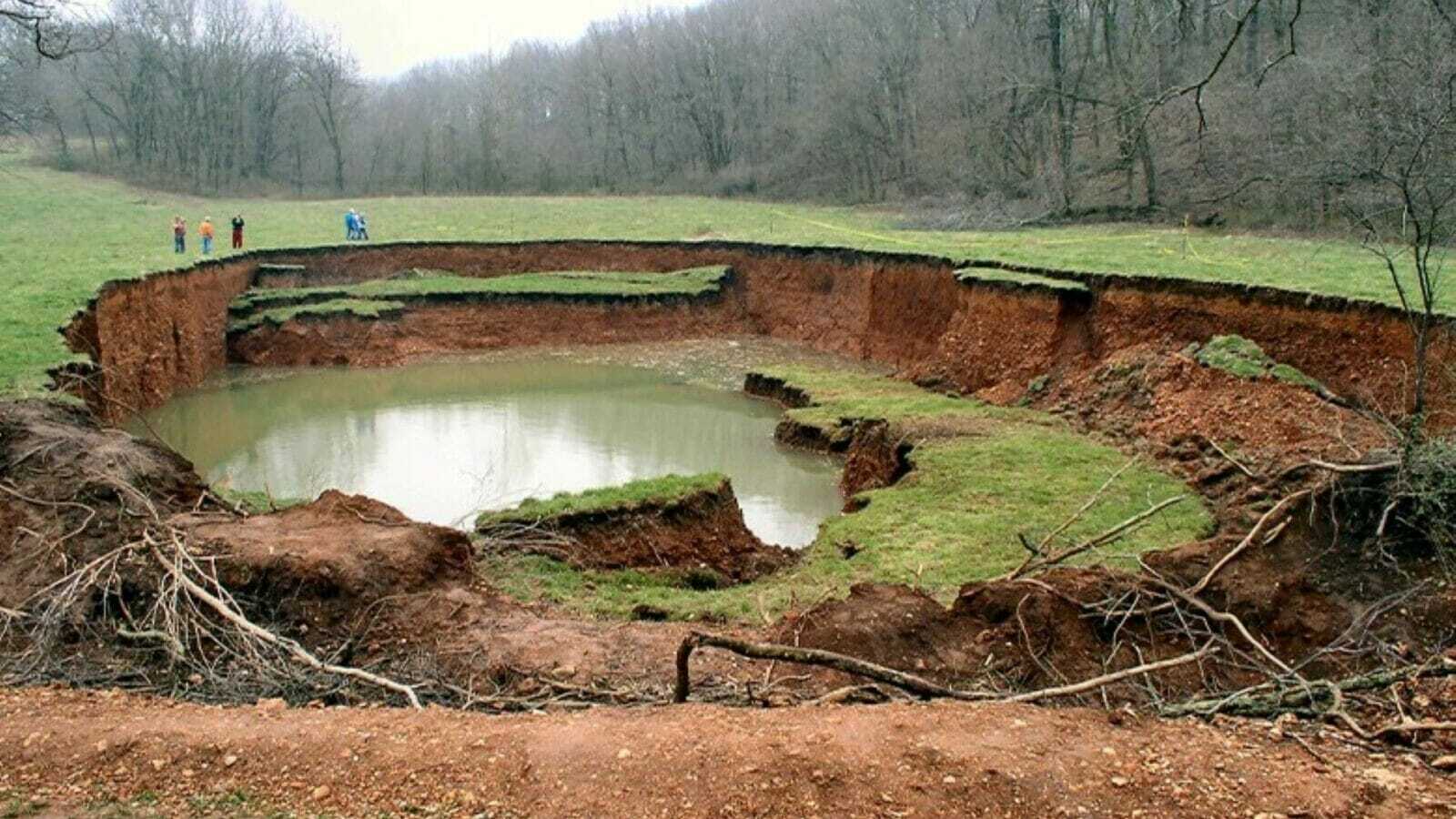
That Sinking Feeling: Missouri Full of Caves, Sinkholes
Missouri is unusually fertile ground for sinkholes and caves, thanks to its landscape. The Show-Me State is home to the second most caves in the country.
Earth Day Update: Midwest Cities Still Have Air Quality Problems
Although dangerous ozone levels have declined, an air quality study by the American Lung Association notes that soot from western wildfires remains a problem.