
Brexit | U.K. Votes To Leave EU; Prime Minister Cameron Steps Down
June 24, 2016 | | 4 min read
Updated 5:49 a.m. ET
British voters have decisively chosen to leave the European Union, 52 percent to 48 percent.
The decision has sent shockwaves around the nation, the continent and the world.
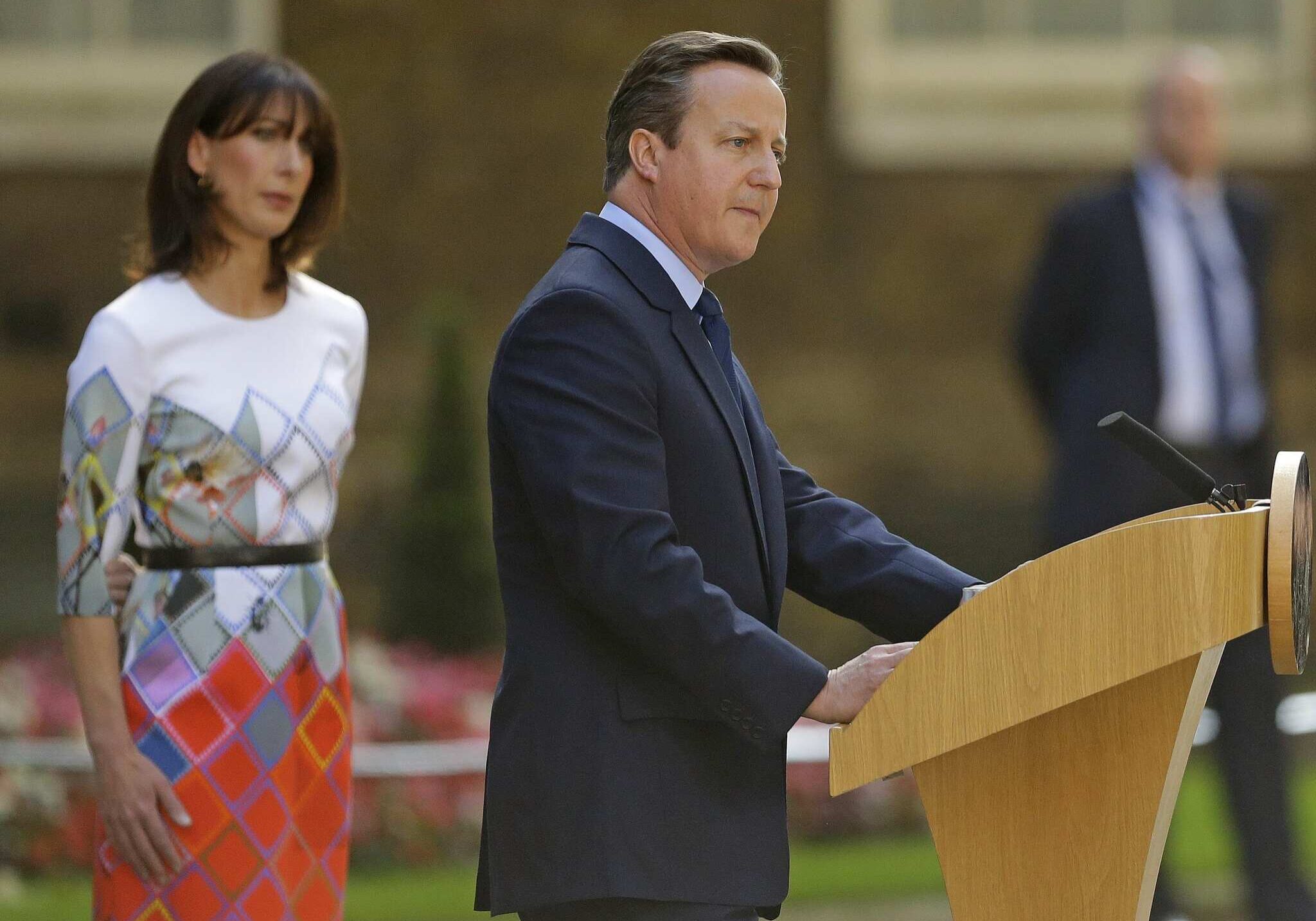
Prime Minister David Cameron announced he will resign before his Conservative Party conference in October.
“I was absolutely clear about my belief that Britain is stronger, safer and better off inside the European Union,” Cameron said Friday. “But the British people have made a very clear decision to take a different path, and as such I think the country requires fresh leadership to take it in this direction.”
The United Kingdom has been a member of the EU for 43 years. Now that will end — though the process will likely take many years of negotiations.
In the meantime, it’s a period of “tremendous uncertainty” for the U.K. and Europe, NPR’s Peter Kenyon reports from London.
The British pound has dropped to a 30-year low against the U.S., and global stock markets plunged as the vote counts trickled in Thursday night and Friday morning. Gold and the Japanese yen went up.
“The EU’s failing, the EU’s dying,” said Leave campaigner Nigel Farage after the official results were announced. Farage said he anticipates the Netherlands and Denmark will follow Great Britain out of the European Union.
In U.K., Elation And Shock
Opinion polls showed a tight race, with the final poll — as well as the betting markets and the financial world — anticipating the U.K. would vote “remain.” That meant for many in the U.K. and around the world, the referendum’s outcome came as a shock.
The results showed sharp regional divisions in the United Kingdom. London, Scotland and Northern Ireland had strong pro-EU results, while rural and economically depressed areas backed the so-called Brexit in large numbers.
NPR’s Frank Langfitt says that in London today, people who wanted to remain in the EU are both disappointed and “very surprised.”
“People who wanted out are elated,” he said. “There’s one woman I talked to who actually screamed.
Jeremy Corbyn, leader of the opposition Labour Party, said voters were reacting to decades of mistreatment by successive governments.
“Many communities are fed up with cuts, fed up with economic dislocation and feel very angry at the way they’ve been betrayed and marginalized,” Corbyn said.
Anger over immigration was a potent force among the “Leave” camp, Frank says.
Many voters who opted out of the EU “felt that the price of immigration was just too high, that it was driving down wages, costing people jobs,” he says. “With some white Britons there was a feeling also that the immigration was changing the nature of communities here.”
Many voters also distrusted the experts and powerful leaders urging voters against the Brexit, Frank says:
“The rest of the world, for what it’s worth, was telling the Brits not to do this. Economists almost uniformly were against this, they said it would damage the British economy and the global economy. Political leaders from Xi Jinping in China to Barack Obama said this would make Britain less relevant. But the voters — to some degree, I think, tired of being told what to do by the elites — made up their minds.”
Northern Ireland’s strong Remain vote led Sinn Fein chairman Declan Kearney to call for a referendum on unification with Ireland, an EU member country. Sinn Fein is the largest Irish nationalist party in Northern Ireland.
Current EU president Donald Tusk said the group is “determined to keep our unity at 27,” referring to the number of member nations minus Great Britain. He went on to say, quoting his father, “What doesn’t kill you makes you stronger.”
Germany’s foreign minister Frank-Walter Steinmeier tweeted the vote was “a sad day for Europe and Britain.” France’s foreign minister Jean-Marc Ayrault said he was “sad for the United Kingdom.”
9(MDA1MjcyMDE0MDEyNzUzOTU1NTMzNmE5NQ010))
Reading these stories is free, but telling them is not. Start your monthly gift now to support Flatland’s community-focused reporting.

Related Stories
Kansas City Helping Renters Avoid Eviction
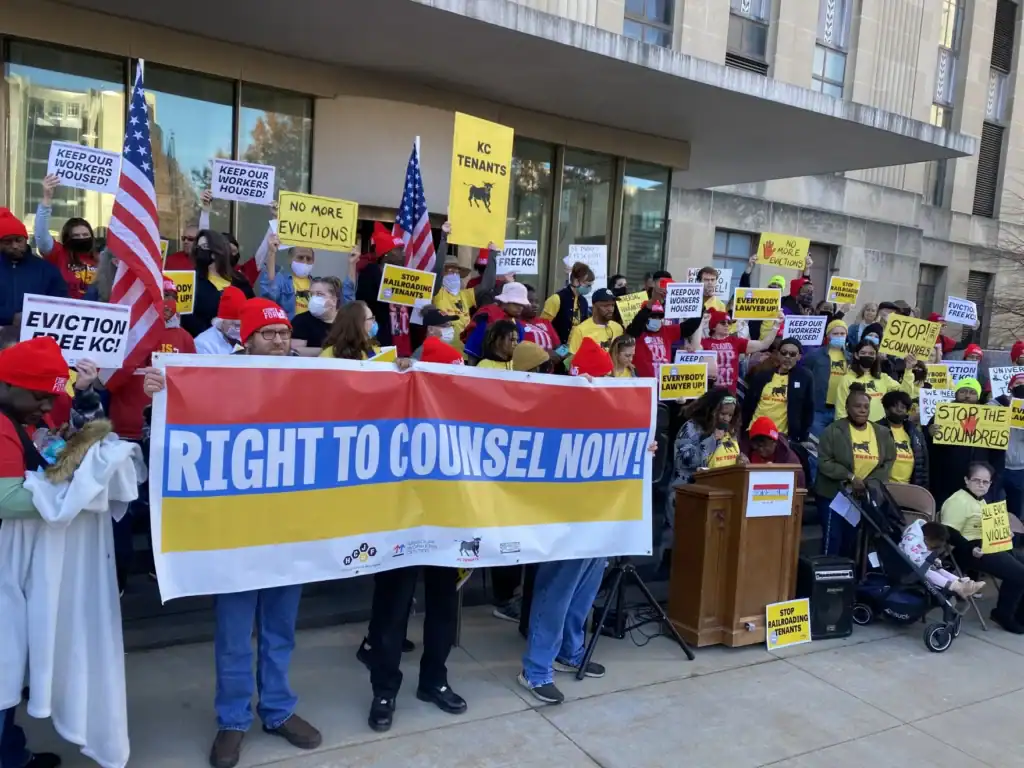
On any given Thursday, a small hallway in the Jackson County Courthouse crowds with tenants, landlords, and attorneys arriving for their scheduled hearings and trials. The scene unfolds on Floor 7M, which is half the height of the building’s other levels, and is where Associate Circuit Judge Mary Weir recently worked through 55 eviction cases…

Nick’s Picks | Costco, Homicides, Rain and More …
Is Missouri's congressional map saga over? It seems so, but who knows if there will be another twist or turn. That story and more ...

Nick’s Picks | Obama Visits KC, Debates and Fall’s Arrival
Obama in KC With Election Day just six weeks away, some of the nation’s top political names are now rolling through Kansas City. Last week, Vice President JD Vance was in town. This week, it’s Barack Obama. The former president takes the stage Saturday at the Overland Park Convention Center for a leadership event hosted…