
Report: Rural America Produces Greenhouse Gasses on Behalf of Urban and Suburban Areas
June 4, 2024 | Claire Carlson, The Daily Yonder | 3 min read
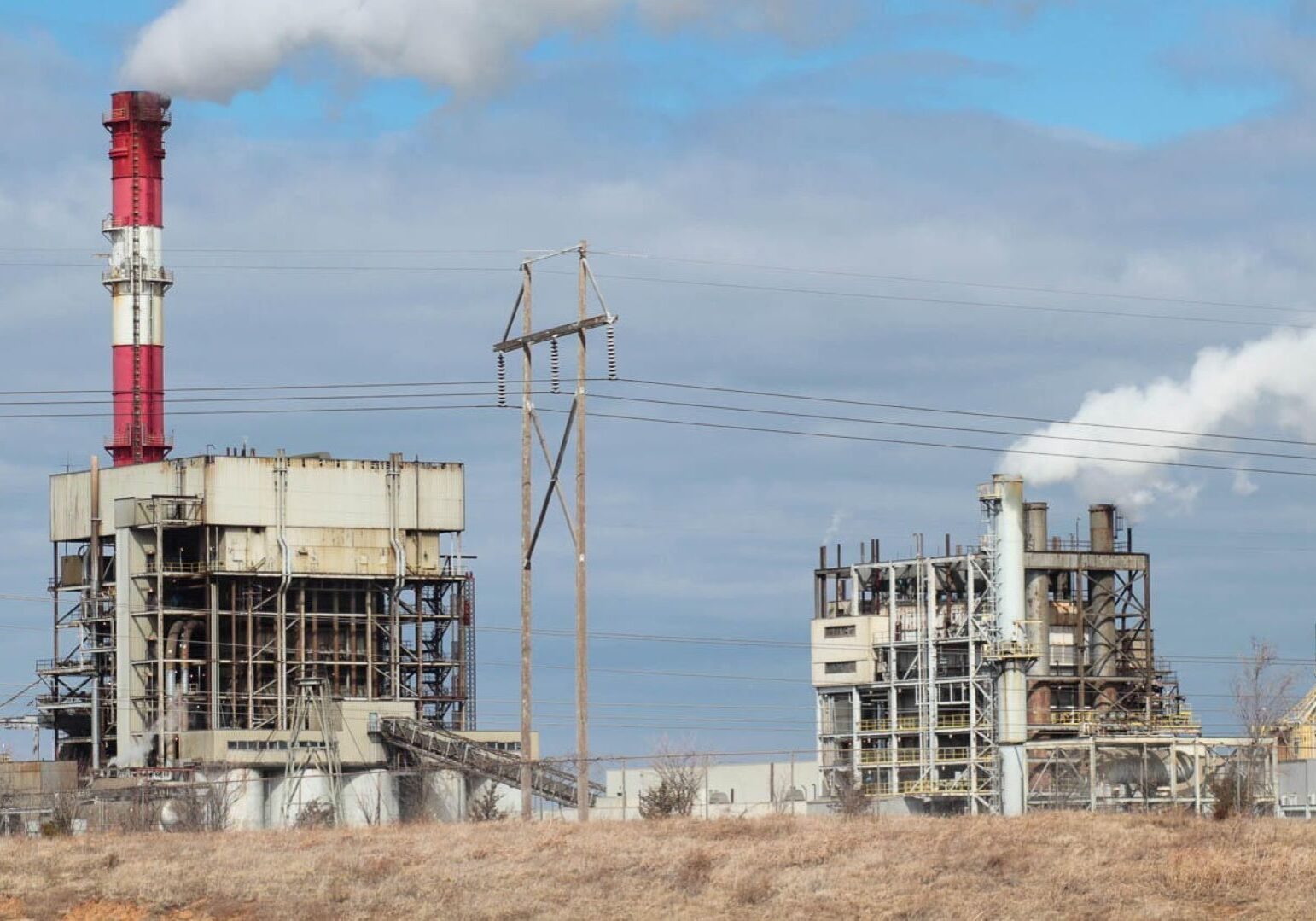
A new report shows that at least 36% of annual greenhouse gas emissions in the United States come from rural America, but they’re mostly used to produce energy and food for urban and suburban America.
And while rural communities – particularly low-income and rural communities of color – are exposed to a disproportionate amount of greenhouse gas emissions, they’re not receiving the federal investments to decrease these emissions.
“If we really want to meaningfully reduce emissions, [we need to invest] in efforts that are rural to reduce the emissions that are connected to that consumption,” said Maria Doerr, lead author of the report and program officer for the Rural Climate Partnership, in an interview with the Daily Yonder. “Rural America is the source of these emissions, but they are not the ones driving the demand that creates these emissions.”
The report was produced by the Rural Climate Partnership, a project of the nonprofit rural advocacy group the Heartland Fund. Using data from the U.S. Environmental Protection Agency (EPA), they found that energy production and agriculture are the leading sources of greenhouse gas emissions in rural America. Industry like natural gas, petroleum, and cement manufacturing was the third leading source, and transportation and residential energy uses were the fourth and fifth, respectively.
Doerr said that the emissions produced by power plants are a particularly potent source of greenhouse gas emissions, and nearly half of those emissions are produced by rural power plants. “That energy is being shipped out to the cities and suburbs,” Doerr said.
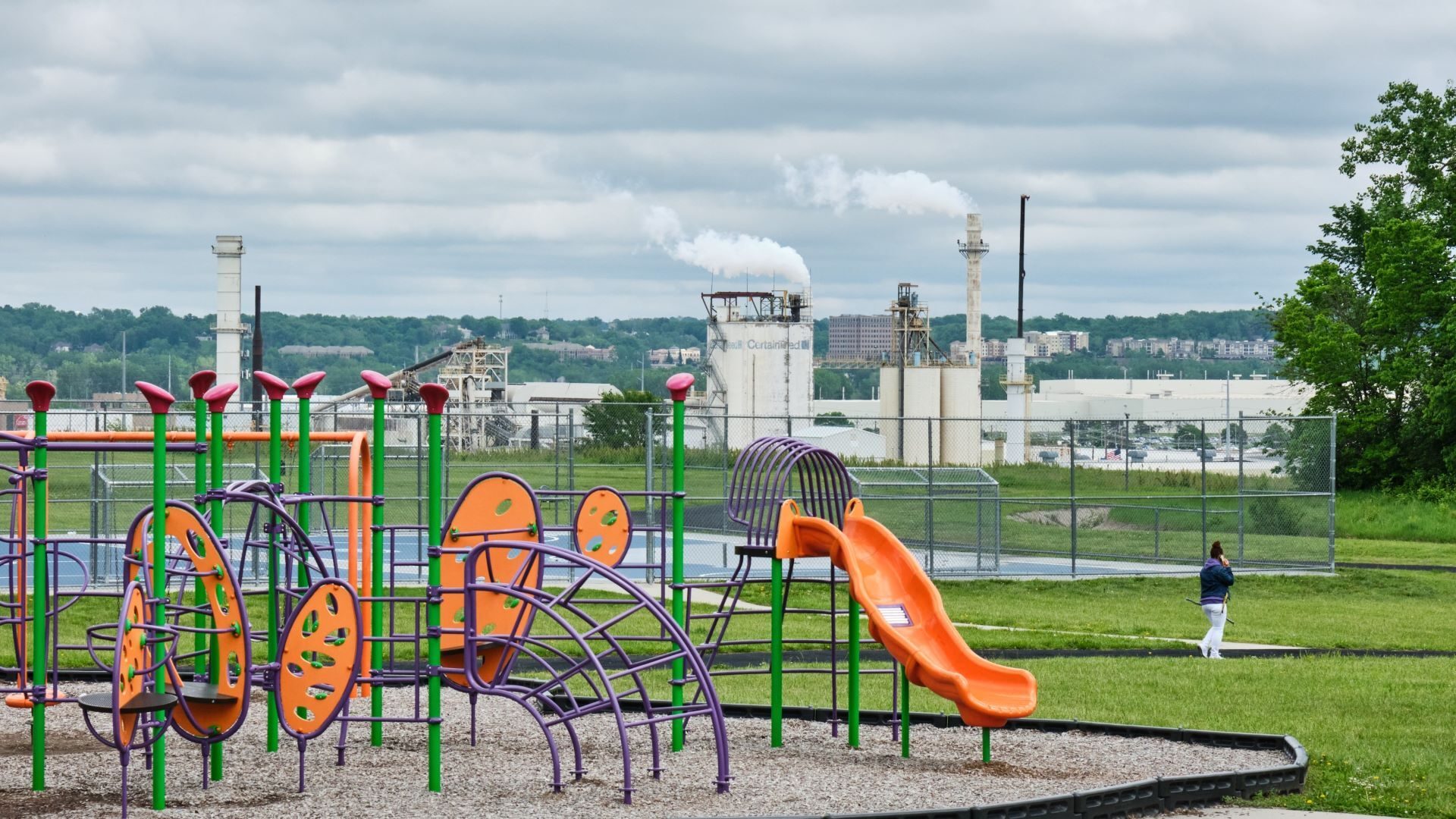
While the rest of America benefits from this power, rural communities are exposed to the toxic air pollutants from this power’s production. And these effects aren’t felt equally.
Approximately 37% of rural residents within a three-mile radius of rural combustion plants are low-income, and 29% of residents within that radius are Black, Indigenous, or people of color, according to the report. Long-term exposure to these pollutants can lead to respiratory and cardiovascular problems, immune system damage, and cancer, according to the EPA.
The federal government has passed legislation to reduce greenhouse gas emissions to combat climate change, but very little has been earmarked for rural America.
Of the combined total appropriations from three major climate laws – the Inflation Reduction Act, the CHIPS & Science Act, and the Infrastructure Investment and Jobs Act – only 2.3% of the funding is earmarked exclusively for rural communities, according to an analysis from the Brookings Institute. About 20% of the funding is rural-stipulated.
Rural America should be prioritized for this funding because it’s at the center of some of the most carbon-intensive industries, according to the Rural Climate Partnership.
“In the vast expanse of rural and small-town America, there is a story that has been largely untold, one of significant emissions reduction potential shadowed by systematic underinvestment,” wrote Doerr in the report.
Doerr said they hope this report encourages legislators to rethink rural America’s role in climate solutions.
“I hope that this report can help start some powerful conversations about…how we support, uplift, and invest in rural America and rural-based climate solutions,” Doerr said.
Claire Carlson reports for The Daily Yonder, which provides news, commentary, and analysis about and for rural America. This article first appeared on The Daily Yonder and is republished here under a Creative Commons license.
Reading these stories is free, but telling them is not. Start your monthly gift now to support Flatland’s community-focused reporting.

Related Stories
Kansas City Cooks as Site for National Anti-ICE Dinner Series
Celebrated chefs from throughout the metro collaborated for three nights on dinners that raised money for a local immigrant-rights nonprofit.
Nick’s Picks | Top Cop, Mission Mall, Lucas’ Travels and More …
Nick Haines also has the lowdown on information for the upcoming election, the arrival of fall and Kansas City's Day of the Dead celebration.
Nick’s Picks | I-70, Tax Break, School Petition, and More …
An Interstate 70 closure, a tax rebate for Jackson County property owners, a school closure petition, and more ...