
Local high school athletes may be at greater risk than college players
October 30, 2013 | | 1 min read
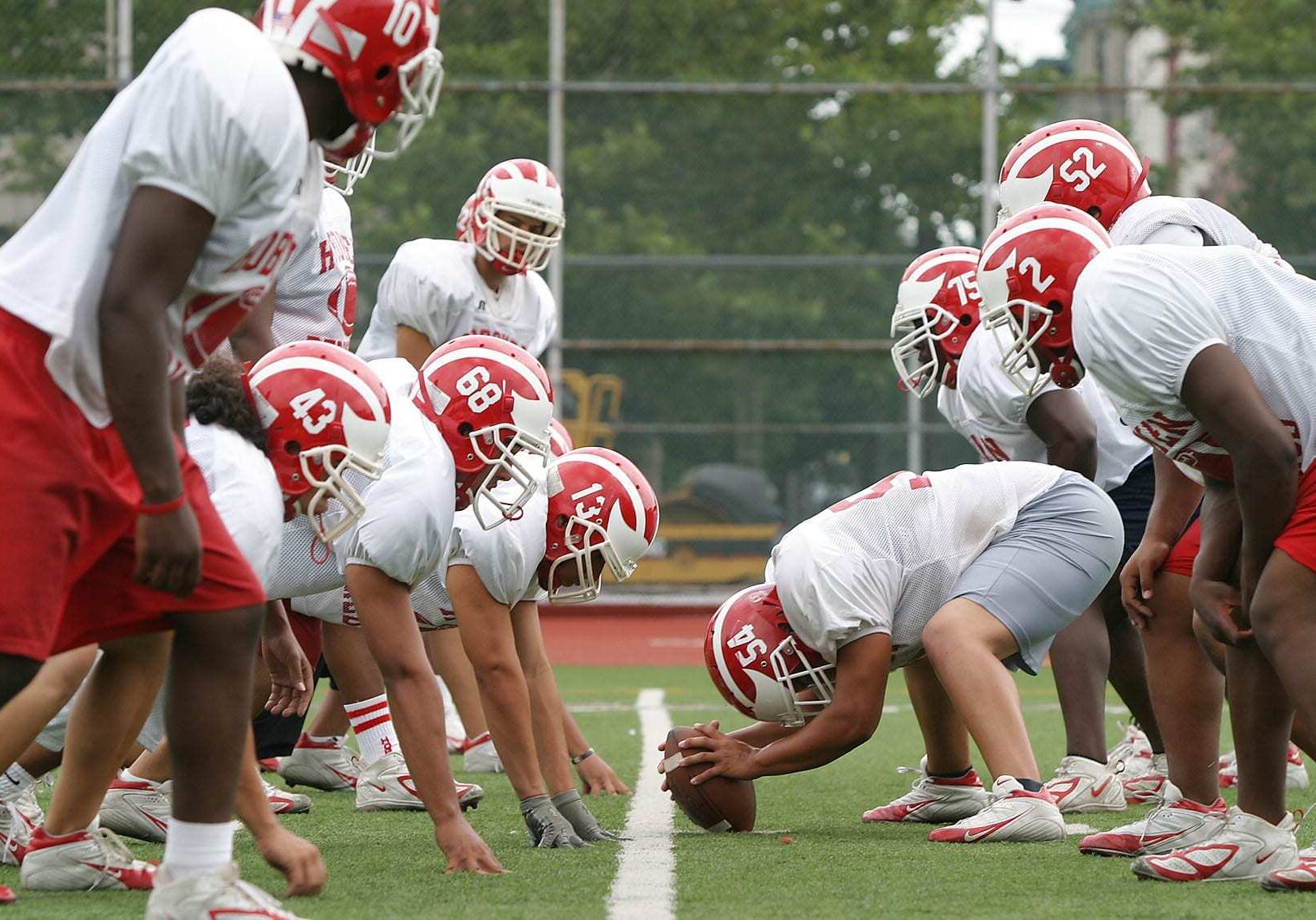
High school athletes may have a higher risk of getting a concussion than college players.
That’s the conclusion of a joint report released today by The Institute of Medicine and National Research Council. A panel of medical experts found that concussion rates were higher in high school-aged athletes who played football, baseball, men’s soccer and lacrosse than for college athletes who play those sports.
The report finds that the average collage football player experiences 6.3 concussions per 1,000 athletic exposures, a number that includes all practices and games. Meanwhile, the average high school football player will see a concussion rate almost twice as high, 11.2 concussions per 1,000 athletic exposures.
The study was funded by the Centers for Disease Control Foundation and the NFL Foundation.
KCPT recently tracked the incidence of high school concussions in two in-depth local reports following the groundbreaking PBS Frontline series, League of Denial.
Reading these stories is free, but telling them is not. Start your monthly gift now to support Flatland’s community-focused reporting.

Related Stories

Nick’s Picks | Veep, Gerrymandering, Football and More …
Vance Lands in KC Again … Vice President JD Vance will make two stops in the Kansas City area today, his second visit to the metro in less than four months. The White House says Vance will visit a federal law enforcement facility in Kansas City, Missouri, to highlight the Trump administration’s crackdown on fraud….
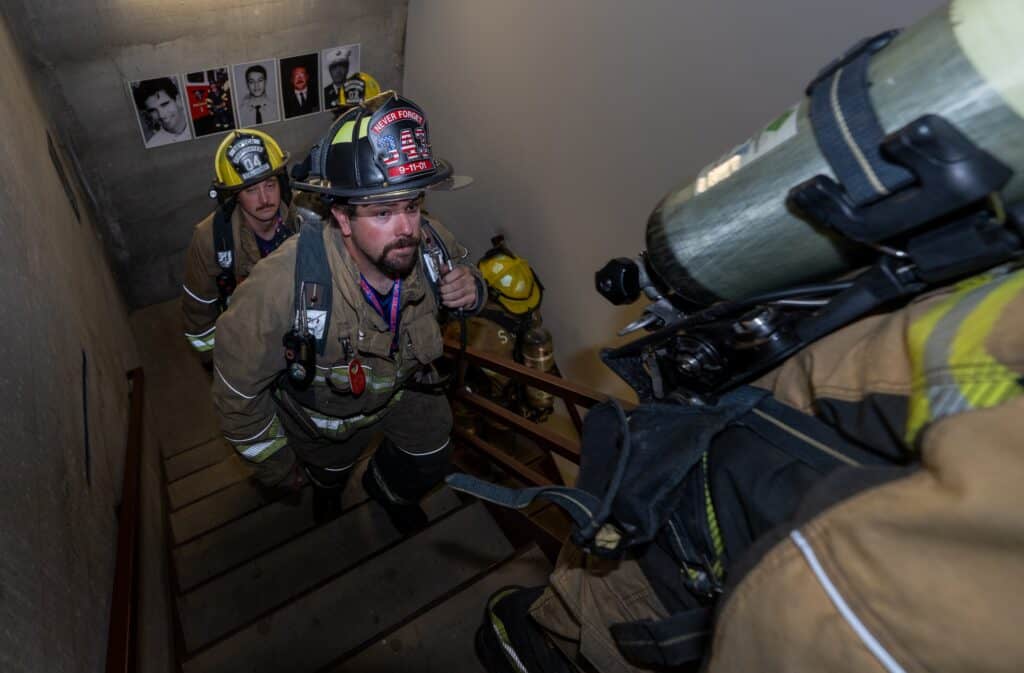
The Fight Against Forgetting 9/11
Schools, nonprofits, and firefighters work to ensure Kansas Citians remember the victims of the Sept. 11, 2001, terrorist attacks as the nation marks the 25th anniversary of the tragedy.

United in Opposition: The Bipartisan Response to Data Centers
From Independence, Missouri, to Osawatomie, Kansas, data centers are angering residents and spurring bipartisan opposition.