
GUEST COMMENTARY
By Bill Dietrich
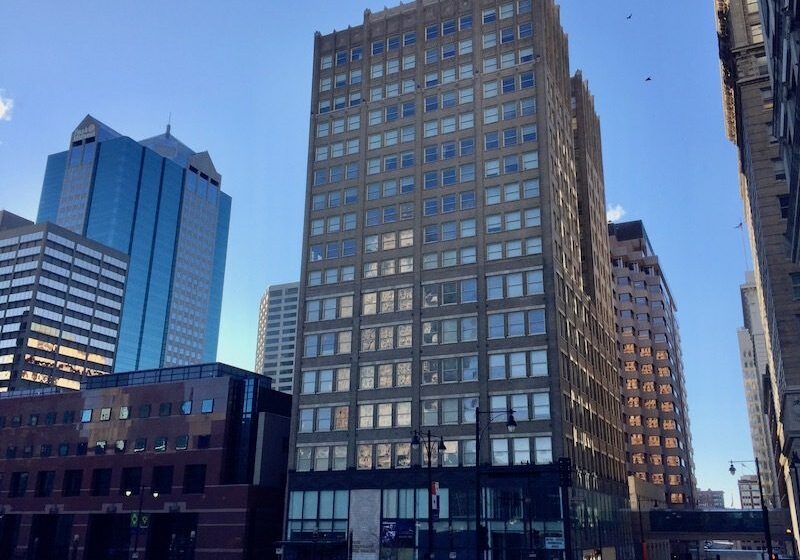
Maintaining existing affordable housing stock and increasing that inventory are critical for the sustainability and continued growth of greater Downtown Kansas City. We’ve come a long way from the blight of the late 1990’s, but have much work still to do.
In greater Downtown Kansas City today – 31st Street north to the Missouri River, and State Line east to Woodland – residential housing density is among the lightest of any of our peer cities and many new opportunities remain.
To place Downtown on the path to a long-term, balanced mix of housing inventory will require an updated revitalization strategy.
Kansas City has accomplished most of the plan that was published in 2000 by Sasaki Associates. The Downtown Council agrees that it is time to update this plan.
To be successful, strategies need to be based on accurate information. So, here is what the data say, according to federal figures:
Department of Housing and Urban Development and census guidelines define affordable rent as up to 30 percent of household gross income. HUD‘s Jackson County individual median income ranges from $41,900 to $52,375.
At year-end 2016, there were 14,189 total rental housing units in greater Downtown, and growth continues. According to census data, 6,055 or 42.6 percent of those housing units are considered affordable, according to HUD’s criteria.
Market rate rents are increasing as new value is created, growing the tax base.
These data paint a picture of a Downtown with a healthy mix of affordable and market rate housing.
With its residents paying a median 41 percent of their income for housing and transportation, versus 48 percent in the whole city, Downtown rates as the most affordable neighborhood in our region, with 53 percent of its population a cross section of African American, Hispanic, Asian, Native American and those of mixed ancestry – almost twice as diverse as any other part of our region.
And, currently, 41 percent of the 26,000 residents in greater Downtown are millennials – the largest percentage in any neighborhood in the metropolitan area.
As you move away from the city center, the percentage drops to 26 percent for Kansas City and 22 percent for the greater region. Younger generations are our future and we must be competitive to retain them.
In 2000, only those in the vanguard of urban living were willing to pay below-market rents for an apartment in an amenity poor environment. That is not the case today with arts, culture, entertainment, retail, streetcars, employment opportunities.
Today, the greatest threat to affordable housing begins with the state of Missouri’s ill-conceived refusal to allocate funds for Low-Income Housing Tax Credits, or LIHTC, which are essential to the development of new affordable inventory.
Right now, a 400-unit LIHTC, rent-restricted, affordable housing project planned for the Central Business District is unable to advance without those credits. We should be sounding the alarm.
An effective strategy would be to unite as a community to educate legislators on why affordable housing and these tax credits are so important.
LIHTC obligations on existing inventory will be expiring over the next several years. Property owners will be reviewing their options on what the next iteration will be: continuing as affordable, converting to market rate or another use.
Many will determine that the upward delta in rent doesn’t justify the investment required to make their properties competitive.
Understanding the importance of affordable, workforce housing, the Downtown Council remains committed to work with the city and community to develop a comprehensive plan promoting affordability.
We are steadfast in our dedication to attracting new jobs and residents, and growing the tax base within a diverse, affordable and walkable urban community.
Bill Dietrich is president and CEO of the Downtown Council of Kansas City.
This op-ed piece originally appeared on The Kansas City Star website.
Reading these stories is free, but telling them is not. Start your monthly gift now to support Flatland’s community-focused reporting.
Related Stories
Nick’s Picks | Costco, Homicides, Rain and More …
Is Missouri's congressional map saga over? It seems so, but who knows if there will be another twist or turn. That story and more ...

Nick’s Picks | Obama Visits KC, Debates and Fall’s Arrival
Obama in KC With Election Day just six weeks away, some of the nation’s top political names are now rolling through Kansas City. Last week, Vice President JD Vance was in town. This week, it’s Barack Obama. The former president takes the stage Saturday at the Overland Park Convention Center for a leadership event hosted…
Preparations Aside, KC World Cup was Quiet for Hospitals, Police
Officials said months of planning will serve them well in the year's to come through improved collaboration.