
Cover Story, Education, News & Issues, Take Note: School of the Future, Take Note: The School of the Future
Ride the Wave: Preparation for the Real World Should Include a Sense of Uncertainty
September 4, 2018 | Michael Price, Mike Sherry | 3 min read
In some respects, life is like an ocean — vast, unpredictable, and a little scary.
That imagery came courtesy of Katie Kimbrell, director of education at the Kansas City Startup Foundation, which works to foster entrepreneurism throughout the city. She actually boiled the idea of the real world down to one word: ambiguity.
And as a former teacher, Kimbrell said schools pretty much prepare kids for the opposite. The idea is almost to minimize uncertainty — moving methodically from Step A, to Step B, and so on.
So for people like Kimbrell and Katie Boody, who is head of LEANLAB Education, a Kansas City-based organization focused on K-12 innovation, the fundamental question for the school of the future is: How does it prepare students to sail the open seas rather than drive from one stoplight to the next?
What Will Children Need to Learn in the School of the Future | Part I
One place to start, they said, is revamping the way we assess students and teachers. Slavishly adhering to the results of standardized testing is no way to encourage creativity in the classroom.
It’s not that you eliminate these assessments, said Boody, who is also a former teacher. The tests, she argued, must be revamped to also measure skills like adaptability, creativity, and the ability to collaborate.
“A lot of people right now are investing in the expanded definition of student success, and social/emotional learning, and what that means,” Boody said.
In that type of world, where classrooms become hubs of project-based learning, teachers become facilitators.
“But to educators, in the way that we are trained, it’s very hard, not only hard, but sometimes discouraged, to really let go of the reins,” Kimbrell said, “because we are taught to know what outcomes we want from students and to really drive those outcomes.”
What Will Children Need to Learn in the School of the Future | Part II
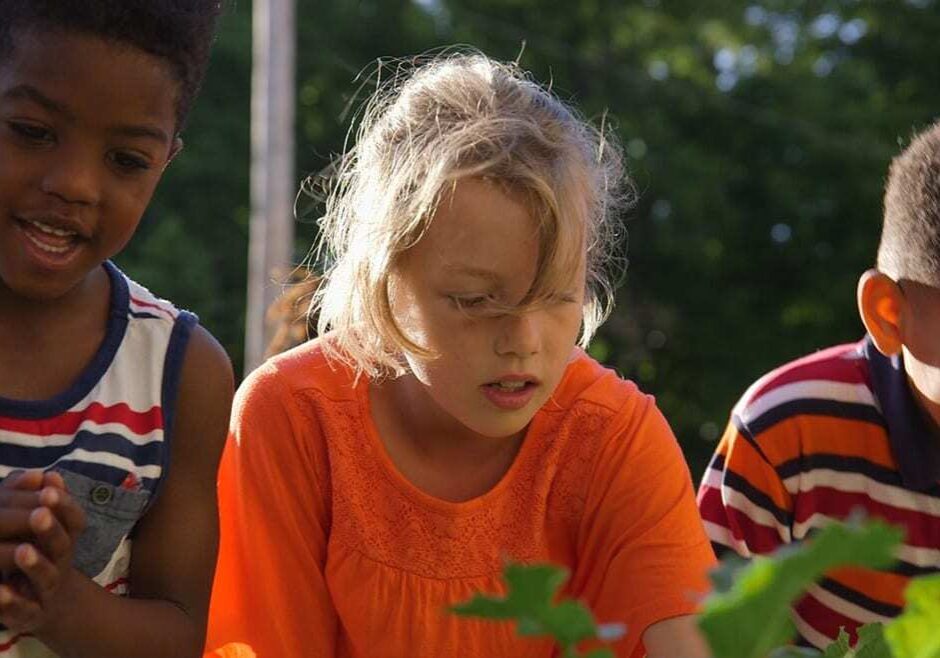
Outside of the classroom, the Startup Foundation holds challenges where students tackle real world problems, such as making schools more secure or handicapped accessible.
Kimbrell said the reaction among students is, “Why isn’t school more like this?”
One way to look at this new model is that students need to learn how to be entrepreneurs. Not in the sense that every kid is going to go out and start a business, but that they develop the attributes — or “soft skills” — needed to succeed in a work world that will demand flexibility and adaptability.
“It’s risk. It’s determination. It’s collaboration. It’s thinking divergently. It’s curiosity. Embracing failure,” Kimbrell said. “Those human skill sets and dispositions are what we think entrepreneurs have, and we think that by developing an entrepreneurial mindset, we’re just developing ready, engaged citizens, essentially.”
—Mike Sherry is KCPT’s online news editor
Reading these stories is free, but telling them is not. Start your monthly gift now to support Flatland’s community-focused reporting.
Related Stories

Nick’s Picks | Counting, Courts, Attractions and More …
Topics include: Election Day drama continues, World War I Museum and Memorial celebrates 100 years, Steamboat Arabia leaves, and entertainment options.
How One Wyandot Artist Hopes to Bring His Native Language Back From Extinction
“To speak the language, you're actually creating the language as you go,” Richard Zane Smith said. “We're trying to come up with a kind of standardized writing system, and even that has its challenges.”
Teaching Christian Theology in the World of Online Learning
Christian educators in the Kansas City area are grappling with the fundamental questions raised by Zoom classes while welcoming students that could not attend otherwise.