
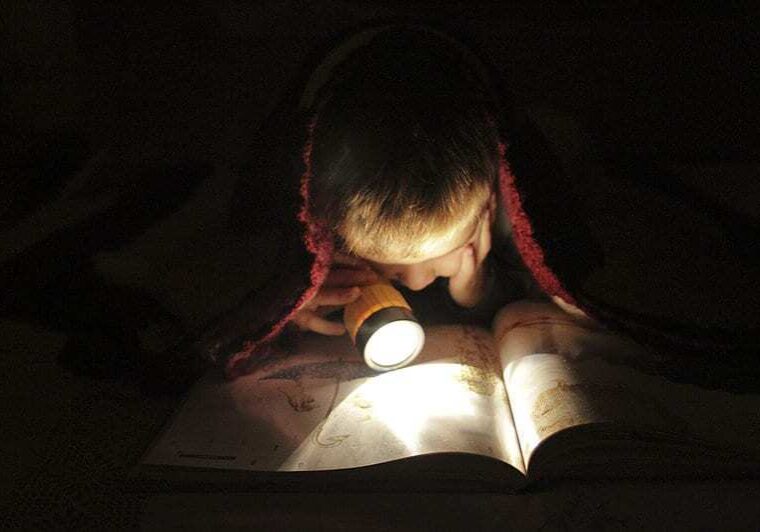
Early Bedtime For Preschoolers Might Help Reduce Obesity Risk Later
July 17, 2016 | | 4 min read
For parents concerned that their preschoolers may one day gain excess weight, a study published Thursday suggests one strategy for keeping the little ones on track that isn’t related to food: Tuck them in earlier.
Scientists reporting online in The Journal of Pediatrics found, in a study of not quite a thousand U.S. children, that preschoolers who got to bed by 8 p.m. were about half as likely as those who turned in after 9 p.m. to develop obesity in their teenage years.
Obesity continues to be a major health issue for children and teens in the United States, and many studies have shown that issues with sleep quality and duration can contribute to that risk, says Sarah Anderson, epidemiologist at the Ohio State University and lead author on the current research. But “there haven’t been many studies that have looked at bedtime,” Anderson says.
A child’s bedtime is an important factor to examine because it’s something a parent generally has some control over, says Lisa Medalie, director of the Pediatric Insomnia Program at the University of Chicago Medicine, whereas kids often have a fixed wakeup time because they have to get out the door in time for camp or school.
“Kids can get really fussy when you keep them up too late,” Medalie says. “If they get too fussy and get overtired, then it actually makes it harder for them to sleep.”
To find out whether preschooler bedtimes might be linked to obesity later in life, Anderson and colleagues looked back at data collected for 977 children across nine states as part of a government-funded research project called the Study of Early Child Care and Youth Development.
Researchers followed these children from birth in 1991 through their adolescent years. They recorded a range of data — everything from a child’s height and weight at different ages to a mother’s education level and attention to her child’s needs as observed through video recordings.
Importantly for Anderson’s study, when the children reached about 4.5 years old, researchers included this in the list of questions they asked mothers: “What time does your child go to bed on most weekday evenings?”
It turned out that about 25 percent of the children went to bed at 8 p.m. or earlier, half went to bed between 8 and 9 p.m., and 25 percent went to bed after 9 p.m.
Anderson and her team found that the bedtime category a child fell into was linked to his or her likelihood of being obese. When the preschoolers reached about age 15, 10 percent of the early-to-bed group, 16 percent of the middle group, and 23 percent of the late-to-bed group were obese.
Even after the researchers controlled for other factors like birthweight, socioeconomic status, ethnicity, and the mother’s weight, the preschoolers who went to bed late — after 9 p.m. — were still twice as likely to develop obesity in their teens as the early-to-bed group.
“That you can ask one question of a mother of a 4.5-year-old child and it relates to body mass index 10 years later — that’s pretty remarkable,” says Joseph Buckhalt, a pediatric sleep researcher at Auburn University.
The research hasn’t proved that later bedtimes directly cause obesity, only that there seems to be some connection between the two, the sleep scientists agree. Research on this point has only just begun.
And Anderson says she recognizes that it’s not always possible to get kids to bed early. Some parents’ work schedules “don’t allow them to arrive home early enough in the evening to both spend time with the child and have an early bedtime,” she notes.
Still, Anderson says, for lots of reasons, “parents might want to consider what it would take for them to have a regular early bedtime routine for their preschool-aged child.” And aim for that.
9(MDA1MjcyMDE0MDEyNzUzOTU1NTMzNmE5NQ010))
Reading these stories is free, but telling them is not. Start your monthly gift now to support Flatland’s community-focused reporting.

Related Stories

Preparations Aside, KC World Cup was Quiet for Hospitals, Police
Officials said months of planning will serve them well in the year's to come through improved collaboration.

Nick’s Picks | Veep, Gerrymandering, Football and More …
Vance Lands in KC Again … Vice President JD Vance will make two stops in the Kansas City area today, his second visit to the metro in less than four months. The White House says Vance will visit a federal law enforcement facility in Kansas City, Missouri, to highlight the Trump administration’s crackdown on fraud….
The Fight Against Forgetting 9/11
Schools, nonprofits, and firefighters work to ensure Kansas Citians remember the victims of the Sept. 11, 2001, terrorist attacks as the nation marks the 25th anniversary of the tragedy.