
Couple Moves On From Silence About Time In Japanese Internment Camps
February 19, 2017 | | 3 min read
This weekend marks 75 years since President Roosevelt’s executive order that sent Japanese-Americans to internment camps.
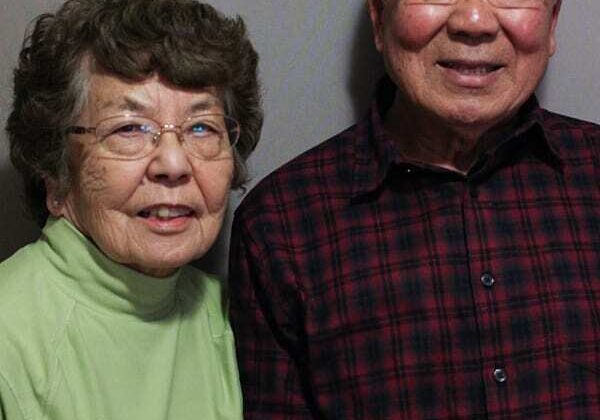
Roy Ebihara and his wife, 82-year-old Aiko, were children then, and both were held in camps with their families.
At StoryCorps, 83-year-old Roy told Aiko about what happened in his hometown of Clovis, N.M., in the weeks just before the executive order was issued.
“A sheriff and two plainclothesmen barged into the house and searched for what they called ‘contrabands.’ They took out my brother’s box camera, my father’s shortwave radio and they took the axe to it and chopped everything up,” Roy says. “My father never protested. Never said a word. He just stood there.
“And one night, vigilante groups formed in town. We saw the men were holding the oil torches coming across to where we lived. They were going to burn down everything. The state patrol came roaring in and told us quickly to gather up what we can in pillowcases and whatever can fit into the trunk of the car. I remember my sister, Kathy, my sister, Mary and my brother, Bill, and I, the four of us were squeezed into the back seat of the sedan, and we left in the darkness of the night. We were all crying. We couldn’t stop. It was just terrifying.”
That night Roy’s family was taken to the Old Ratan Ranch Camp about 12 miles outside the Fort Stanton Military Reservation in New Mexico where they were held until December 1942, when they were moved to the Topaz War Relocation camp in California.
Aiko remembers getting on Army trucks that took her family to a camp. “I was probably 5 or 6 years old,” she says. “I thought I was going on a vacation.”
Roy says he did not know he wasn’t going to return to his house again.
“I was 8 years old, and I really didn’t understand what this all meant and how it would affect our family,” he says. “I guess I felt we were guilty of something but what, I didn’t know.”
Roy says his family didn’t talk about the camps — his father didn’t want it discussed, and he and Aiko continued that tradition as parents to their two children. It’s something he calls “the silence of our parents.”
“We regret it very much,” Aiko says.
“I just feel that I want to go back and accept that pride, that pride of who we are,” Roy says.
Audio produced for Morning Edition by John White.
StoryCorps is a national nonprofit that gives people the chance to interview friends and loved ones about their lives. These conversations are archived at the American Folklife Center at the Library of Congress, allowing participants to leave a legacy for future generations. Learn more, including how to interview someone in your life, at StoryCorps.org.
9(MDA1MjcyMDE0MDEyNzUzOTU1NTMzNmE5NQ010))
Reading these stories is free, but telling them is not. Start your monthly gift now to support Flatland’s community-focused reporting.

Related Stories

Nick’s Picks | Rally, Debate, Data Center and More …
Election season is in full swing, with the U.S. Senate race in Kansas taking center stage, including President Donald Trump holding a rally in Wichita.
Kansas City Cooks as Site for National Anti-ICE Dinner Series
Celebrated chefs from throughout the metro collaborated for three nights on dinners that raised money for a local immigrant-rights nonprofit.

Nick’s Picks | Top Cop, Mission Mall, Lucas’ Travels and More …
Nick Haines also has the lowdown on information for the upcoming election, the arrival of fall and Kansas City's Day of the Dead celebration.