
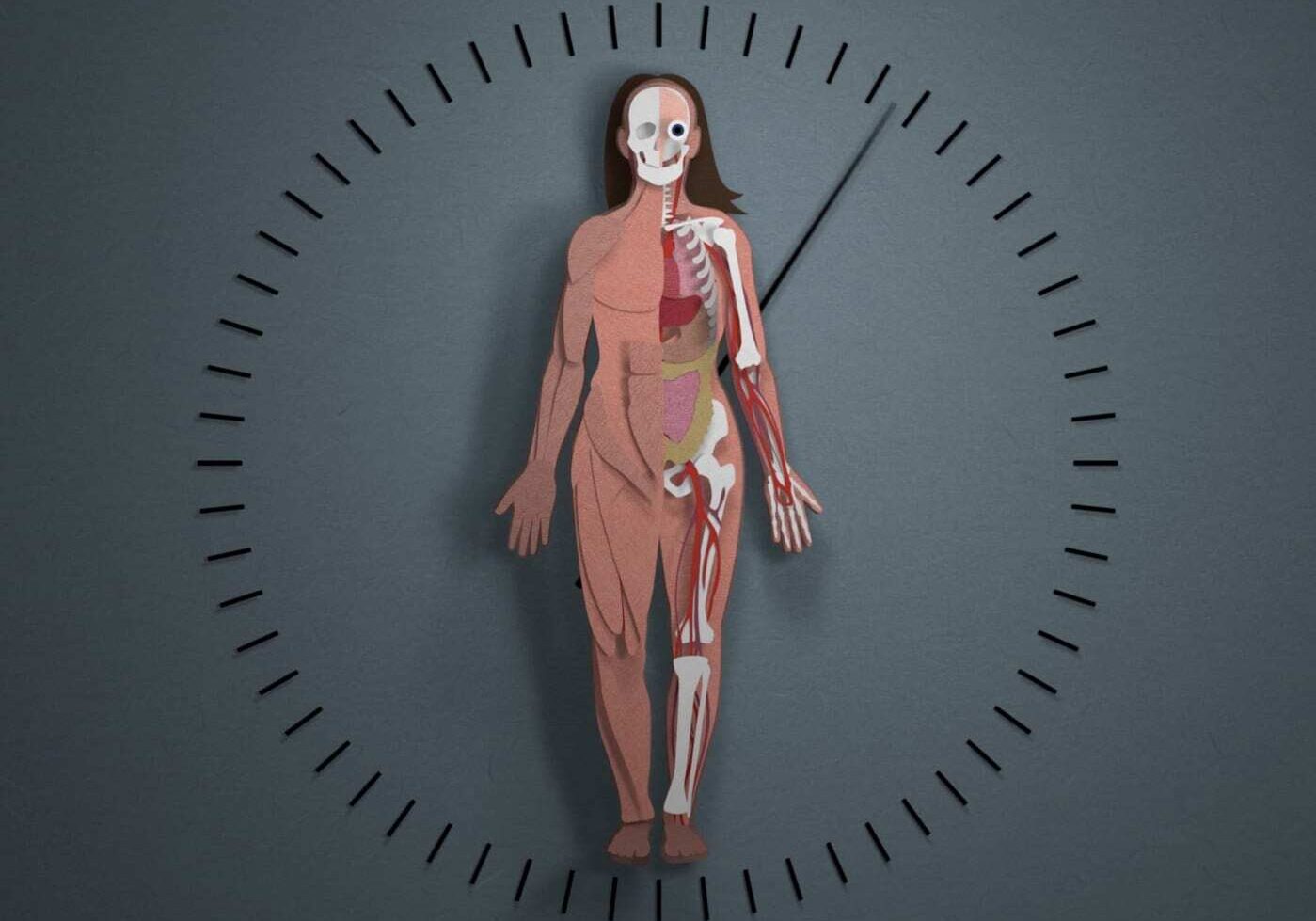
The latest episode of the podcast Invisibilia explores the idea that personality — something a lot of us think of as immutable — can change over time.
That got Invisibilia co-host Lulu Miller wondering if anything about us stays the same. Do all the cells in our body turn over every seven years as is sometimes claimed, with new cells replacing old ones? Or is there something that we hang on to for life?
NPR’s Skunk Bear crew decided to answer that question with a video.
It turns out that each body part has its own very distinct lifespan. The lining of the stomach, constantly under assault by digestive acid, is renewed every few days. But bones are refreshed once a decade. And there are a few parts of you that stay with you from birth to death.
Listen to the latest episode of Invisibilia and all the others here, and see what else Skunk Bear has been up to here. Would you like Skunk Bear to answer your science question in a future video? Post your question in Skunk Bear’s YouTube comments and it might get picked!
9(MDA1MjcyMDE0MDEyNzUzOTU1NTMzNmE5NQ010))
Reading these stories is free, but telling them is not. Start your monthly gift now to support Flatland’s community-focused reporting.

Related Stories
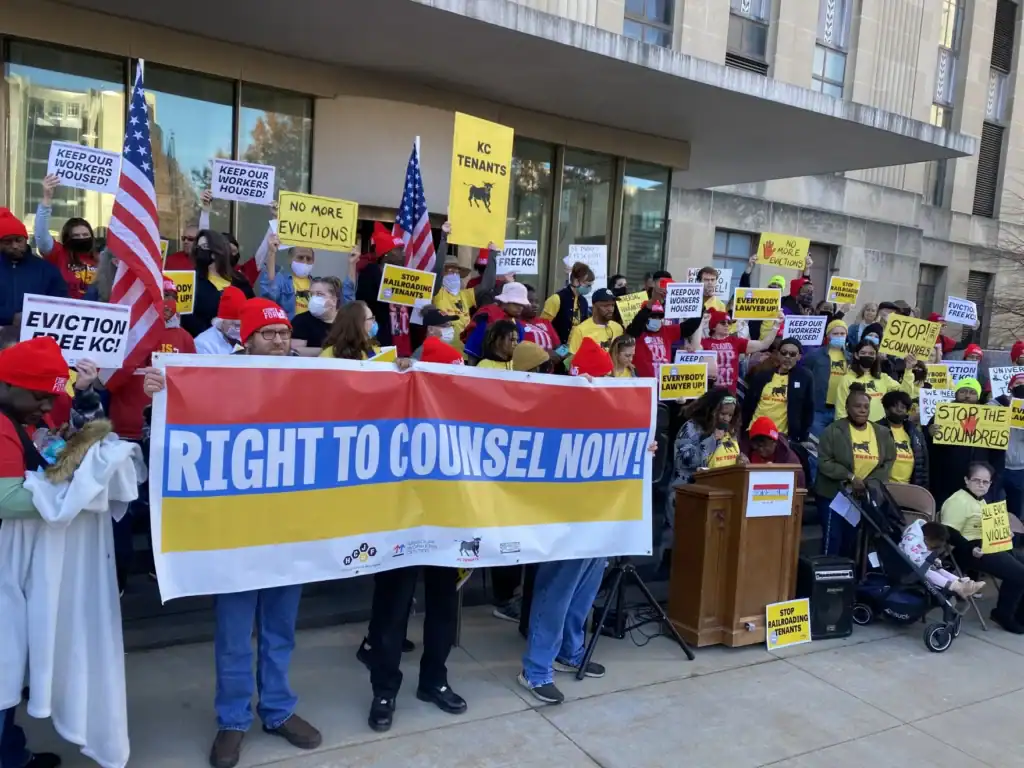
Kansas City Helping Renters Avoid Eviction
On any given Thursday, a small hallway in the Jackson County Courthouse crowds with tenants, landlords, and attorneys arriving for their scheduled hearings and trials. The scene unfolds on Floor 7M, which is half the height of the building’s other levels, and is where Associate Circuit Judge Mary Weir recently worked through 55 eviction cases…
Nick’s Picks | Costco, Homicides, Rain and More …
Is Missouri's congressional map saga over? It seems so, but who knows if there will be another twist or turn. That story and more ...

Nick’s Picks | Obama Visits KC, Debates and Fall’s Arrival
Obama in KC With Election Day just six weeks away, some of the nation’s top political names are now rolling through Kansas City. Last week, Vice President JD Vance was in town. This week, it’s Barack Obama. The former president takes the stage Saturday at the Overland Park Convention Center for a leadership event hosted…