
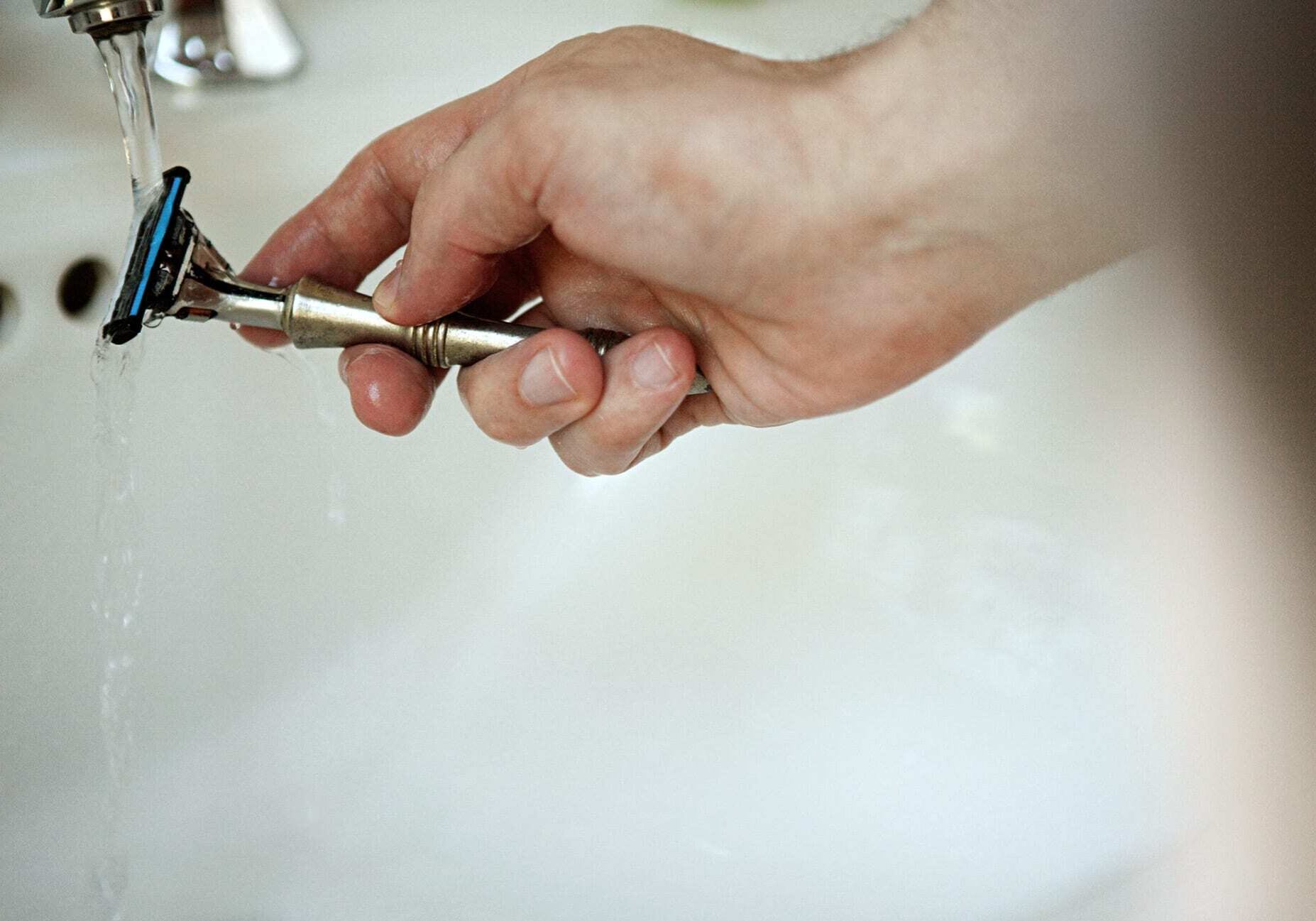
Frequent removal of pubic hair is associated with an increased risk for herpes, syphilis and human papillomavirus, doctors at the University of California, San Francisco, reported Monday in the journal Sexually Transmitted Infections.
People who have “mowed the lawn” at least once in their lifetimes were nearly twice as likely to say they had had at least one STD. And “extreme groomers” – those who remove all their pubic hair more than 11 times each year — were more than four times as likely to have had an infection. “High-frequency groomers,” who just trim their hair a few times a month, fell between the two extremes. They were about three times more likely to have reported an STD.
“We were surprised at how big the effect was,” says Benjamin Breyer, a urologist at the University of California, San Francisco, who led the study. “Right now, we have no way knowing if grooming causes the increase in risk for infections. All we can say is that they’re correlated. But I probably would avoid an aggressive shave right before having sex.”
In the study, Breyer and his team surveyed about 7,500 men and women between ages 18 and 65. They asked them about their grooming habits: How often do you shave or wax? Do you shave it all off or just give it a trim? And they asked about their sex lives: How many partners have you had? What STDs have you had?
About two-thirds of men and more than 80 percent of the women said they had done some manscaping or tended their lady garden at least once before. And a little more than 10 percent said they were “extreme groomers,” who like to keep things completely hairless.
Infections that affect the skin, such as HPV and syphilis, were most strongly associated with aggressive grooming. But for other types of sexually transmitted infections, such as gonorrhea and lice, the link wasn’t as clear. Lice actually cement their eggs to hair shafts. So if you remove all your hair, there’s nowhere for the insects to breed.
“This is an excellent study,” says Scott Butler, who studies STDs in college students at Georgia College & State University. “It’s good for health care providers to be aware of this connection.”
But there also are some big limitations to the study, Butler says. Although the analysis took into the number of sexual partners people said they had, it did not consider whether people were having safe sex or getting vaccinated for HPV. And the survey didn’t ask people whether they were diagnosed with the STD before or after they started grooming.
That said, it makes sense, biologically that shaving and waxing could make you more vulnerable to infections, says Jennifer Gunter, an OB-GYN at Kaiser Permanente Northern California who wasn’t involved in the study.
“We know that shaving creates microtears and cuts,” Gunter says. And if men and women are doing it right before sex, those wounds might not be healed, making it easier for viruses and bacteria to enter skin.
“Pubic hair is there for a reason,” Gunter says. “It’s a mechanical barrier, like your eyebrows. It traps bacteria and debris. And there could be health consequences to removing it.”
9(MDA1MjcyMDE0MDEyNzUzOTU1NTMzNmE5NQ010))
Reading these stories is free, but telling them is not. Start your monthly gift now to support Flatland’s community-focused reporting.

Related Stories
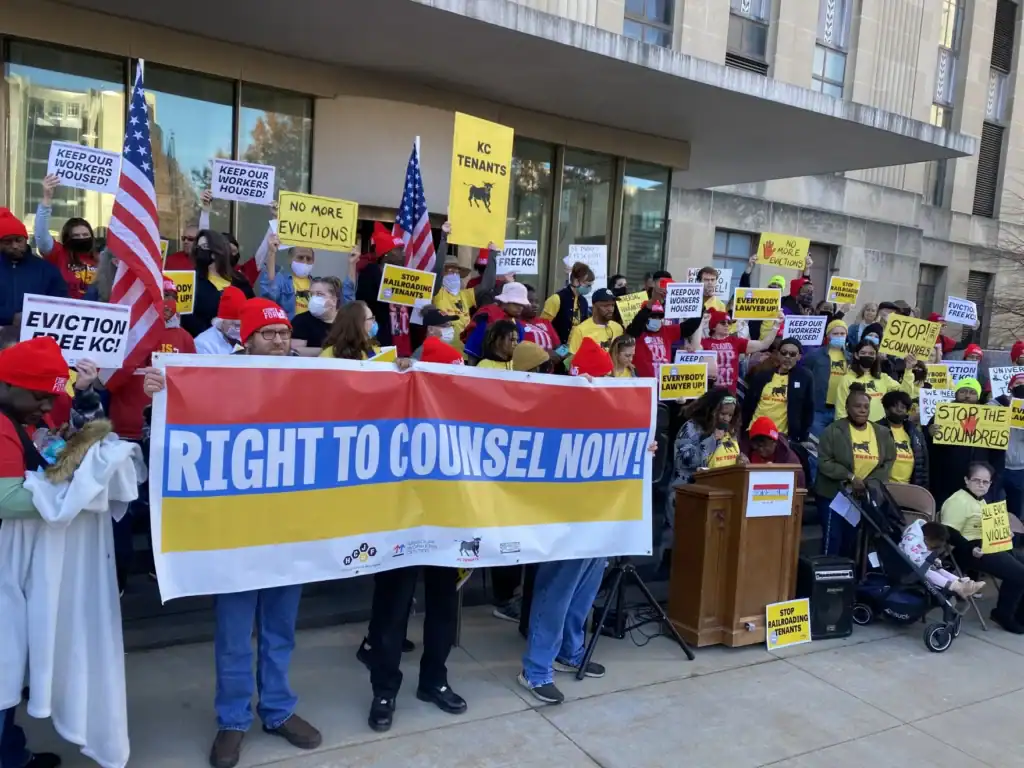
Kansas City Helping Renters Avoid Eviction
On any given Thursday, a small hallway in the Jackson County Courthouse crowds with tenants, landlords, and attorneys arriving for their scheduled hearings and trials. The scene unfolds on Floor 7M, which is half the height of the building’s other levels, and is where Associate Circuit Judge Mary Weir recently worked through 55 eviction cases…

Nick’s Picks | Costco, Homicides, Rain and More …
Is Missouri's congressional map saga over? It seems so, but who knows if there will be another twist or turn. That story and more ...

Nick’s Picks | Obama Visits KC, Debates and Fall’s Arrival
Obama in KC With Election Day just six weeks away, some of the nation’s top political names are now rolling through Kansas City. Last week, Vice President JD Vance was in town. This week, it’s Barack Obama. The former president takes the stage Saturday at the Overland Park Convention Center for a leadership event hosted…