
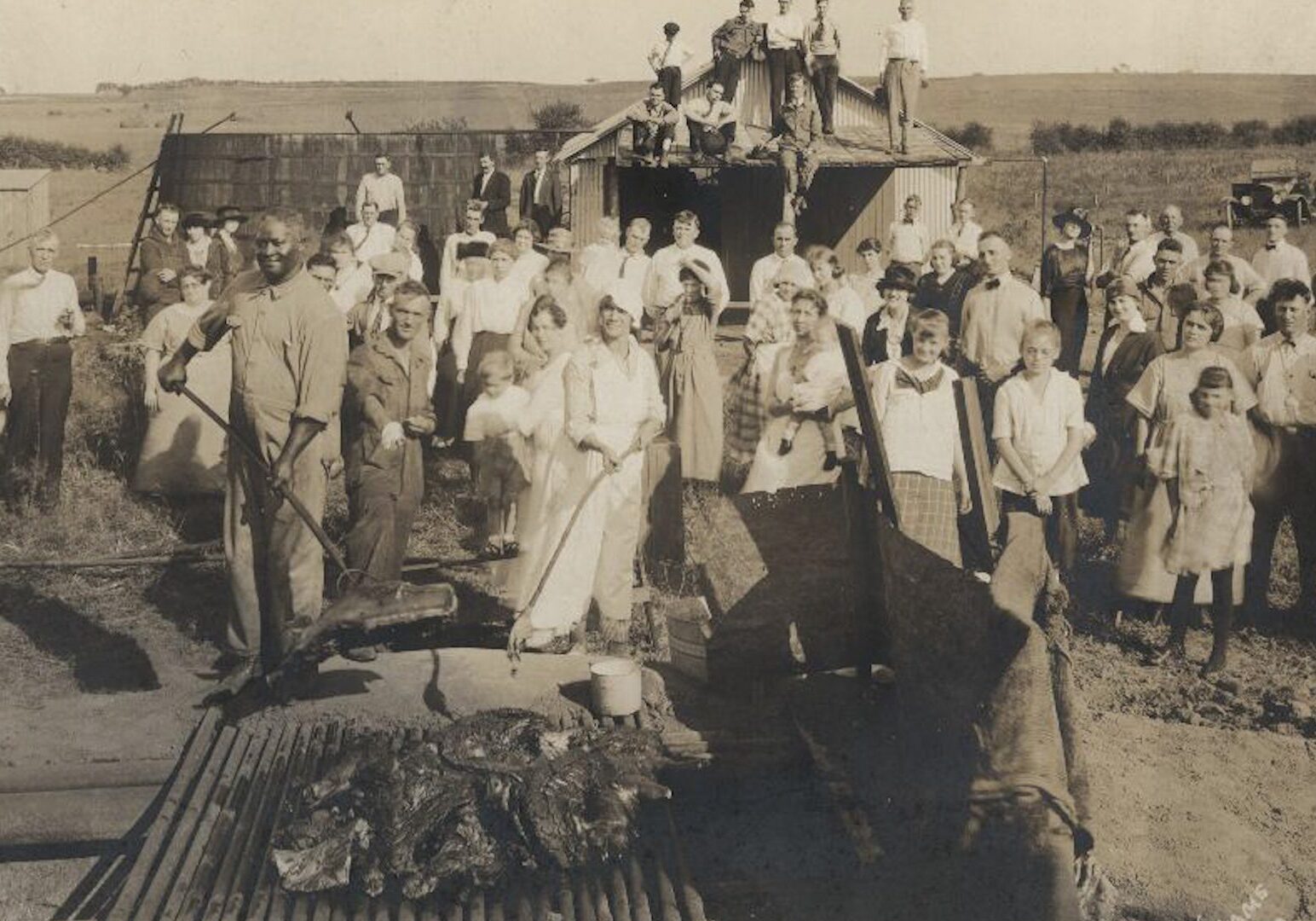
Adrian Miller is on a mission. He wants to ensure the whole story of barbecue is told.
Miller recently sat down with Flatland to discuss a few key findings from his book: “Black Smoke: African Americans and the United States of Barbecue.”
Miller contends the barbecue story, in large part, is one of cultural appropriation. He notes, for example, that Native Americans were the first to barbecue. Enslaved Black people then became pre-eminent. Only later did white people come to dominate the barbecue narrative.
“The thing that really surprised me is the way that Native Americans have been erased from the barbecue narrative is a template for what is happening to African Americans now,” Miller said.
Miller, a certified barbecue judge, hopes to help preserve the diverse history of barbecue — not only through his book but by also serving on the nominating committee of the American Royal Barbecue Hall of Fame.
He’s also happy to jump into the seemingly endless barbecue sauce debate.
To learn more, watch the attached video.
Reading these stories is free, but telling them is not. Start your monthly gift now to support Flatland’s community-focused reporting.
Related Stories
The Fight Against Forgetting 9/11
Schools, nonprofits, and firefighters work to ensure Kansas Citians remember the victims of the Sept. 11, 2001, terrorist attacks as the nation marks the 25th anniversary of the tragedy.
25 Years Later, Still Trying to Make Sense of 9/11
Flatland columnist Bill Tammeus reflects on the "misguided, ugly and wildly destructive version of Islam" that drove the 9/11 hijackers.
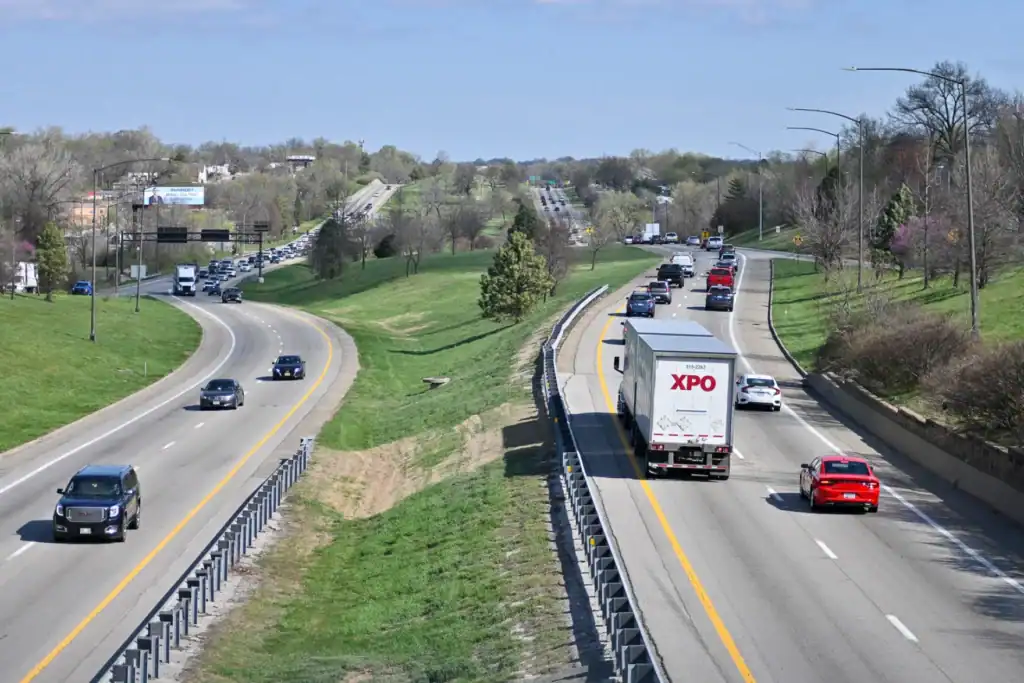
The Checkered History of Bruce R. Watkins Drive
East Side residents have long complained that this stretch of U.S Highway 71 cleaved Black neighborhoods. The road is also considered unsafe for pedestrians and drivers.