
curiousKC | What Does Our Name ‘Flatland’ Exactly Mean?
June 21, 2021 | Vicky Diaz-Camacho | 2 min read
Our curiousKC quests typically trek outside of our own newsroom to pick apart a question about Kansas City history, culture, economics, infrastructure, health and more.
But not this week.
An anonymous participant asked: “What does your name ‘Flatland’ exactly stand for?”
We couldn’t let this slip by because there must be more of you who wonder the same thing, right?
The news magazine was founded before many of the current staff’s time at Kansas City PBS, so we reached out to CEO Kliff Kuehl and Creative Director Cole Blaise to share their insight. This was a fun little internal inquiry, discovering how our online magazine came to be and to reflect on how far we’ve come.
Kuehl explained that in 2015, a former board member’s ad agency helped shape the Flatland identity. In the original press release he summed up our news site this way:
“Think of Flatland as your smart friend who knows about food, the arts, local issues, and who points you to the important stories about KC.”
During the brand exploration phase, the ad agency positioned us as a destination where our reporters and producers tackle anything and everything. Flatland’s meaning was described by the agency’s write-up:
“In a flatland, there are no obstacles. Lines of sight extend in all directions and travel as far as imagination. Flatlands stretch the horizon toward unknown parts that spark curiosity, invite exploration and inspire journeys.”
Much of what makes this newsroom special is its way of engaging with our community one-on-one to take everyone’s voices into account. We consider, thoughtfully, the reports we share with you, dear reader and watcher. We believe much of journalism’s value lies within our ability to consider what really matters to the people living and working in the city in which we’re reporting.
While our newsroom’s goals and structure may have changed, the core motivation remains “our commitment to the region and informing and involving our audience.”
Vicky Diaz-Camacho covers community affairs for Kansas City PBS.
Reading these stories is free, but telling them is not. Start your monthly gift now to support Flatland’s community-focused reporting.
Related Stories
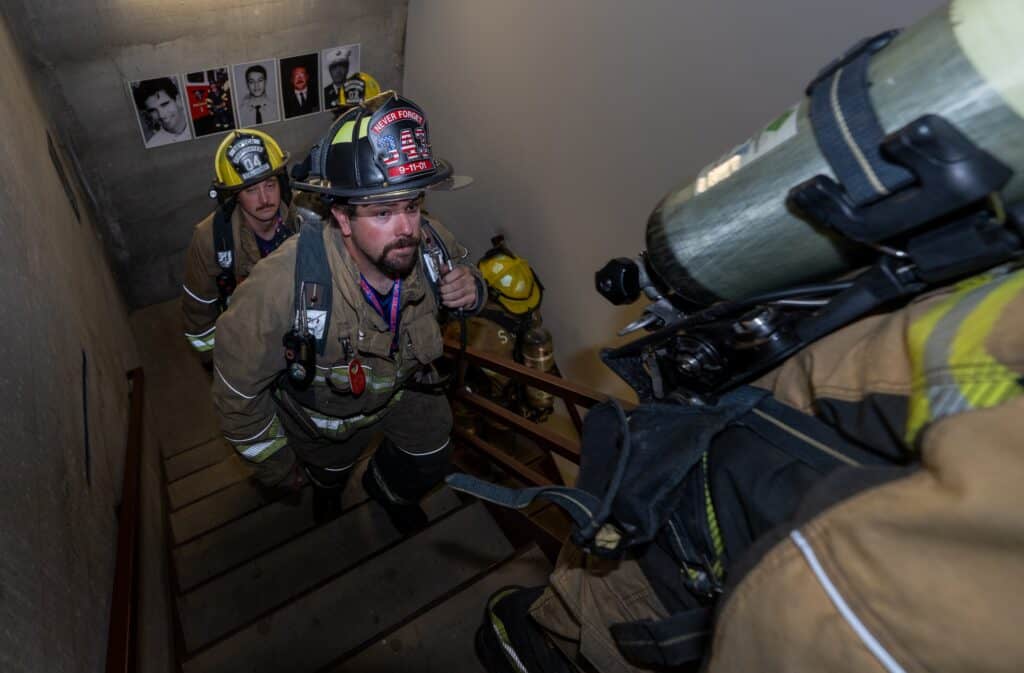
The Fight Against Forgetting 9/11
Schools, nonprofits, and firefighters work to ensure Kansas Citians remember the victims of the Sept. 11, 2001, terrorist attacks as the nation marks the 25th anniversary of the tragedy.
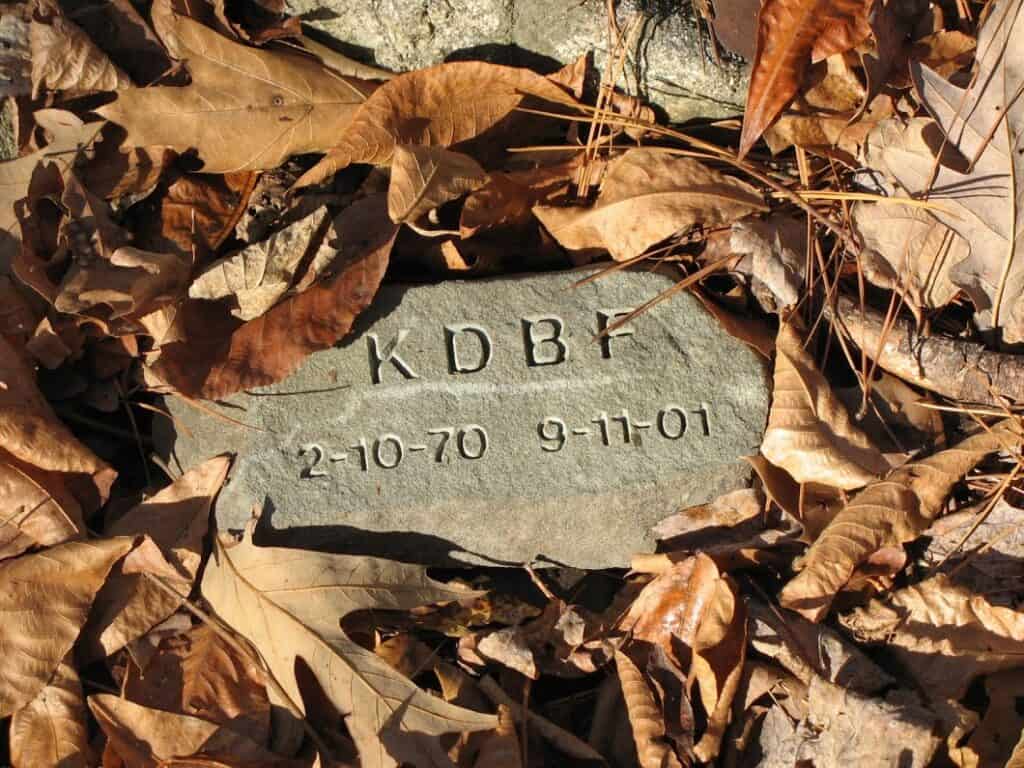
25 Years Later, Still Trying to Make Sense of 9/11
Flatland columnist Bill Tammeus reflects on the "misguided, ugly and wildly destructive version of Islam" that drove the 9/11 hijackers.
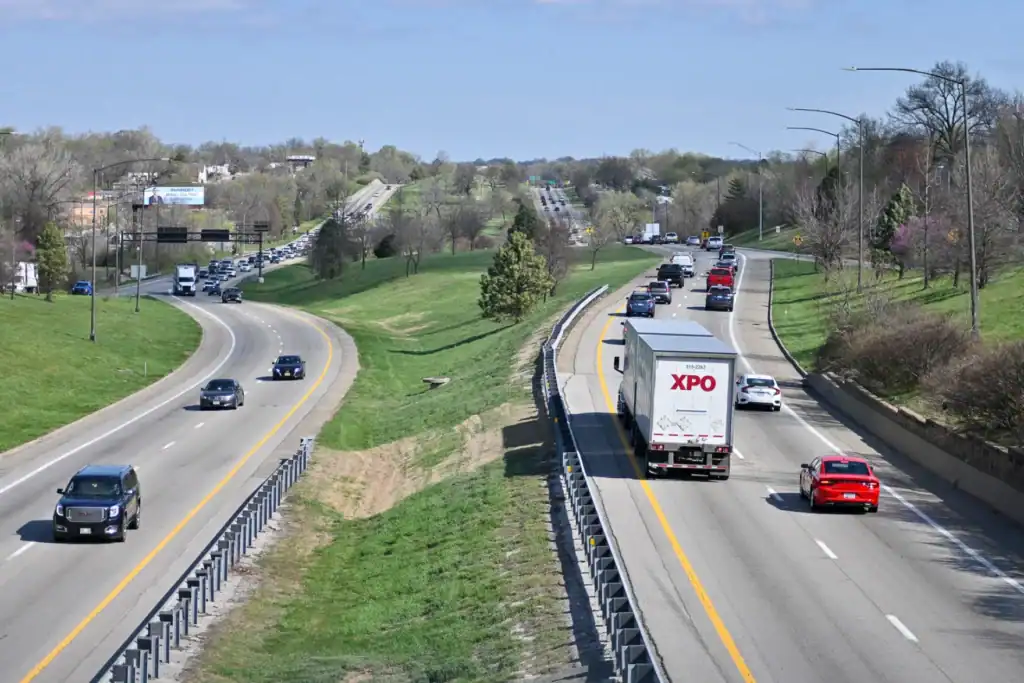
The Checkered History of Bruce R. Watkins Drive
East Side residents have long complained that this stretch of U.S Highway 71 cleaved Black neighborhoods. The road is also considered unsafe for pedestrians and drivers.