
curiousKC | Houseboats Once Thrived on the Blue River
September 14, 2020 | Catherine Hoffman | 3 min read
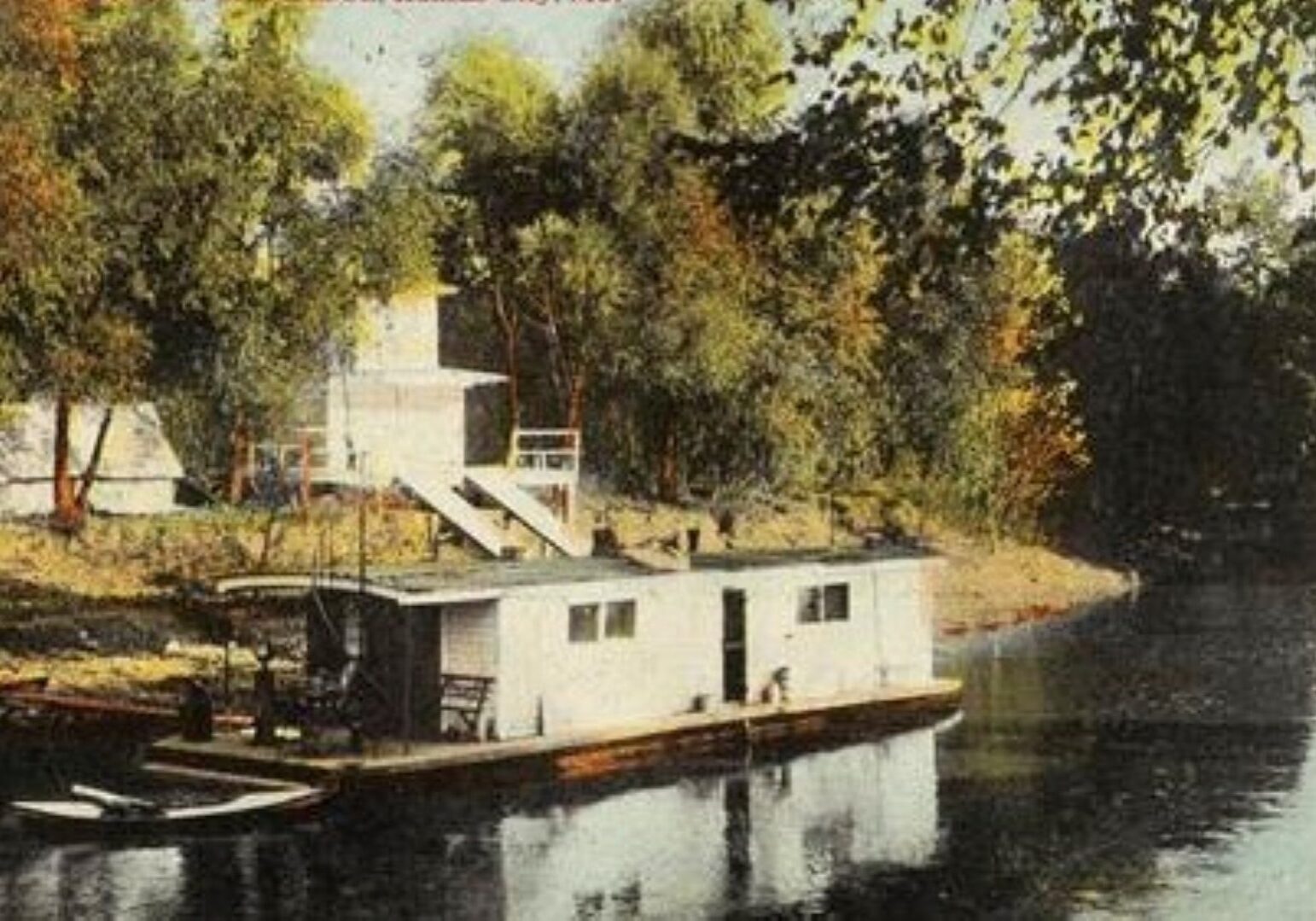
Everyday people drive along Truman Road on a concrete bridge over the Blue River, not knowing that 100 years ago the water below was home to a thriving houseboat community.
One curiousKC follower wanted to know what happened to this unique neighborhood. The answer is as simple as the passage of time and efforts to control flooding along the river. But the inquiry itself offers a fascinating glimpse of early 20th century Kansas Citians who opted for an alternative lifestyle.

A feature from a 1909 article in the Kansas City Star said that all types of people adopted the houseboat lifestyle — artists, merchants, even respectable teachers. Most owners built their own houseboats, saying that it was less expensive than rent and saved them from real estate taxes.
Another popular attraction of the laid-back lifestyle was the accessibility to nature. In the spring and summer, the area was crowded with people enjoying almost every outdoor activity imaginable. As the sun shone down on the clear water, artists painted on their decks, kids swam, and many fished for their own dinner.

Pictured here is a humble layout featuring two bunks, a living area, storage space and a stove. This was more common, but there was also a sector of wealthy families on luxury houseboats escaping the hustle and bustle of city life (think camping vs. glamping).
Though it was set apart, the community wasn’t in total isolation. The small colony received regular deliveries of items such as food, ice and even mail.

Those who were more committed to the lifestyle opted to live on their boat year-round, but for most it served as a weekend stay or simple summer home. People who could afford it would construct small cabins or shanties along the riverbank to escape in inclement weather.
In modern times, accessing the Blue River from 15th Street isn’t easy. While this stretch of the water may not be what it once was, nature lovers can still enjoy walking trails along other parts of the river. One prime option is the five-mile Blue River Greenway Trail in south Kansas City.
Catherine Hoffman reports for Kansas City PBS in cooperation with Report for America.
curiousKC is supported by

Reading these stories is free, but telling them is not. Start your monthly gift now to support Flatland’s community-focused reporting.
Related Stories
25 Years Later, Still Trying to Make Sense of 9/11
Flatland columnist Bill Tammeus reflects on the "misguided, ugly and wildly destructive version of Islam" that drove the 9/11 hijackers.
The Checkered History of Bruce R. Watkins Drive
East Side residents have long complained that this stretch of U.S Highway 71 cleaved Black neighborhoods. The road is also considered unsafe for pedestrians and drivers.
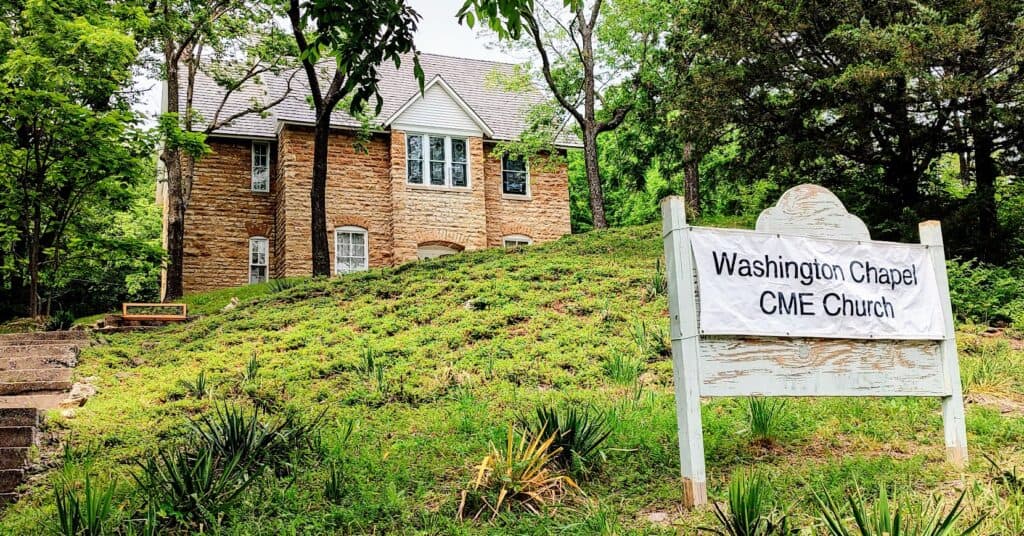
Restoration of Black church in Parkville inspires rainbow coalition
The community has rallied around the restoration of Parkville, Missouri's, Washington Chapel. Built in 1907, the chapel has been a haven for a Black population that has not always been welcome in town.