
Preparations Aside, KC World Cup was Quiet for Hospitals, Police
But Reports of Sexual Assault and Human Trafficking Spiked
September 16, 2026 | Anna Neumann | 13 min read
Kansas City spent more than a year bracing for the World Cup. Hospitals expanded staff and ice storage. Police coordinated with a coalition of organizations combatting human trafficking. Bars trained employees to spot predatory behavior.
Everyone was ready for the tsunami, but we got a ripple instead.
That’s not to say the World Cup had no negative impacts, especially when it came to increased reports of sexual assault. Advocates also said Kansas City made a lasting impression on the world stage as a smallish city that pulled off a big-time event.
No one is lamenting that nothing bad happened, but planners said preparing for worst-case scenarios will have a lasting impact through improved coordination among the various organizations.
Crime: A Quiet Two Months
Kansas City hosted six World Cup matches between June 16 and July 11. The teams played at Arrowhead Stadium, which organizers called Kansas City Stadium to comply with branding regulations set out by FIFA, the world governing body of soccer.
Kansas City also served as home base for the teams from Argentina, England, and the Netherlands. The bond Lawrence residents established with fans of the Algerian team, which had its home base in the hometown of the University of Kansas, was one of the tournament’s most endearing storylines.
The matches at Kansas City Stadium drew a total attendance of 413,169 fans, according to KC2026, the local organizing committee. KC2026 also said that the FIFA Fan Festival on the grounds of the National WWI Museum and Memorial drew more than 400,000 attendees.
Related Content
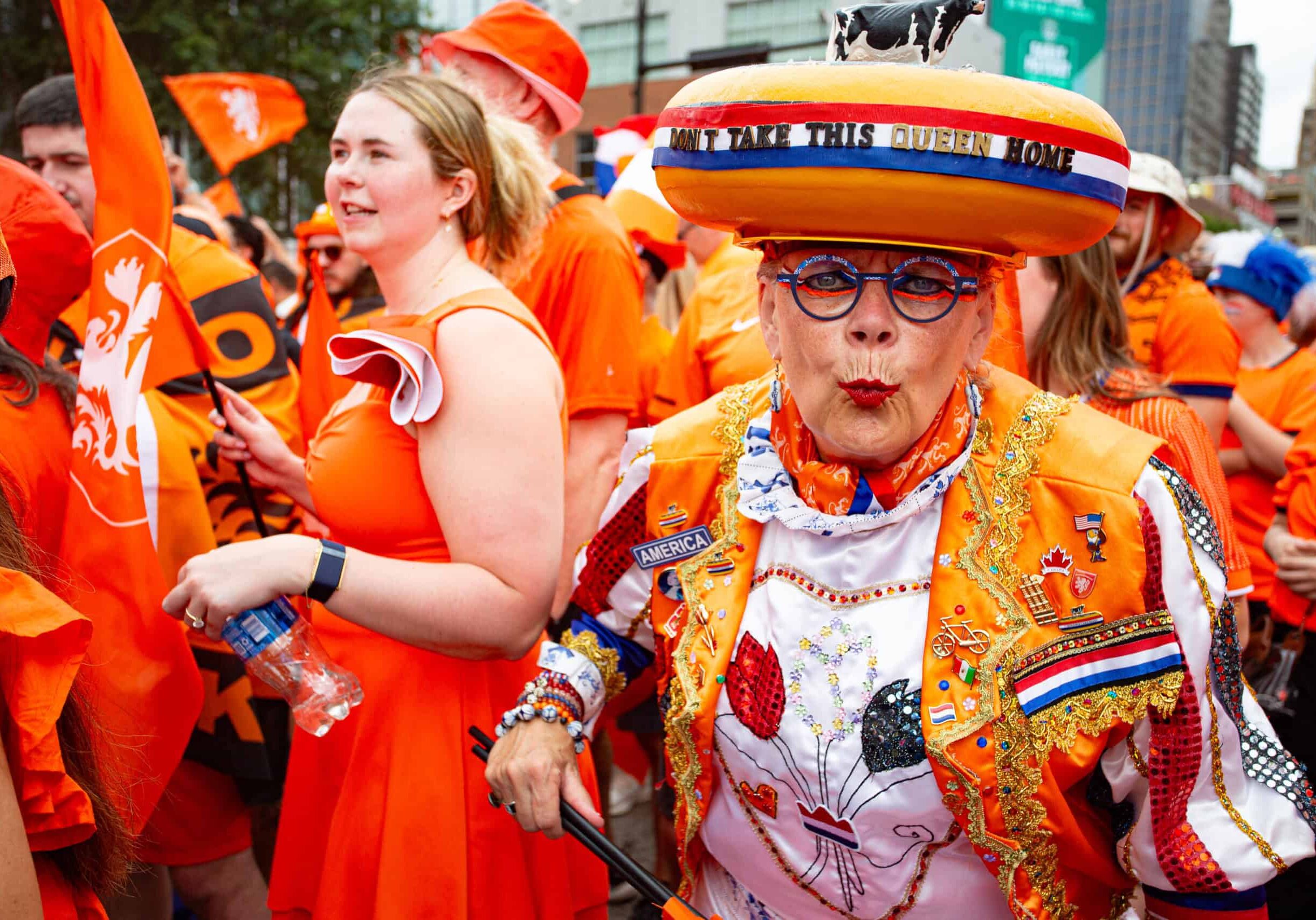
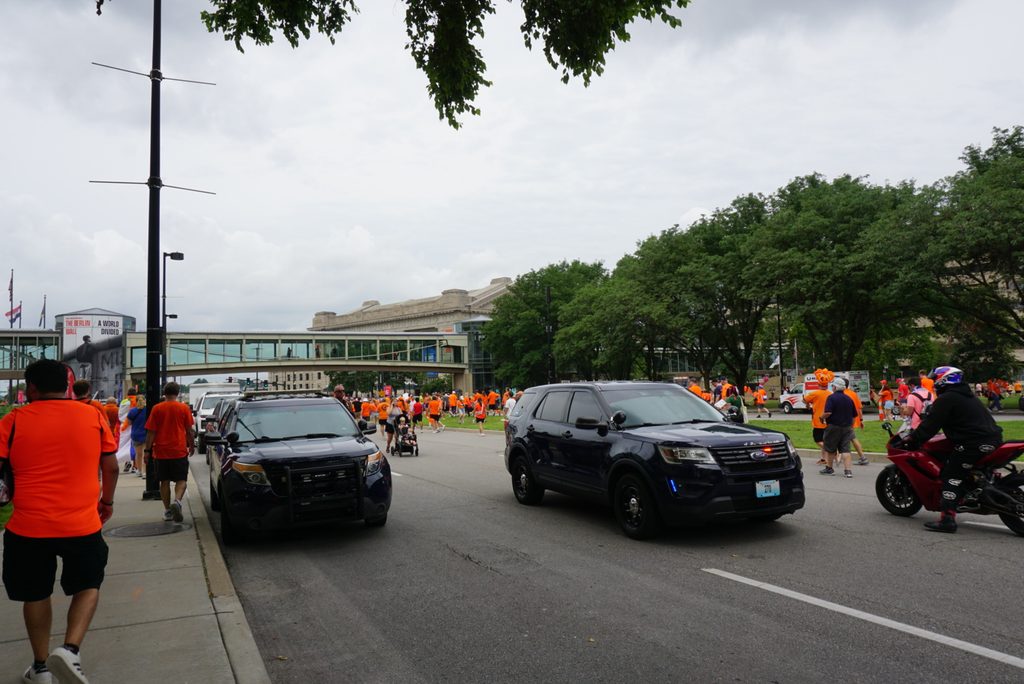
Memorable moments in Kansas City included the hat trick Argentinian soccer legend Lionel Messi scored in his team’s victory over Algeria, and the more than 36,000 marchers who took part in the famous Netherlands fan walk that snaked through Downtown Kansas City on June 25.
All the activity came after years of work to even land the tournament.
The clock started ticking for local organizers in June 2022, when FIFA announced Kansas City as one of the host cities for the 2026 World Cup. The Kansas City Sports Commission had worked since 2017 to win the bid.
One worry for organizers was a potential spike in crime.
But the Kansas City Police Department recorded just 23 World Cup-related arrests – seven at the stadium and 16 at Fan Fest, according to police spokesman Sgt. Phil DiMartino. DiMartino noted that “arrest” in this count doesn’t mean everyone was hauled off to jail; some simply received citations at the scene.
“I can tell you from working the entire period, it remained relative to normal,” DiMartino said.
KCPD had been planning for the World Cup for years, meeting daily and running weekly tabletop exercises to work through operational scenarios well before the tournament began. DiMartino said the department also expanded its Events and Special Projects Unit, a crew focused specifically on large-scale event coordination.
The low numbers stand in sharp contrast to one of the city’s most expensive – and most scrutinized – World Cup preparations: a temporary modular jail that was never used for the tournament at all.
The City Council approved construction of the 100-bed, $22 million facility in October 2025, citing the anticipated strain a spike in visitors could place on Kansas City’s detention resources. Legislation and public comments from city leaders repeatedly tied the project’s urgency to the World Cup.
However, the jail missed its planned June 1 opening due to manufacturer delivery delays and staffing shortfalls. By late May, some council members had begun distancing the project from the World Cup altogether, describing it instead as a long-term overdue fix for a city without its own jail.
Today, weeks after the tournament ended, the facility still hasn’t opened.
Councilman Wes Rogers has been one of the jail’s most vocal supporters, previously telling reporters the World Cup was “coming whether we are ready for it or not” and that the city needed to get the facility built.
Asked about that comment now, Rogers said he regrets framing the jail in World Cup terms.
“Had we had all those people here like [FIFA] said, I think [the modular jail] would have been good to have. But regardless, we need it either way, and I wish it was built sooner.”
Rogers said the disconnect traces back to FIFA projections, which he said estimated an average visitor stay of roughly 9.7 days and a total of 650,000 visitors to Kansas City. The actual numbers, he said, came in closer to a two-and-a-half-day average stay and about 450,000 visitors.
“We’re the biggest city in the country without a jail. We need a jail, period,” Rogers said. “The temporary jail we were going to build whether the World Cup existed or not. It’s going to be years before we have a permanent facility, so we can’t not have a jail.”
The modular facility is fully built, but the trouble lies in staffing it.
Once it is operational, Rogers said the city plans to use it as a bridge until its permanent jail, still years from completion, is finished. What happens to the modular facility after that, he said, hasn’t been decided.
“I think we’ll just see what we need when we get there,” he said.
He rejected the notion advanced by critics that city leaders used the World Cup to manufacture urgency for a jail the city wanted either way.
Rogers said the debate was less about the World Cup and more about a longstanding, unresolved need. He pointed to the city’s current arrangement – paying to house detainees in Vernon and Johnson counties – citing lost access to family visits, mental health treatment and workforce preparation for people held there.
Healthcare: Bracing for a Surge That Didn’t Come
In the months leading up to the tournament, health systems across the metro spent roughly 18 months preparing for what they projected could be a 6% to 8% increase in patient traffic tied to the estimated 650,000 visitors expected in town.
Hospitals added staff, expanded ice storage for heat-related illness, translated signage into multiple languages, and ran daily coordination calls throughout the tournament.
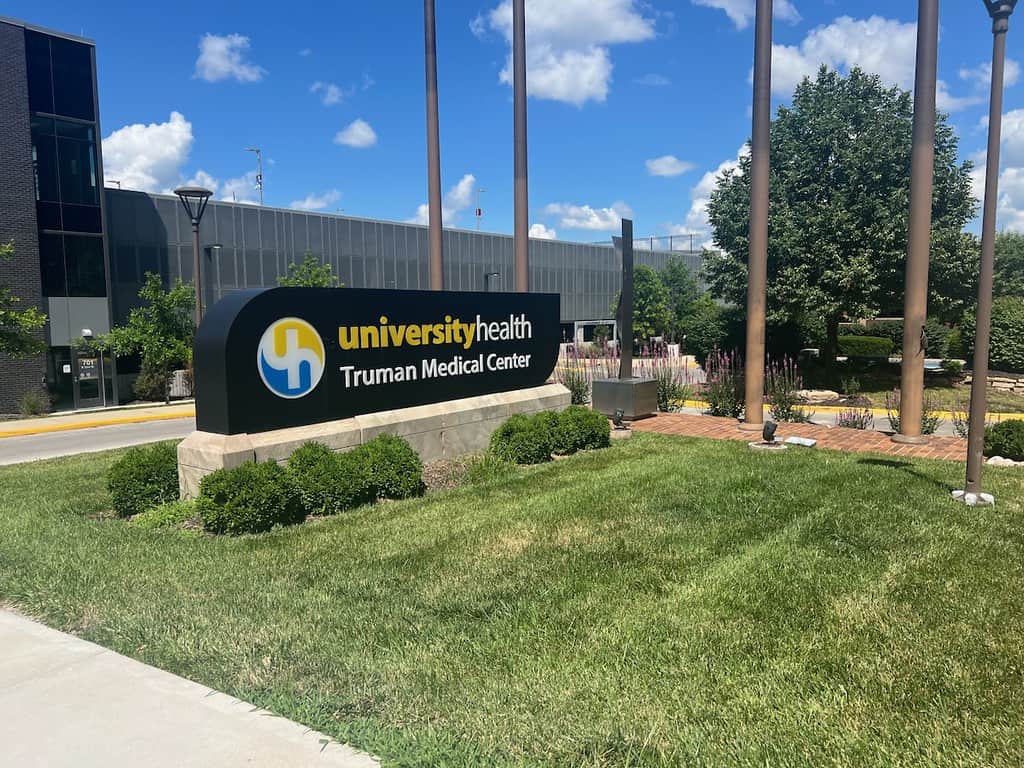
For University Health, the stakes were especially high given its proximity to Fan Fest.
President and CEO Charlie Shields said planning began as early as October of last year, with weekly meetings and coordination through the Mid-America Regional Council.
The hospital stocked additional doses of Narcan in case of overdoses and expanded interpreter capacity to 35 on-site staff. Emergency Department staff logged roughly 40 hours of mass-casualty and heat-illness training before the tournament, according to system spokeswoman Leslie Carto.
The scale of preparation didn’t match what actually came through the doors.
“It wasn’t that far off from normal,” Shields said.
Of the roughly 50 admissions the hospital tracked as tied to the World Cup, 15 involved heat exhaustion – a number that, for comparison, was almost matched by a single non-tournament weekend in late July, when 14 patients came in with heat-related illnesses. Additional tournament-related incidents included medical responses for overdoses and minor physical altercations.
“I think the need was not what we had planned for, which is not a bad thing,” Shields said.
Although the hospital had planned for insurance-related confusion and unfamiliarity with the U.S. healthcare system, nothing along those lines rose to his attention during the tournament.
In emergency medicine, he said, preparation is rarely viewed as wasted, even when the worst case doesn’t happen.
“I don’t think anybody looked at that and considered it wasted effort,” said Shields. “[The hospital] considered it good training that may be used at future events.”
That same logic extends to how University Health would approach another event on this scale. Shields said the hospital wouldn’t train differently next time, even knowing how things played out this time.
If there’s a lasting takeaway for the CEO, it’s less about what didn’t happen medically and more about how the region’s hospitals operated together.
“Anytime you have all the major health systems in this community talking to each other and working together, that’s a good thing,” he said.
Human Trafficking: Prepared for More, Relieved for Less
Jason Alvis, CEO of ReHope, a Kansas City organization providing crisis stabilization and long-term recovery services for trafficking survivors, pulled together a group of local organizations to prepare for what research has shown can be an uptick in trafficking and exploitation around major sporting events.
That effort, which began with a brainstorming session in July 2025, grew into the WARS Council — World Cup Aftercare, Resources and Services Council — a coalition made up of programs ReHope, Relentless Pursuit, Value Unconditional, Exodus Cry and Freedom’s Bridge.
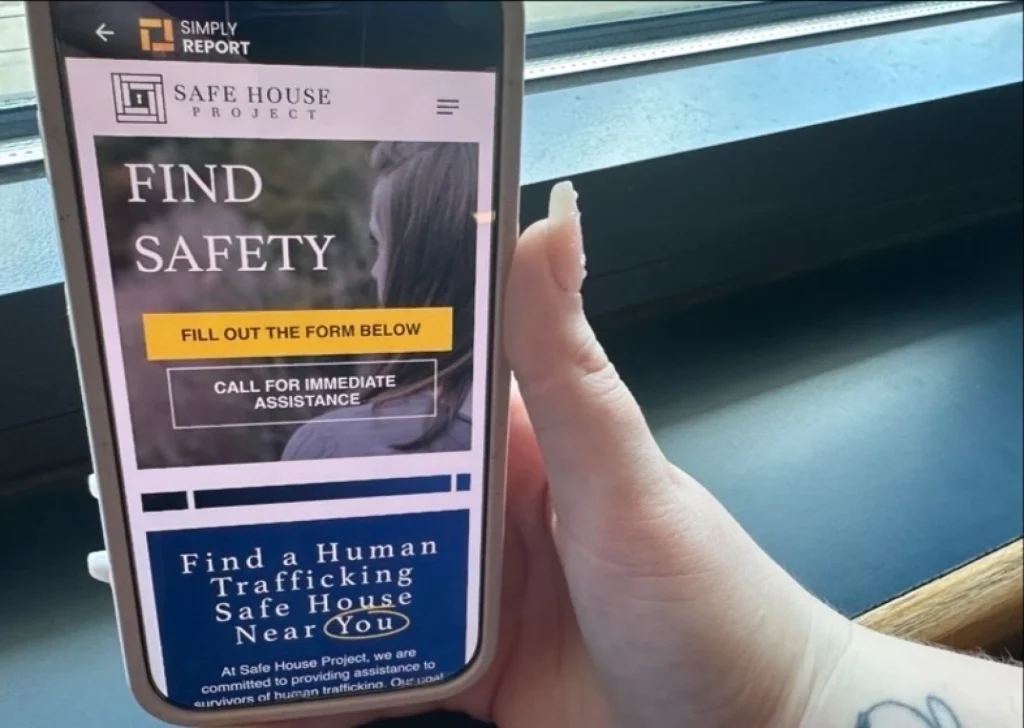
The organization temporarily expanded its crisis stabilization staffing from a typical capacity of four people at a time to 20 and coordinated with law enforcement so staff could connect survivors to services more quickly.
The numbers that followed reflect real, but measured demand.
During the roughly two-month World Cup window — which included buffer weeks before and after the tournament itself — ReHope conducted 17 intake interviews and brought 13 survivors into its crisis stabilization program, more than double what the organization would typically see in that span.
Still, it was less than what Alvis and his partners had geared up for.
He attributed part of that gap to the coalition’s visible coordination with law enforcement so that “people who perpetuate these kinds of crimes knew Kansas City probably wouldn’t be a very lucrative market to do trafficking during the World Cup.”
But the CEO acknowledged that, with an event as large as the World Cup, some cases could’ve slipped through the cracks.
“Until the data proves otherwise, I think we’re going to take it as a ‘both/and’ — grateful we were able to help the number we did, and at the same time grateful we didn’t have to help as many as we thought we might,” Alvis said.
But like Shields, Alvis said the consistent communication among the partners during the tournament will pay off in the long run.
“Our collective collaboration and our collective impact can only be better after two months of working together day in and day out during the World Cup,” he said.
The SAFE Training: Did It Get Tested?
Ahead of the tournament, MOCSA — the Metropolitan Organization Countering Sexual Assault — scaled up its Sexual Assault-Free Environment (SAFE) training program, driven by research linking major sporting events to spikes in sexual violence.
The organization trained more than 300 individuals across 35 metro establishments by the end of July. This push focused heavily on bystander intervention and recognizing how alcohol is used to facilitate predatory behavior, especially in light of Missouri’s temporary law allowing bars to operate 23 hours a day.
Preparing for the unknown required a big push for more volunteers to bolster its 24/7 crisis line and hospital response teams, said Brandy Williams, MOCSA’s Director of Education.
The extra manpower paid off.
The organization recorded its highest June and July hospital response numbers since 2023, with activations about 70% higher than those two months last year.
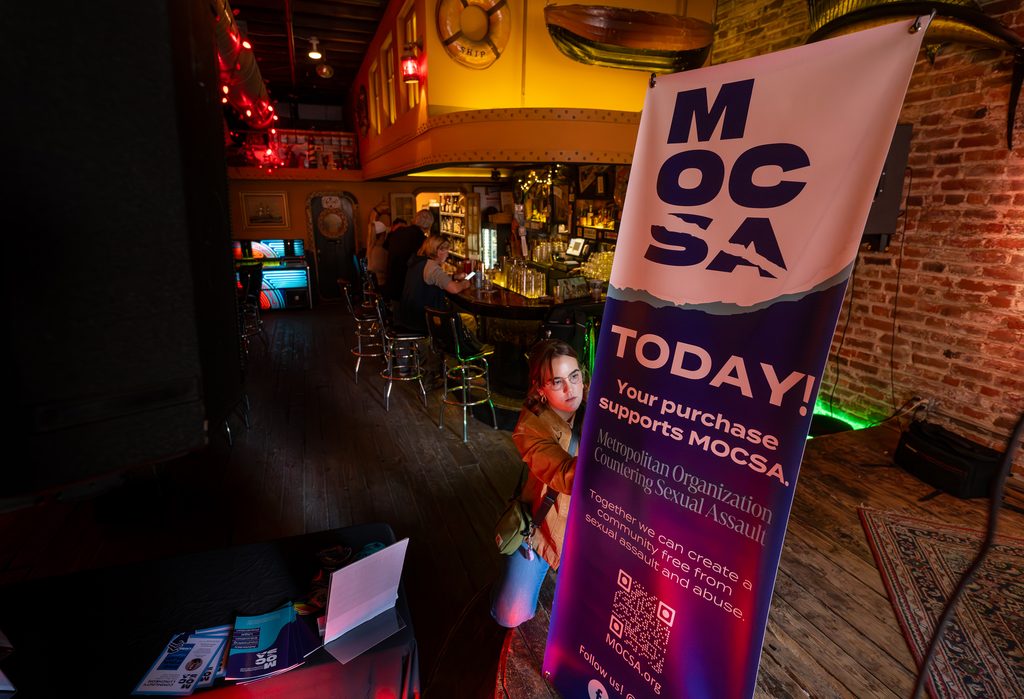
Leah Hensley, MOCSA’s Director of Advocacy, said that while they didn’t explicitly ask survivors if their assault was World Cup-related, the timing aligned with major fan gatherings.
“But I think we also recognize that it could have been way worse,” Hensley said. “It helps that we had prevention and education efforts happening throughout the tournament.”
Whether that education was put to the test on the bar floor is a question local venues are now assessing.
Kara Anderson, General Manager of three businesses on Locust Street, all of which partnered with MOSCA, said the SAFE training was put to good use.
“While there weren’t a large number of huge issues this summer overall, the staff used the SAFE training in a lot of small ways,” said Anderson.
Even as the “End Foul Play” campaign winds down this fall, MOCSA leaders believe the infrastructure built for the World Cup has permanently strengthened the city’s safety net and ongoing partnerships in an effort to prevent sexual violence city-wide.
“What has happened that’s really significant and impactful is the relationship building that has occurred with a lot of these bars and restaurants,” Williams said.
Anderson spoke to the lasting impact. “Using SAFE training as a tool to open conversation about…how we can hold people accountable was so beneficial,” she said. “As a company, we are planning on doing a yearly training moving forward.”
With Kansas City bidding for future major events like the Women’s World Cup in 2031, the organization feels uniquely prepared for whatever comes next.
“I think it’s a lot less scary now,” Hensley said. “We already know that we have the capacity to be able to respond and manage anything…overall we’ll just be in a better position than we were at the start of this.”
The Bigger Picture: A city that wasn’t supposed to pull it off
Accompanying the preparation was anxiety about whether Kansas City, by far the smallest of the World Cup host cities, could handle hosting the world in the first place.
“How does the 31st-largest U.S. city host the world?” KC2026 Chief Commercial Officer Mike Goff asked during a panel held last month by Kansas City B2B, a networking group.
The answer landed better than expected. Goff said the tournament generated roughly $2.4 billion in earned media value, with strikingly little negative coverage of Kansas City as a host city.
“The day after the final, I woke up with a tremendous amount of relief,” he said.
Lori Thomas, KC2026’s director of volunteer operations, was pleasantly surprised by the volume of community involvement and collaboration she saw throughout the tournament.
“We said to the world, ‘Tell us we’re small…we will show you,’” Thomas said. She added that FIFA itself had set lower expectations for Kansas City going in. “We blew people’s minds with our hospitality.”
One point of view expressed on the panel was that the city’s smaller size may have actually worked in its favor, making Kansas City more accessible and adaptable to the needs of both visitors and residents.
Goff framed the tournament’s success as changing the conversation about Kansas City going forward: “Never again can the world say KC is too small.”
Reading these stories is free, but telling them is not. Start your monthly gift now to support Flatland’s community-focused reporting.
Related Stories
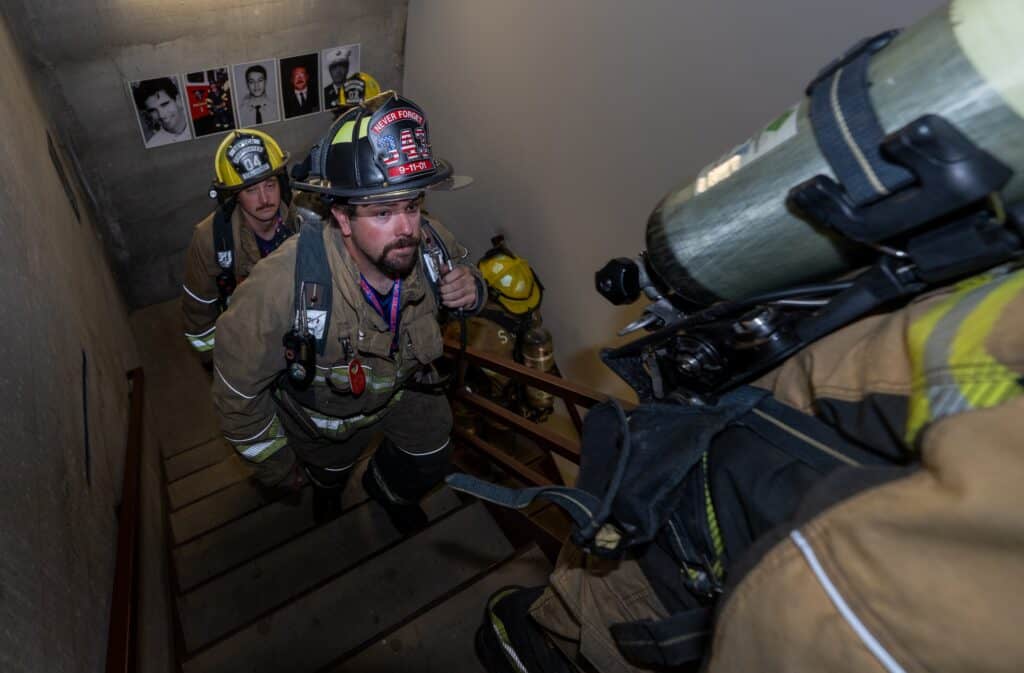
The Fight Against Forgetting 9/11
Schools, nonprofits, and firefighters work to ensure Kansas Citians remember the victims of the Sept. 11, 2001, terrorist attacks as the nation marks the 25th anniversary of the tragedy.
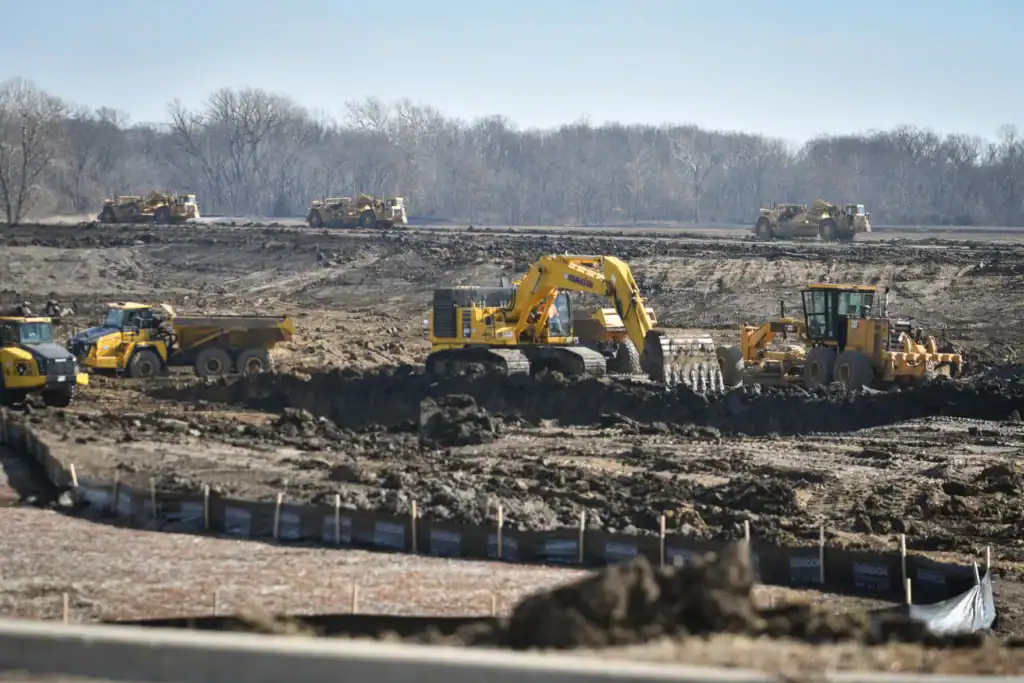
United in Opposition: The Bipartisan Response to Data Centers
From Independence, Missouri, to Osawatomie, Kansas, data centers are angering residents and spurring bipartisan opposition.
Nick’s Picks | Map, Recall, Trial and More …
The Missouri Supreme Court takes up a question about a local congressional district, an Independence councilman fights to keep his seat, and a long-delayed murder trial is set to get underway.