
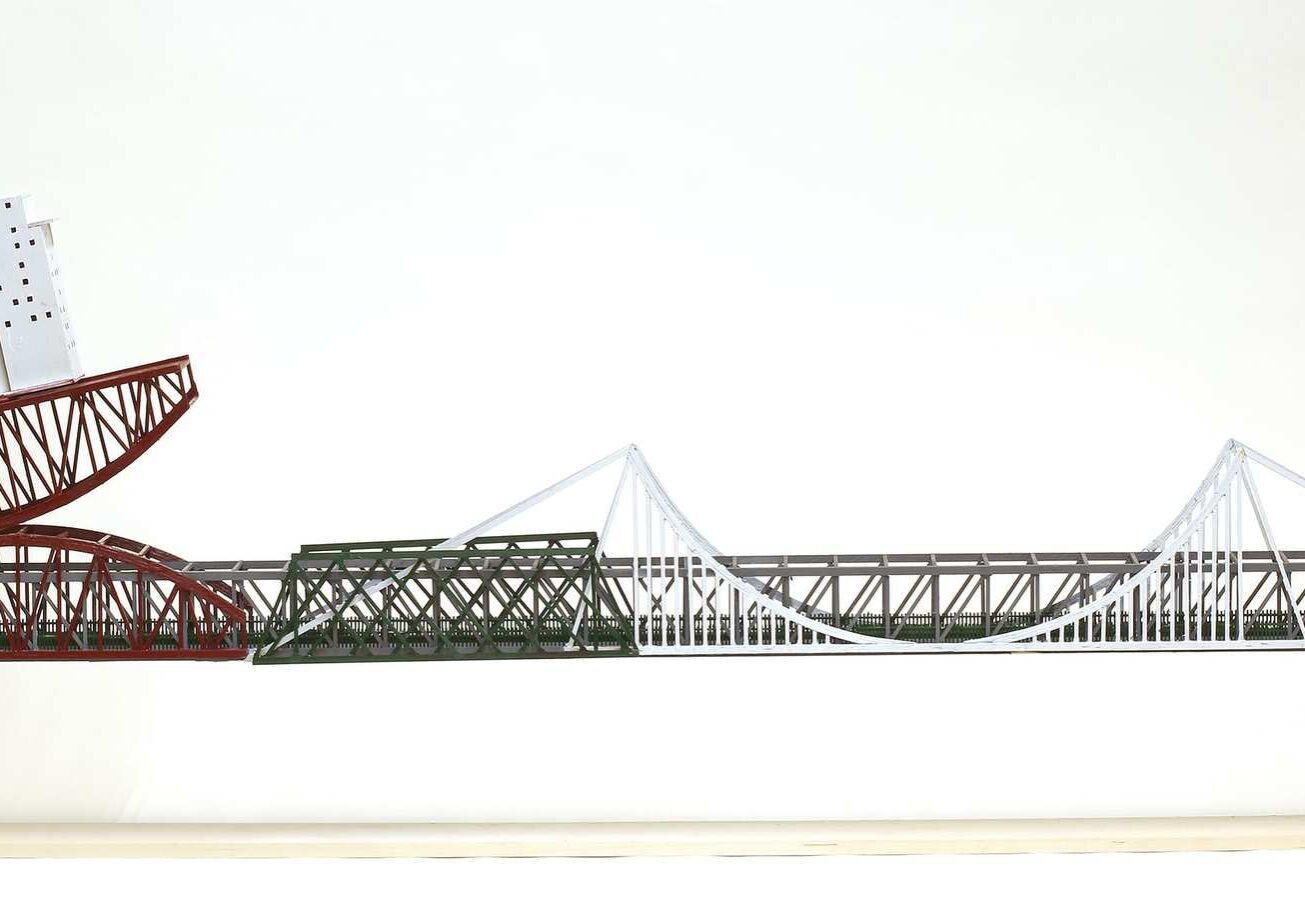
This fall, over 30 drawings, sculptures and architectural maquettes by internationally renowned artist and architect Siah Armajani will be on display at the Kemper Museum of Contemporary Art. “Siah Armajani: Bridge Builder” will showcase five decades of work focusing on bridges, highlighting Armajani’s technical expertise as well as his symbolic and political investment in the bridge form.
Armajani was born in 1939 in Tehran, Iran, and lived there until the age of 21. He grew up in a turbulent country that saw multiple foreign occupations, the Second World War, a few coups and counterrevolutions, and a variety of forms of government ranging from imperialist puppet state to constitutional monarchy.
In 1960, when Armajani left Tehran to attend Macalester College in Saint Paul, Minn., the situation of the two countries couldn’t have been more different. Iran was heading toward yet another revolution and had been in a state of political upheaval for over 50 years, while constitutional crisis hadn’t touched America since the Civil War a century earlier. It is no wonder, given this sense of culture shock, that Armajani would become not only an architect, but also a political artist.
[FLEX-CONTENT]
At college, Armajani began studying humanist philosophers like Ralph Waldo Emerson, John Dewey and Theodor Adorno. Inspired by their ideologies, Armajani began to approach architecture not just as utilitarian infrastructure, but as a physical manifestation of the social contract between people. Given this interest, he began focusing on bridges and their metaphors of bridging divides between people.
While Armajani is best known for his functional bridges, like the Irene Hixon Whitney Bridge in Minneapolis or the Lighthouse and Bridge on Staten Island, these bridges are also works of conceptual, site-specific art engaged in local history. In 1996, Armajani was commissioned to design the torch cauldron and tower for the Atlanta Summer Olympics.
“Siah Armajani: Bridge Builder” focuses not on these enormous infrastructures, but smaller artworks and models. One such maquette, Bridge over Tree, is a simple, flat wooden bridge that has a sudden and sharp incline and decline over a tiny pine tree. It’s an absurd construction considering it’d be easier to walk around the tree then climb over it.
Other sculptures, like House Above Bridge and House Below Bridge, are simple wooden constructions that feel like children’s toys, especially given the whimsical placement of a house sitting atop a truss bridge.
In America, a country of mostly immigrants, the bridge offers a potent metaphor for intercultural connection. At the other end of the architectural spectrum is the wall, an architectural emblem of fear. It is a form that has been perfected time and again, from the ancient walled city of Babylon to the Berlin Wall, and today there are many in the U.S. who want to build walls to keep immigrants out.
Given this political context, it is to be hoped that “Siah Armajani: Bridge Builder” will be understood as an exhibition of not just architectural aesthetics, but a showcase of Armajani’s humanist ideology and his philosophical heroes.
“Siah Armajani: Bridge Builder” opens Sept. 9 at the Kemper Museum of Contemporary Art, 4420 Warwick Blvd., and continues through Jan. 22. Hours are 10 a.m. to 4 p.m. Tuesday, Wednesday, Saturday, Sunday and 10 a.m. to 4 p.m. Saturday and Sunday. Admission is free. For more information, 816.753.5784 or www.kemperart.org
— KC Studio is a magazine that covers Kansas City’s performing, visual, cinematic and literary arts, and the artists, organizations and patrons that make Kansas City a vibrant center for arts and culture. For more information about complimentary subscriptions to KC Studio go online at www.kcstudio.org.
Reading these stories is free, but telling them is not. Start your monthly gift now to support Flatland’s community-focused reporting.
Related Stories
Nick’s Picks | March Madness, Jail Opens, St. Paddy’s & More
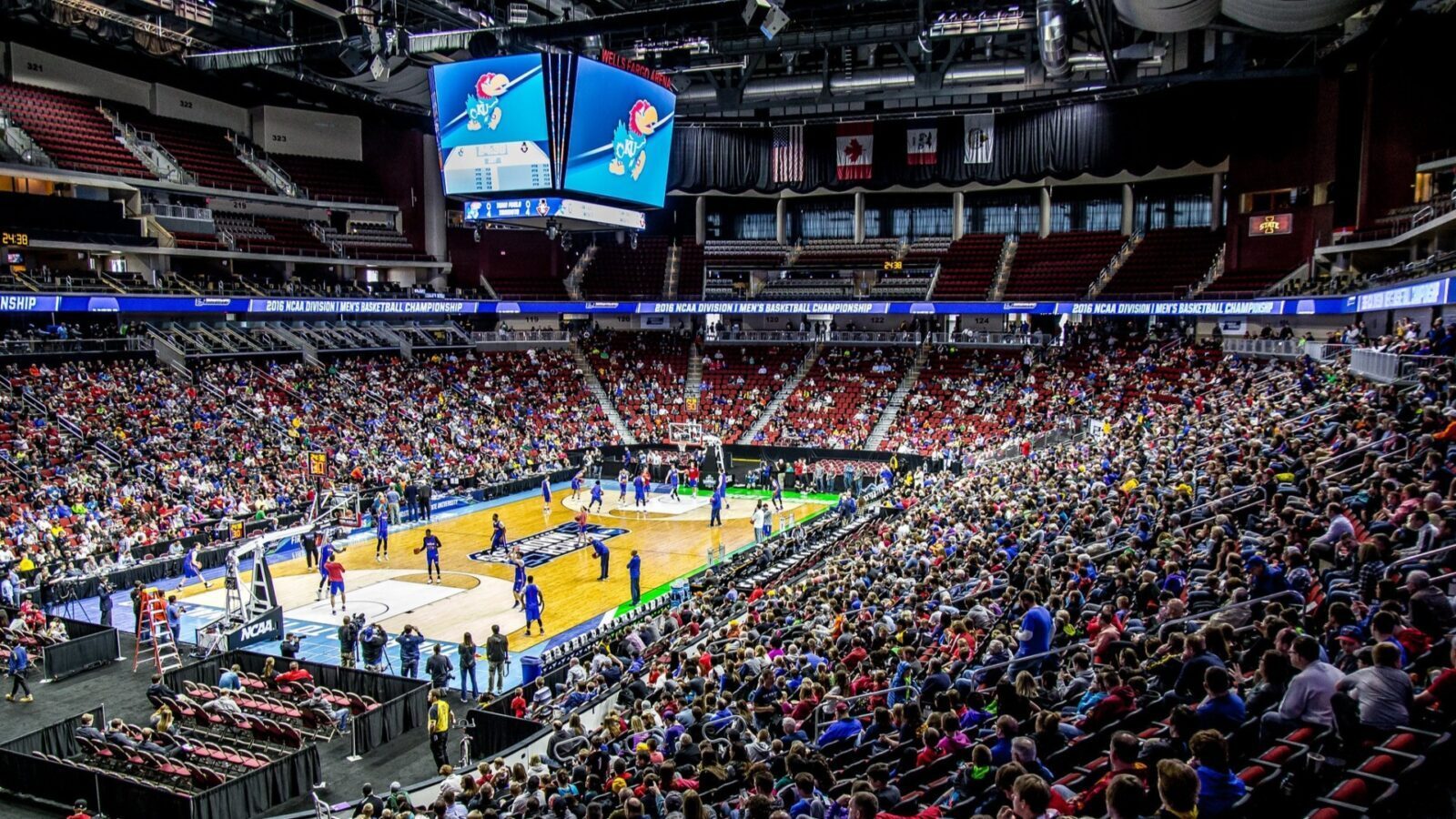
The Madness Begins ‘Tis the season for buzzer beaters, broken brackets and according to HR experts, plummeting productivity. Welcome to March Madness! The NCAA Men’s and Women’s Basketball Championships tip off this week. KU and Mizzou play their first games late Friday night in the men’s tournament. Missouri State is the only local team to…
Here’s a Summer ‘Staycation’ Guide for Families on a Budget
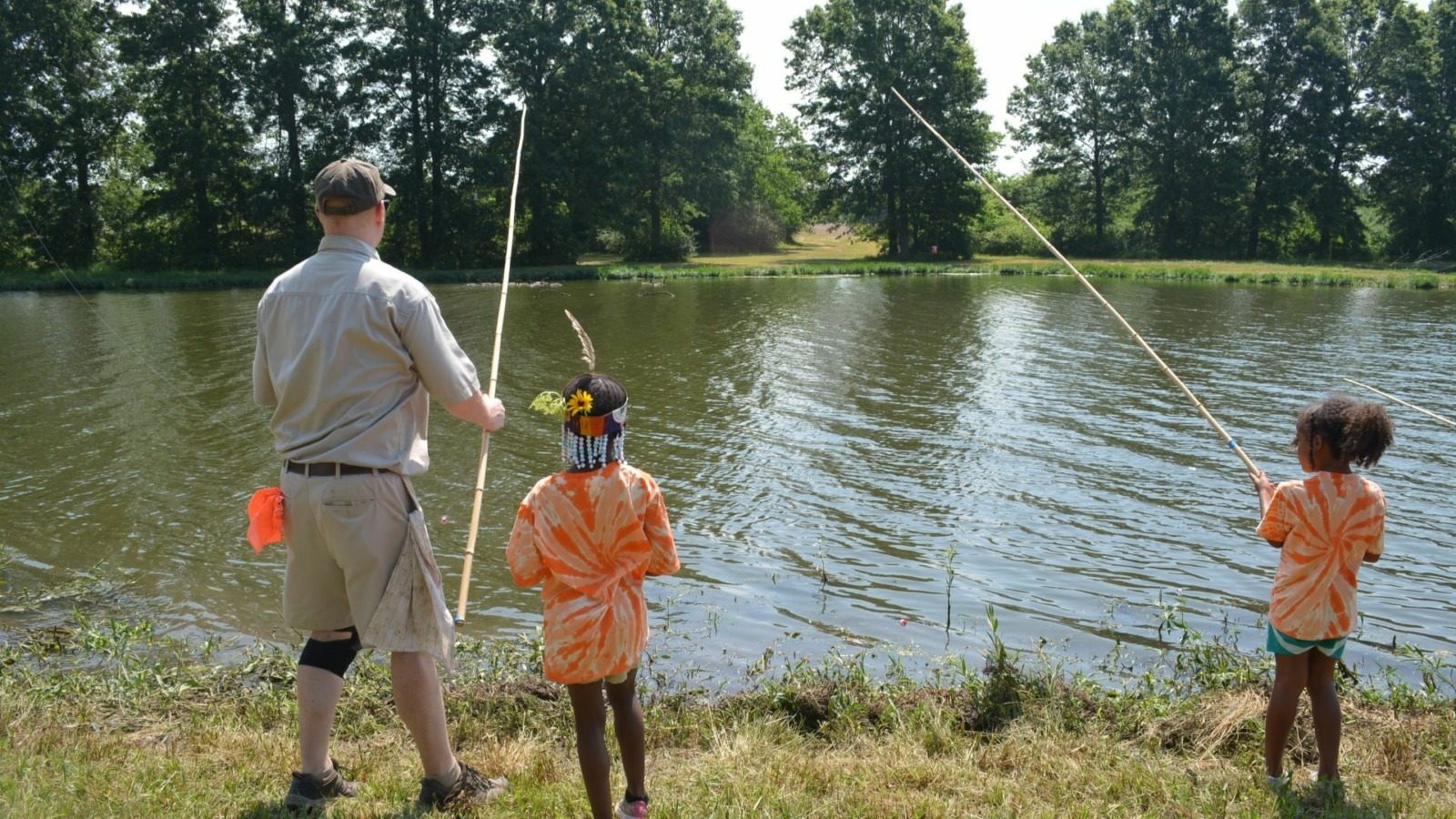
Summer is officially here, and the kids are already getting bored. Here to help is handy local outdoor "staycation" guide for people on a budget.

Kansas Lawmakers to Target Chiefs During Special Session
Kansas lawmakers are pushing to discuss legislation to lure the Kansas City Chiefs from Missouri during an upcoming special session beginning June 18.