
Crime & Safety

curiousKC | Opioid Addictions Worsen in Pandemic
“Has anyone remembered the opioid crisis?” Here’s what experts have to say about the compounding effects of one public health crisis within another, and what’s needed.
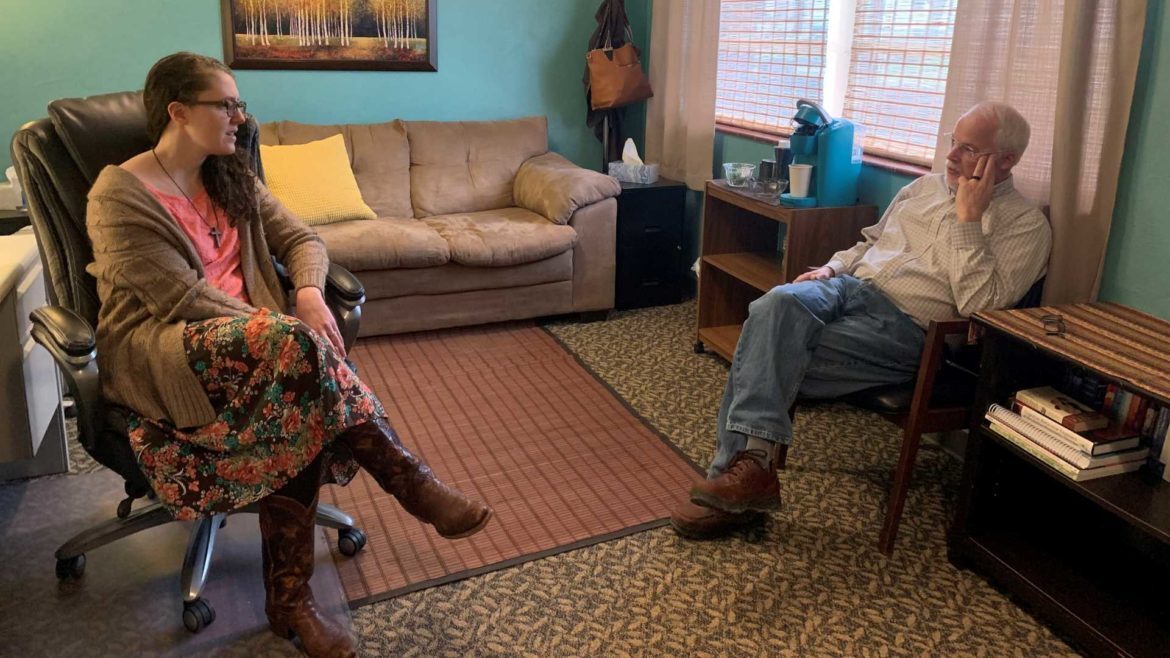
Rural Resilience: Mental Health Care Providers Face Challenging Times Along With Their Patients
Rural mental health workers face increased client loads, workforce shortages, bad broadband connections and a revolutionized system as COVID-19 pandemic rages on.

curiousKC | Does the COVID Vaccine Cause Shingles?
Does the COVID vaccine cause shingles? The short answer, no. Learn more here.

Our Pandemic Year: Kansas City Reflects on COVID-19
As we reach the one-year milestone of living in the pandemic, Kansas Citians reflect on how their lives have changed.

About $600 Million in Rental Assistance Coming in Kansas, Missouri
Kansas City area organizations are working to show renters and landlords how to access emergency rental assistance stemming from federal stimulus plans following the COVID-19 pandemic.

Telehealth is Here to Stay, Patients Say
Now that the COVID-19 pandemic forced telehealth to become broadly available, patients and health care providers think it is here to stay.
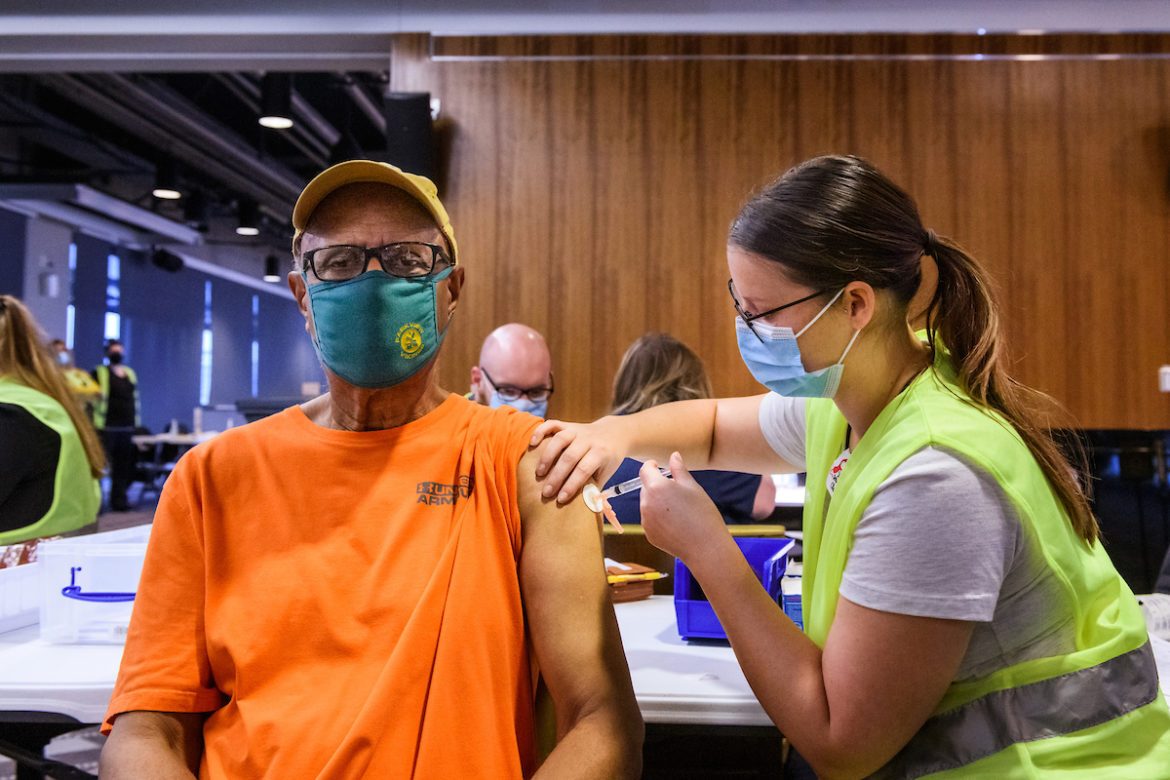
After Outrage Over Unused Vaccines at Rural Clinics, Parson Vows More KC, St. Louis Events
Experts and lawmakers are questioning Missouri’s COVID-19 vaccine distribution model and renewing calls for change to ensure equitable distribution around the state.
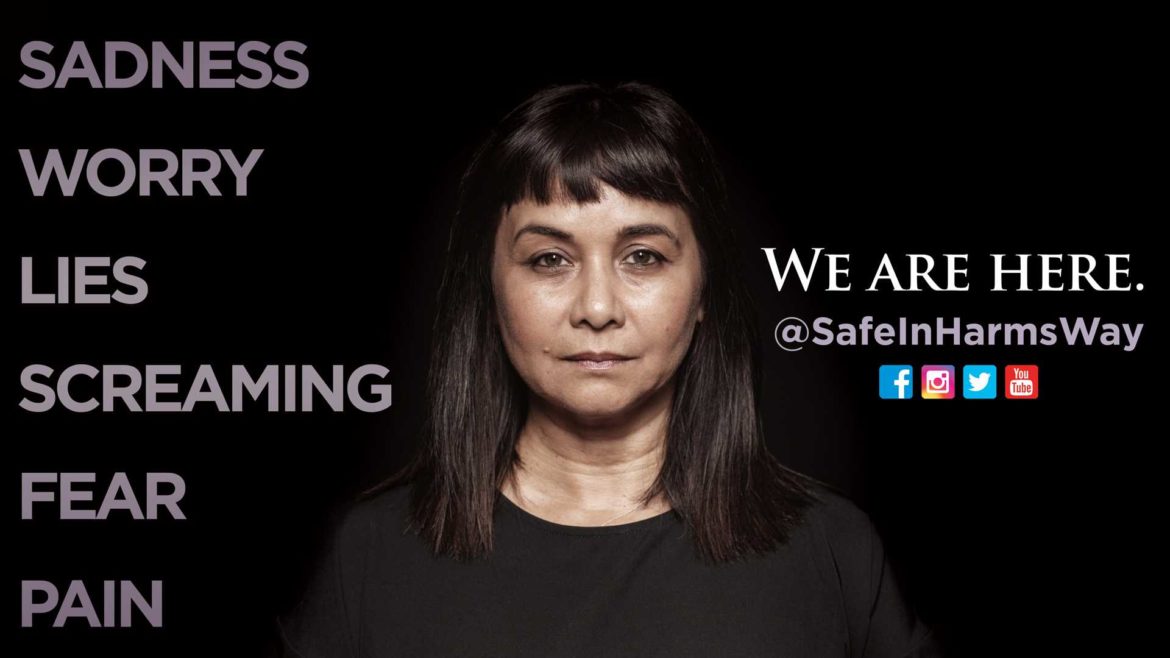
Local Group Using Billboards to Reach Survivors of Domestic Violence
Safe in Harm’s Way partnered with the Out of Home Advertising Association of America to create billboards to reach survivors of domestic abuse.

Combating Vaccine Wariness With Education
COVID-19 vaccine misinformation and skepticism is pervasive in communities of colors. Health professionals are working to address those concerns.
Rural Health Departments in Missouri Struggle to Meet Overwhelming Vaccine Demand
Missouri currently is 49th among U.S. states in the percentage of population vaccinated for COVID-19, at 5.6%. Rural counties in particular are lagging even that figure.