
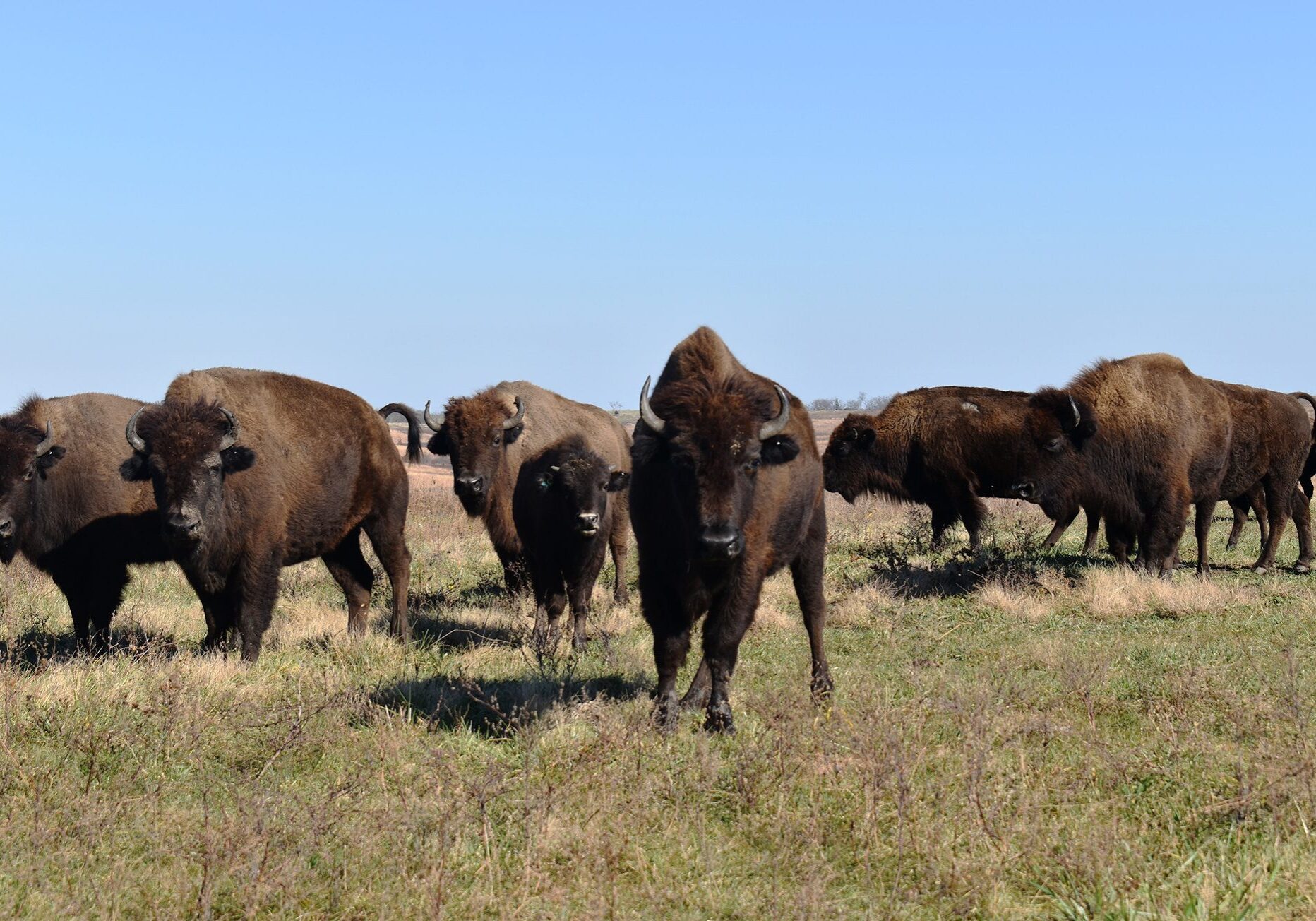
The Bison that Protect One of Missouri’s Last Prairies
November 27, 2024 | Julie Freijat | 1 min read
Before European settlement, the place that we call Missouri was home to millions of acres of tallgrass prairie, a grassland biome home to a diverse array of plant and animal species, like bison. Today, less than one percent of it remains.
Bison once roamed North America with numbers in the millions. After government-sanctioned mass slaughter decimated the bison population, efforts to restore their population began. Today, their numbers continue to increase.
But the prairies they used to roam remain imperiled. What do we know about how bison contribute to the health of grassland biomes, like tallgrass prairies? And, what makes grasslands important?
Reading these stories is free, but telling them is not. Start your monthly gift now to support Flatland’s community-focused reporting.

Related Stories
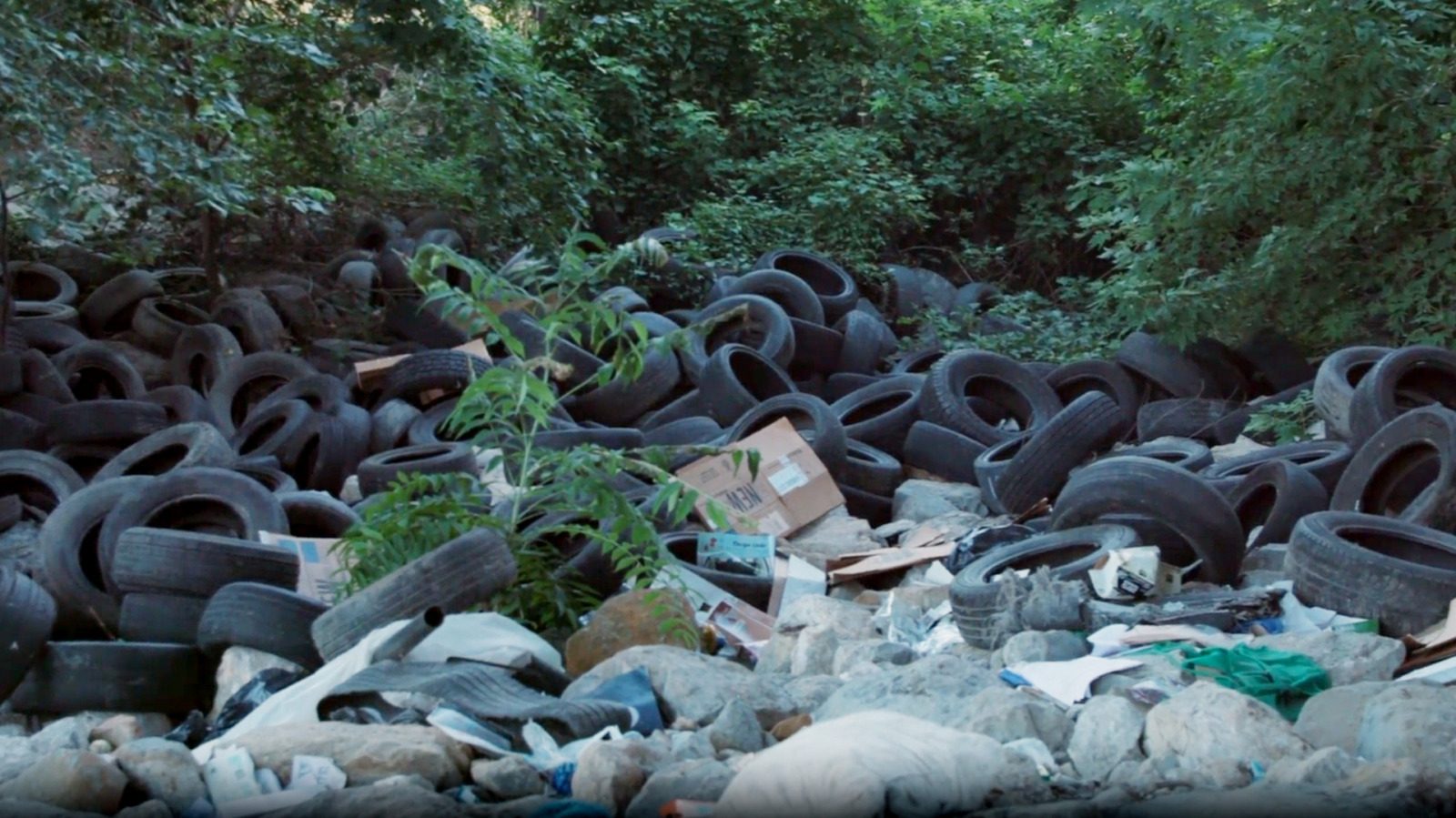
Blue River Cleanup Targets Trash, Invasive Species
A restoration project is underway along the Blue River watershed, a collaborative effort by four nonprofit partners: The Heartland Conservation Alliance, Bridging The Gap, Deep Roots, and Mid-America Regional Council. The groups signed the contracts officially in May. “The day that we got our signed contract sent to us from the city kind of felt…
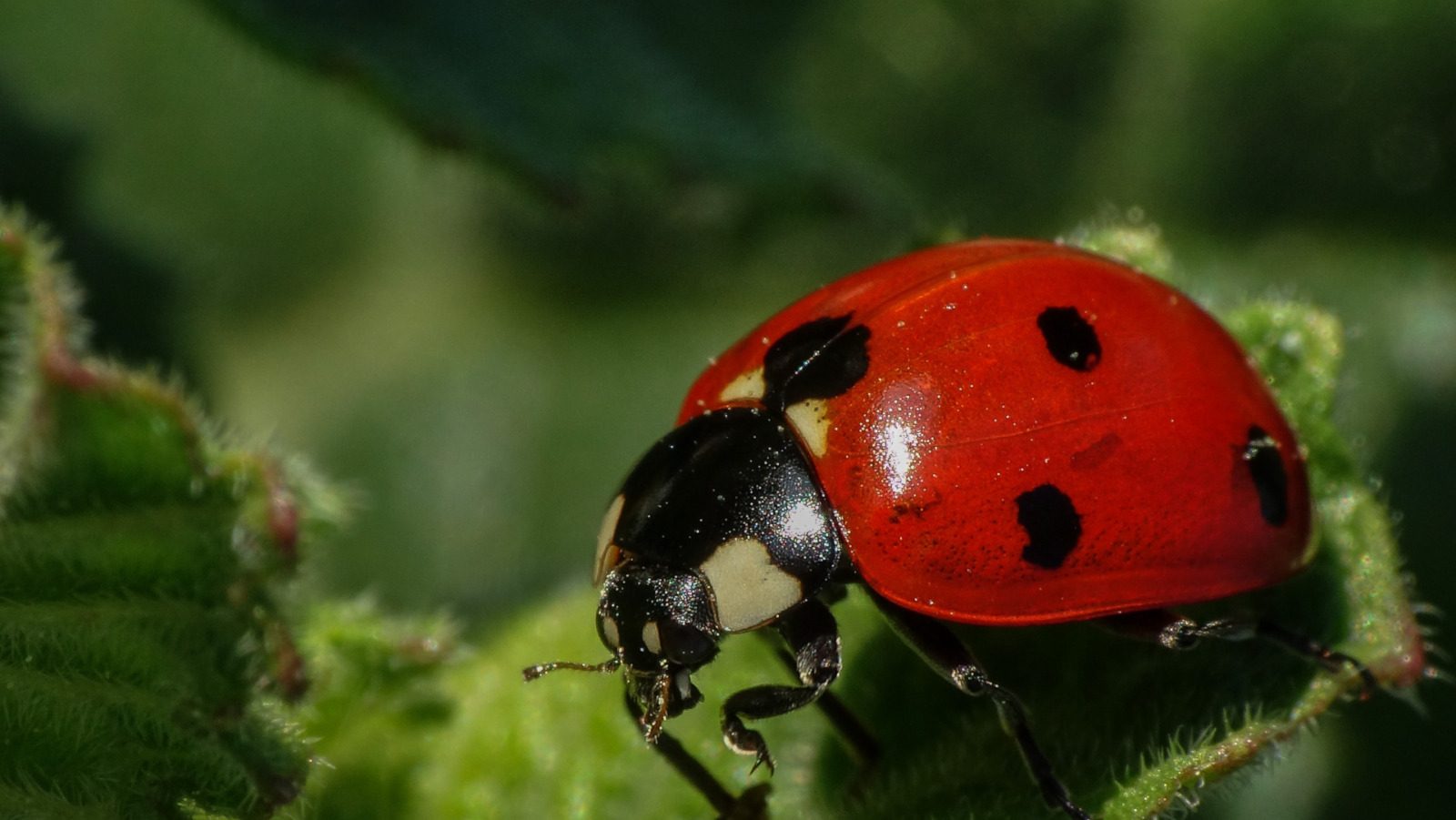
The End of the Pesticide Arms Race?
To spray or not to spray, that’s the question for farmers. Pests can be the make-or-break factor for a season’s harvest. Between 20% to 40% of global crop production is lost to pests annually, according to the Food and Agriculture Organization of the United Nations. Conventional chemical pesticides have traditionally addressed this challenge, but their…
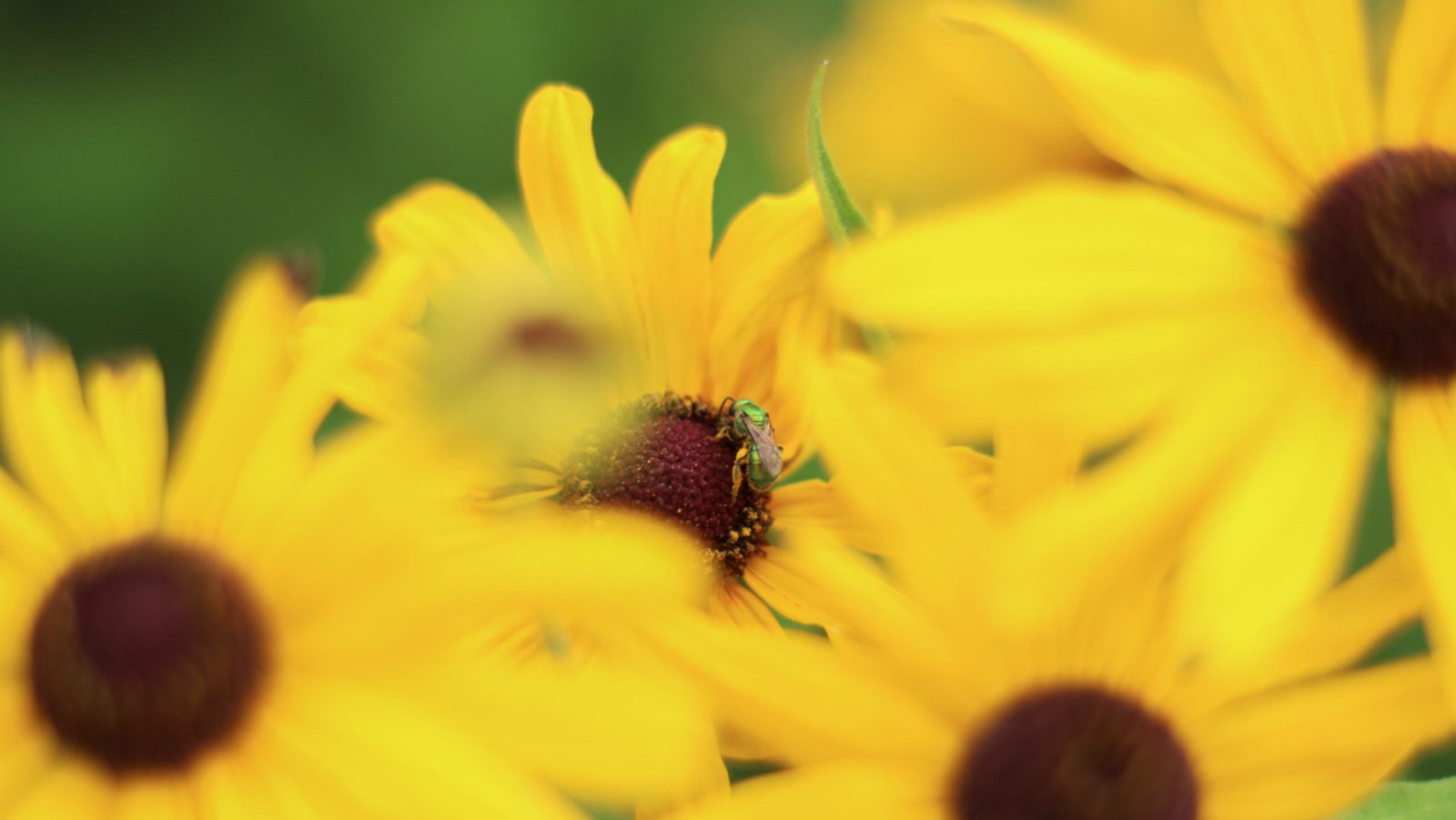
Hundreds of Bee Species Face Decline in Missouri and Kansas
To Tom Schroeder, every bee is a work of art. His own words, backed up with hundreds of photos in his camera roll from the prairies and woods of Kansas City WildLands. With more than two decades of volunteering with the group, he’s become a bee enthusiast– but not an expert, he’ll clarify. “We’re the…