
Listen to the podcast here:
This podcast is from the Center for Investigative Reporting, which co-produces the “Reveal” radio show and podcast with PRX. “Reveal” features CIR’s reporting, as well as stories from public radio stations and a wide range of media partners, both nonprofit and commercial. For “Trial by Fire,” CIR relied on decades of reporting from Flatland’s Special Projects Reporter Mike McGraw, who first covered the story for The Kansas City Star.
By Julia B. Chan | Reveal
In 1988, six firefighters in Kansas City, Missouri, were killed in a blast at a highway construction site. Nine years later, five people were convicted of setting the fires that led to the deaths.
And now, almost 30 years later, Reveal investigates problems in the case: There was no physical evidence linking the five to the crime, and their convictions were based on witness testimony – a lot of it conflicting.
We start with a look back at the early morning hours of Nov. 29, 1988. The Kansas City Fire Department was responding to a 911 call about a fire at a construction site. Soon after firefighters arrived, a massive blast occurred. Forty minutes later, a second blast rang out. So what caused the blasts? Fifty-thousand pounds of ANFO (ammonium nitrate and fuel oil).
Federal agents and local police immediately suspected arson and began an investigation that would last for eight years.
From the beginning, the investigation was troubled. The first attempt to convict someone fell apart shortly after indictment. Investigators were relying on jailhouse informants and a tips hotline to collect evidence. This information resulted in the indictment and conviction of five people: Bryan Sheppard, Darlene Edwards, Frank Sheppard, Earl “Skip” Sheppard and Richard Brown. They were sentenced to life in prison with no possibility of parole.
But now, the youngest has a chance at freedom. Bryan Sheppard was 17 at the time of the explosions, and the Supreme Court has ruled that it’s unconstitutional to give a juvenile a mandatory sentence of life in prison without parole. He will be resentenced in a few weeks, and Reveal will be there to follow up.
— Reveal is a weekly radio program produced by The Center for Investigative Reporting and PRX. For more, check out our website and subscribe to our podcast.
[FLEX-CONTENT]
[FLEX-CONTENT]
Reading these stories is free, but telling them is not. Start your monthly gift now to support Flatland’s community-focused reporting.
Related Stories
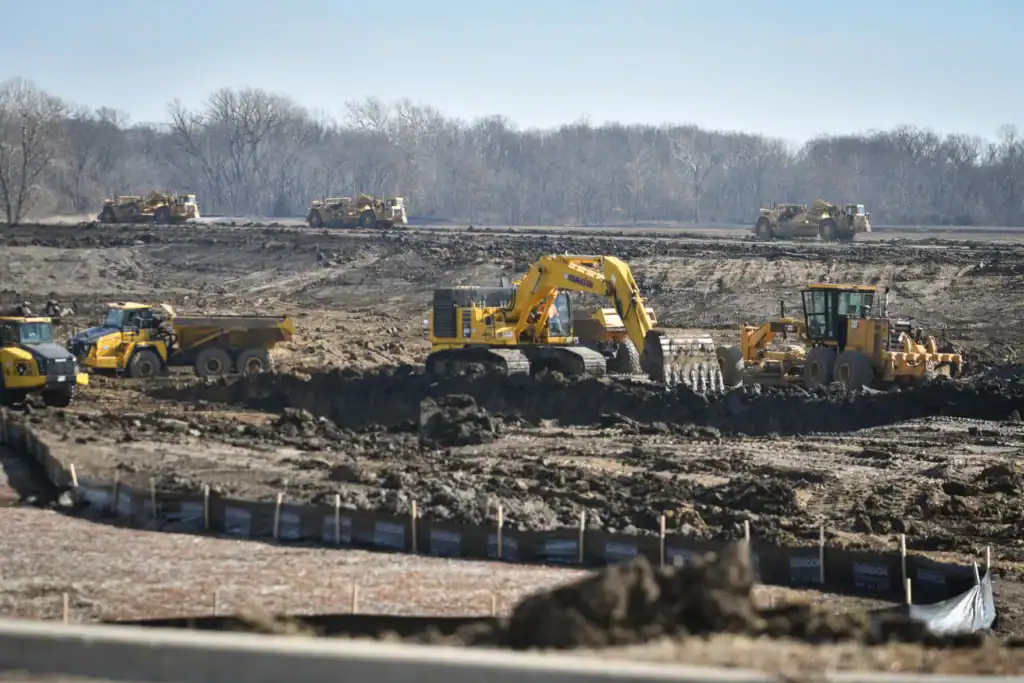
United in Opposition: The Bipartisan Response to Data Centers
From Independence, Missouri, to Osawatomie, Kansas, data centers are angering residents and spurring bipartisan opposition.
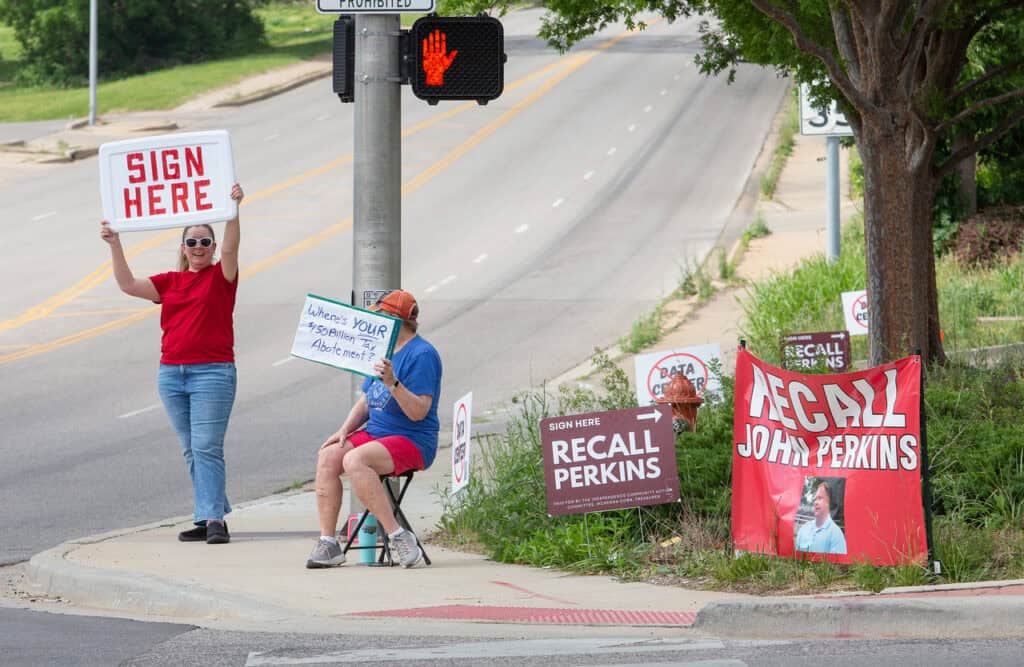
Nick’s Picks | Map, Recall, Trial and More …
The Missouri Supreme Court takes up a question about a local congressional district, an Independence councilman fights to keep his seat, and a long-delayed murder trial is set to get underway.
Advocates Look to Make KCK Next Abandoned Housing Success Story
The Kansas Abandoned Housing Act is working in Leavenworth, and proponents are hopeful it will prove successful in Kansas City, Kansas, too.