
New Survey: Streetcar No Toy, It’s More Little Engine That Could
February 7, 2018 | Kevin Collison | 3 min read
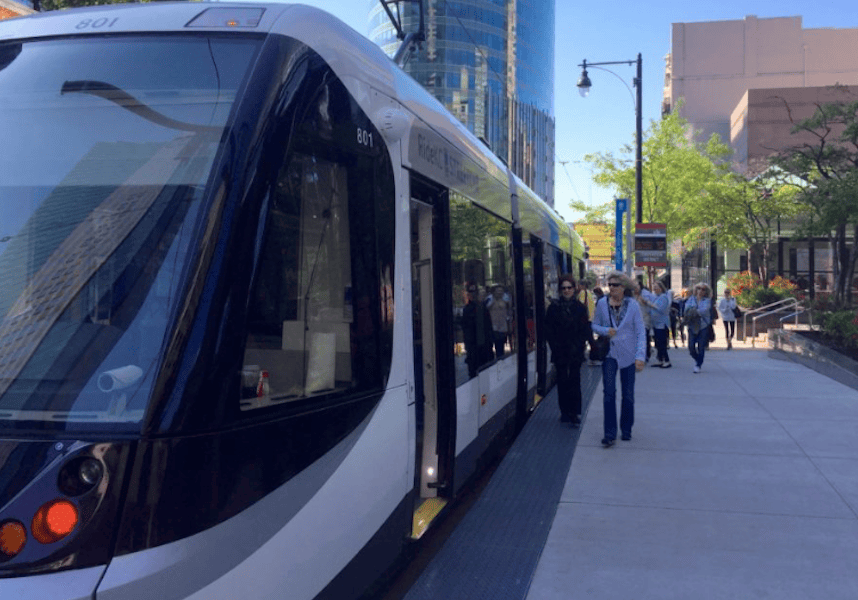
A new survey of streetcar ridership dispenses with one myth suggested by its critics–it’s not being used as a free amusement park ride.
Ninety percent were onboard to reach a destination, and 50 percent planned to spend money when they got there, according to the study conducted last August through October.
Only 3 percent of weekday riders and 8 percent of weekend riders were “joyriding.”
The ridership survey was done for the Kansas City Streetcar Authority by the ETC Institute and it collected 642 validated weekday responses and 949 validated weekend responses.
It depicts the streetcar as having become a new, basic means of getting around the various districts of downtown in its first 18 months of operation rather than the expensive toy train as some like to dismiss it.
“The survey data confirms what we thought to be true, the streetcar has connected our downtown districts and fundamentally changed how people are moving throughout downtown,” said Tom Gerend, executive director of the KC Streetcar Authority.

Ridership survey found 38 percent live downtown, many use it to commute. (Chart by KC Streetcar Authority)
Its riders use it to get to work or home as well as going out for lunch or shopping in the midday, and for entertainment at night.
“There is a greater diversity in trip purposes and a greater number work trips on the system than we anticipated,” Gerend said.
Among its other findings was that 76 percent of the riders lived in the metropolitan area, the remaining 24 percent were visitors. Thirty-eight percent of the riders lived downtown, and 43 percent of them used the streetcar to get to their jobs.
A bit more than half, 56 percent, were men. About one-third, 34 percent, were ages 25- to 34, and another 34 percent were over 45. Sixty-five percent had chosen to ride the streetcar rather than use their own vehicle.
The most popular stop is Union Station at the south end of the 2.2-mile line, but if all three River Market stops are combined, it’s a tie between the two destinations.
As downtown’s population continues to grow, and a new convention hotel comes on line, Gerend believes the streetcar’s ridership will continue improving.
“The extensive residential development underway along with the downtown Convention Center hotels and other developments suggest demand for streetcar ridership and service will only continue to grow in the years to come,” he said.

Study found many riders use streetcar during midday and after hours to reach dining, entertainment and social destinations. (Chart by KC Streetcar Authority).
Reading these stories is free, but telling them is not. Start your monthly gift now to support Flatland’s community-focused reporting.
Related Stories
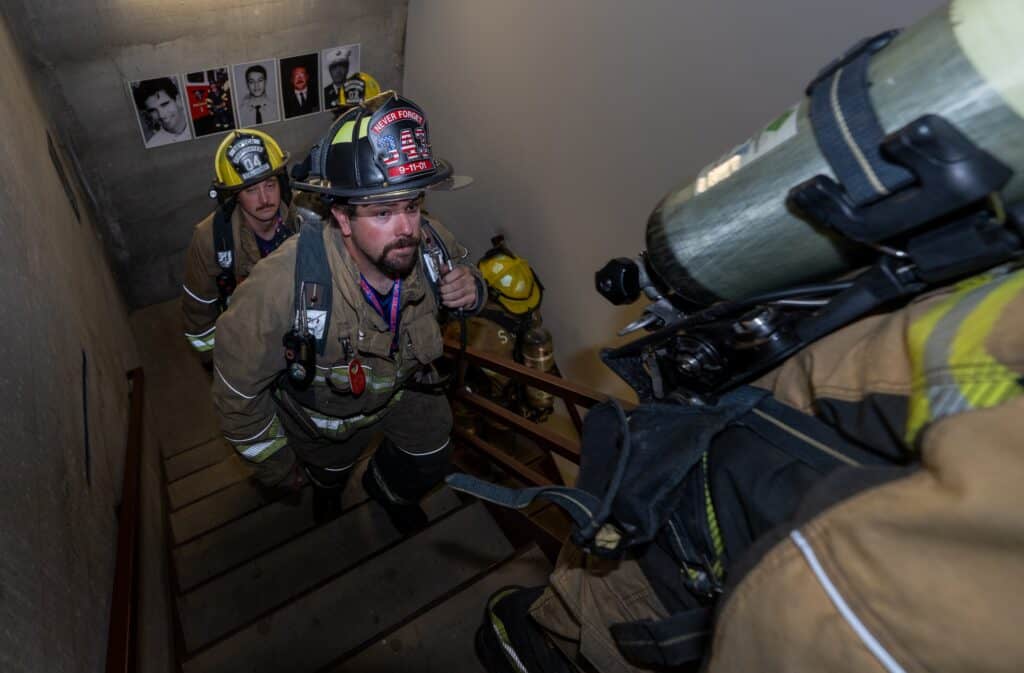
The Fight Against Forgetting 9/11
Schools, nonprofits, and firefighters work to ensure Kansas Citians remember the victims of the Sept. 11, 2001, terrorist attacks as the nation marks the 25th anniversary of the tragedy.
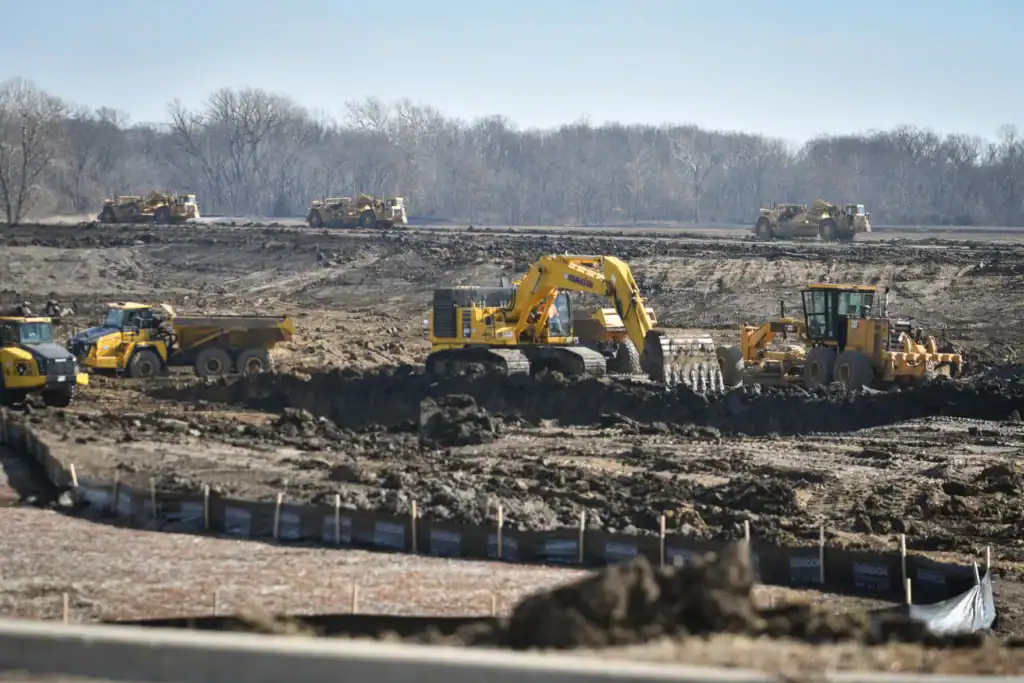
United in Opposition: The Bipartisan Response to Data Centers
From Independence, Missouri, to Osawatomie, Kansas, data centers are angering residents and spurring bipartisan opposition.
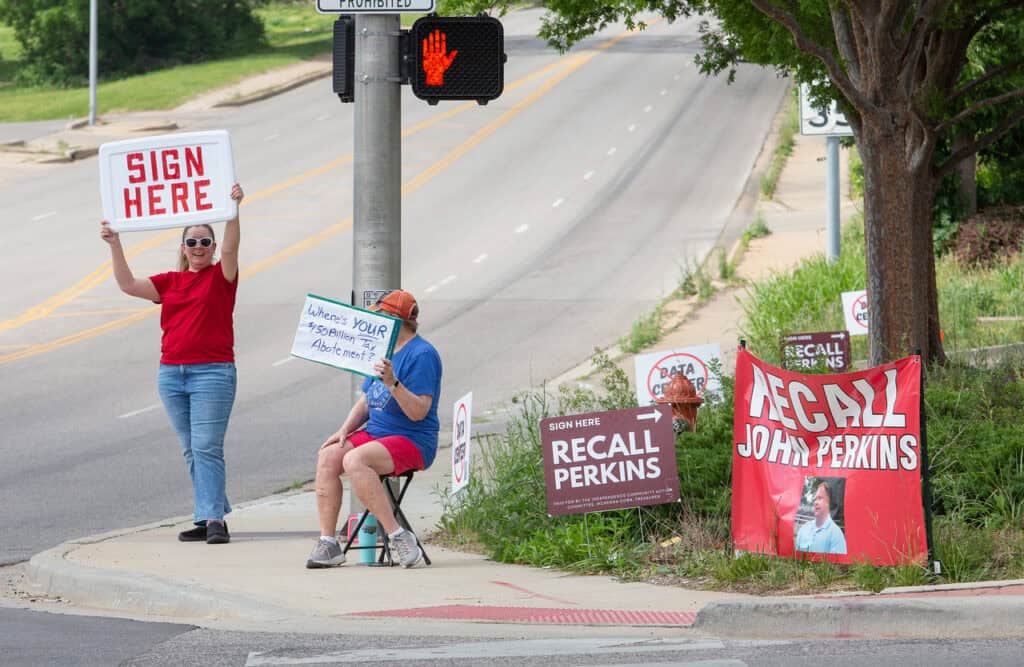
Nick’s Picks | Map, Recall, Trial and More …
The Missouri Supreme Court takes up a question about a local congressional district, an Independence councilman fights to keep his seat, and a long-delayed murder trial is set to get underway.