
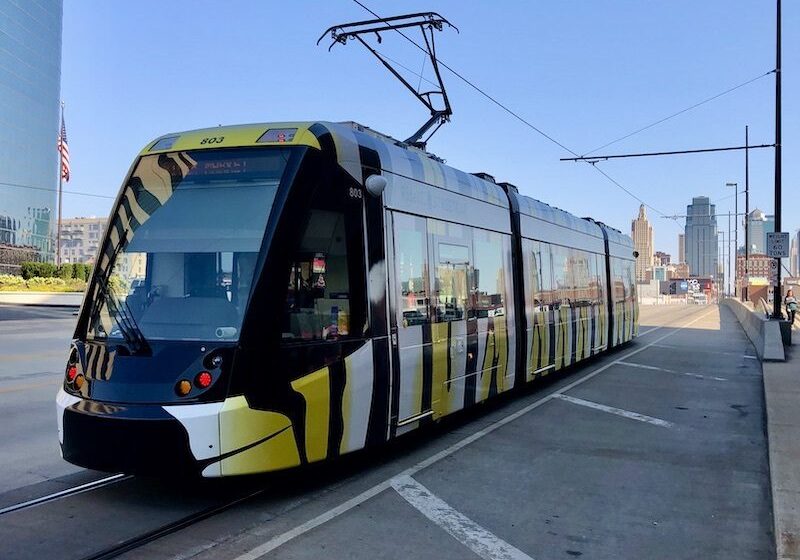
New Streetcar Authority Chair Works to Keep City Fiscal Support on Track
January 13, 2020 | Kevin Collison | 4 min read
By Kevin Collison
Jeff Krum has hopped onboard as new chairman of the KC Streetcar Authority with a push to keep City Hall financial backing on track as the agency pursues federal funding to extend the route to UMKC.
Krum expects the final word from Washington should come within the next 12- to 18 months on the Authority’s application for $174 million to help finance the planned Main Street extension.
Critical to the success of that application, he said, is the city’s continued commitment to fund its approximately $2 million annual contribution.
“The Federal Transit Administration wants all parties on the same page and rowing in the same direction,” Krum said. “That $2 million is key.
“To pluck that out now would endanger our financial model and put the FTA on notice all the critical stakeholders are not on board for bearing the expense of the system.”

Jeff Krum
With the Kansas City Council recently approving a yet-to-be funded proposal to provide free public bus service, city officials are exploring how to pay an estimated $8 million annual subsidy to RideKC to cover the revenue gap.
While there have been no formal proposals at City Hall to tap into streetcar funding to help pay for the free bus service, the idea has been floated in some quarters.
Krum believes its important to educate city officials about the success of the 2.2-mile downtown starter line, which began operations in May 2016 following nine years of planning and construction.
“Given all the transitions in city government over that time frame, I thought it was a good time to have conversations with elected officials and city staff to make sure everyone understood how we got to where we are,” he said.
Krum, who’s day job is president of Boulevard Brewing Co., has actively supported the streetcar endeavor since planning first began.
The downtown starter line was funded locally by establishing a transportation development district (TDD) that levied property owners within its boundaries an additional surcharge and collected an extra penny sales tax. It also received significant federal funding.
“It’s fair to say, the streetcar has far surpassed the initial projections,” Krum said, “perhaps beyond our wildest hopes by more than doubling the projected ridership.”
He said the TDD also has performed better than projected financially.
That’s allowed the Authority to acquire two more streetcars, expanding the fleet from four to six, and jumpstarting the environmental and engineering studies required for the Main Street extension project.

Kansas City’s most valuable real estate extends along the planned Main Street streetcar route from downtown through Crown Center, Midtown and the Plaza. (Graphic prepared by Urban3 for Gould Evans).
The spinoff economic impact to the city is part of his lobbying message. Sales tax revenues along the downtown streetcar line have jumped 56 percent since operations began versus 16 percent citywide.
“There’s been tremendous development both commercial and residential along the line,” Krum said.
Because of that additional private revenue growth in the TDD, the city’s proportionate share has decreased from 25 percent to 20 percent of TDD revenues, according to the Authority.
Krum said the city also will not be asked to increase its contribution to help fund the planned Main Street expansion.
The local share for what’s projected to be a $330 million project already has been approved by voters living within the expanded TDD.

A proposed multi-modal streetcar stop by the Country Club Plaza would accommodate both north- and southbound streetcar riders and allow bus transfers. (Rendering by the KC Streetcar Authority)
He also noted expanding the streetcar down Main would allow the KC Area Transportation Authority to eliminate its MAX bus rapid transit route, saving the agency an estimated $4.5 million annually, freeing money that could be used to subsidize free bus service.
In making his case for the streetcar, Krum also said there is an intangible beyond better transportation and increased real estate and business investment.
“To my mind and to the people I talk to, the value of the streetcar is much more than the development it’s spurred or the enhanced transportation it’s provided,” he said.
“It’s most important effect is psychological, helping Kansas Citians and visitors to see our city as a progressive, major league city on par with other peer cities with modern, fixed rail transportation.”
(Editor’s note: Beginning in December 2019, CityScene KC has become a paid subscription publication)
Reading these stories is free, but telling them is not. Start your monthly gift now to support Flatland’s community-focused reporting.
Related Stories
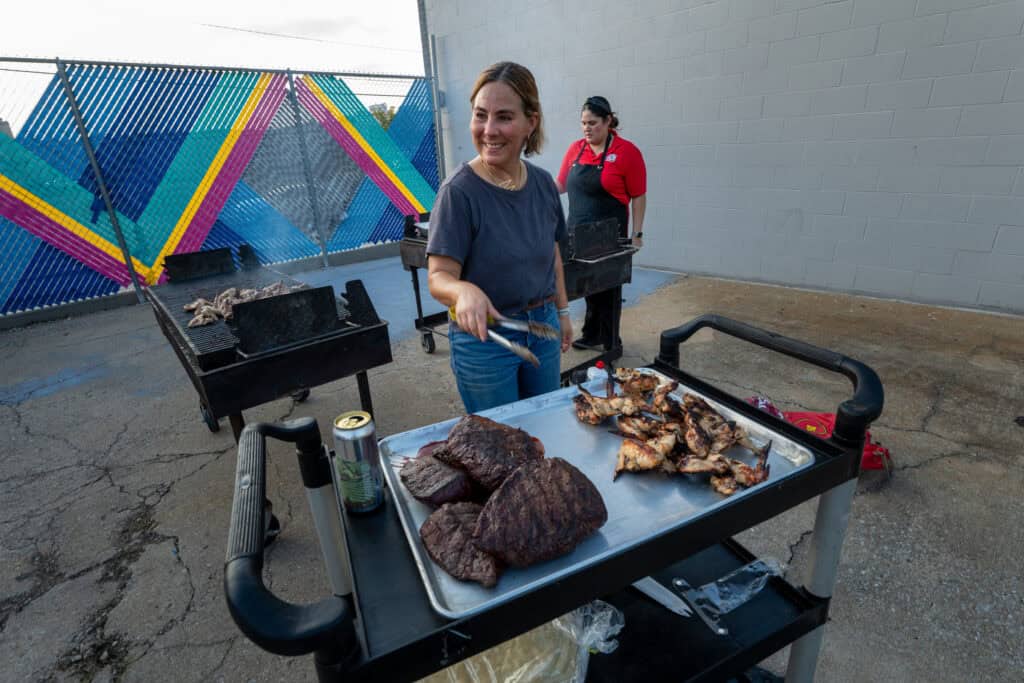
Kansas City Cooks as Site for National Anti-ICE Dinner Series
Celebrated chefs from throughout the metro collaborated for three nights on dinners that raised money for a local immigrant-rights nonprofit.
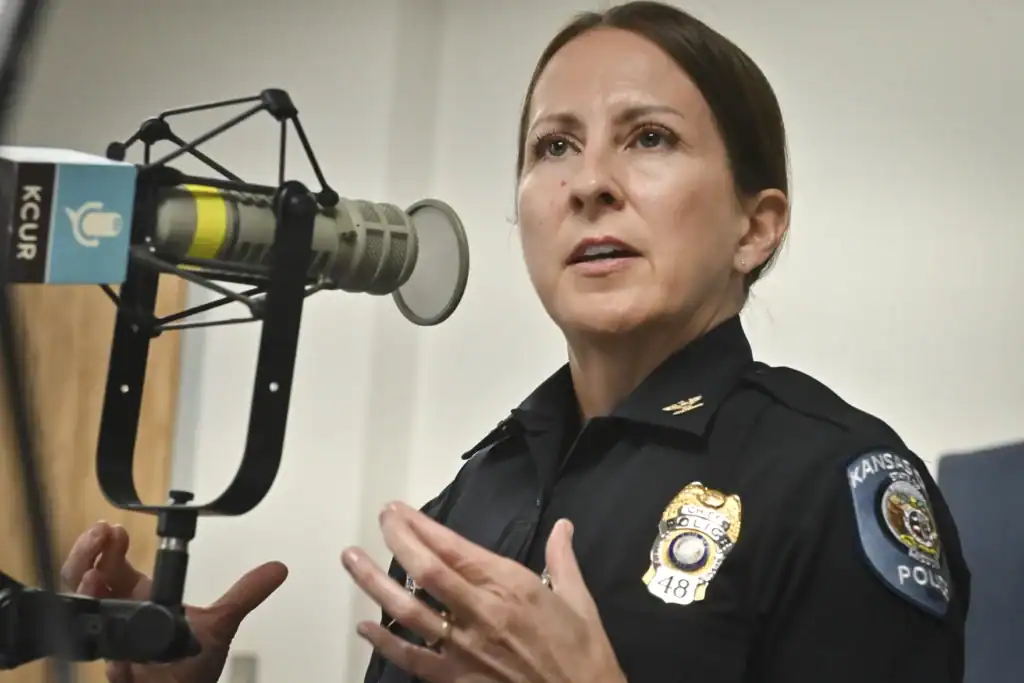
Nick’s Picks | Top Cop, Mission Mall, Lucas’ Travels and More …
Nick Haines also has the lowdown on information for the upcoming election, the arrival of fall and Kansas City's Day of the Dead celebration.
Nick’s Picks | I-70, Tax Break, School Petition, and More …
An Interstate 70 closure, a tax rebate for Jackson County property owners, a school closure petition, and more ...