
National Latina advocate returns home, encourages KCK community to vote
October 22, 2014 | | 4 min read
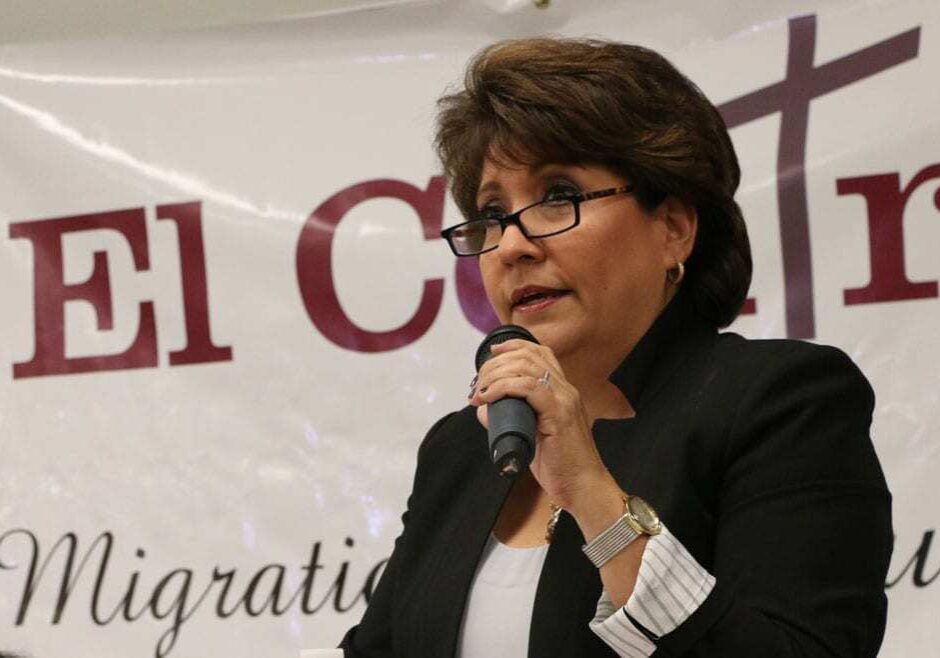
A packed meeting room buzzed with excitement Tuesday morning at the South Branch library in the Argentine neighborhood of Kansas City, Kansas. Families and friends huddled together, chatting animatedly. Students from El Centro’s Academy for Children squirmed in their seats. As soon as Irene Caudillo, president and CEO of El Centro, stepped up to the podium, however, the room fell silent. Socializing fell by the wayside as everyone in the room turned their attention to a more important topic: the Latino vote in Kansas.
El Centro hosted a non-partisan panel discussion about the importance of voting as a Latino Tuesday morning. The guest of honor was Janet Murgía, a KCK native who now works in Washington, D.C., as president and CEO of the National Council of La Raza — a Hispanic civil rights and advocacy organization.
Murgía was clearly excited to be speaking in her old neighborhood and praised those in attendance for making time to attend such an important event.
“To me, an event like this is just as powerful as any event you could do at the White House,” she said. “It says that we have the power right here at home to participate and use our votes and or determine our future.”
Latino votes do have power, especially in Kansas. According to numbers Murgía cited, Latino voters make up 5.5 percent of the Kansas electorate. The Pew Research Center places this percentage at 6 percent.
“In a race that could be razor-thin … just think what 50,000 or 100,000 votes could mean in the outcome of any one given race,” she said. “Guess who could tip the balance? Latino voters. What a headline.”
In addition to Murgía, the panel included college student Jessica Alvarez, Rep. Louis Ruiz and new citizen and recently registered voter Carolina Uribe.
Uribe has lived in the U.S. for over a decade and, as part of her job as a social worker, has helped other immigrants through the process of registering to vote. She would accompany them when they voted, but was unable to vote herself.
“Now it’s my turn,” she said. “I feel very proud.”
Alvarez is currently pursuing a degree in political science from Rockhurst University. She was once an undocumented immigrant, but has since gained citizenship as part of the DREAM Act.
She said she felt a great amount of responsibility once she gained the right to vote, to vote not only for her own self-interest but also for the good of her community.
Alvarez’s community includes her 9-month-old son Max. She believes voting sets an example for her young child.
“We have a legacy to leave, and that legacy needs to start now,” she said. “I want (Max) to know what it looks like to be fully engaged in your community.”
Rep. Ruiz is also an Argentine native. He recalled that, when first campaigning for office, he was going door-to-door visiting registered voters. He was surprised by which houses he was skipping: “Why aren’t my friends on these lists?”
He said not enough Latinos are exercising their right to vote, and that is a real shame.
“They always call (Latinos) the sleeping giant, and we are,” he said. “Right now we’re wiggling a little toe, maybe the foot. We’re not quite awake yet.”
Murgía agreed.
“There are millions of eligible (Latino) voters who have not yet become citizens and millions who are citizens who are not yet registered,” she said. “We could literally double the Latino vote yet again if these millions of Hispanics were to naturalize … to register and to vote.”
The importance of voting was stressed many times during the event: It’s not enough to simply register. Murgía said change can be made only if Latinos unite and vote.
“We all believe in the promise of this great country, in that Sueño Americano, the American Dream,” she said. “Well, the one way we can make that American Dream work for each and every one of us is to make sure that we participate.
“Nuestro voto es nuestro voz. Vamos a usarlo,” she said: Our vote is our voice. We’re going to use it.
Reading these stories is free, but telling them is not. Start your monthly gift now to support Flatland’s community-focused reporting.
Related Stories

Nick’s Picks | Veep, Gerrymandering, Football and More …
Vance Lands in KC Again … Vice President JD Vance will make two stops in the Kansas City area today, his second visit to the metro in less than four months. The White House says Vance will visit a federal law enforcement facility in Kansas City, Missouri, to highlight the Trump administration’s crackdown on fraud….
The Fight Against Forgetting 9/11
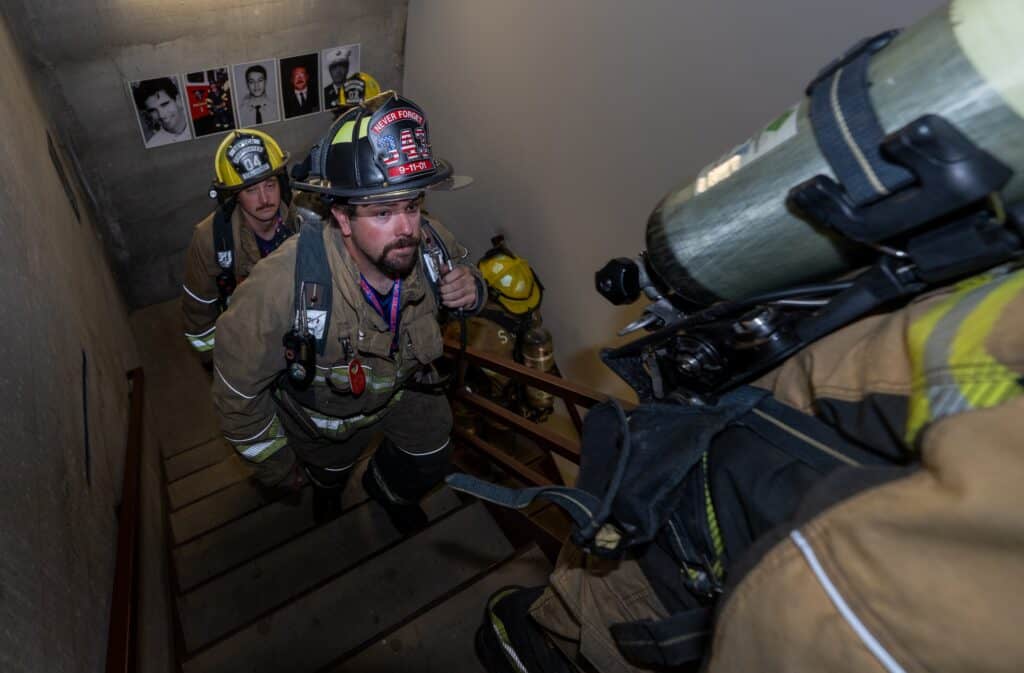
Schools, nonprofits, and firefighters work to ensure Kansas Citians remember the victims of the Sept. 11, 2001, terrorist attacks as the nation marks the 25th anniversary of the tragedy.

United in Opposition: The Bipartisan Response to Data Centers
From Independence, Missouri, to Osawatomie, Kansas, data centers are angering residents and spurring bipartisan opposition.