
Kansas Officials Cancel Limits On ATM Welfare Withdrawals
August 5, 2015 | Jim McLean, Kansas News Service | 4 min read
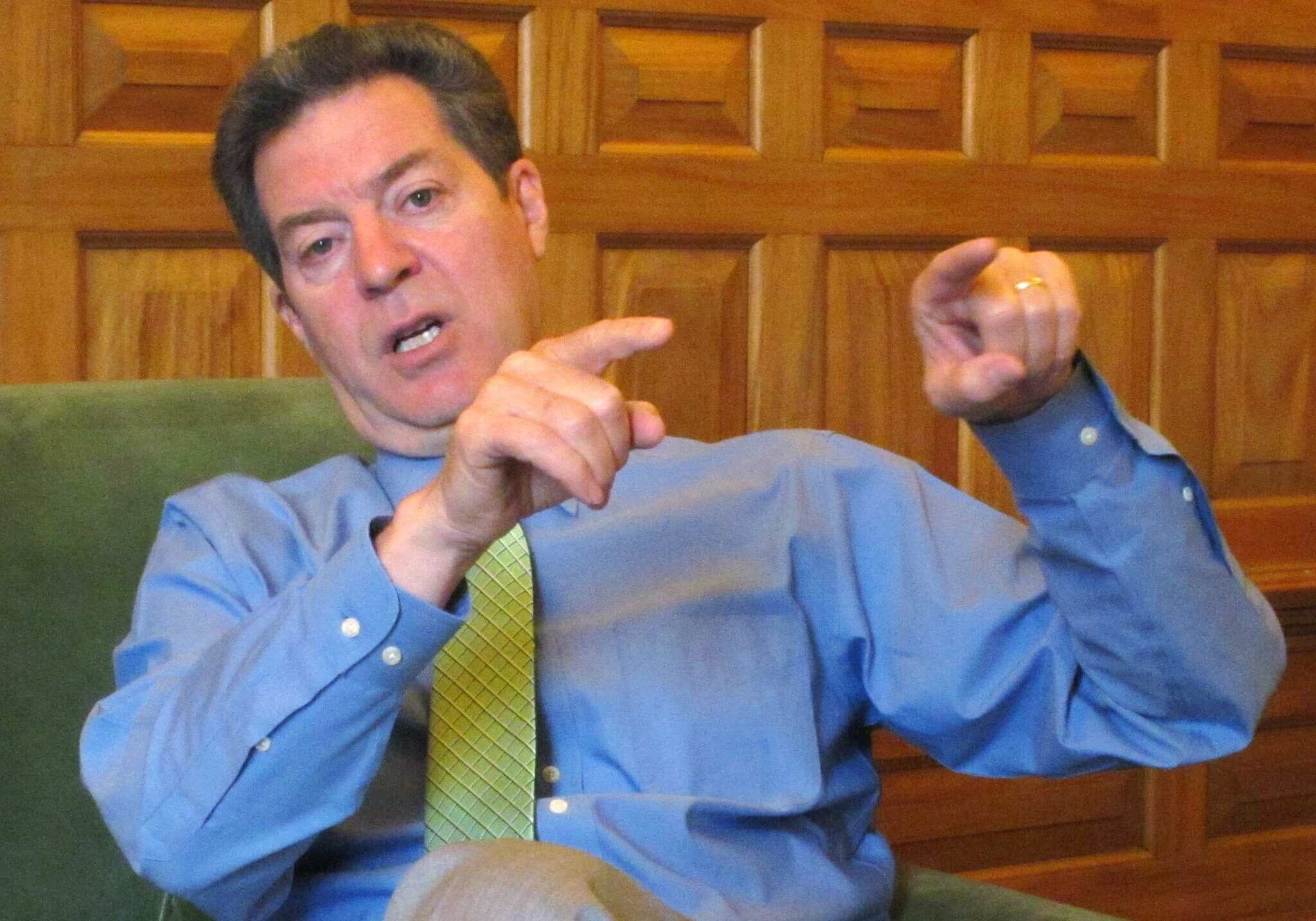
Kansas Gov. Sam Brownback’s administration will not follow through on plans to limit welfare recipients to cash withdrawals of $25 per day.
Phyllis Gilmore, secretary of the Kansas Department for Children and Families, said Tuesday that federal officials objected to the limit, saying that it would prevent needy families from having “adequate access to their cash assistance.”
“This agency did not propose the $25 cash assistance withdrawal limit,” Gilmore said in a news release. “This was an amendment offered during legislative debate. At the time of discussion on the floor, DCF advised against such a low limit. I’m pleased that we now have the guidance we needed to rescind this measure.”
The version of the welfare reform bill that DCF backed limited recipients of Temporary Assistance for Needy Families (TANF) to cash withdrawals of $60 per day. It was lowered to $25 by an amendment offered by Sen. Caryn Tyson, a Parker Republican, that passed 23-14 on April 2 .
At the time, Sen. Oletha Faust-Goudeau, a Wichita Democrat, predicted the restriction would create hardships for poor Kansans who pay their rent and utility bills with cash or money orders purchased with cash. She said she had accompanied some TANF recipients in her district to get a firsthand look at the steps needed to pay their bills.
“It’s a two-hour trip, and it’s not Gilligan’s Island,” Faust-Goudeau said during debate on the welfare bill. “It’s a two-hour trip on the bus just to get there, and then back home. So that’s four hours in that day.”
Later in the 2015 session, lawmakers approved a measure that allowed Gilmore to raise or rescind the $25 ATM limit if federal officials informed her that enforcing the limit would threaten the state’s TANF block grant. Gilmore said a letter received Monday from the U.S. Department of Health and Human Services included such a warning, allowing her to rescind the ATM limit.
The withdrawal limit and a laundry list of restrictions on how TANF recipients could use their cash benefits drew national attention to the welfare debate in Kansas andcriticism from the likes of Jon Stewart, host of “The Daily Show” on Comedy Central.
Brownback brushed aside the criticism when he signed the bill, insisting that it was a well- intentioned attempt to reform state welfare programs that too often “fail the poor by keeping them in cycles of dependency.”
The measure initially was to take effect July 1, but DCF officials delayed enforcement for at least six months. The bill reduces the length of time that poor Kansans can remain eligible for TANF over their lifetimes from 48 months to 36 months.
To qualify for TANF, a three-person family — typically a single mother and two children — cannot have gross income above 26 percent of the federal poverty level, roughly $435 a month. At the time of the bill’s passage, the average per-person benefit was $114 a month.
The new welfare law also:
- Prohibits TANF recipients from spending their cash assistance on alcohol, cigarettes, lottery tickets, pornography, lingerie, tattoos, body piercings, fortune-telling sessions or cruises.
- Requires able-bodied parents on TANF to work at least 20 hours a week, apply for jobs or participate in job-training programs. Those who don’t will be dropped from the TANF program and lose their eligibility for food stamps.
- Imposes a lifetime ban on TANF recipients who commit welfare fraud.
- Bans adults convicted of two drug felonies from the food stamp program.
At a signing ceremony for the bill in April, Gilmore said the changes were intended to motivate Kansans receiving assistance to become self-sufficient.
“A person has the right to refuse to work, but the taxpayer also has a right to not support that person,” she said. “We have an obligation to be responsible stewards of taxpayer dollars. And these are policies that help everyone win.”
Jim McLean is executive editor of KHI News Service in Topeka, a partner in the Heartland Health Monitor team.
Reading these stories is free, but telling them is not. Start your monthly gift now to support Flatland’s community-focused reporting.

Related Stories

Preparations Aside, KC World Cup was Quiet for Hospitals, Police
Officials said months of planning will serve them well in the year's to come through improved collaboration.

Nick’s Picks | Veep, Gerrymandering, Football and More …
Vance Lands in KC Again … Vice President JD Vance will make two stops in the Kansas City area today, his second visit to the metro in less than four months. The White House says Vance will visit a federal law enforcement facility in Kansas City, Missouri, to highlight the Trump administration’s crackdown on fraud….
The Fight Against Forgetting 9/11
Schools, nonprofits, and firefighters work to ensure Kansas Citians remember the victims of the Sept. 11, 2001, terrorist attacks as the nation marks the 25th anniversary of the tragedy.