

Age of Coronavirus: Here Are Answers to Your COVID-19 Questions
April 13, 2020 | Vicky Diaz-Camacho | 4 min read
Editor’s note: Flatland’s public-powered tool curiousKC is here to keep you updated. So, as the Kansas City metro learns more about the coronavirus outbreak, we will update this FAQ with the latest answers to questions submitted by our readers, linking to the full reports. The answers are summaries based on the information in each linked article.
Q: Why are the U.S., the state, and the city governments not spraying like other countries are doing, like Korea or China, to kill the virus?
A: Flatland is currently investigating this question, but here’s what we know. As far as individuals are concerned, the Environmental Protection Agency does not recommend the use of fumigation or sprays to control the spread of the virus. It remains to be seen whether the U.S., state and city governments will employ these methods. (This will be updated as information is made available.)
Q: Is coronavirus airborne? Is it floating in the air so even on a walk do we need to wear a mask?
A: According to the World Health Organization, airborne “transmission may be possible” but only “in specific circumstances and settings in which procedures or support treatments that generate aerosols are performed.” That includes procedures such as intubation, bronchoscopy or CPR (cardiopulmonary resuscitation).
The Centers for Disease Control and Prevention recommends wearing a mask in public settings such as the grocery store or where remaining six feet apart may be difficult to maintain. According to the CDC’s latest guidelines, these masks should not be medical-grade (surgical masks or n-95 masks) reserved for medical professionals. However, masks can be purchased online or made at home. Here’s a link for more information as well as a tutorial on making your own mask.
Q: What are some ways that people in Kansas City are coming together as a community and/or helping each other while we are in this global pandemic? I’ve seen a few on Facebook and other forums, but I want to know what other people are doing.
A: Artists, restauranteurs, law enforcement and educators are just a handful of folks stepping up to care for and help the community.
For instance, consider Meg Heriford of the Lady Bird Diner in Lawrence and Kansas City chef Pam Liberda, who almost seamlessly transitioned to feeding folks in need. Nonprofit groups and social service agencies such as Just Food and Harvesters continue to fill in the gaps, providing food for elderly communities. But, as volunteer numbers plummet, they find themselves in need.
And other restaurants and distilleries have tapped into new strategies with curbside pick-up and making products to keep the community safe with distillery sanitizer.
Artists are finding creative ways to stay creative and build virtual pillars of support. One is a man with a bagpipe in the Brookside area. A second is Flatland’s new video series “Artists in Residence”, which features artists talking about what life is like creating in their homes.
As for law enforcement, they’re still on duty but have slightly shifted their focus. “The rule for now is education,” says Kansas City, Kansas, officer P.J. Locke. “Educate people and keep on moving.”
As of the first week of April, roughly 2,700 telemedicine practitioners are now up and running, based out of Kansas City, Kansas. They’re holding virtual consults and appointments. The pandemic jump-started telehealth services two years early.
Kansas City PBS has shifted KCPT’s daytime schedule to educational programming for parents who find themselves in the teacher’s seat and to further support area educators.

Q: What is the capacity situation in Kansas City area hospitals?
A: “Almost no one is going to get through this without additional beds,” says Dr. Ashish Jha, director of the Harvard Global Health Institute, in a video conference. A study predicts that in the worst-case scenario, Kansas City area hospitals would need three times the capacity. If mitigation efforts such as school closures and social distancing work, then area hospitals might have the extra space needed to care for patients. Read the full report here.
But hospitals aren’t the only spaces that lack capacity. Homeless shelters in the area have been struggling lately, and the homeless population is one of the most vulnerable groups, rife with people with underlying health conditions. Read the full report here.
Have a question we didn’t address here? Write to us. And, as always, feel free to send tips to community reporter Vicky Diaz-Camacho at vdiaz-camacho@kcpt.org.
Reading these stories is free, but telling them is not. Start your monthly gift now to support Flatland’s community-focused reporting.

Related Stories
Nick’s Picks | Messi, Jail, Buses, and More …
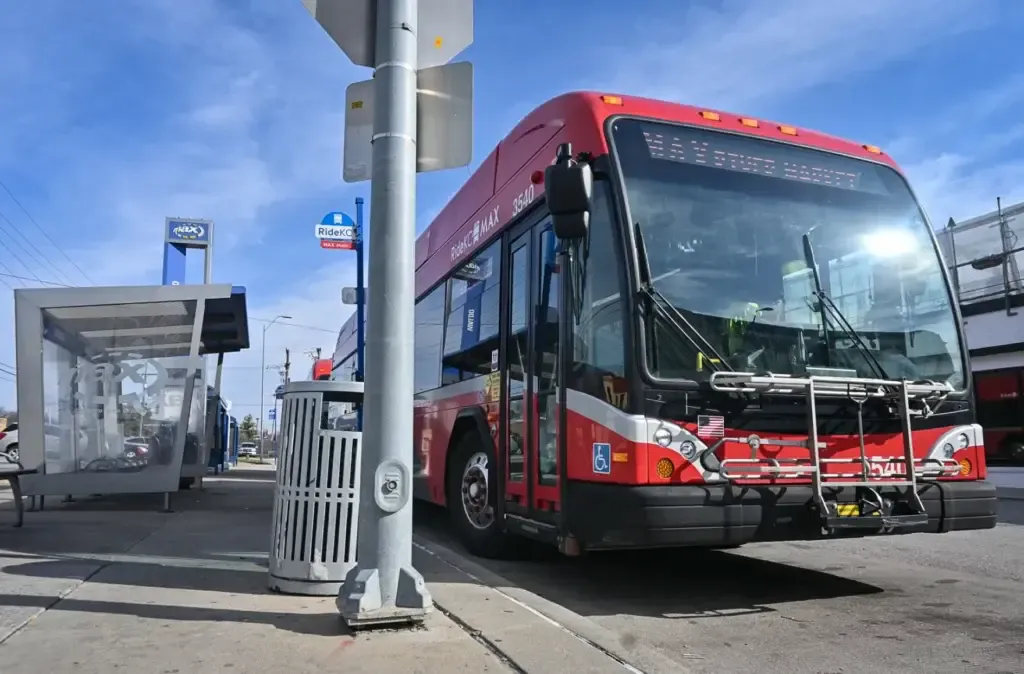
World Cup Team(s) Arrive It’s starting to feel real. The first World Cup team has landed in Kansas City. Defending champions Argentina touched down at KCI airport on Sunday and will begin practicing today at Sporting KC’s training facility in Wyandotte County. Much of the attention, of course, is focused on Lionel Messi. The soccer…

World Cup ‘Statement Piece’ Evokes Best Version of Kansas City
Before I moved to Kansas City almost 56 years ago, I had been here only once — for a brief visit to the Kansas City Press Club when I was attending the University of Missouri School of Journalism. But because of that visit and the fact that I grew up in the Midwest (Woodstock, Illinois,…
KU Center Helps Women Gain Foothold After Incarceration
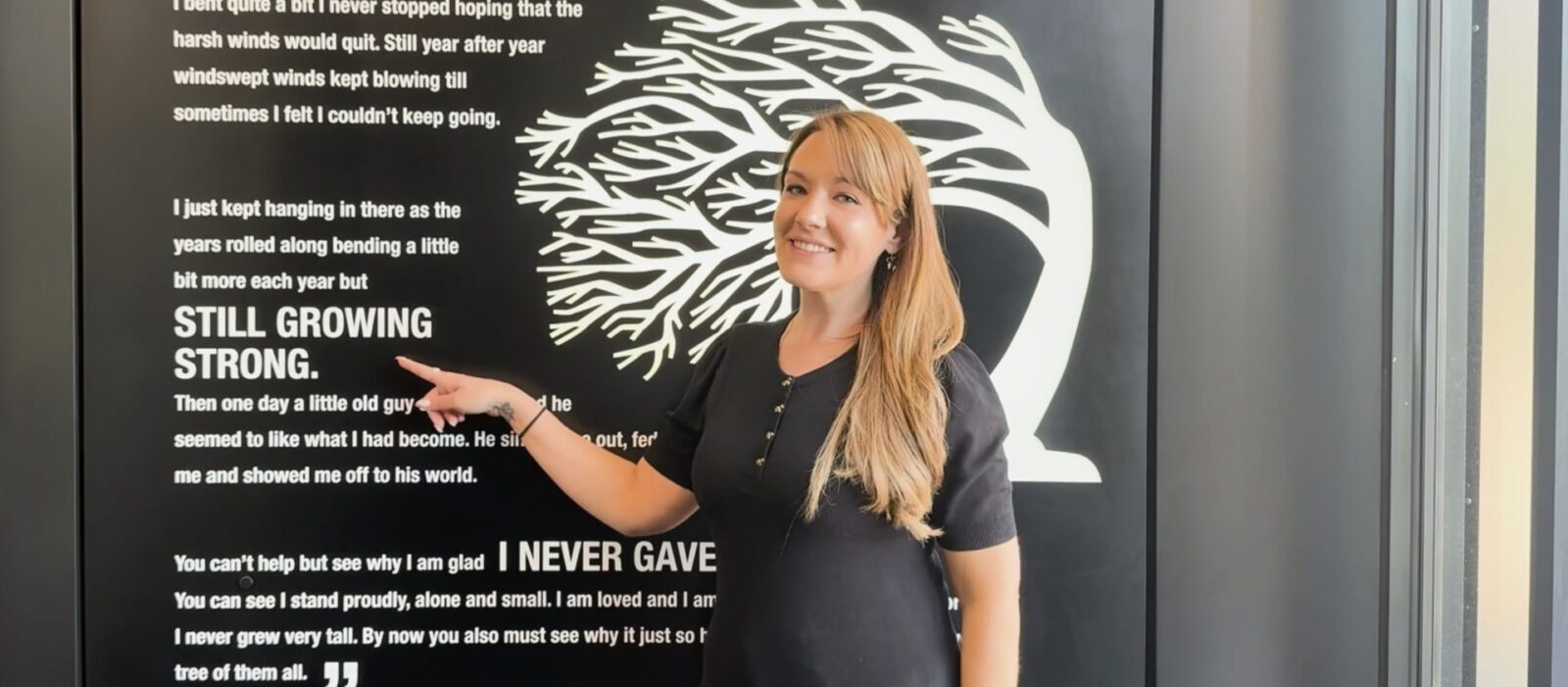
A flier from her probation officer was the turning point for Jodi Whitt, who had spent more than two decades in and out of the criminal justice system. The piece of paper introduced Whitt to the Technology Education Program offered by the University of Kansas’ Center for Digital Inclusion. Since 2019, Whitt has risen through…