
Eating Chocolate, A Little Each Week, May Lower The Risk Of A Heart Flutter
May 28, 2017 | | 3 min read
There’s a rich body of evidence that links chocolate to heart health.
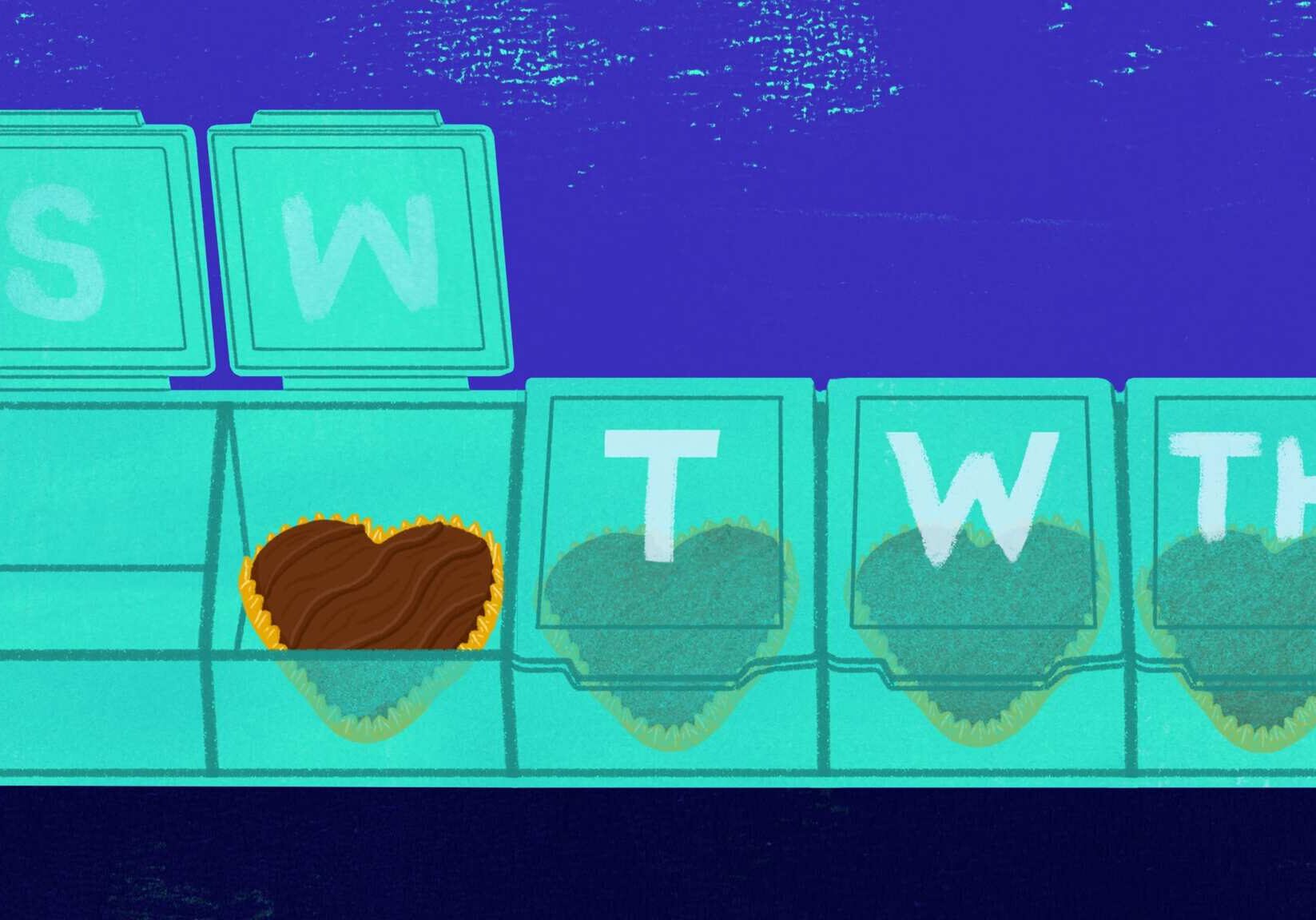
Now comes a new study that finds people who consume small amounts of chocolate each week have a lower risk of developing atrial fibrillation, a heart condition characterized by a rapid or irregular heartbeat.
“The rate of atrial fibrillation was 20 percent lower for people consuming two to six servings [of chocolate] per week” compared with people who ate chocolate less than once per month, explains study author Elizabeth Mostofsky, an epidemiologist at the Harvard T.H. Chan School of Public Health. The findings are published in the journal BMJ Heart.
Atrial fibrillation, also known as AFib, can increase the risk of heart failure, stroke and cognitive impairment. It affects over 33 million people around the globe, and an estimated 25 percent of adults will develop the condition during their lifetime, according to an editorial published alongside the paper.
To assess how chocolate consumption can influence the risk of AFib, Mostofsky and her collaborators analyzed data from a Danish study the includes 55,000 people. All of the participants had completed detailed questionnaires about their lifestyles, everything from exercise habits to what they ate and drank, including how much chocolate they consumed.
“These people were followed over time,” explains Mostofsky. “So we were able to identify all of the diagnoses of atrial fibrillation.”
As we’ve reported, prior studies have found that habitual chocolate eaters seem to have lower risks of heart disease. Researchers have found that the compounds in cocoa, known as polyphenols, can improve vascular health by increasing blood flow. Cocoa compounds may also help suppress inflammation.
The rule of thumb is that dark chocolate is a better choice than milk chocolate, since dark chocolate typically contains more cocoa solids.
Many people in Denmark, where the study took place, typically consume milk chocolate. So Mostofsky says she wasn’t sure she’d find such a significant reduction in risk.
“We were pleasantly surprised that — despite the fact that most of the chocolate may have [had] relatively low cocoa concentrations — we were still able to see robust findings,” she says.
[FLEX-CONTENT]
Now, these findings are not the green light to add lots of candy bars to your diet. Candy comes with lots of sugar and packs in calories, too. So — though this may seem obvious — moderation is key.
“If you’re a chocolate lover, eat a nice, one-ounce piece of chocolate,” says Tom Sherman, a professor at the Georgetown University Medical Center, who was not involved in the study.
The reduction in AFib was highest for people who consumed two to 6 servings of chocolate a week. But people who consumed just one serving a week had a reduced risk of the condition as well.
This study is not the final word on how chocolate consumption may influence heart health. And it’s possible that the reduction in AFib risk found in the chocolate eaters could be explained by other factors, too.
For instance, the accompanying editorial points out that the chocolate eaters in the study “had less hypertension, less diabetes and lower blood pressure.” Also, the chocolate eaters “had higher levels of education, which is often associated with improved health status.”
But the editorial concludes that regardless of these limitations, “the findings are interesting and warrant further consideration.”
Indeed, lots of researchers are involved in nailing down the potential health benefits of cocoa. As we’ve reported, scientists are now studying whether a “chocolate pill” made of cocoa extract can boost health.
9(MDA1MjcyMDE0MDEyNzUzOTU1NTMzNmE5NQ010))
Reading these stories is free, but telling them is not. Start your monthly gift now to support Flatland’s community-focused reporting.

Related Stories

Nick’s Picks | Rally, Debate, Data Center and More …
Election season is in full swing, with the U.S. Senate race in Kansas taking center stage, including President Donald Trump holding a rally in Wichita.

Kansas City Cooks as Site for National Anti-ICE Dinner Series
Celebrated chefs from throughout the metro collaborated for three nights on dinners that raised money for a local immigrant-rights nonprofit.

Nick’s Picks | Top Cop, Mission Mall, Lucas’ Travels and More …
Nick Haines also has the lowdown on information for the upcoming election, the arrival of fall and Kansas City's Day of the Dead celebration.